
When the Sky Opens, Türkiye Opens Its Doors
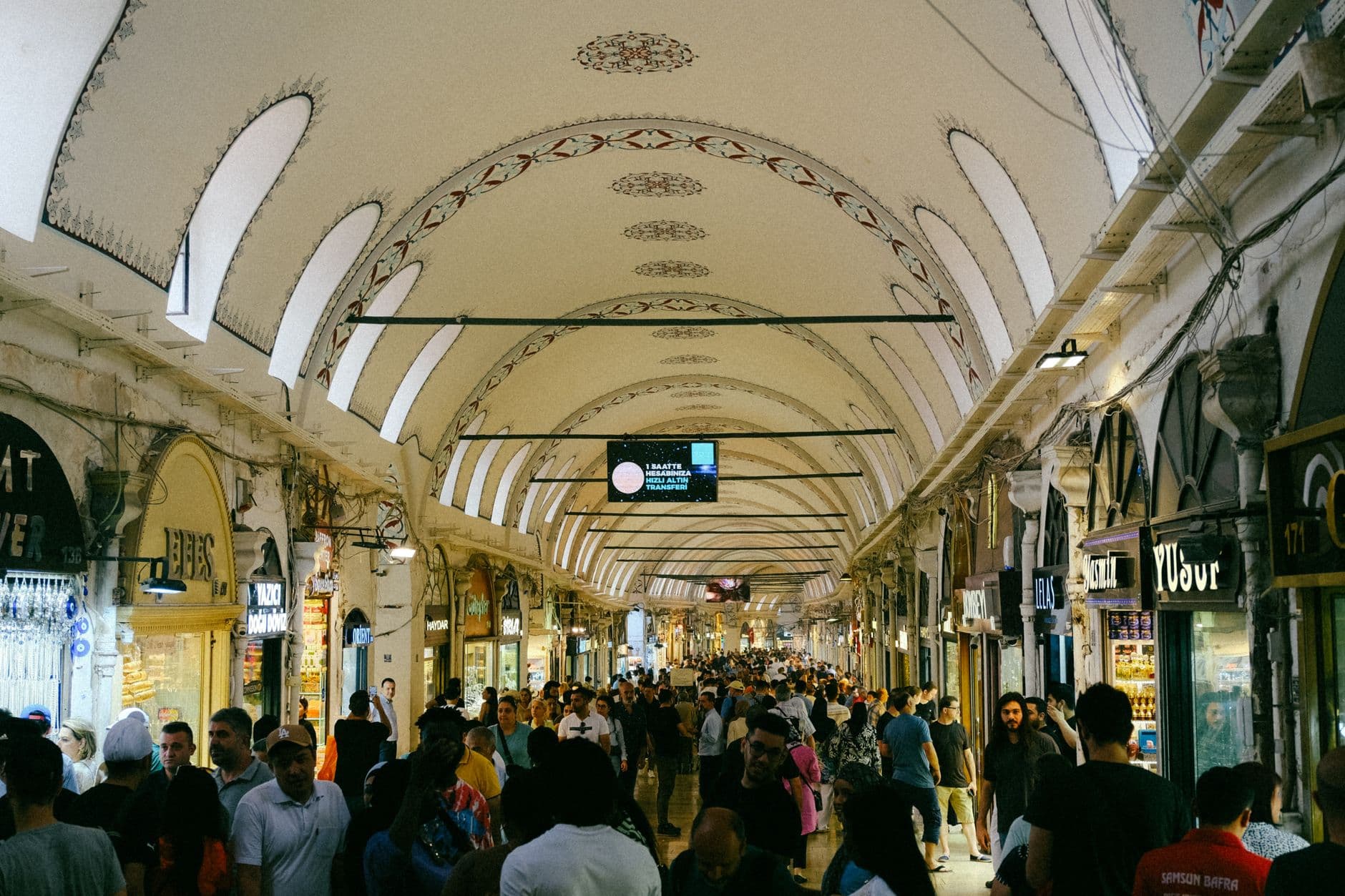
Rain in Türkiye rarely means a wasted day. It means a different day — often a warmer, slower, more human one. Where a sunny itinerary sends you scrambling across hillsides and ancient ruins, a wet one pushes you indoors into exactly the places Turkish culture has perfected over centuries: the hamam, the covered bazaar, the museum hall, the tea house with fogged windows and a constantly refilled tulip glass.
This guide is written for travellers who have already accepted a simple truth: you cannot schedule the weather, but you can schedule delight. From Istanbul's domed museums to Gaziantep's mosaic halls and Antep's copper-lined covered markets, Türkiye is unusually well equipped for rain. Ottoman cities were built around covered circulation — arcades, bedestens, hans, passageways — and modern Turkish cities have added world-class museums on top.
What makes a rainy day here memorable is not just the shelter. It is the hospitality. A shopkeeper who sees you dripping in the doorway will not shoo you along; he will pull out a stool and call for çay. That single glass of tea, offered free and without expectation, is the thread that runs through every great wet-weather day in this country. Read on for how to plan one, and how to let it bend gracefully when the forecast changes.
Layer Smart, Walk Dry: Practical Rain-Day Kit
The single most useful habit for a Turkish autumn or winter trip is layering. Coastal Istanbul and Izmir can swing from mild and muggy to cold and gusty within hours, while inland cities like Konya, Ankara and Gaziantep run considerably colder and drier — and can surprise you with snow. A breathable base layer, a warm mid-layer and a packable waterproof shell will handle almost everything. Skip the umbrella-versus-raincoat debate: bring a small sturdy umbrella for city streets and a hooded shell for open sites.
Footwear matters more than any other item. Cobblestones in Sultanahmet, the sloping lanes of Beyoğlu, and the polished marble courtyards of mosques and hamams become genuinely slippery when wet. Choose shoes with real tread and, ideally, water resistance — leather boots that can be wiped dry, or waterproof walking shoes. Pack a spare pair of socks; wet socks end more sightseeing days than rain itself. A dry bag or simple plastic pouch for your phone and passport costs almost nothing and saves a fortune in stress.
Then there is the forecast. Türkiye's weather is regional, not national: it can be pouring in Istanbul while Antalya basks, and snowing in Erzurum while Izmir enjoys spring. Check city-level forecasts the evening before, not a single national number. Use the tools on our travel tools page and cross-reference with our seasonal guide before you commit to a route. Build every itinerary with a wet-weather alternative already written down — a museum you'd happily spend three hours in, a hamam slot, a long lunch reservation.
The golden rule: itineraries should bend, not break. If the Bosphorus cruise is rained off, that is not a lost morning — it is an unplanned afternoon in the Archaeological Museums, followed by a ferry ride through mist that will be more atmospheric than any sunny postcard. Keep one indoor anchor per day and let the rest float.
Istanbul in the Rain: Museums, Cisterns and Steamy Hamams
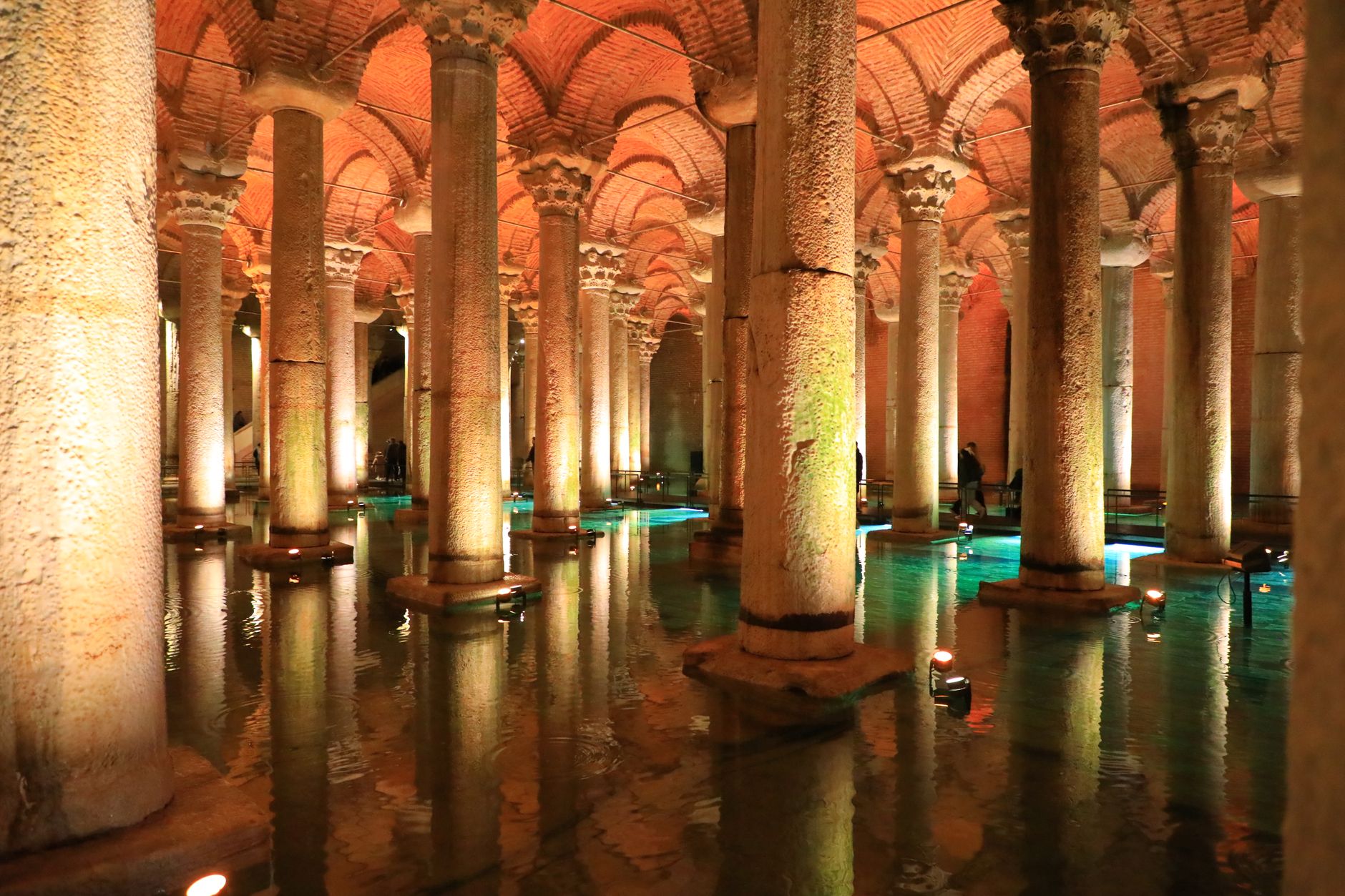
Istanbul is arguably the best rainy-day city in the world, because its greatest attractions were designed for interiors. Start at Hagia Sophia and the Blue Mosque, where the drama happens under the dome — rain on the lead roofs, light filtering through stained glass, the hush of a crowd whispering in a vast stone room. Then descend into the Basilica Cistern, a forest of 336 columns standing in shallow water and dim amber light. It is dark, humid and utterly magical when it is wet outside; the dripping echo makes the whole place feel alive.
For a deeper dive, the Istanbul Archaeological Museums and the Museum of Turkish and Islamic Arts can absorb half a day each without effort. The Pera Museum in Beyoğlu is compact, elegant and perfect for a two-hour pause between rain showers, and the nearby passages — Çiçek Pasajı, Hazzopulo — are covered corridors of restaurants and cafés where you can eat, dry off and watch the street blur past.
Then comes the hamam. A historic bathhouse — Kılıç Ali Paşa, Çemberlitaş, Galatasaray — is the ultimate rainy-day ritual: hot marble, steam, a vigorous scrub, and a long lie-down on a heated slab afterwards with a glass of tea or sherbet. Book ahead for evenings and weekends, bring a swimsuit if you prefer modesty in the mixed-tourism venues, and accept that you will emerge softer, pinker and completely uninterested in the weather. Pair a hamam with a covered bazaar afternoon: the Grand Bazaar's 4,000 shops and 60-odd streets are entirely roofed, and the Spice Bazaar is a short, umbrella-worthy walk away.
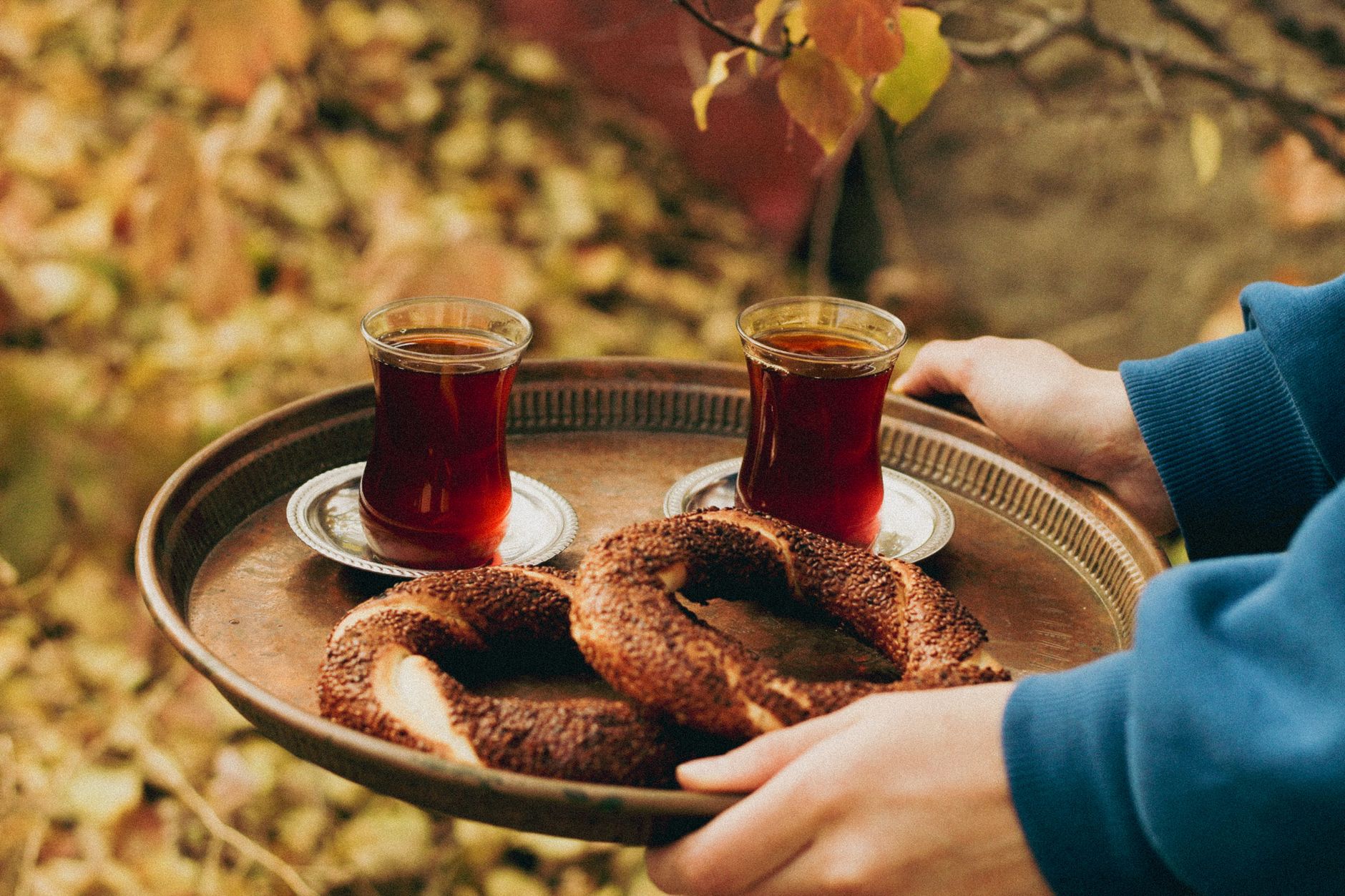
One more Istanbul pleasure: the tea house. Find a çay bahçesi with an indoor salon, order a double çay and a simit, and watch the rain sweep across the Golden Horn. Nobody will rush you. Some of the best conversations of your trip will happen here, and a shopkeeper's invitation to sit is not a sales tactic — it is the everyday texture of Turkish hospitality.
Anatolia's Covered Worlds: Bazaars, Hans and Caravanserais
Travel east and the rainy-day logic changes shape. In Konya, the Mevlana Museum and the nearby Selimiye Mosque complex offer contemplative indoor hours, and the city's tile-roofed bedesten markets stay dry and busy in any weather. In Kayseri, the covered bazaar near the citadel is a labyrinth of copper, spices and carpets, and the restored Hunat Hamam gives you a steamy afternoon option.
Central Anatolia's greatest rainy-day treasure, though, is the caravanserai. These fortified roadside inns — the Sultanhanı near Aksaray is the most famous — were built precisely so that travellers, animals and goods could sit out bad weather in safety. Walking through their thick stone walls, storerooms and vaulted halls on a grey day, you can feel the original purpose of the place. Many have been restored with cafés and small museums inside; a stop here is both shelter and history lesson.
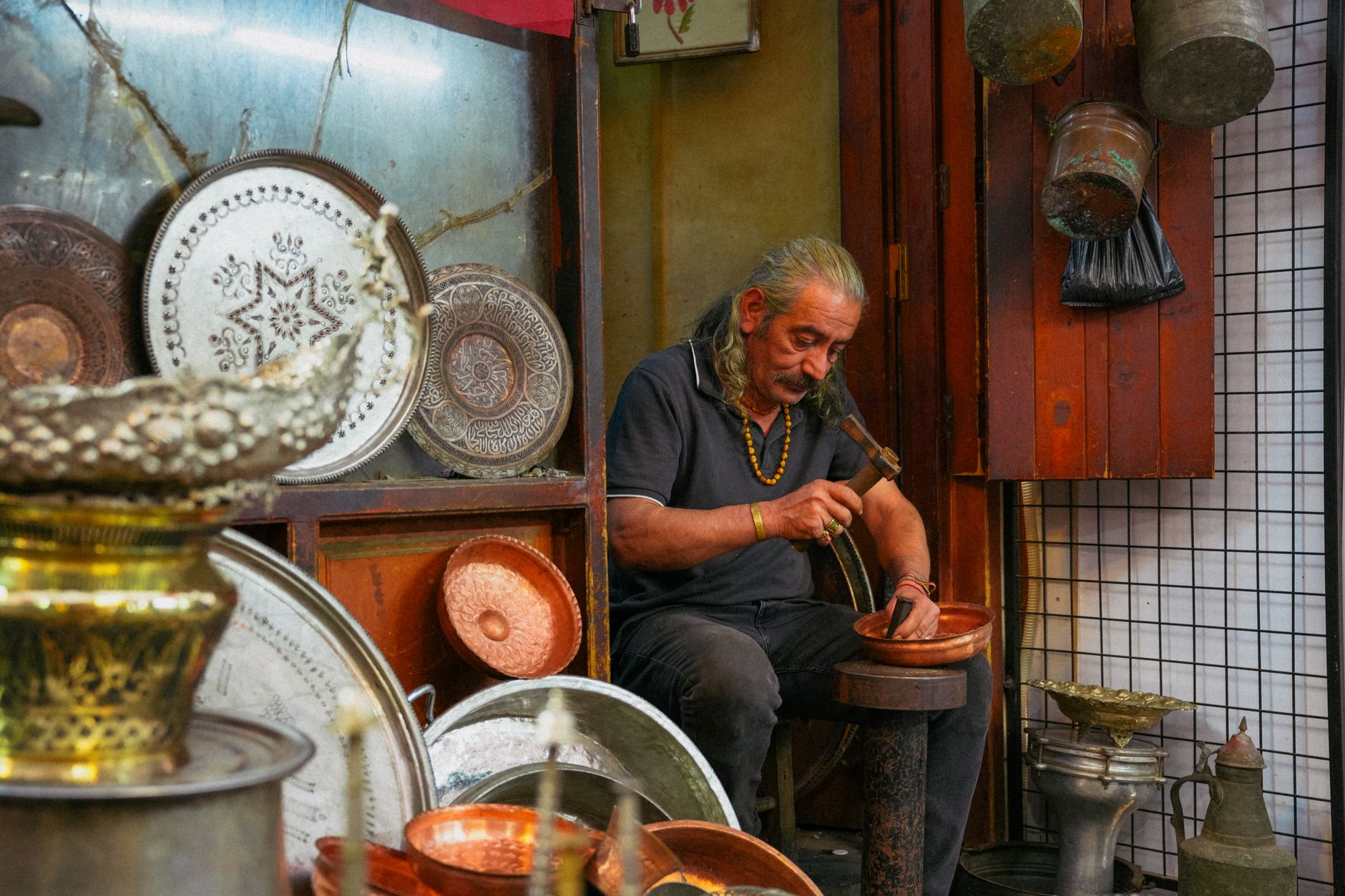
And in the southeast, the covered market reaches its cultural peak. Gaziantep's bazaars, Şanlıurfa's vaulted passages and Mardin's arcaded streets are all built for heat, but they work equally well against rain. The copper-beating quarter of Gaziantep, the spice stalls of Urfa, the hans of Diyarbakır — these are places where a wet afternoon becomes an education in craft, scent and bargaining, and where you will almost certainly be handed a tea within thirty seconds of stopping to look at anything.
Gaziantep and the Southeast: Mosaics, Copper and Long Rainy Lunches
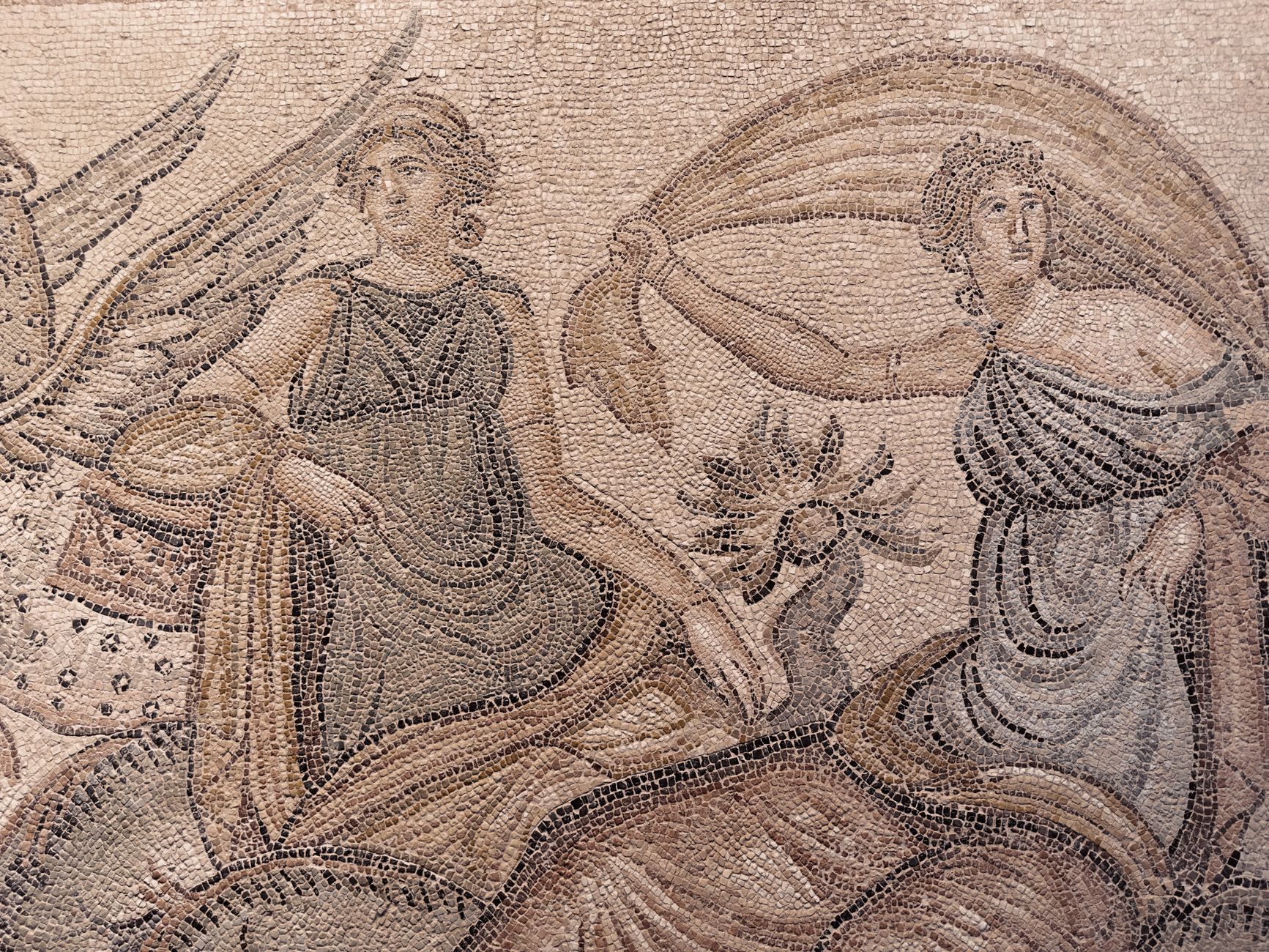
Gaziantep deserves a rainy-day chapter of its own. The Zeugma Mosaic Museum is one of the great indoor experiences in Türkiye — vast halls of Roman mosaics, including the haunting Gypsy Girl, displayed in low light with enough space to wander for hours. When it is wet outside, the museum's calm, dim interiors feel almost designed for the weather. Add the Gaziantep Museum of Archaeology and the city's castle for a full indoor-and-covered day.
Then eat. Gaziantep is the gastronomic capital of the country, and its signature dishes are winter food at heart: beyran soup, eaten at dawn in steamy little restaurants; lahmacun slid from a stone oven; kebabs with grilled peppers; pistachio baklacı and katmer for dessert. A rainy day here is an invitation to a long, slow lunch, followed by coffee and more conversation, followed by an afternoon in the covered market buying pistachios, dried peppers and copperware. The city's food culture is built around lingering, and nothing about rain discourages it.
The same logic holds across the southeast. In Şanlıurfa, the museum complex with its Göbekli Tepe exhibits and the balıklıgöl sacred pools area (with covered cafés around them) can fill a wet day. In Mardin, the stone arcades and the Sakıp Sabancı City Museum provide shelter with a view over the Mesopotamian plain, often with dramatic storm clouds rolling across it. If you are planning a southeastern route, browse our itineraries and layer in indoor anchors before you book.
Hospitality does the rest. Expect to be invited for tea, offered a taste of something from a stall, and told to wait out the shower rather than walk in it. Accept. The rain becomes the reason for the invitation.
Hamams, Tea Houses and the Art of the Long Indoor Afternoon
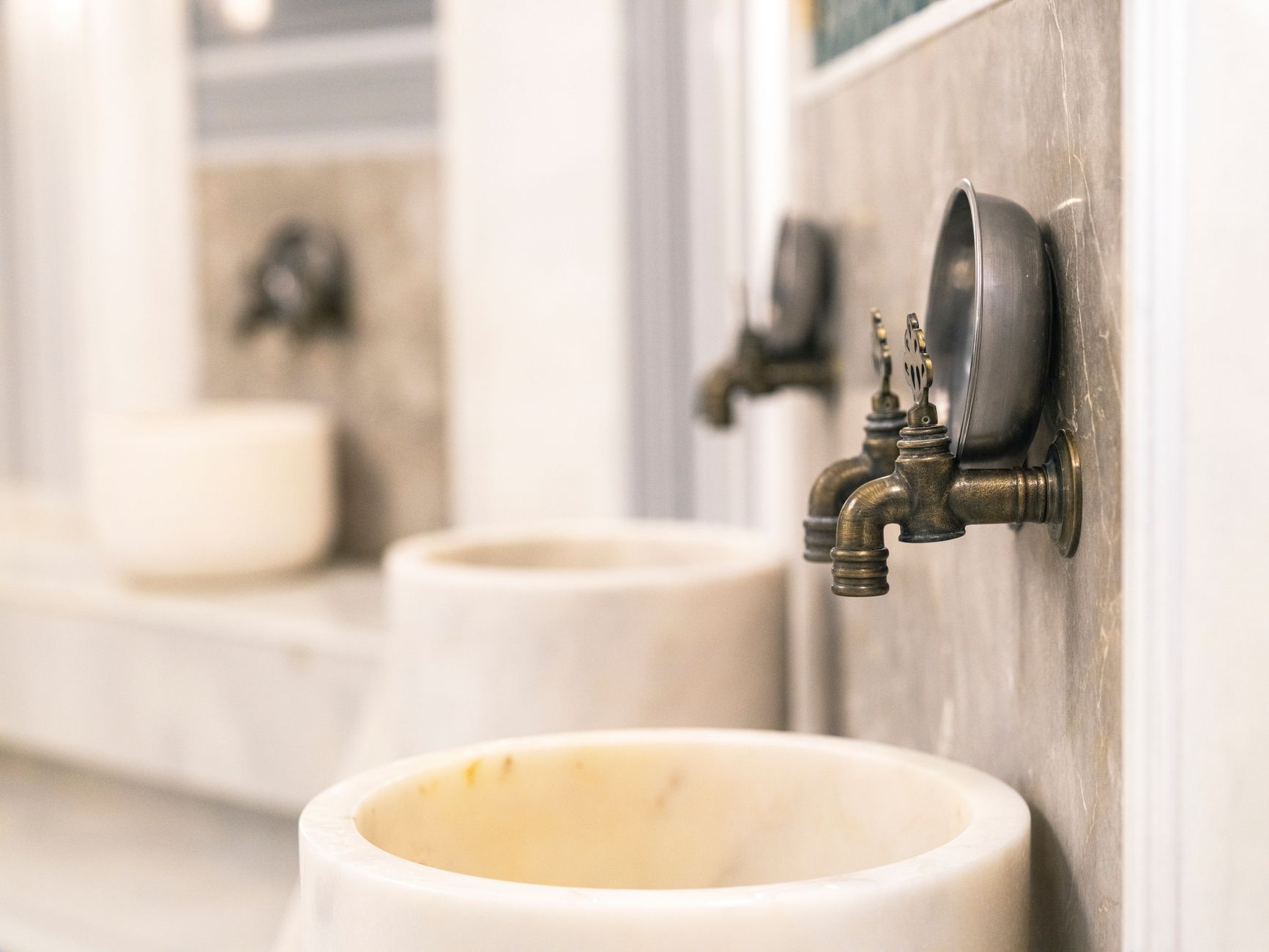
The hamam is Türkiye's original rainy-day institution, and it has never been improved upon. Historic baths exist in nearly every city — from Istanbul's grand Ottoman builds to smaller neighbourhood hamams in Bursa, Bursa's thermal tradition, and the spa towns of Yalova. The ritual is simple: change, wrap in a peştemal, sweat on the hot slab, submit to a scrub and foam wash, rinse, then rest with tea in the cool room. Go mid-afternoon on a wet day when locals are fewer and the light through the star-shaped roof holes turns the steam gold.
Tea houses and cafés are the second pillar. Turkish coffee is slow by design; a çay is refilled without asking; a nargile can stretch an hour into three. In Istanbul, look for indoor salons in Beyoğlu and Kadıköy; in Anatolian cities, the tea house near the bazaar or mosque is where retired men play cards and argue about football. These are not tourist attractions, and that is the point. Sit, sip, listen. It is the most honest rainy afternoon you can have.
For rainy days with children, museums with hands-on exhibits — science centres in Ankara and Istanbul, the Rahmi M. Koç Museum with its trains and submarines — work better than grand archaeological halls. And for a day that mixes culture with shelter, our guides and destinations pages list indoor-friendly options city by city.
Building a Wet-Weather Itinerary That Bends, Not Breaks
The method is simple. Each day gets one indoor anchor — a museum, a hamam, a covered bazaar — plus one flexible outdoor idea that can be swapped. Book nothing that cannot be cancelled the morning of. Keep a short list of nearby cafés and tea houses for gaps between showers. And check the regional forecast the night before, adjusting only the flexible half of the day.
Give yourself permission to abandon the plan entirely if the rain is beautiful. A misty Bosphorus, a wet cobbled lane in Mardin, a bazaar glowing under rain-slicked skylights — these are not consolation prizes; they are the photographs you will keep. Rain clears crowds, softens light and makes interiors feel like gifts.
Finally, trust the hospitality. Turkish culture treats a guest as an occasion, and weather is no obstacle — it is a reason to invite you in. You will be offered çay, simit, maybe a bowl of soup, and a chair by the window. Say yes. Let the itinerary bend. That is the whole secret of a great rainy day in Türkiye, and it is the one you will remember long after the sun comes back.
Thinking about a trip to Turkey?
Share your contact details and a vetted local expert will follow up with a plan built around you — free, no obligation.