

Why the Hot-Oven Trail Is Türkiye's Tastiest Road Trip
There are few pleasures in Türkiye as immediate and democratic as a pide pulled straight from a wood-fired oven: blistered at the edges, soft in the middle, steaming when it hits the paper in front of you. Bakers slap dough onto long wooden peels (called kürek), slide it deep into the taş fırın (stone oven), and pull it out within minutes. The smell — charred wheat, sesame, melted butter, lamb fat — signals a bakery before you even see it.
This is not fine dining. It is the food of neighborhood mornings, highway lunch stops, and late-night student streets. Our hot-oven trail runs from the Black Sea coast, where pide is a cult item, across Anatolia's grain belt to the southeast's lahmacun heartland, and down to the Aegean, where village gözleme and bazlama are still made by hand.
What makes it a genuine travel experience is the rhythm. Bakers keep their ovens at punishing temperatures, and the entire menu — dough, topping, salad, tea — can appear on your table in under fifteen minutes. You come for the craft and the speed, and you leave with flour on your sleeve.
Baker's rule of thumb: if you can't see the oven glowing and smell the wood, keep walking.
How to Order Pide (Without Panicking)
First bit of good news: ordering is easier than it looks. Most pide salons have a short, laminated menu. Start with the word pide itself, then name your topping: kıymalı (minced beef), kuşbaşılı (chunks of lamb or beef), sucuklu (with garlic sausage), peynirli (cheese), yumurtalı (cracked egg on top), or karışık (mixed). Say "bir tane" (one) or "iki tane" (two) before the word and you're done. Many bakers offer half-and-half, so you can taste two toppings in one boat.
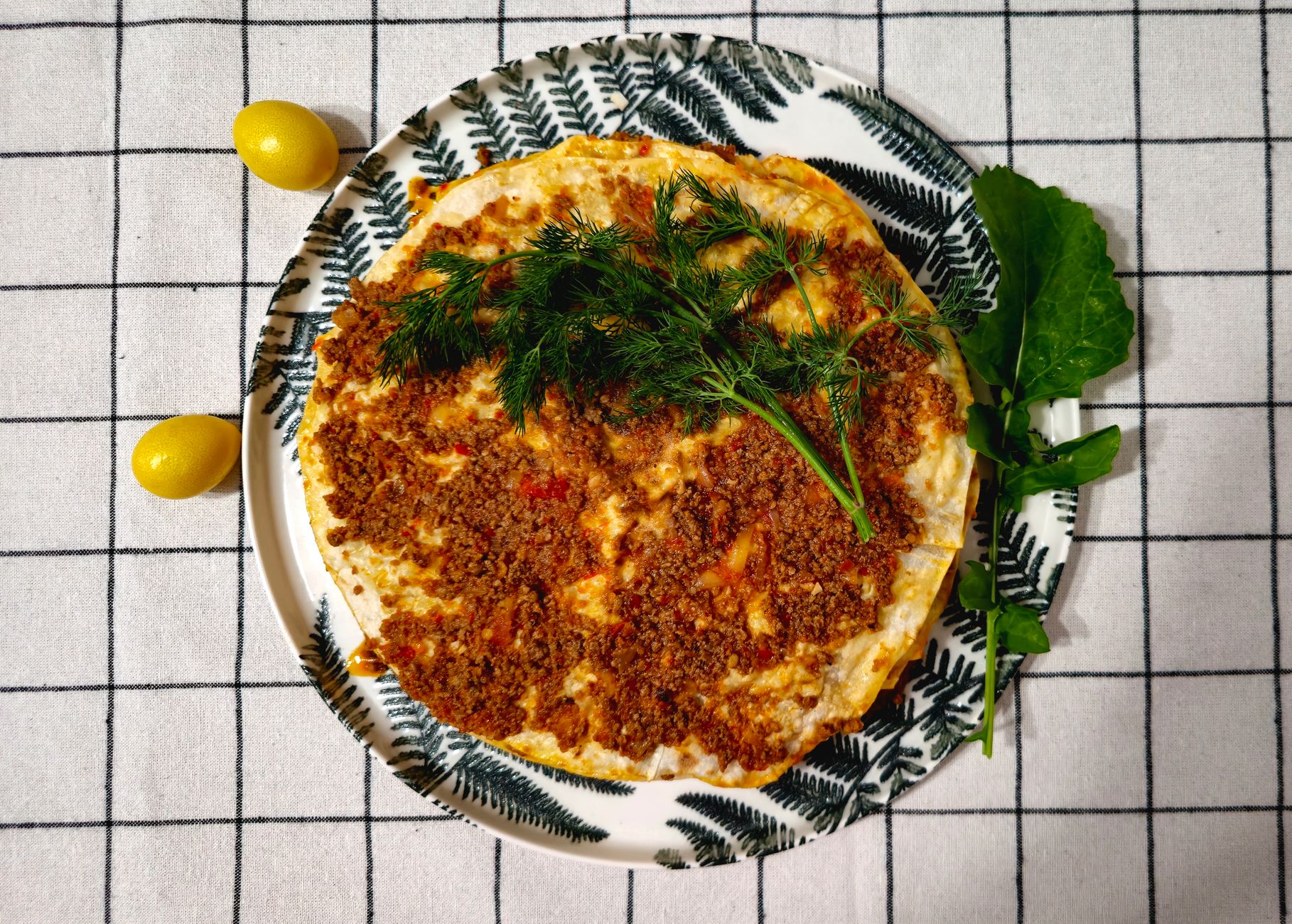
Know the shape language. In the Black Sea style, pide arrives as an elongated boat with the edges pinched up to hold the filling. Elsewhere you'll meet the round, thin lahmacun (minced meat spread), the folded gözleme (rolled flatbread), and the puffy bazlama (village flatbread) served from a stack. If you want a raw egg cracked on top, order yumurtalı and it will arrive hot and still setting.
Dress it yourself. Fresh parsley, sliced onion with sumac, lemon, and chili flakes usually land on the table automatically. For lahmacun, the correct move — locals will judge you otherwise — is to squeeze lemon, add parsley and a little onion, roll it into a tight cylinder, and eat it by hand. A cup of tea (çay) is the standard companion; ayran is a wise choice for spicier toppings.
Watch the oven. Many bakers stay open all day because some people want pide at 8 a.m. with their tea, but the first and best batch is often late morning. If you need a deeper planning primer before you hit the road, our travel guides cover logistics from bus cards to tipping.
Best Times of Day for a Fresh Pide
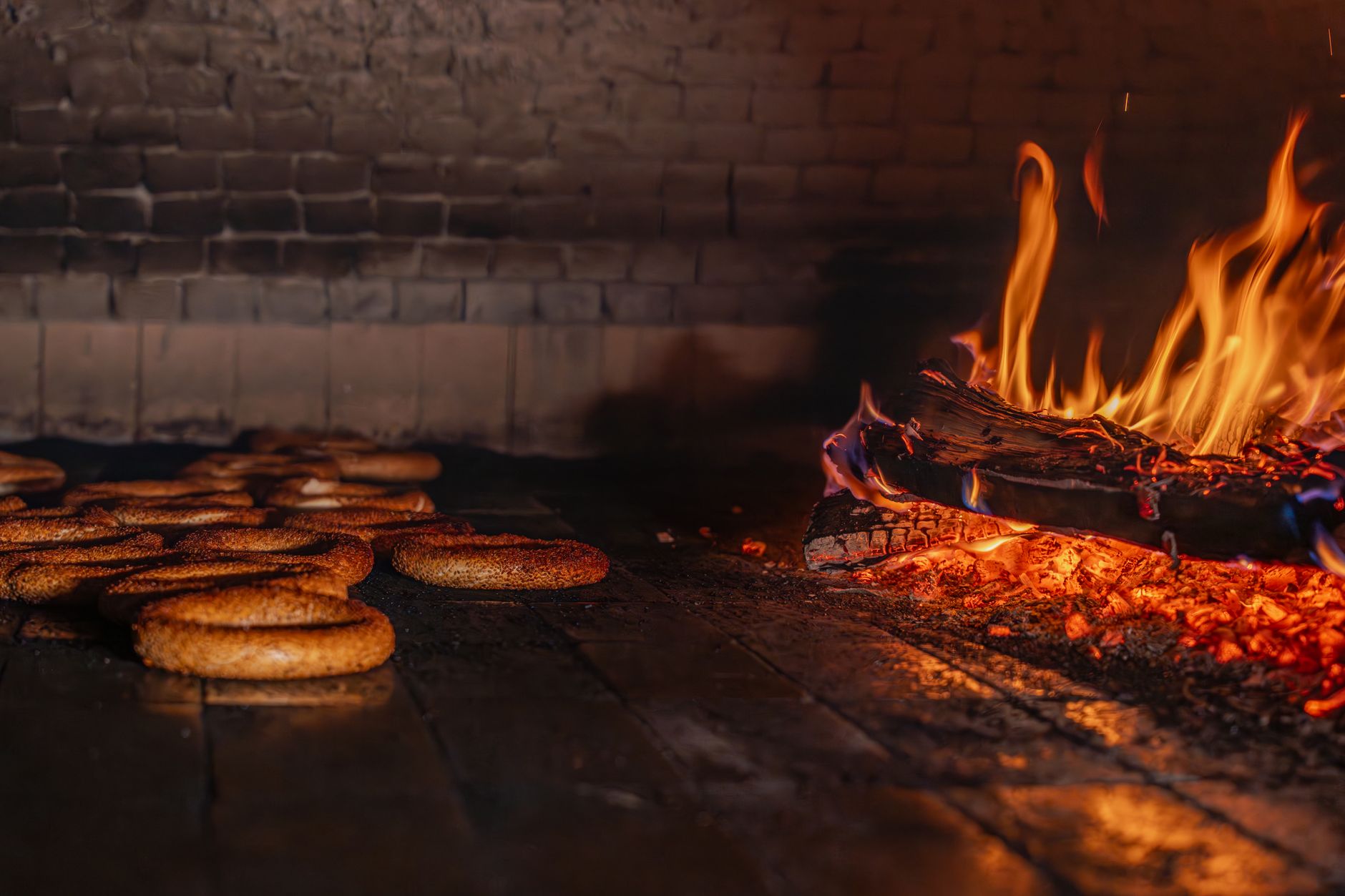
Bakeries run on two peaks. The first begins around 7–9 a.m., when commuters, shopkeepers and taxi drivers crowd the counter for simit, bazlama and thick bread, and the ovens are roaring from early kneading. The second peak lands at 11:30 a.m.–1:30 p.m., when pide salons fill with office workers. If you want the most theater — dough being rolled, peels flying, the fire visible — arrive at 11 a.m., before the rush, and sit near the oven.
Evening has become a second pide culture entirely: from roughly 6 p.m. onward, baklava and pide salons swap hats. That's when families and students order lahmacun by the dozen and pide by the boat, often with soup first. In regional towns with a strong pide tradition, dinner business can run until 10 or 11 p.m., which keeps things convenient for late arrivals.
Timing exceptions are real. Fridays after prayers fill neighborhood bakeries fast. During Ramazan, morning is quiet and the whole day pivots toward iftar, when the pide lines start 30 minutes before sunset. And a bakery that sells out of lahmacun dough by 2 p.m. simply may not make more that day, so plan your big lahmacun stop for lunch, not late afternoon.
One last timing note: highway bakeries outside city centers are open surprisingly early and are the best impromptu stop between long distances — the kind of detail we weave into our itineraries when travelers want food built into the route.
What to Look For in a Great Bakery
The single best signal is visible dough. Look for a floured back room or, better, a front window where a baker is flattening balls of dough on a wooden table. Next, check the oven: a proper taş fırın has a domed stone chamber, an ash pit, and wood stacked nearby. Gas or electric ovens exist and are used, but the traditional wood burn is a craft signature, and the resulting char is exactly what you're chasing.
Watch the peel handling. A skilled baker stretches the pide on a cloth or board, dusts it with flour, and slides it in with one confident motion. The turn halfway through matters: pides are rotated so the edges blister evenly. Then it comes out, gets brushed with butter or oil, and lands in your hands as a genuine work of craft. Small bakeries may process 100–200 pides in a lunch shift.
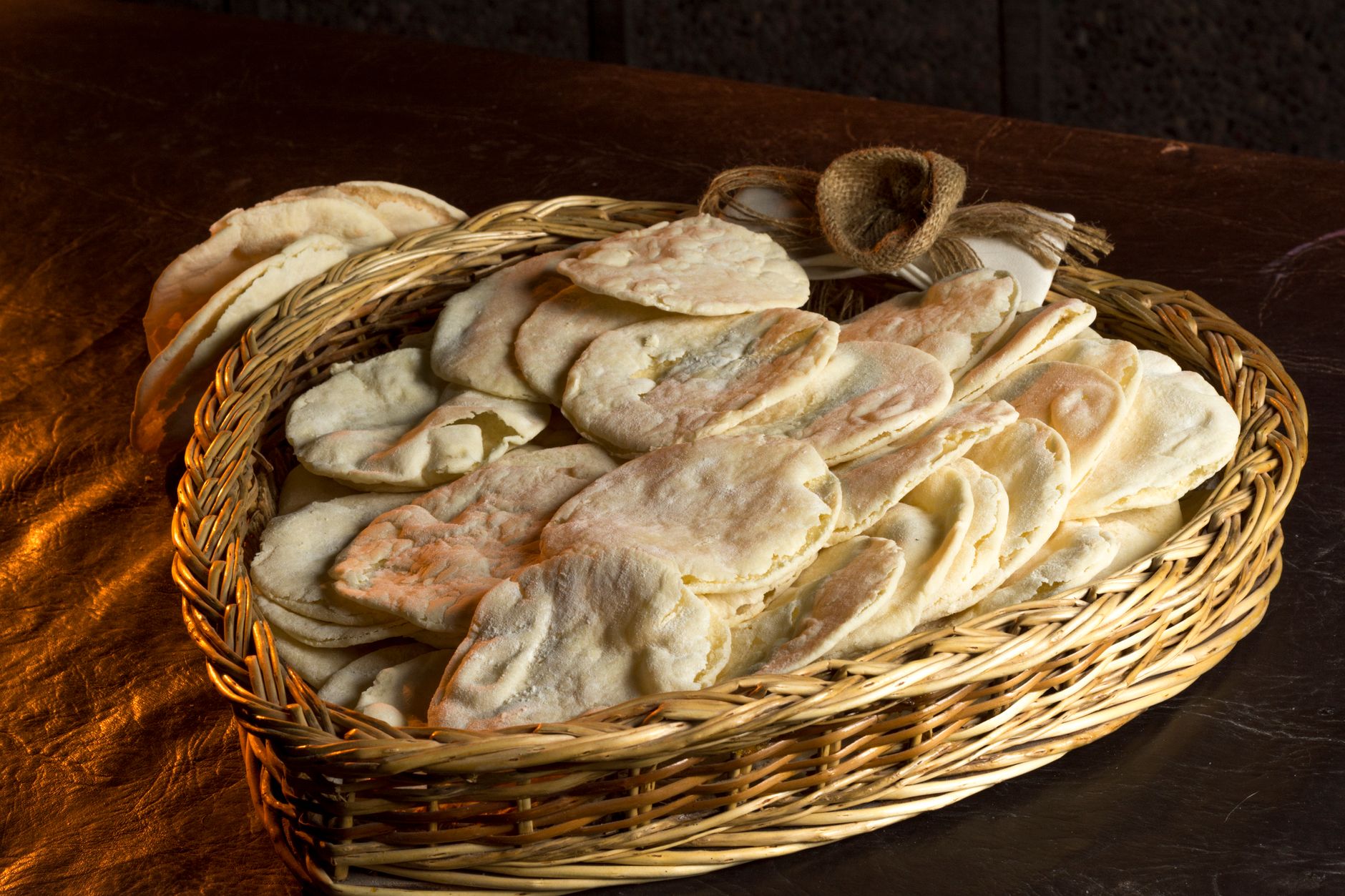
Also observe the counter. A good bakery sells bread by weight, has a short seasonal rotation, and does not overload toppings. Pide is thin and rustic by design; a soggy center often means the dough got wet or the oven wasn't hot enough. If you see a stack of fresh flatbreads in a cloth-lined basket, buy one plain and eat it warm while you walk — many locals consider bazlama the humblest and best of all.
Region-by-Region Tasting List (with Realistic Prices)
Prices below are rough 2026 street figures for a standard portion per person, based on what travelers typically report in moderate neighborhood spots. City centroids and tourist districts will run higher; small towns and highway stops lower. Think of them as your bargaining baseline, not a promise.
Black Sea — Trabzon, Rize, Samsun
The undisputed pide capital. Trabzon's pide is famous for its boat shape and generous butter; kuşbaşılı (lamb chunks) and kıymalı are the classics. In Rize and the surrounding highlands, muhlama (a molten cheese and cornmeal dish) often joins the table, and pide with butter is a daily staple. Expect to pay roughly 150–250 TL for a kuşbaşılı pide, with cheese or kıymalı often 90–150 TL.
Eastern Anatolia — Erzurum, Kars, Van
The grain heartland, where bread is treated with near-religious respect. In Erzurum, lahmacun is a point of civic pride and can be startlingly thin and crisp; local bakers also make a hunkar-style lamb pide. Kars brings a slow-food ethos, and cheese-stuffed flatbreads are common breakfast fare. In Van, look for savory flatbread with local herbs and cheese. Lahmacun here runs about 70–120 TL; cheese pide 100–180 TL.
Southeast — Gaziantep, Şanlıurfa, Mardin
Turn up hungry and be prepared to share. Antep's lahmacun tradition is a serious craft with fine mince and a hand-pressed crust, and the city's bakery culture overlaps with its baklava legends. Urfa leans toward smoky, toasted notes and generous chili. Mardin's stone streets hide small bakeries doing excellent thin flatbread. Lahmacun typically 80–130 TL; a lamb pide 150–220 TL.
Central Anatolia — Konya, Kayseri, Ankara
Eat like a baker's apprentice here. Konya has its own fine etli ekmek (long, thin meat bread) tradition, and the city's ovens are constantly busy. Kayseri is known for mantı but its bakeries are excellent for a morning bazlama, while Ankara's student neighborhoods offer some of the best-value pide in the country. Count on 100–170 TL for most pide, and 60–100 TL for a lahmacun.
Aegean and Mediterranean — İzmir, Muğla, Antalya
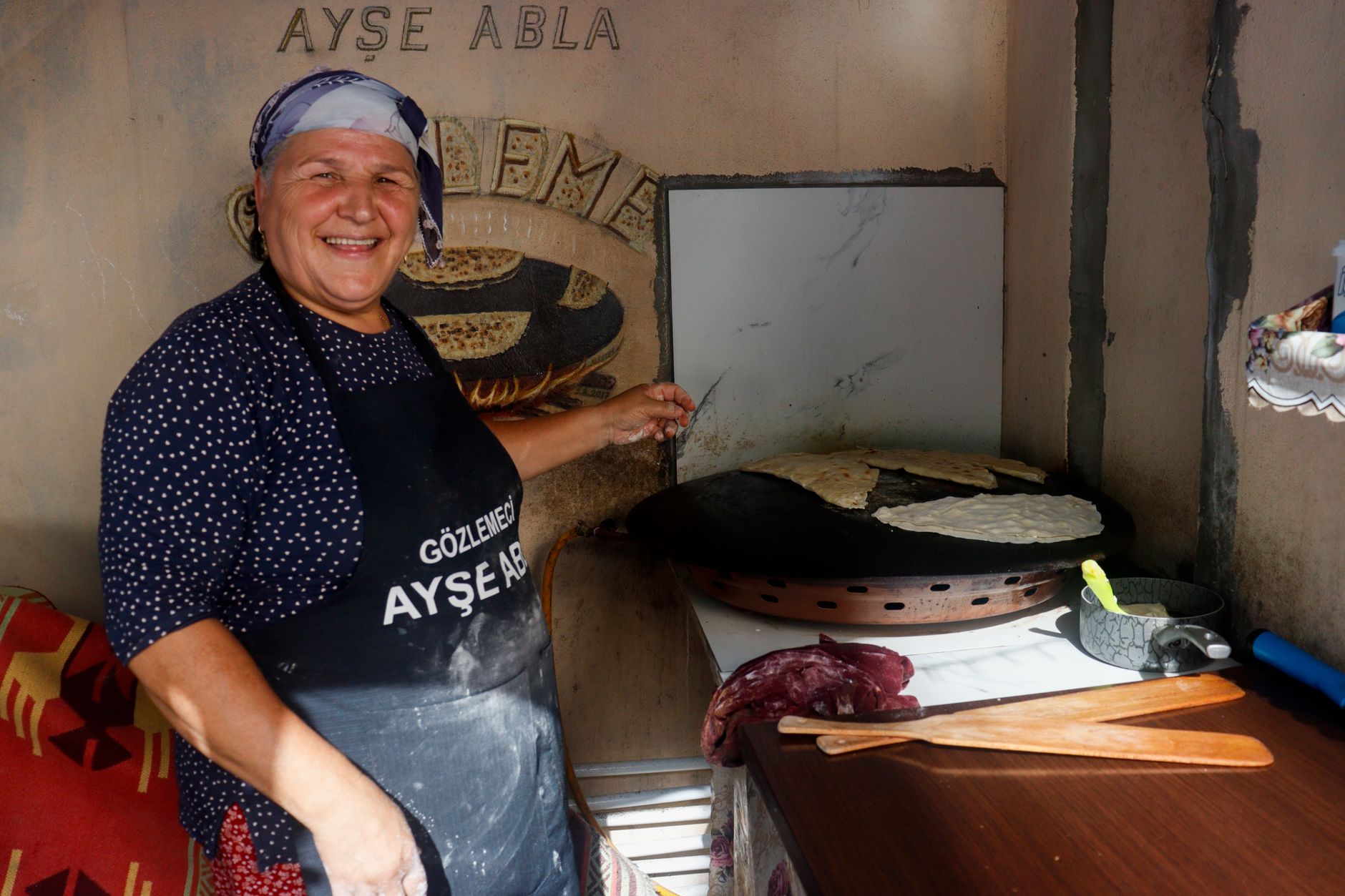
The flatbread heartland. İzmir's boyoz and gevreki are breakfast icons, while coastal towns serve gözleme stuffed with potato, cheese, spinach, or meat, often cooked on a domed griddle by hand. Village bazlama is common at roadside stalls, and many Antalya bakeries bake pide for breakfast. Gözleme at a village stall runs 70–120 TL; a restaurant pide 120–200 TL.
İstanbul — A Little Bit of Everyone
The city is a regional mashup: Trabzon-style pide salons in Beşiktaş and Kadıköy, Gaziantep lahmacun spots in Fatih, and Aegean-style gözleme in neighborhood cafés. Expect city-centre prices — pide 180–300 TL, lahmacun 90–150 TL, gözleme 100–180 TL — but also some of the best bakeries in the country. Use our destinations pages to map where you're staying before you go hunting.
Practical Tips for the Trail
Order one at a time unless you know the portions. A pide looks modest on the menu but is genuinely filling, and the standard local move is one pide plus a shared lahmacun and a salad. Ask "ne kadar?" (how much?) before you commit if prices aren't listed; this is normal and always acceptable.
Carry cash. Small bakeries may accept cards in cities but rarely in villages, and mobile payment is patchy outside major centers. A small note for a bag of bazlama is the easiest transaction you'll make all day. Want the quick confidence boost of a checklist before you travel? Browse our travel tools and FAQ.
Respect the oven. Ask before photographing bakers at work — many are happy, but during a rush they won't be. Keep your table clear when your pide is heading over, and if a bakery offers a slice of hot bread straight from the peel, take it and eat it standing up. That is what the craft is for. Our best-time guide is a good companion for choosing months when whatever bread is out of the oven is still steaming by the time you reach the table.
Final Baker's Note
The hot-oven trail isn't really about finding one perfect pide. It's about noticing that every region does the same three things — flour, water, fire — with total conviction, and that the result tastes completely different on the Black Sea than it does in Gaziantep. Wander somewhere new, look for the glow, order simply, and eat while it's hot. That's the whole guide.
Thinking about a trip to Turkey?
Share your contact details and a vetted local expert will follow up with a plan built around you — free, no obligation.