
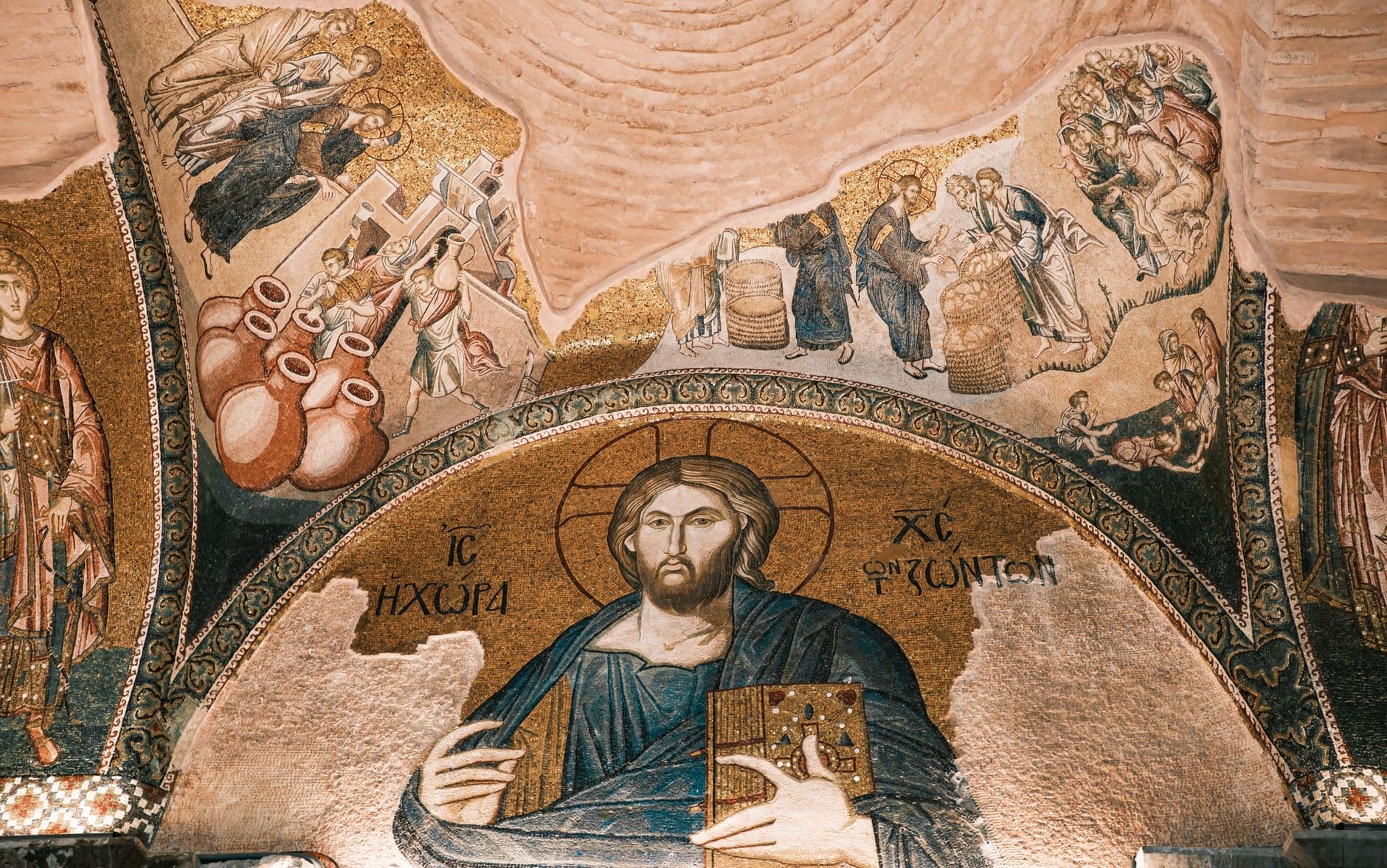
Why Watching Conservation Is the Most Moving Way to See Türkiye's Heritage
Most travelers meet Türkiye's past through finished monuments: the mosaic panels of Hagia Sophia, the carved stone of Ephesus, the tilework of Topkapı. But there is a second, quieter layer to that experience — the workshops and site laboratories where conservators clean, consolidate and reassemble the very fragments the rest of us admire. To stand at a viewing rail and watch a conservator lift a century of grime from a tessera, or set a fractured marble capital into a custom cradle, is to understand heritage as a living craft rather than a static backdrop.
The skill on display is genuinely inspiring. Turkish conservation teams combine deep Ottoman and Byzantine scholarship with laboratory science — pXRF analysis, injection grouting, laser cleaning, humidity-controlled shelters — and the hand skills of stone carvers, mosaicists and metalsmiths trained over decades. Many are graduates of programs in Istanbul, Ankara and İzmir, and many work for the Ministry of Culture and Tourism, museums, universities or foundations. When you are allowed to watch, you are watching some of the most patient and precise work in the country.
This guide is practical above all. Some studios welcome visitors on scheduled open days or demonstrations; many are working laboratories where public access is limited to a glass window, a raised walkway or a seasonal tour. The golden rule is simple: book ahead, confirm the current access policy, and never cross a closed-off working area. Conservators love an informed, respectful audience — they cannot safely host an unpredictable one.
How Open Conservation Access Works in Türkiye
Türkiye does not have a single national "open studios" scheme. Instead, public access comes in several forms: museums with visible laboratories behind glass; excavation sites with on-site restoration shelters and viewing platforms; foundation-run craft workshops where apprentices demonstrate carving, gilding or tile restoration; and periodic events — museum open days, heritage weeks and university demonstration days — when conservators step out from behind the rope to explain their work.
Because these arrangements change with funding, season and project cycles, treat any published opening information as a starting point rather than a guarantee. Check the official site or museum page shortly before you travel, and where a booking is offered, take it. Small conservation teams often cap visitors precisely because a working bench is not a stage: a single dropped tool or an unguarded tripod can damage an object that survived fifteen centuries.
Respect for working areas is not bureaucracy; it is the profession's core discipline. Closed zones exist because of dust, solvents, unstable objects, fragile surfaces and the simple fact that a conservator needs concentration. If a door is shut, a barrier is up or a sign says çalışma alanı — giriş yasaktır (working area — no entry), that means you. Photograph only where permitted, never with flash near pigments or textiles, and ask before filming people at work.
Istanbul: Mosaics, Metal and the Museum Laboratory
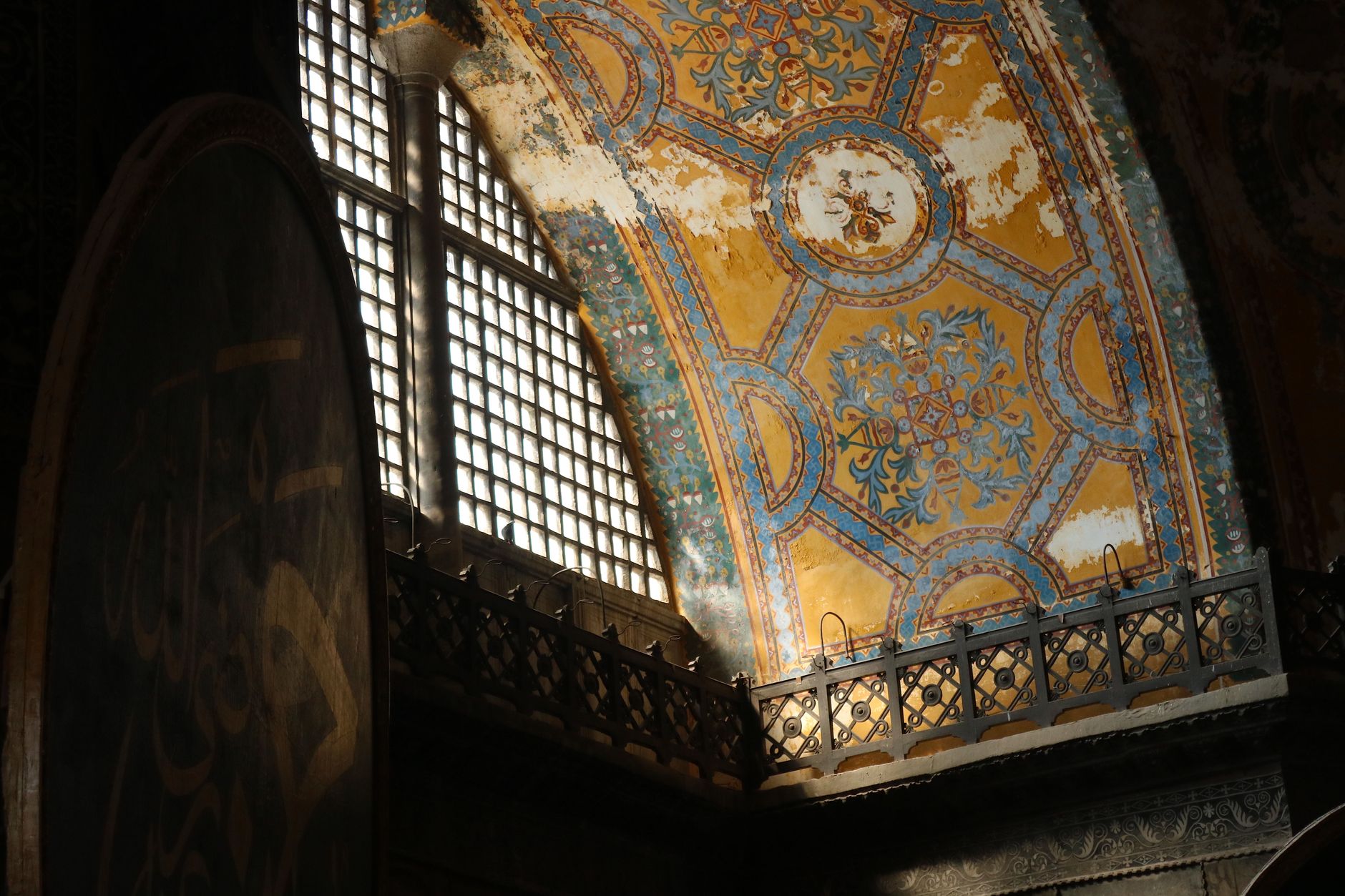
Istanbul is the practical heart of Turkish conservation. The city's museums and universities run laboratories and workshops covering everything from Byzantine mosaic to Ottoman metalwork, and several sites in the historic peninsula let visitors see restoration in progress — or at least see the shelters, scaffolding and documentation that surround it. The atmosphere is unforgettable: the smell of lime and stone dust, the whisper of a scalpel on mortar, the grid of a condition survey pinned to a wall.
Pair a conservation-focused morning with the collections that explain what is being saved. The mosaic and architectural stone collections of the city's major museums make far more sense after you have seen how a fragment is documented, cleaned and re-set. Check museum schedules for temporary exhibitions on restoration, which frequently include before-and-after displays and sometimes live demonstration slots. For broader planning around these institutions, browse our destinations pages and guides before you lock in dates.
Practical pairing in the old city
- Morning: a museum with a visible laboratory or conservation display window; ask at the ticket desk whether any demonstration is scheduled that day.
- Midday: the monument or site whose objects you have just seen being treated — the context makes the craft legible.
- Afternoon: a foundation workshop or craft atelier demonstrating stone carving, gilding or tile restoration, where apprentices often explain their work freely.
Stone: Carving, Consolidation and the Quarries of Antiquity
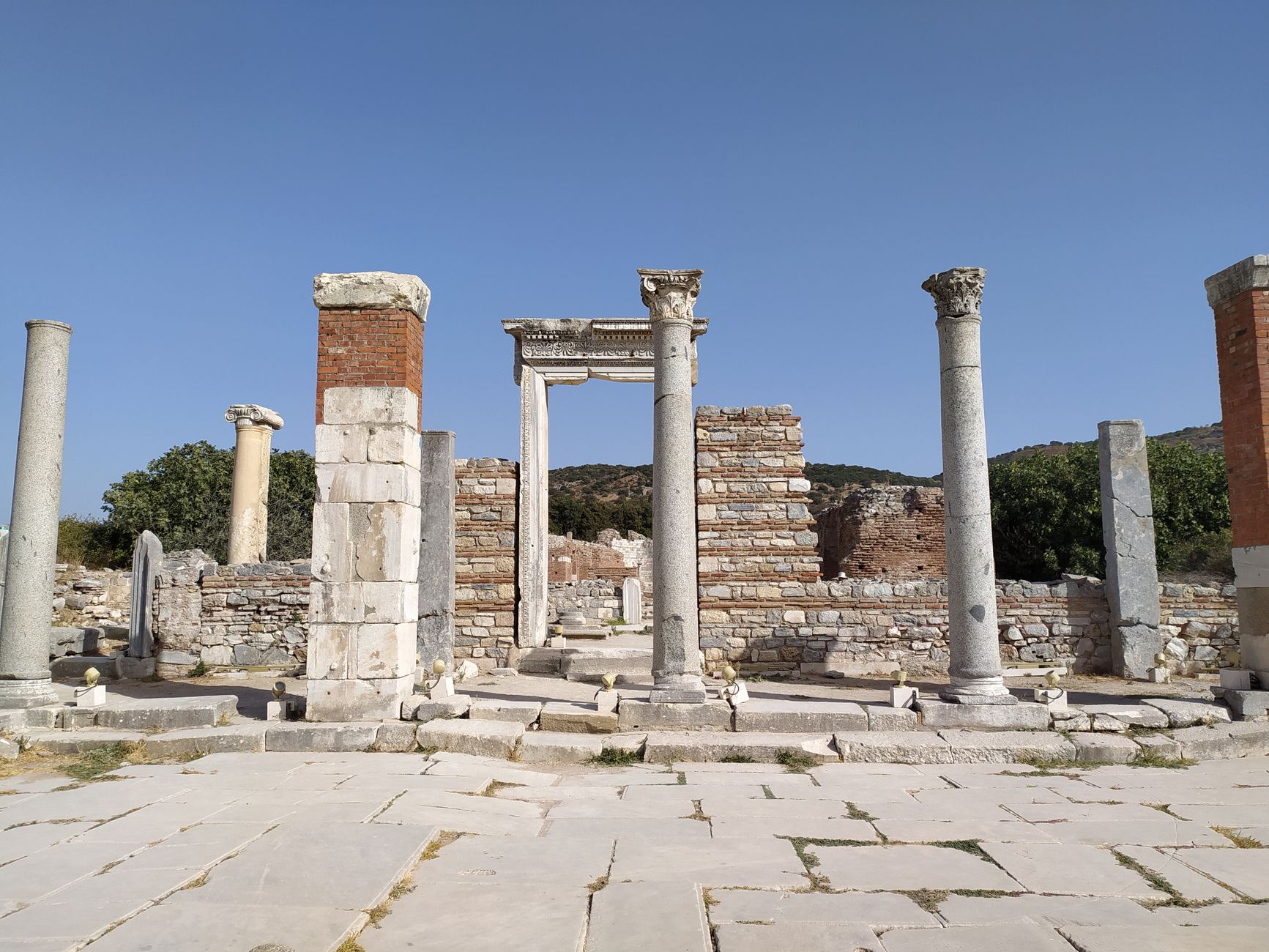
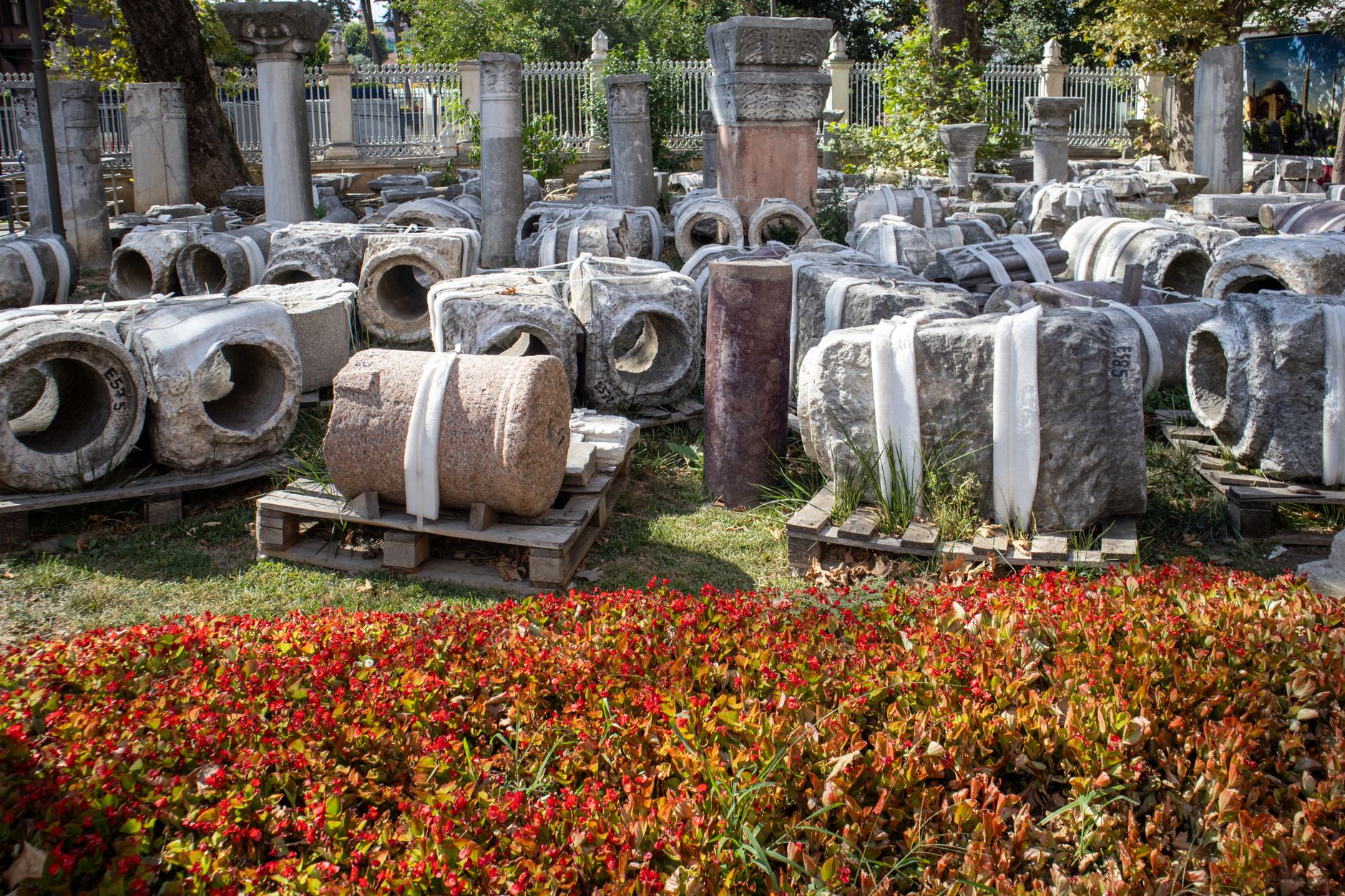
Stone conservation is where Türkiye's heritage craft is most visible to the public, because so much of it happens in the open. At major archaeological sites, you will often see shelters built over fragile floors, carved blocks catalogued on pallets, and conservators treating marble with poultices and consolidants. Some sites offer viewing platforms or guided visits that include the restoration depot — a chance to see how a column drum is documented, desalinated and prepared for re-erection.
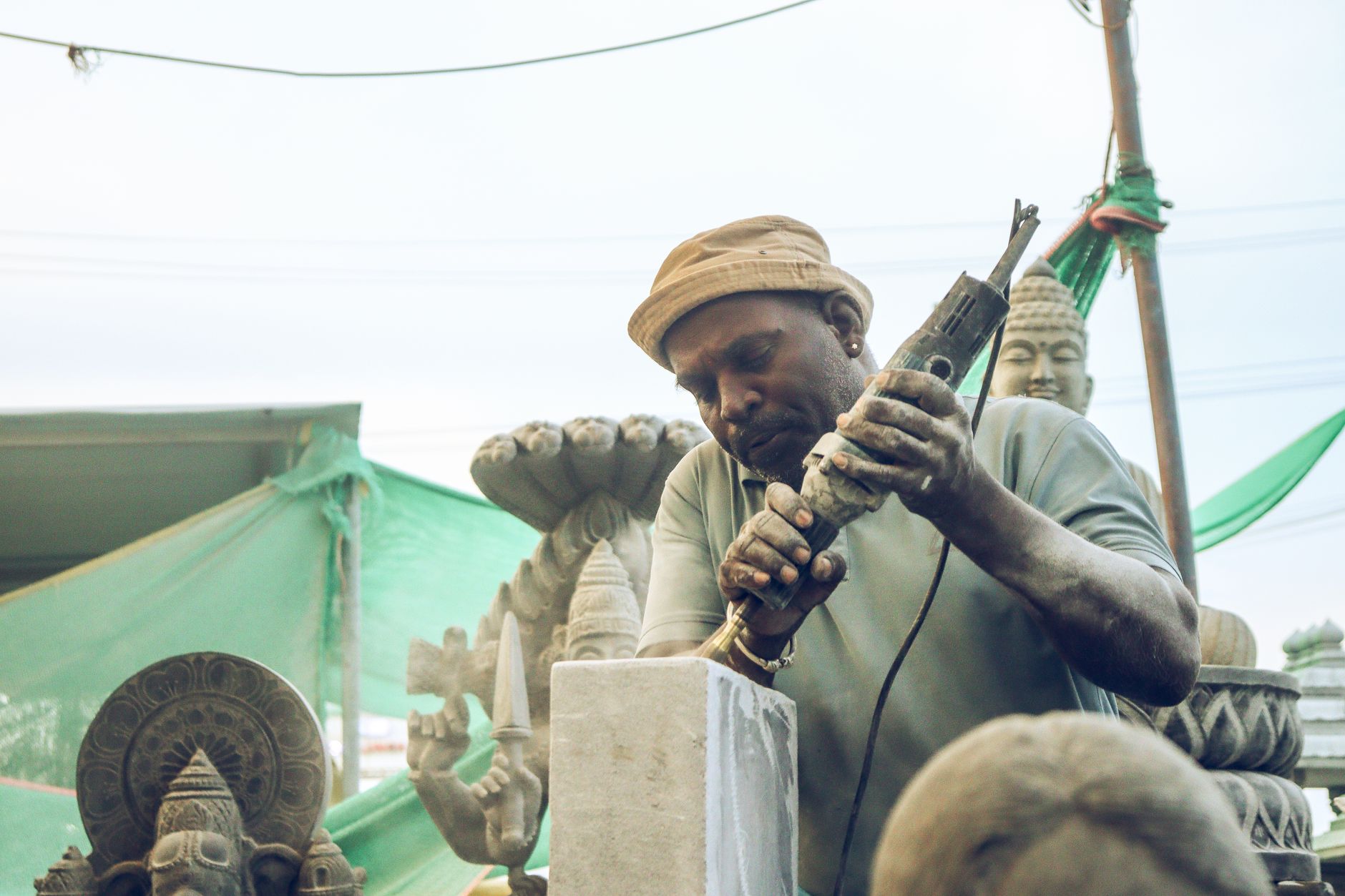
The hand skills are extraordinary. Watch a stone carver reproduce a missing acanthus leaf and you are watching someone read a 2,000-year-old design language fluently enough to continue its sentence. Watch a conservator decide not to carve — to leave a loss visible, marked and honest — and you learn the ethics that make modern restoration different from past reconstruction. Turkish teams increasingly favor minimal intervention and reversible materials, and they are happy to explain why when the setting allows.
Traditional carving workshops, often in stone-working towns and craft quarters, welcome visitors more readily than institutional laboratories. Ask whether a demonstration is scheduled; many workshops will happily show a chisel being sharpened or a template being traced. Pair these visits with nearby archaeological museums so you can compare a modern replacement with the original it supports.
Mosaic: Tessera by Tessera, in Shelters and Studios
Mosaic conservation is slow, intimate and — for a visitor with patience — riveting. A conservator works at a bench or on a floor shelter with a scalpel, a syringe of grout, a tiny spatula and a documentation sheet, lifting each tessera's condition into the record before touching it. In Türkiye, mosaic teams work at major Roman and Byzantine sites and in museum laboratories, and several sites make the work visible through glass or from a raised walkway.
When access is offered, it is often seasonal and capacity-limited: a conservation shelter is a controlled environment, and too many visitors change its humidity and dust load. Book any scheduled shelter tour in advance, arrive on time, and expect to be asked to stay on the marked path. If you are lucky enough to see a demonstration, watch the conservator's hands rather than your camera — the rhythm of the work is the real lesson.
Good conservation is invisible in the finished monument and thrilling in the workshop: the point is not to see the repair, but to understand how nearly we lost what the repair now protects.
Pair mosaic study with the region's archaeological museums, where lifted floor panels are displayed with condition diagrams. Our itineraries include heritage-focused routes that can be adapted around museum opening days and any announced conservation demonstrations.
Metal: Bazaars, Foundries and the Ethics of Restoration
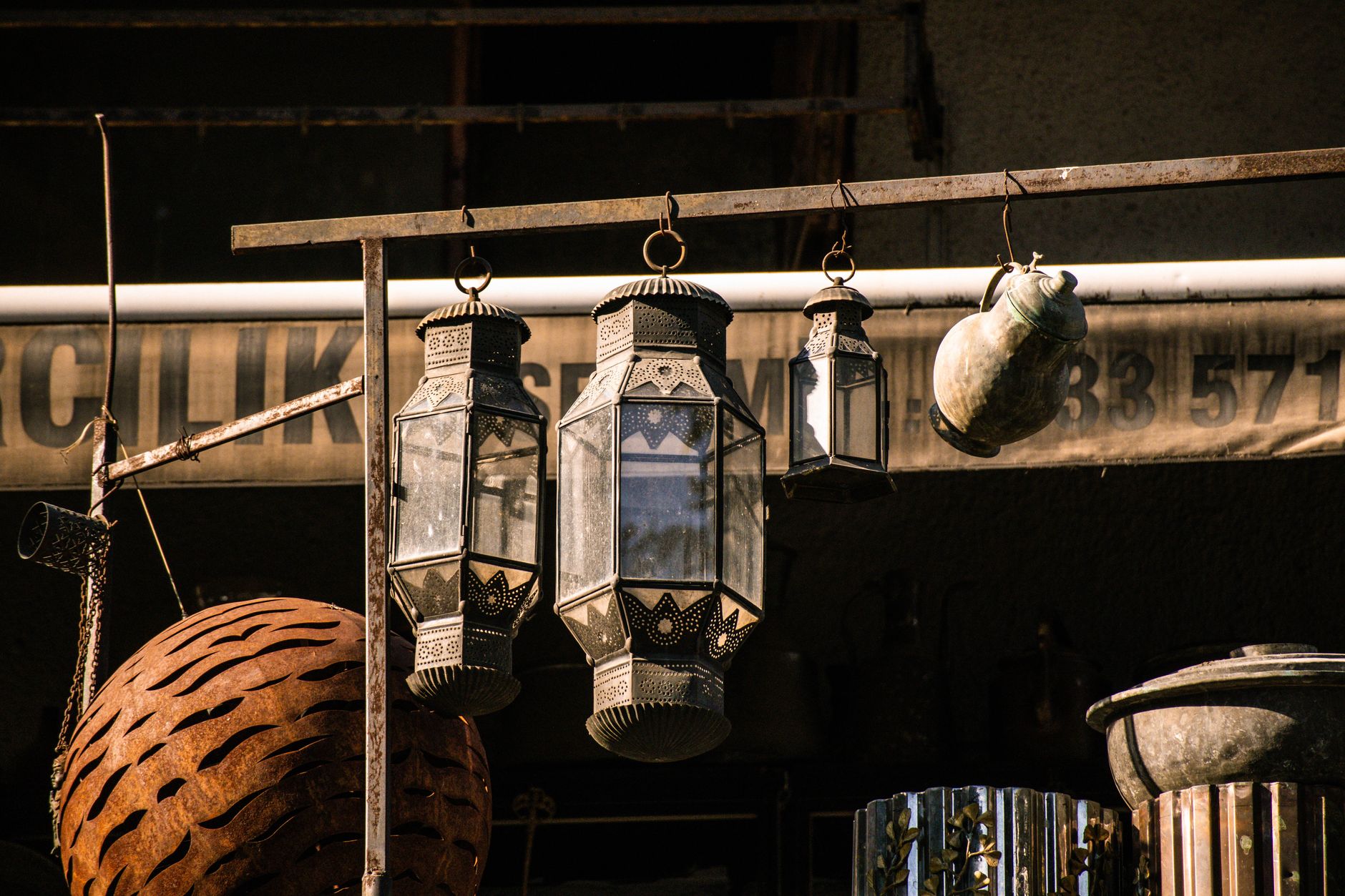
Metalwork conservation spans everything from bronze statuary and Ottoman arms to ecclesiastical silver and copper kitchenware. In Istanbul's craft quarters and in metalworking towns across Anatolia, you can watch smiths and restorers at the bench — hammering, chasing, soldering, and sometimes cleaning corrosion from an archaeological bronze under a microscope in a museum lab. The contrast between heat-and-hammer workshop and cold laboratory is one of the most interesting things to observe.
Ask workshop staff whether a demonstration is scheduled; many are proud to show a chasing technique or the difference between a stable patina and active corrosion. Buy something small if you can — a hand-made piece supports the craft ecosystem that keeps these skills alive. And remember the ethics: a conservator may deliberately leave a bronze's patina intact, and a demonstration of cleaning is not an invitation to polish your own souvenirs with household chemicals.
Pair metal visits with museum collections of arms, coins and bronzes, then with a bazaar walk to see contemporary craft in its commercial setting. The best-time guidance helps you choose shoulder-season dates when workshops are less crowded and demonstrators have more time to talk.
Beyond Istanbul: Regional Studios and Site Laboratories Worth the Detour
The conservation story is national. In the Aegean and Mediterranean regions, excavation projects maintain on-site laboratories and depots that occasionally open for guided visits; in Central Anatolia, museum workshops care for Seljuk and Ottoman stone, tile and metalwork; in the southeast, mosaic and stone teams work on some of the country's oldest floors. Access varies enormously, so build flexibility into your route and confirm by phone or email before making a special trip.
Regional museums are often the best-value conservation encounter: smaller crowds, staff who are delighted to explain a treatment, and displays that show objects mid-process. Ask at the ticket desk for any scheduled demonstration, and look for temporary exhibitions on recent restorations. Our routes and travel tools can help you link museums, workshops and sites into a coherent loop rather than a series of hopeful detours.
Where access is not possible, the second-best experience is a well-documented site: shelters, signage, condition markers and sometimes a viewing window into a depot. Learn to read them. They tell you what is fragile, what is being studied, and why the barrier is there.
Booking Ahead, Behaving Well: A Practical Checklist
Before you go: confirm access policy and any demonstration schedule directly with the museum, site or workshop; book where booking is offered; ask about language (English-language explanations are common at major sites but not universal); check whether photography is allowed and whether flash is banned.
On the day: arrive early, stay behind barriers, silence your phone, never touch objects or tools, keep children within arm's reach, and follow staff instructions instantly. If a conservator pauses to explain, listen more than you ask; a short, well-chosen question — "is that treatment reversible?" — is welcome, a stream of them is not.
Afterward: support the institutions with a donation or a purchase, and tell them what you valued. Conservators rarely hear from the public they work for, and a thoughtful note is genuinely appreciated.
If you want a trip built around these encounters, our planner and experts can help match your dates to museum schedules, and our FAQ covers the practical questions travelers ask most. For inspiration between trips, the gallery and blog are good places to linger.
The Inspiring Skill — and the Responsibility — of the Visitor
What stays with travelers is not a single object but a standard of care: the patience to work at a square centimeter an hour, the humility to mark a loss rather than disguise it, the science and the hand skill held in the same person. Türkiye's conservators are guardians of an inheritance that belongs to everyone, and watching them work is a privilege that depends on visitors behaving as guests in a laboratory.
So go curious, book early, keep behind the line, and leave the working area to the people who have earned it. The heritage you came to see is still here because of them — and, in the best workshops, you can watch it come back to life.
Thinking about a trip to Turkey?
Share your contact details and a vetted local expert will follow up with a plan built around you — free, no obligation.