

Setting Sail on Türkiye's Floating Time Machines
There is a particular sound that defines a Turkish summer: the low, patient thrum of an old diesel engine, the slap of water against a riveted steel hull, and the clink of tea glasses on a painted metal tray. Step aboard one of Türkiye's vintage ferries or wooden excursion boats, and you step into a living museum where the journey matters more than the destination. These are not preserved relics behind glass — they are working boats that still carry commuters, picnic hampers, simit, and schoolchildren every single day.
Türkiye's maritime heritage is woven into the national identity. Istanbul grew up around the water, and the vapur (ferry) is as central to the city's soul as the call to prayer or the smell of roasting chestnuts. Along the Aegean and Mediterranean coasts, wooden caiques and sturdy little coasters keep a slower rhythm, island-hopping between coves and fishing harbours. Riding them is not just sightseeing — it is participating in a tradition that Türkiye has lovingly kept afloat.
The best part? A ride on these boats costs less than a fancy coffee in many European cities. For the price of a couple of tickets, you get a front-row seat to silhouetted minarets, dolphins racing the bow, and sunsets that turn the sea to hammered bronze. This guide will show you where to catch these beloved old boats, when to ride them, and why they remain one of the country's most delightful budget-friendly treats.
The Vapur: Istanbul's Beloved Bosphorus Workhorses
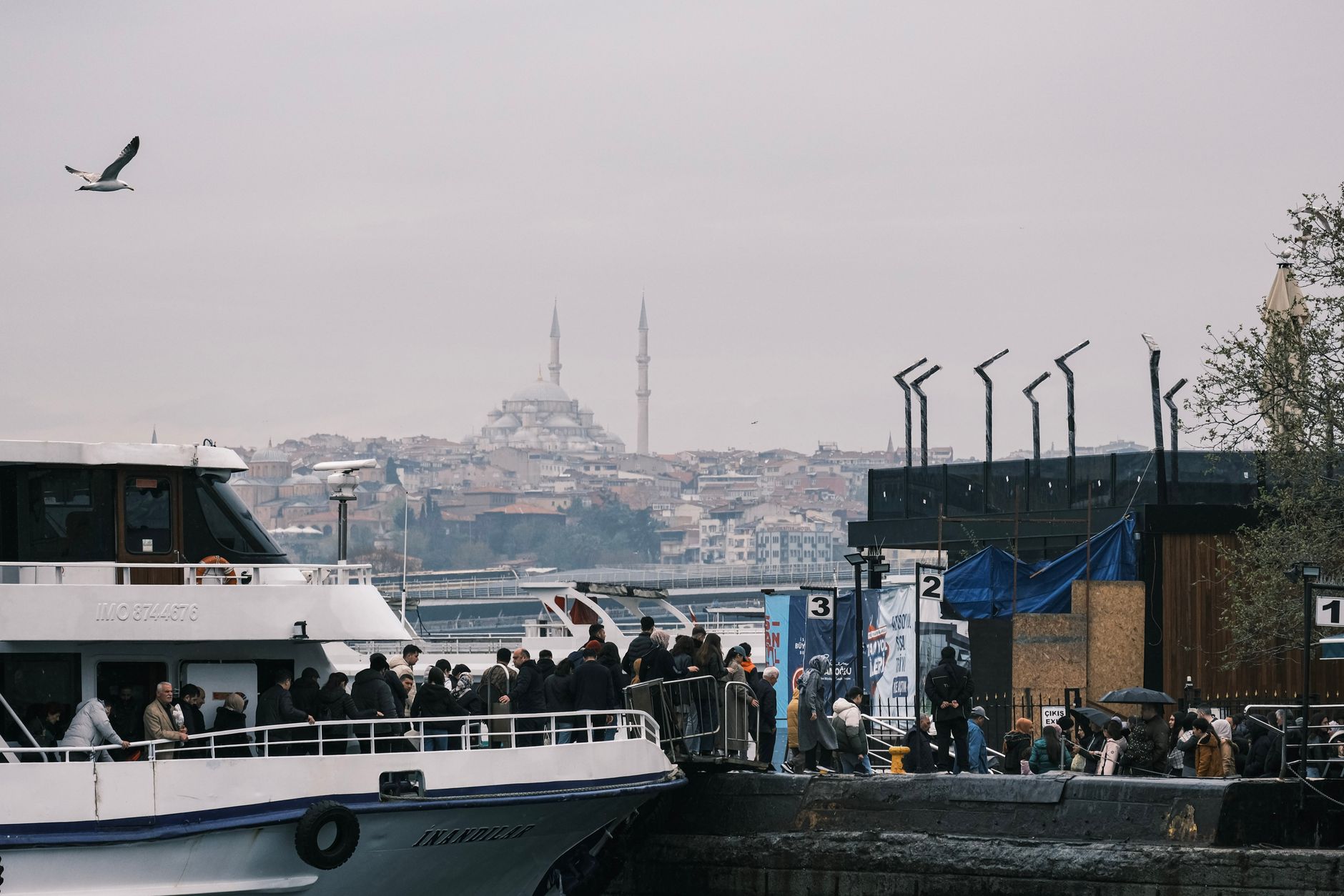
Ask any Istanbulite of a certain age about the Şehir Hatları ferries and you will get a wistful smile. These big, boxy, blue-and-white vessels — many built in the 1960s, '70s, and '80s, with a few lovingly restored older ladies still in service — are the city's floating living rooms. They connect the European and Asian shores, criss-cross the Bosphorus, and chug all the way up to the Black Sea mouth at Anadolu Kavağı.
The classic route is the Bosphorus cruise from Eminönü or Karaköy, stopping at Beşiktaş, Kanlıca, Yeniköy, Sarıyer, and finally Anadolu Kavağı. The full one-way trip takes roughly 90 minutes to two hours, and it remains astonishingly cheap — a fraction of what private tour boats charge. There is no commentary, no guide waving a flag; just you, a çay, and the parade of yalıs (waterside mansions), fortresses, and wooded hills sliding past.
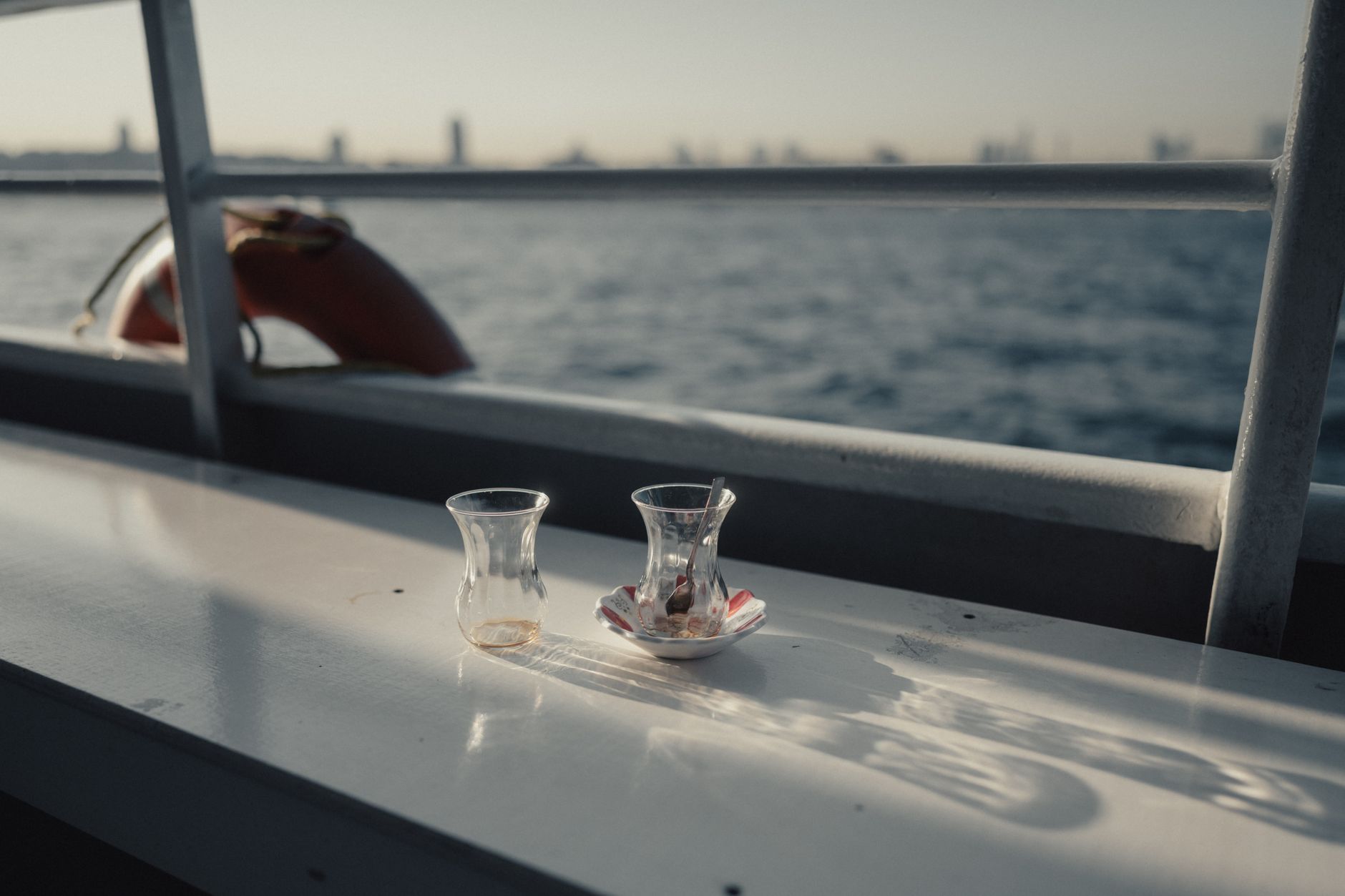
The short hop between Eminönü and Kadıköy, or Beşiktaş and Üsküdar, is the everyday commute for thousands — a 15-to-20-minute crossing that locals treat as a moment of peace. Buy a simit on the pier, grab a tea from the onboard buffet (still served in little tulip glasses), and stand at the rail as the city drifts by. On a misty morning, with seagulls wheeling and the Galata Tower ghosting through the haze, it is pure poetry.
Many of the oldest ferries have been retired or converted, but a dedicated preservation effort — including the beloved Dümüş and heritage vessels kept running for special nostalgia cruises — means you can still ride history. Istanbul has even restored some vintage ferries as floating cafés and event spaces, a wonderful example of how the city refuses to let its maritime memory sink.
Where and When to Catch the Istanbul Ferries
The main hubs are Eminönü (at the foot of the Galata Bridge, on the European side), Karaköy, Beşiktaş, Kabataş, Üsküdar, and Kadıköy on the Asian side. The Şehir Hatları (City Lines) operate most of these routes; you can pay with an Istanbulkart, the rechargeable transit card that works on ferries, buses, trams, and metro alike. Tap in, tap out — no fuss, no paper tickets needed for most crossings.
For the long Bosphorus cruise, aim to board the morning departures (typically between 10:00 and 11:00) so you have time to explore Anadolu Kavağı, climb to the ruined castle for views over the Black Sea, eat fresh fish by the water, and catch an afternoon boat back. Weekend and holiday sailings can be busy, so arrive early to claim a seat on the open upper deck — the best spot on the boat.
The sunset crossings are the stuff of memory. A late-afternoon ferry from Eminönü to Kadıköy, or the reverse, gives you golden light over the minarets and the first glow of the city's evening lights. In winter, the boats run a reduced but reliable schedule; check the Şehir Hatları website or app, as timetables shift seasonally. Frequencies on the main commuter routes are still remarkably good — often every 15 to 30 minutes during the day.
"The vapur is not transport," an old Istanbul saying goes. "It is a place to think, to drink tea, and to remember that this city is made of water."
Wooden Caiques and Coastal Coasters of the Aegean
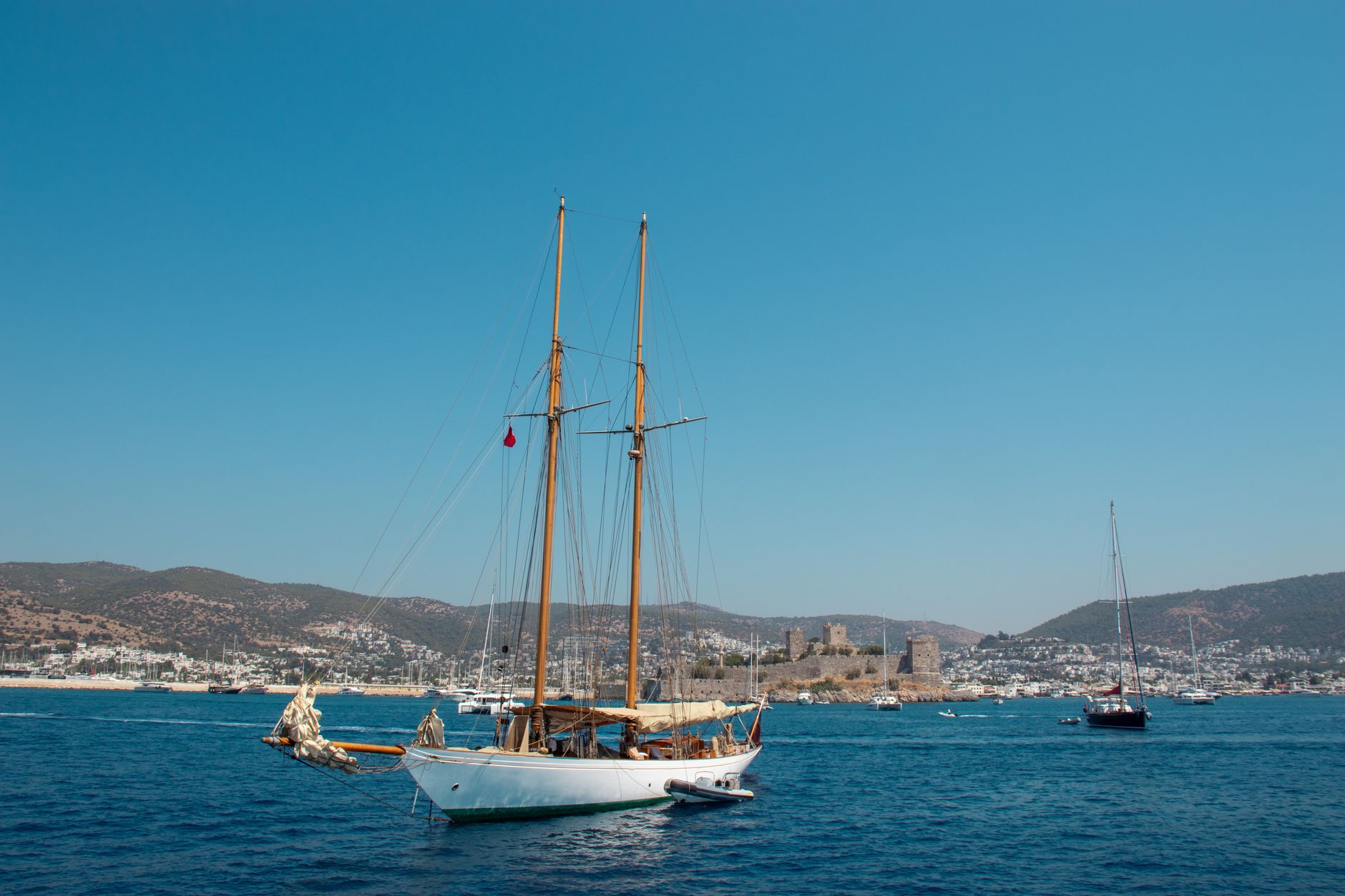
Head south and west, and the boats change character. Along the Aegean and Mediterranean, the traditional wooden caique — a broad, sturdy, often brightly painted vessel — remains the star of coastal life. Many have been converted from fishing or sponge-diving boats into excursion vessels, and a day aboard one is a highlight of any Turkish seaside holiday.
From Bodrum, Marmaris, Fethiye, and Kaş, these boats run daily boat trips (often called tekne turu) to hidden bays, islands, and snorkelling spots. The classic format is simple and generous: you sail out in the morning, anchor in a series of turquoise coves, swim, eat a home-cooked lunch grilled on board, and sail home as the light softens. Prices are modest and negotiable in shoulder season, and the vibe is gloriously unhurried.
For a truly nostalgic ride, seek out the older wooden boats rather than the sleek modern cruisers. You can often spot them by their varnished timber hulls, canvas awnings, and captains who have been sailing the same route for decades. Some family-run boats in Bozburun, Datça, and the Gökova Gulf offer multi-day blue cruises on traditional gulets — the ultimate slow travel, where the itinerary is dictated by wind, appetite, and whim.
On the Black Sea coast, around Amasra and Sinop, small wooden boats and sturdy little coasters still ferry passengers and goods between harbours. These are less polished, more workaday boats — and all the more charming for it. Ask at the local iskele (pier) about scheduled services; timetables are often handwritten on a board by the tea house.
Ferries of the Marmara, Aegean Islands, and Beyond
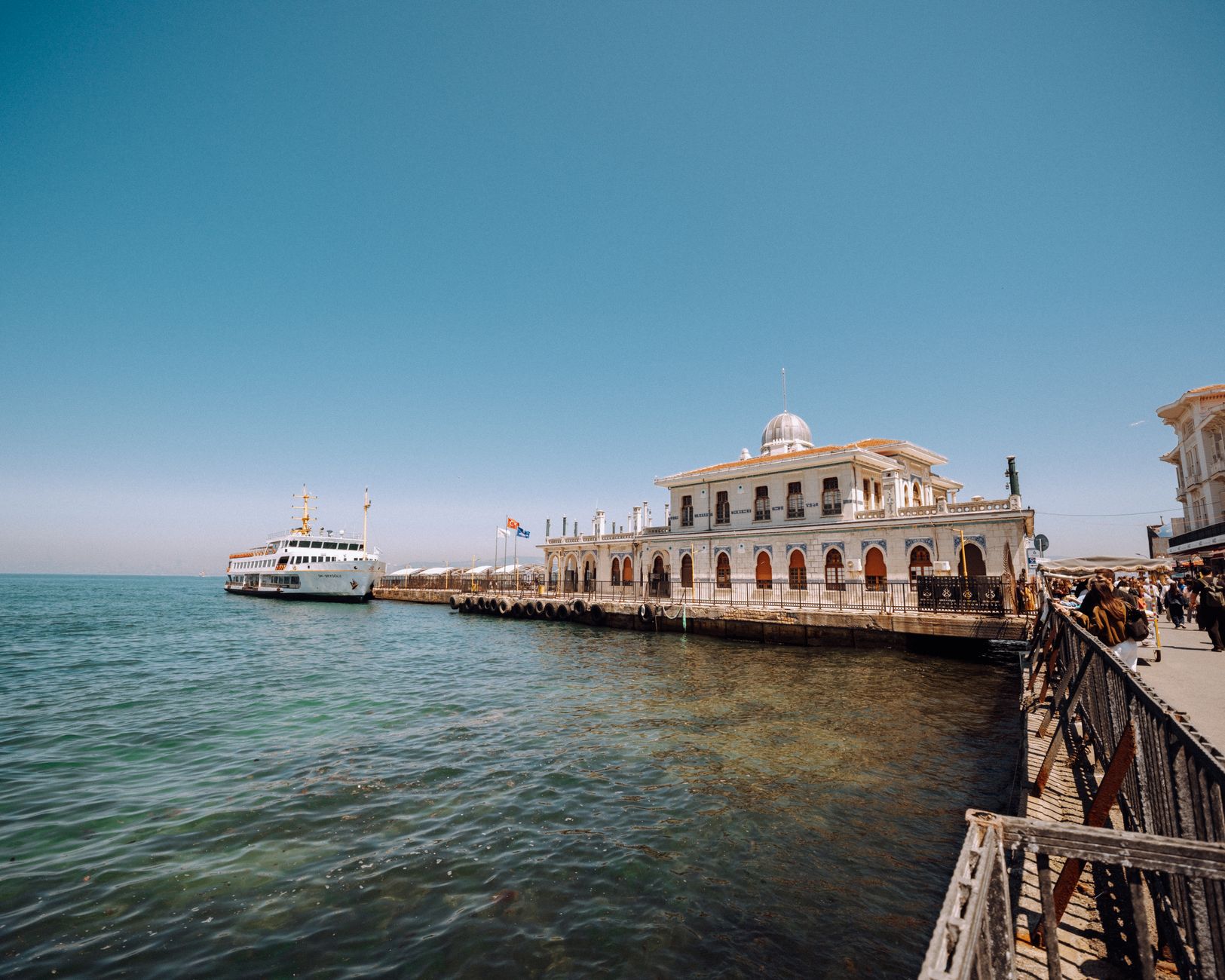
Türkiye's ferry network reaches far beyond Istanbul. In the Sea of Marmara, ferries link Yalova, Bandırma, and Tekirdağ with Istanbul, carrying passengers and cars across the water in a tradition that predates the bridges. The İDO (Istanbul Deniz Otobüsleri) fast catamarans are modern, but on certain routes you can still find slower, older vessels that give you time to watch the islands rise from the haze.
From the Aegean port of Çeşme, ferries cross to the Greek island of Chios; from Kuşadası, boats head to Samos; from Bodrum, to Kos. These international hops use a mix of modern and older ferries, and the slower crossings — with their salt-sprayed decks and duty-free tea — feel wonderfully retro. Check seasonal schedules carefully, as island routes often run only from spring to autumn.
For a local's-eye view, take a Marmara island ferry to Büyükada, Heybeliada, or Burgazada from Bostancı or Kabataş. On the Princes' Islands, cars are banned, so the boat is the gateway to a world of pine trees, horse-drawn carriages, and Victorian-era wooden houses. The crossing takes about an hour and costs almost nothing — a perfect budget day trip that feels a century away from the city.
Farther east, along the Mediterranean, ferries and coasters connect Mersin, Taşucu, and the Turkish Republic of Northern Cyprus. These are longer overnight or half-day crossings on larger vessels — less quaint, but still an adventure, and a reminder that Türkiye's maritime reach stretches across the eastern Mediterranean.
Why These Old Boats Are a Budget-Friendly Scenic Treat
Compare the cost of a Bosphorus ferry with a commercial sightseeing cruise and the difference is startling. A standard Şehir Hatları crossing costs the equivalent of a few Turkish lira — often less than a sandwich — while private tourist boats charge many times more for the same water and the same views. On the Aegean, a full-day caique trip with lunch included typically costs a fraction of a comparable excursion in Western Europe.
Beyond price, these boats offer something money struggles to buy: authenticity. You share the deck with commuters heading to work, grandmothers carrying shopping bags, students strumming guitars, and fishermen mending nets. The tea is strong, the seats are worn smooth, and nobody is trying to sell you anything except perhaps a boiled sweet. It is travel as it used to be — slow, social, and generous.
The scenery, meanwhile, is world-class. From the Bosphorus you see Ottoman palaces, Byzantine walls, and modern towers stacked like a timeline. From an Aegean caique you see pine-clad cliffs plunging into water so clear the boat seems to float on air. And because these vessels move slowly and sit low in the water, you experience the landscape intimately — not as a backdrop, but as an embrace.
Finally, riding old boats is a way to support the communities and families who keep them running. Every ticket bought helps justify the maintenance of a wooden hull or the refit of a vintage engine. Türkiye's maritime heritage survives not through government decree alone, but through ordinary people choosing, day after day, to step aboard.
Practical Tips for a Nostalgic Voyage
Money and tickets: In Istanbul, get an Istanbulkart from any kiosk or machine and load it with credit — it covers ferries across the network. For Aegean boat trips, bring cash (Turkish lira) and confirm whether lunch and entrance fees are included. Prices are often quoted per person and can be negotiated slightly in low season.
Timing: Ferries and excursion boats run year-round in Istanbul, but Aegean and Mediterranean boat trips are largely seasonal, roughly April to October. Shoulder months (May, June, September, early October) offer warm water, fewer crowds, and softer prices. Always check the day's timetable at the pier or online — schedules change with weather and demand.
What to bring: Sunscreen, a hat, a light layer for the breeze, swimwear for caique trips, and a sense of patience. On Istanbul ferries, grab a simit and a tea; on longer Aegean trips, expect a freshly grilled lunch. A small towel and dry bag for your phone are wise on any boat where swimming is on the agenda.
Etiquette: Offer your seat to elders, don't hog the rail during a busy crossing, and greet the captain when you board a small family boat. A few words of Turkish — merhaba (hello), teşekkürler (thanks) — go a long way and are usually met with warm smiles and perhaps an extra glass of tea.
Accessibility: Main Istanbul ferry piers are generally step-free or have ramps, and modern vessels have accessible toilets. Older wooden boats and caiques vary; if you have mobility needs, ask at the pier before buying a ticket, and staff are usually happy to help you board safely.
Keeping the Maritime Flame Alive
Türkiye's old boats survive because people love them. In Istanbul, heritage ferries are restored and returned to service for special occasions; maritime museums in Bodrum, Istanbul, and Çeşme celebrate the country's seafaring past; and boatyards along the Aegean still build and repair wooden vessels using techniques passed down through generations. The vapur and the caique are not curiosities — they are living culture.
For the traveller, this means something precious: the chance to ride a piece of history without it being staged. When you feel the engine shudder to life, hear the horn echo across the water, and watch a city or a coastline unfold from the deck, you are part of a story that stretches back centuries. It is nostalgic, yes — but it is also gloriously, stubbornly present.
So next time you are in Türkiye, skip the taxi and the tour bus for a day. Find the nearest iskele, buy a ticket, and climb aboard an old boat. Order a tea, lean on the rail, and let the water do the rest. The views, the price, and the gentle rhythm of the engine will remind you why the simplest journeys are often the ones we remember longest.
Thinking about a trip to Turkey?
Share your contact details and a vetted local expert will follow up with a plan built around you — free, no obligation.