

The Kahvehane: Türkiye's Living Room
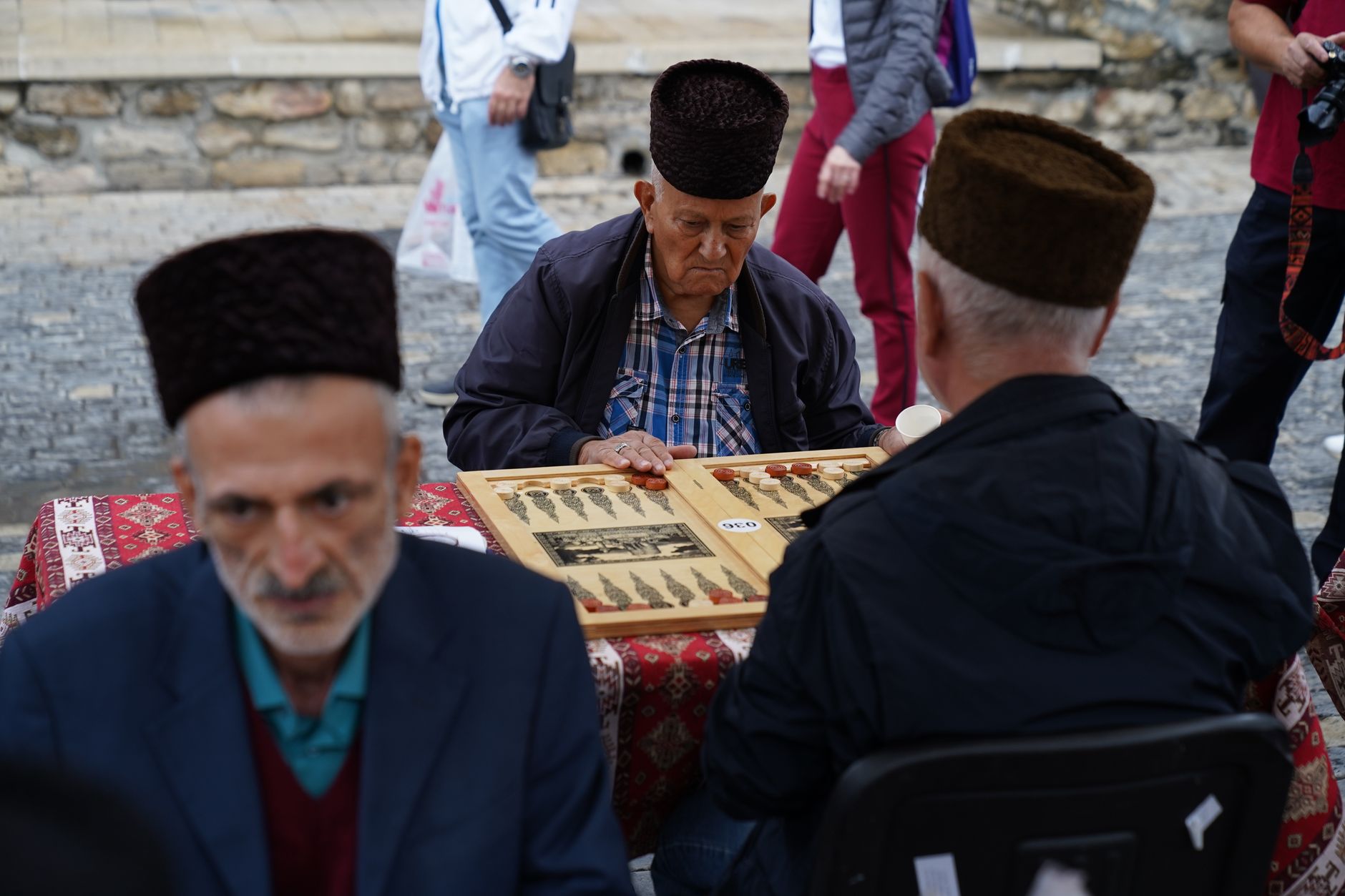
Step into any Turkish kahvehane and you step into the pulse of the neighborhood. These are not fancy cafés with laminated menus and Wi-Fi passwords; they are plain, honest rooms where men (and increasingly, mixed groups) gather to sip tea, slap down backgammon pieces, argue about football, and watch the world go by. The kahvehane is Türkiye's original social network, and it has been connecting people for centuries.
The word itself tells a story: kahve means coffee, and hane means house. Coffeehouses arrived in Istanbul in the 16th century, shortly after coffee itself, and they spread like wildfire through every town and village. Even as tea dethroned coffee as the everyday drink, the name stuck. Today the kahvehane remains a place of ritual, companionship, and unhurried time.
For travelers, these humble establishments offer something no museum can: a front-row seat to ordinary Turkish life. You don't need a reservation, a guide, or a word of fluent Turkish. You need curiosity, a little patience, and a willingness to sit still while the afternoon unfolds around you.
Why Riverbank Kahvehanes Are Special
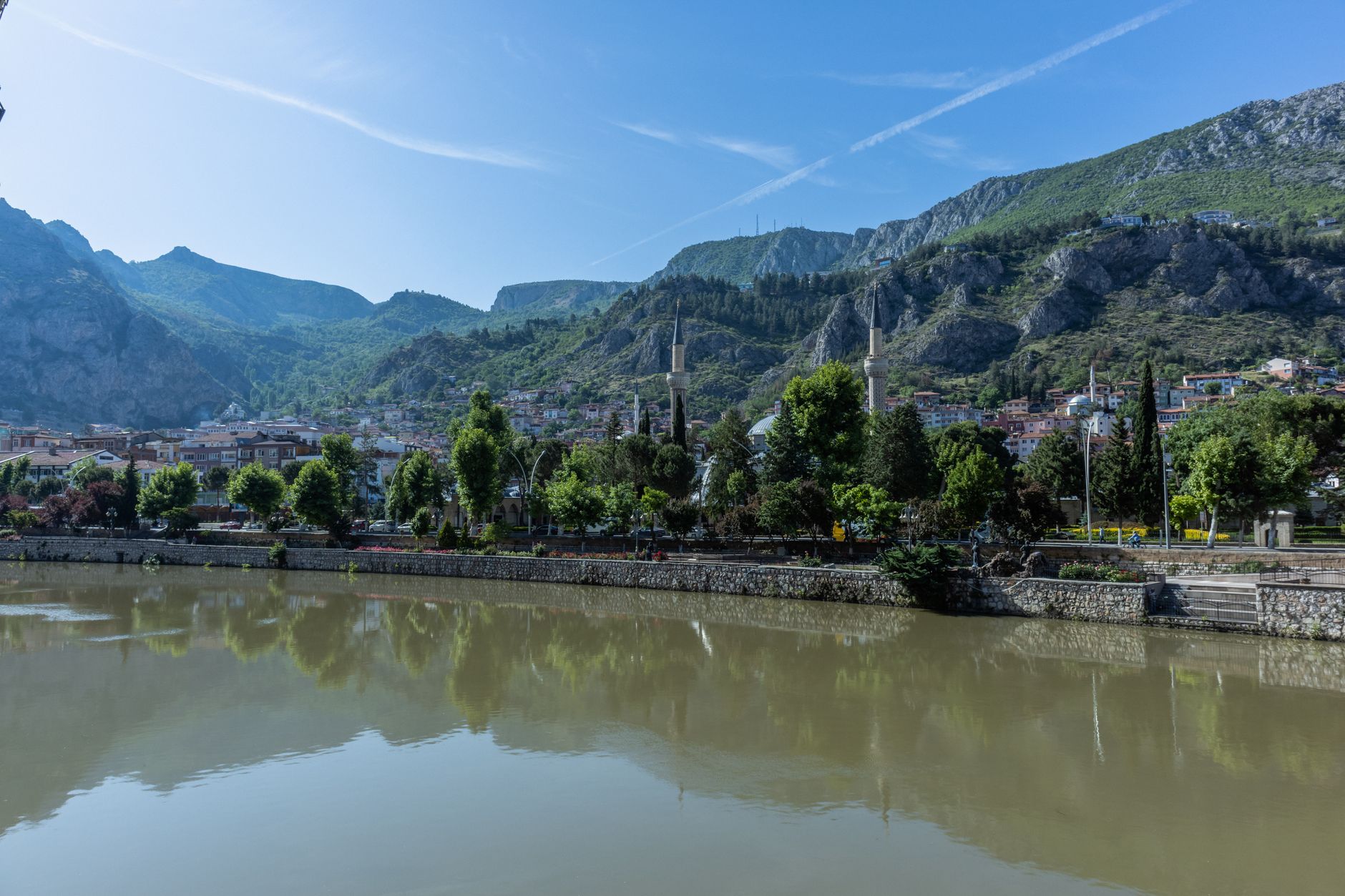
Some of the most atmospheric kahvehanes in Türkiye sit beside water. In towns along the Yeşilırmak, the Kızılırmak, the Sakarya, or the many streams that thread through Anatolia, you'll find tea gardens and coffeehouses perched on riverbanks, shaded by plane trees, with wooden tables and rickety chairs facing the current. The sound of water, the clink of tea glasses, and the rustle of backgammon dice create a soundtrack that feels timeless.
These riverside spots are often called çay bahçesi (tea garden) rather than kahvehane, but the spirit is the same. They come alive in the late afternoon, when the heat softens and people drift in after work or errands. Old men claim the shady tables; students linger over a single glass of tea; friends challenge each other to game after game of tavla.
What makes riverbank kahvehanes so appealing is the natural pacing. A river doesn't rush, and neither does anyone here. You're not expected to order and leave. You're expected to stay, to watch the light change on the water, to let conversation ebb and flow. This is the art of the slow Turkish afternoon, and the river is its perfect teacher.
The Rituals of the Table: Tea, Tavla, and Talk
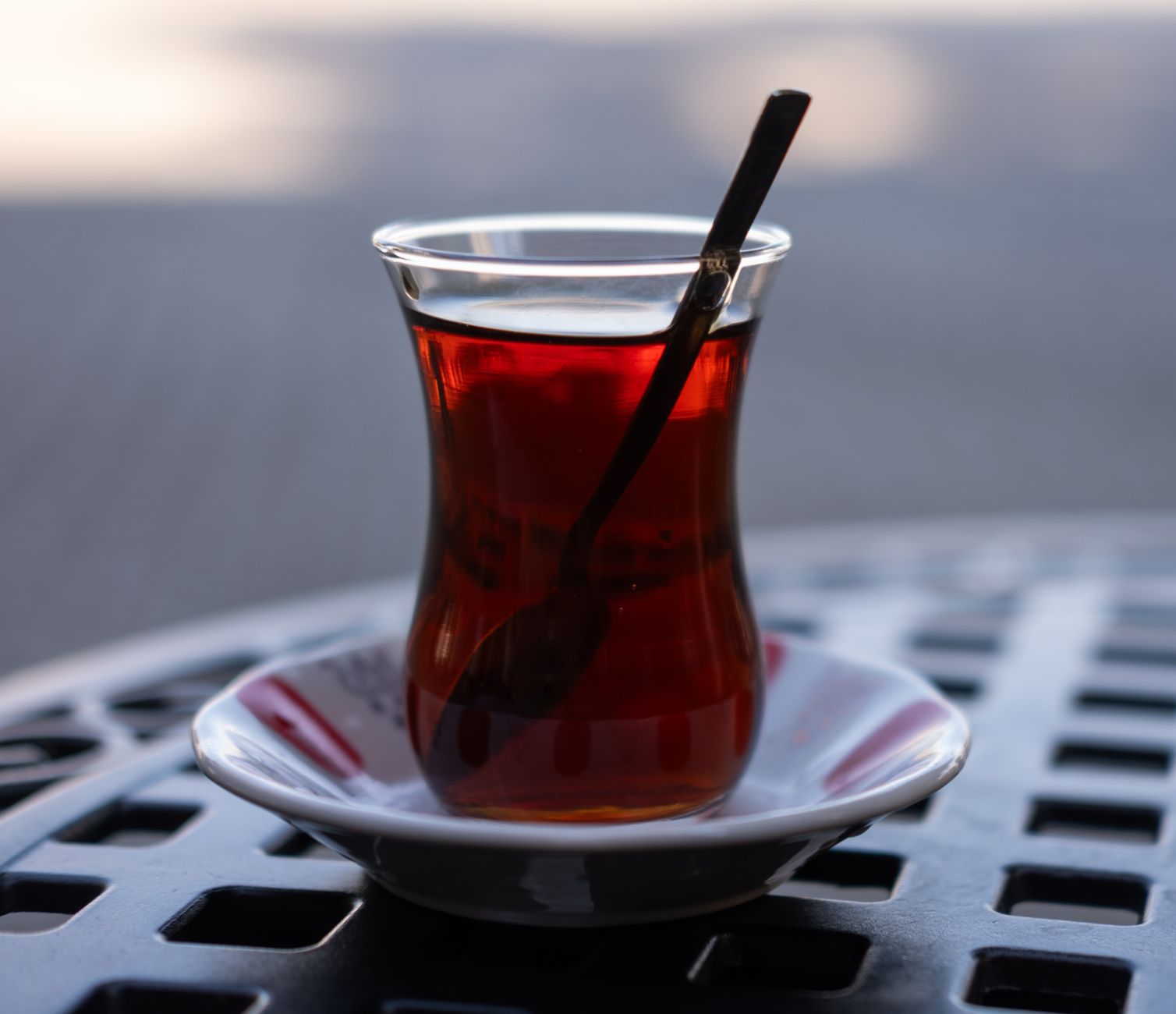
At the center of kahvehane life is tea — çay — served in small, tulip-shaped glasses on saucers. It arrives constantly, carried on large trays by a çaycı who weaves between tables with astonishing grace. You rarely have to order a second glass; the çaycı simply notices when yours is empty and replaces it. The tea is strong, dark, and usually taken with a cube or two of sugar. Sip it slowly. It's meant to be hot, fresh, and endless.
Then there's tavla, the Turkish version of backgammon. It's more than a game; it's a language. The sharp click of dice, the rapid-fire moves, the groans and laughter — tavla is how friendships are maintained and strangers become acquaintances. If you're invited to play, say yes. You'll likely lose, but you'll win something better: a shared hour and a story.
Conversation, of course, is the real currency. Topics range from politics to poetry, from last night's match to the price of tomatoes. Don't worry if you don't understand everything. Nodding, smiling, and asking simple questions go a long way. The point isn't the content; it's the company.
Polite Visiting: How to Behave in a Kahvehane
Kahvehanes are informal, but they have their own etiquette. Here are a few guidelines to help you feel at ease and show respect:
- Greet before you sit. A simple "Merhaba" or "Selam" as you enter is appreciated. If you're joining a table, greet each person individually.
- Don't take the best seat uninvited. The table with the best view or the most shade may be someone's habitual spot. Wait to be waved over.
- Order something. Even if you only want water, order a tea. It's inexpensive and supports the establishment.
- Don't interfere with a game. Watch quietly. If you're invited to play, accept graciously.
- Pay attention to shoes. In some rural kahvehanes, you may be asked to remove your shoes at the door. Follow the lead of others.
- Respect personal space. Tables are close together, but that doesn't mean you should eavesdrop loudly or lean over.
- Don't rush. Lingering is normal. Leaving immediately after finishing your tea can seem abrupt.
If you're unsure, just watch. The rhythm of the kahvehane is easy to pick up. People are generally forgiving of foreign visitors who make an effort.
Ordering and What to Expect
Ordering is refreshingly simple. In most kahvehanes, you'll find a short menu: tea (çay), Turkish coffee (türk kahvesi), herbal teas like sage (adaçayı) or linden (ıhlamur), and sometimes nargile (water pipe) in more urban or touristic spots. Food is often limited to simit, toast, or a few snacks, though some riverbank tea gardens offer light meals like gözleme or sandwiches.
Tea is the default. It's served in small glasses and costs very little — often just a few lira. Turkish coffee is thicker, stronger, and served with a glass of water and sometimes a piece of Turkish delight. If you're not sure what to order, just say "Bir çay, lütfen" (One tea, please).
Payment is usually made when you leave, not when you order. You can pay the çaycı or at the counter. Tipping is not expected in village kahvehanes, but rounding up is a kind gesture.
Small Gifts and Gestures That Delight Hosts
While you're not expected to bring anything, small gifts can open doors and hearts. Here are some ideas that are always appreciated:
- Turkish delight or chocolate. A box of good lokum or a bar of chocolate shared with the table is a instant icebreaker.
- Fresh fruit. In summer, a bag of cherries, figs, or apricots from a local market is a lovely offering.
- Souvenirs from your country. A keychain, a postcard, or a small pin from your hometown can spark curiosity and conversation.
- Nuts or seeds. Sunflower seeds (çekirdek) are the classic kahvehane snack. A packet to share is always welcome.
- A round of tea. Offering to pay for a round of tea for the table is a generous gesture that will earn you smiles.
When you offer a gift, do it casually and without expectation. The point is not to impress but to share. A simple "Bu sizin için" (This is for you) works fine.
Where to Find the Best Riverbank Kahvehanes
You don't have to go far to find a riverbank kahvehane. Almost every town with a river or stream has one. Here are a few regions and spots known for their atmospheric tea gardens:
- Amasya: The Yeşilırmak runs right through the city, and its banks are lined with tea gardens and kahvehanes. The setting, with Ottoman houses climbing the hills, is magical.
- Bursa: The Gökdere and Nilüfer streams have tea gardens, and the city's historic kahvehanes are worth seeking out.
- Eskişehir: The Porsuk River is the heart of the city, with plenty of riverside cafés and tea gardens, especially around the Adalar district.
- Ankara: The Kızılırmak doesn't flow through the center, but nearby towns like Güdül have charming riverbank spots.
- Istanbul: Although not a river city, Istanbul has many tea gardens along the Bosphorus and the Golden Horn that capture the same spirit. The çay bahçesi in Emirgan or Çengelköy are local favorites.
- Rural Anatolia: Any village with a stream will have a makeshift kahvehane under a tree. These are often the most authentic and welcoming.
To find them, ask locals: "Çay bahçesi nerede?" (Where is the tea garden?). They'll point you in the right direction, often with an invitation to join them.
The Art of Doing Nothing (Slowly)
The greatest gift of the kahvehane is permission to slow down. In a world obsessed with productivity, these places offer a radical alternative: sitting still, sipping tea, and letting time pass. You don't need to entertain yourself. The river, the birds, the backgammon dice, and the murmur of conversation are enough.
Embrace the boredom. Let your thoughts wander. Watch an old man feed the pigeons. Listen to a snippet of a story you'll never hear the end of. This is the slow Turkish afternoon, and it's not a waste of time — it's a way of being fully present.
As you leave, thank your hosts with a smile and a "Teşekkür ederim." You'll carry the calm with you long after the tea glasses are cleared.
Thinking about a trip to Turkey?
Share your contact details and a vetted local expert will follow up with a plan built around you — free, no obligation.