
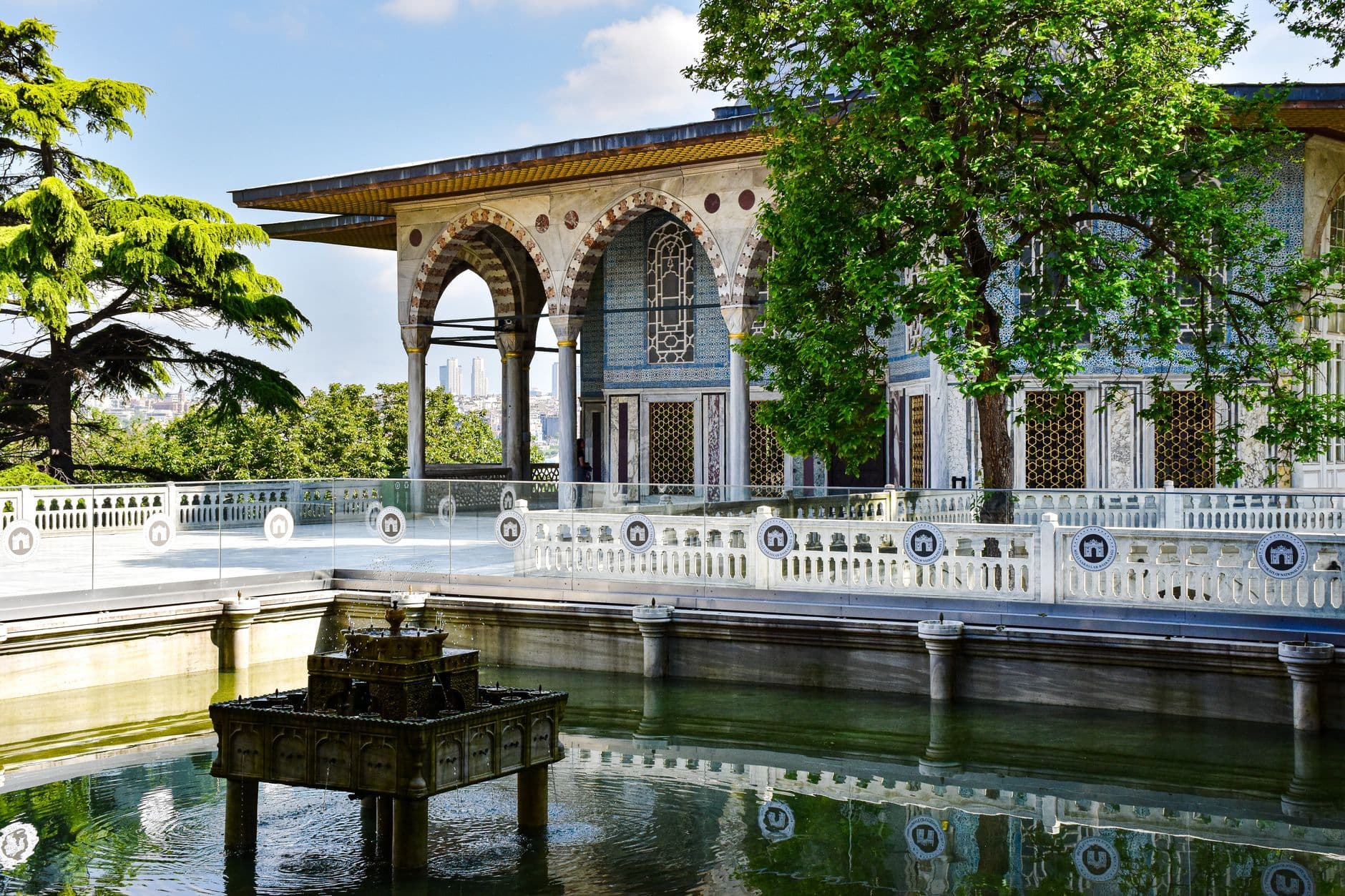
Where the Tea Flows Like a River: Türkiye's Riverside Çay Bahçesis
There is a particular kind of afternoon in Türkiye that seems to exist outside of time. It begins with the clink of a tiny glass against a saucer, the murmur of conversation blending with the rush of water over stones, and the dappled shade of a mulberry or plane tree. This is the çay bahçesi — the tea garden — and when it sits beside a river, it becomes something close to magic.
From the misty gorges of the Black Sea to the sun-baked foothills of the Taurus Mountains, riverside tea gardens are the living rooms of the nation. They are where old friends solve the world's problems over endless glasses of demlik çayı (pot-brewed tea), where students study with their books propped against a saucer, and where travelers are welcomed with a smile and a chair pulled up to the water's edge. The pace is slow, the prices are gentle, and the experience is unforgettable.
In this guide, we'll wander through the most evocative riverside tea gardens, share practical tips for finding them, and explain the gentle etiquette that turns a simple cup of tea into a moment of connection. Whether you're a seasoned traveler or a first-time visitor, these slow afternoons will stay with you long after you've returned home.
The Black Sea: Mist, Green Valleys, and Tea by the Rushing Water
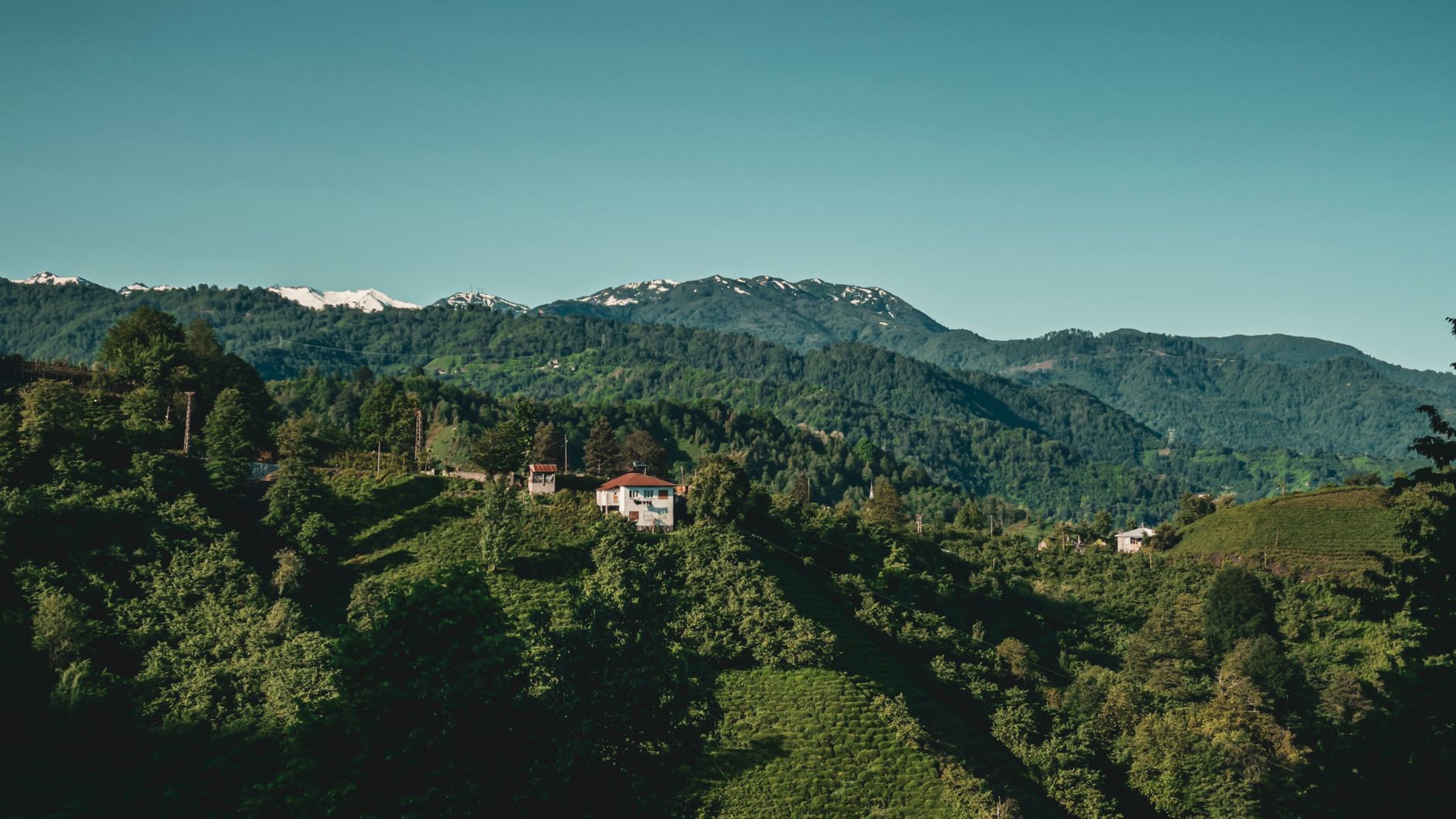
The Black Sea region is Turkey's tea heartland — and its rivers run fast and cold, fed by mountain springs and frequent rain. Here, riverside tea gardens are often simple wooden platforms built over the water, with mismatched chairs and tables covered in checkered cloths. The air smells of wet earth and pine, and the tea is strong, dark, and served with a lump of sugar on the side.
In the valleys around Rize and Artvin, you'll find gardens clinging to the banks of the Çoruh or the Fırtına River, where the water is so clear you can count the stones. Locals come here after work to play okey (a tile game) or to simply stare at the water, sipping tea from the characteristic tulip-shaped glass. The sound of the river is a constant companion, and the mist often rolls down from the mountains, wrapping the garden in a soft, grey embrace.
Don't miss the tea gardens along the Çamlıhemşin road, where the Fırtına River rushes beneath wooden bridges. Many are family-run, and the serander (traditional granary) nearby adds a rustic charm. In summer, the gardens are lush with hydrangeas and ferns; in autumn, the leaves turn gold and the air is crisp. Always, the tea flows.
For a glimpse of this region's beauty, see our destinations guide, which highlights the Black Sea's hidden corners.
The Taurus Foothills: Sun-Dappled Gardens and Mountain Streams
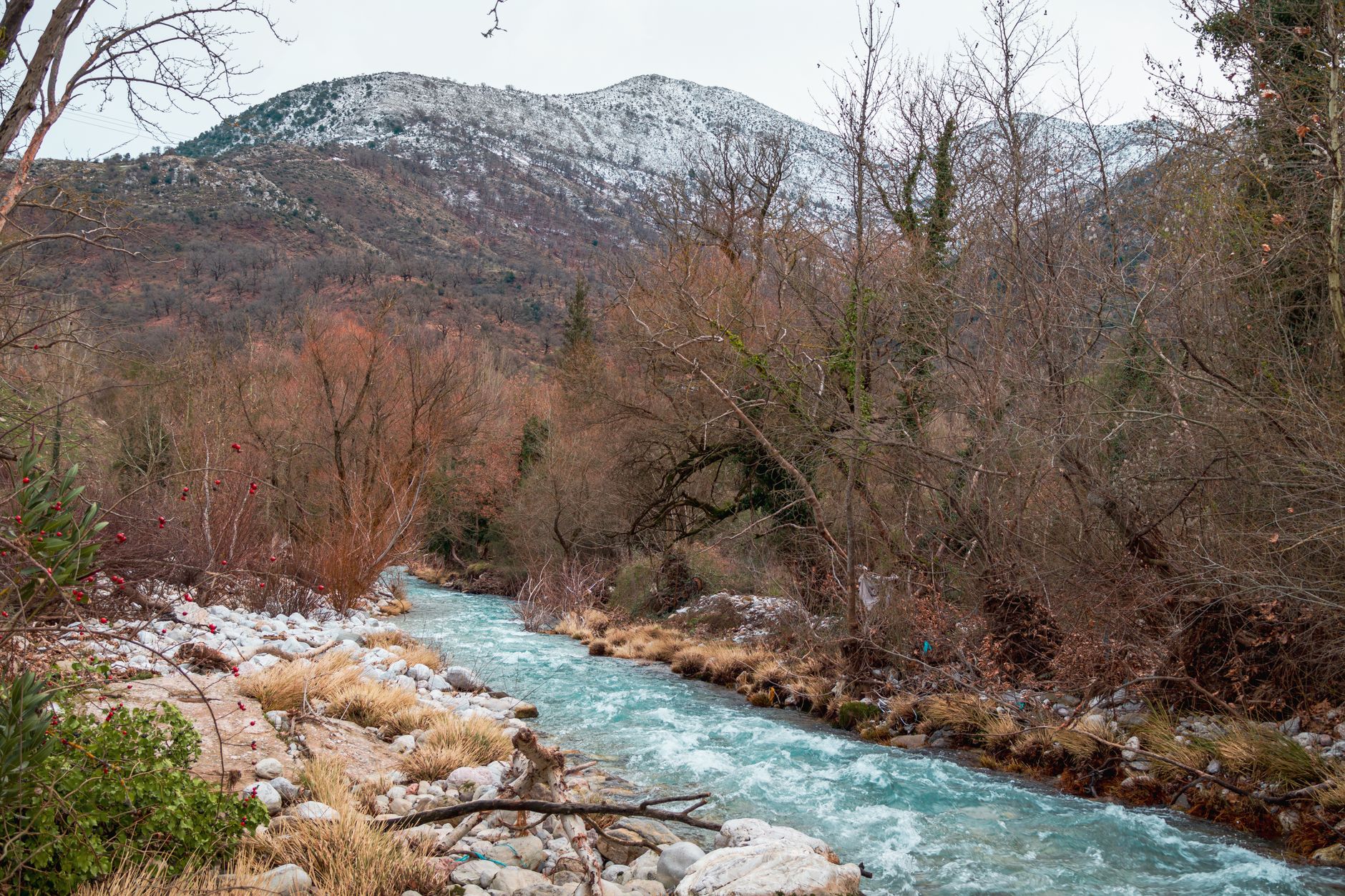
As you move south, the landscape changes. The Taurus Mountains rise sharply from the Mediterranean coast, and their foothills are crisscrossed with streams that run cold and clear even in the heat of summer. Here, riverside tea gardens are often shaded by weeping willows and fig trees, and the pace is even slower than in the north.
In the villages around Antalya and Mersin, you'll find gardens tucked away beside mountain streams, where the water is channeled into small pools and the tables sit right on the bank. The tea is served with fresh mint or a slice of lemon, and the local gözleme (stuffed flatbread) is often cooked on a saucer-shaped griddle nearby. The sound of the stream is a gentle lullaby, and the afternoon sun filters through the leaves, casting dancing patterns on the table.
One of the most charming spots is along the Dim Çayı near Alanya, where a series of tea gardens and restaurants line the river. You can sit on a platform over the water, dip your feet in the cold stream, and order endless glasses of tea. It's a favorite with locals and travelers alike, especially on weekends.
Further inland, the Göksu River winds through the Taurus foothills, and small tea gardens dot its banks. Here, you might find yourself the only foreigner, welcomed with curious smiles and a complimentary glass of tea.
Finding Your Riverside Çay Bahçesi: Practical Tips
Riverside tea gardens are not always marked on maps, but they are easy to find if you know what to look for. Here are some tips:
- Follow the water: Any town or village with a river or stream is likely to have at least one tea garden along its bank. Look for clusters of trees, colorful chairs, and the telltale sign of a çay ocağı (tea house).
- Ask locals: The best gardens are often the ones that don't advertise. Ask a shopkeeper or a waiter where they go for tea on a day off.
- Look for the çay sign: Many gardens have a simple sign with the word çay or bahçe (garden). Sometimes it's just a painted board or a handwritten note.
- Timing is everything: Afternoons (from 3 pm to sunset) are the most lively, but mornings can be peaceful. Avoid Friday prayers (around noon) when some gardens close briefly.
- Transport: In cities, you can often reach riverside gardens by dolmuş (shared minibus) or a short taxi ride. In rural areas, having your own car or hiring a driver is helpful. For more on getting around, see our travel tools.
Remember that many gardens are seasonal — they may close in winter or operate on reduced hours. Summer (June to September) is the best time to enjoy them.
Etiquette and Ordering: How to Blend In
Turkish tea garden etiquette is gentle and forgiving, but a few small gestures will endear you to the owner and fellow patrons.
Ordering Your Tea
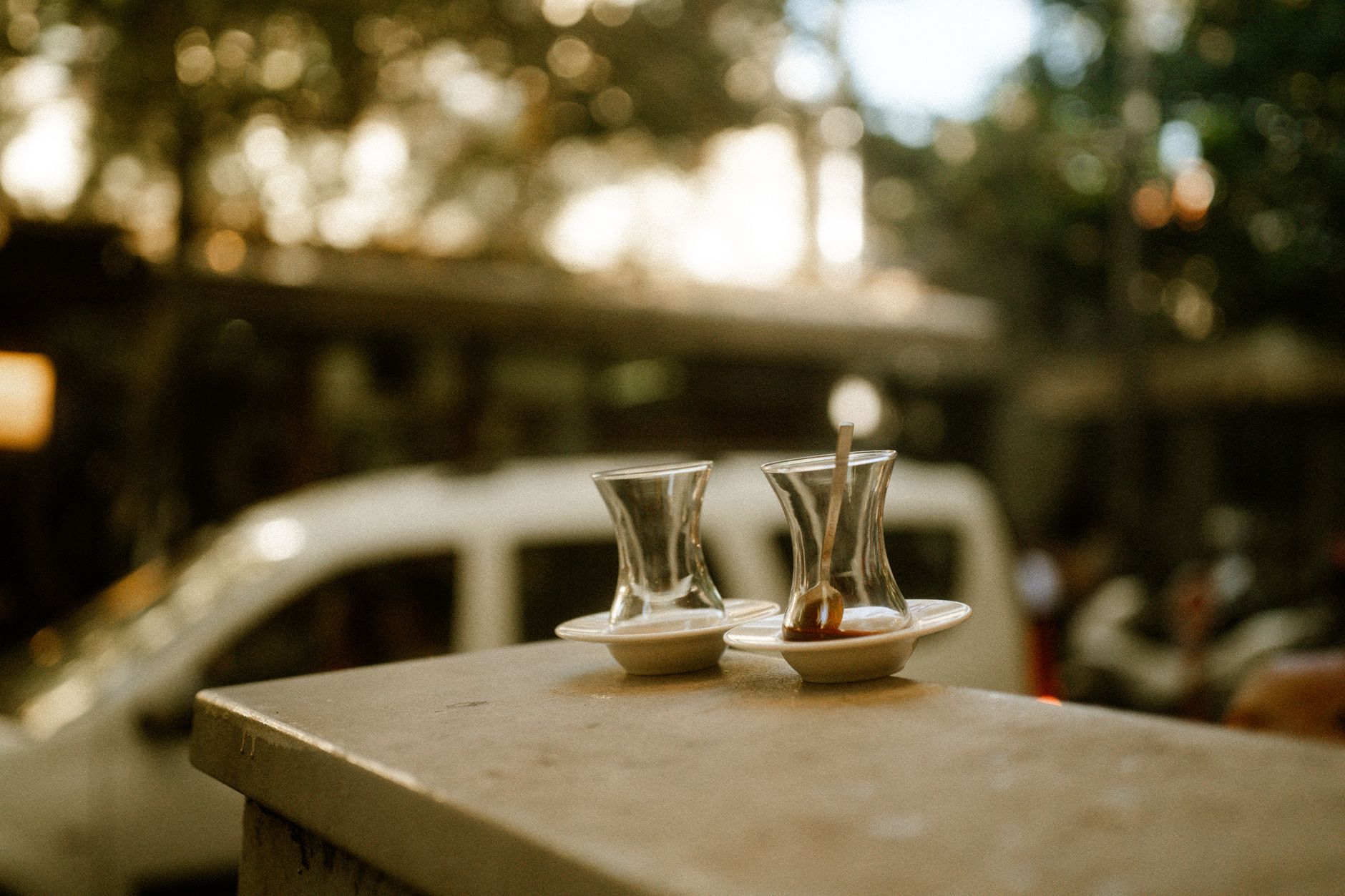
When you sit down, a waiter will usually appear quickly. You can order çay (tea) and specify if you want it açık (light) or demli (strong). It's common to order a fincan (cup) or a bardak (glass). The tea arrives on a small saucer with a sugar cube or two. You may also be offered bitki çayı (herbal tea) or kahve (Turkish coffee), but tea is the default.
Etiquette Tips
- Wait to be seated: If the garden is busy, wait for the waiter to show you to a table. Don't just grab a chair.
- Sugar: Sugar is served on the side. Drop the cube into the glass and stir gently. Don't ask for milk — it's not customary.
- Refills: Your glass will be refilled without asking, often before it's empty. To decline more, place your spoon across the top of the glass or say yeter (enough).
- Paying: You pay at the end. It's polite to leave a small tip (5-10%) if you're happy with the service.
- Sharing: It's common to share tables with strangers. A nod and a merhaba (hello) is enough. Don't be surprised if someone offers you a taste of their food.
For more on Turkish customs, see our FAQ.
Comfort, Affordability, and the Gentle Pace
One of the great joys of riverside tea gardens is how affordable they are. A glass of tea typically costs 5-10 TL (less than $1), and a simple meal like tost (grilled cheese sandwich) or simit (sesame bagel) is similarly cheap. This means you can linger for hours without worrying about the bill.
The comfort is simple but profound: a shaded seat, the sound of water, and the warmth of the sun on your skin. Many gardens have cushioned benches or hammocks, and some even have sedir (traditional wooden platforms) where you can stretch out. The pace is unhurried — waiters won't rush you, and you're welcome to stay as long as you like.
This slow afternoon culture is a balm for the traveler accustomed to rushing. Here, time is measured in glasses of tea, not minutes. You might find yourself talking with a retired teacher about politics, or simply watching the water flow by. It's a chance to recharge, to write in your journal, or to do nothing at all.
Beyond the Tea: Food and Sights Along the Way
Riverside tea gardens often serve more than tea. In the Black Sea region, you might find muhlama (a gooey cheese and cornmeal dish) or fresh trout from the river. In the Taurus foothills, look for köfte (meatballs) and mantı (dumplings). Many gardens allow you to bring your own food, but it's polite to order at least a tea or snack.
Combine your tea garden visit with nearby sights. In the Black Sea, explore the Ayder Plateau or the Sumela Monastery. In the Taurus, hike in the Köprülü Canyon or visit the ancient city of Termessos. Our routes section can help you plan a scenic drive that includes these gems.
For a deeper dive into Turkish food culture, see our Guides.
Final Sip: Why These Afternoons Matter
In a world that often moves too fast, Turkey's riverside tea gardens offer a gentle reminder to slow down. They are places of democracy and warmth, where everyone is equal over a glass of tea. The river flows on, the tea is refilled, and the afternoon stretches into evening. It's a simple pleasure, but one that lingers in the memory.
So next time you're in Türkiye, seek out the sound of water and the clink of tea glasses. Pull up a chair, order a çay, and let the afternoon unfold. You'll understand why the Turks call tea "the drink of friendship."
Thinking about a trip to Turkey?
Share your contact details and a vetted local expert will follow up with a plan built around you — free, no obligation.