

Why Picnicking Is Türkiye's Favorite Weekend Ritual
In Türkiye, the picnic — piknik — is not a novelty. It is a deeply rooted national pastime, passed down through generations and practiced with almost ceremonial devotion. On any given weekend from April to October, you will find families hauling folding tables, thermoses of tea, and enormous trays of food to riverbanks, lakeshores, and forest parks outside every major city. The ritual is simple: find shade, spread a cloth, boil water for çay, and let the day unfold slowly.
For international visitors, joining this tradition is one of the most rewarding and inexpensive ways to experience everyday Turkish life. You do not need a tour, a reservation, or a hefty budget. You need a picnic blanket, a few fresh ingredients, and a willingness to wake up early enough to claim a good spot under a tree. The payoff is a day of grilled sucuk, cold watermelon, children playing by the water, and conversations that stretch long past lunch.
What makes Türkiye particularly special is the sheer variety of green escapes within a short drive of its biggest cities. Whether you are based in Istanbul, Ankara, İzmir, or Antalya, you are rarely more than an hour from a river valley, a lake, or a forested mesire alanı — a designated picnic and recreation area maintained by the local municipality or the forestry service.
"A Turkish picnic is not about eating. It is about sitting," a friend from Bursa once told me. "The food is just the excuse to stay longer."
Riverside and Lakeside Spots Near Istanbul
Istanbul may be a megacity of 16 million, but it is ringed by green corridors that feel surprisingly wild. The most beloved family escape is the Belgrad Forest (Belgrad Ormanı), a vast oak and chestnut woodland just north of the city center. Within it, the Bentler area offers shaded picnic tables beside historic Ottoman-era dams, where you can grill, walk, and let kids run freely. Arrive before 9 a.m. on weekends; by 10, the parking fills up.
Further out, the Göksu River in Beykoz is a classic. The riverbank near Anadolu Hisarı has tea gardens, boat rentals, and calm water where ducks and children compete for space. A little upstream, the Küçüksu area offers a more polished setting beside the small Ottoman palace, with manicured lawns and cafés if you forget your picnic basket.
On the European side, the Kağıthane River has been transformed in recent years into a landscaped promenade with walking paths and picnic lawns, an easy metro ride from Taksim. For a full-day trip, head to Şile on the Black Sea coast, where the Şile River meets the sea and forested picnic areas line the road. The drive takes about 90 minutes, but the cool air and freshwater springs make it worth the trip.
If you have a car, consider Polonezköy, a Polish village founded in the 19th century inside a forest. Its picnic areas are clean, quiet, and surrounded by trails where you can walk off your lunch. Many families stop at the village bakery for köy ekmeği — rustic village bread — before finding a table.
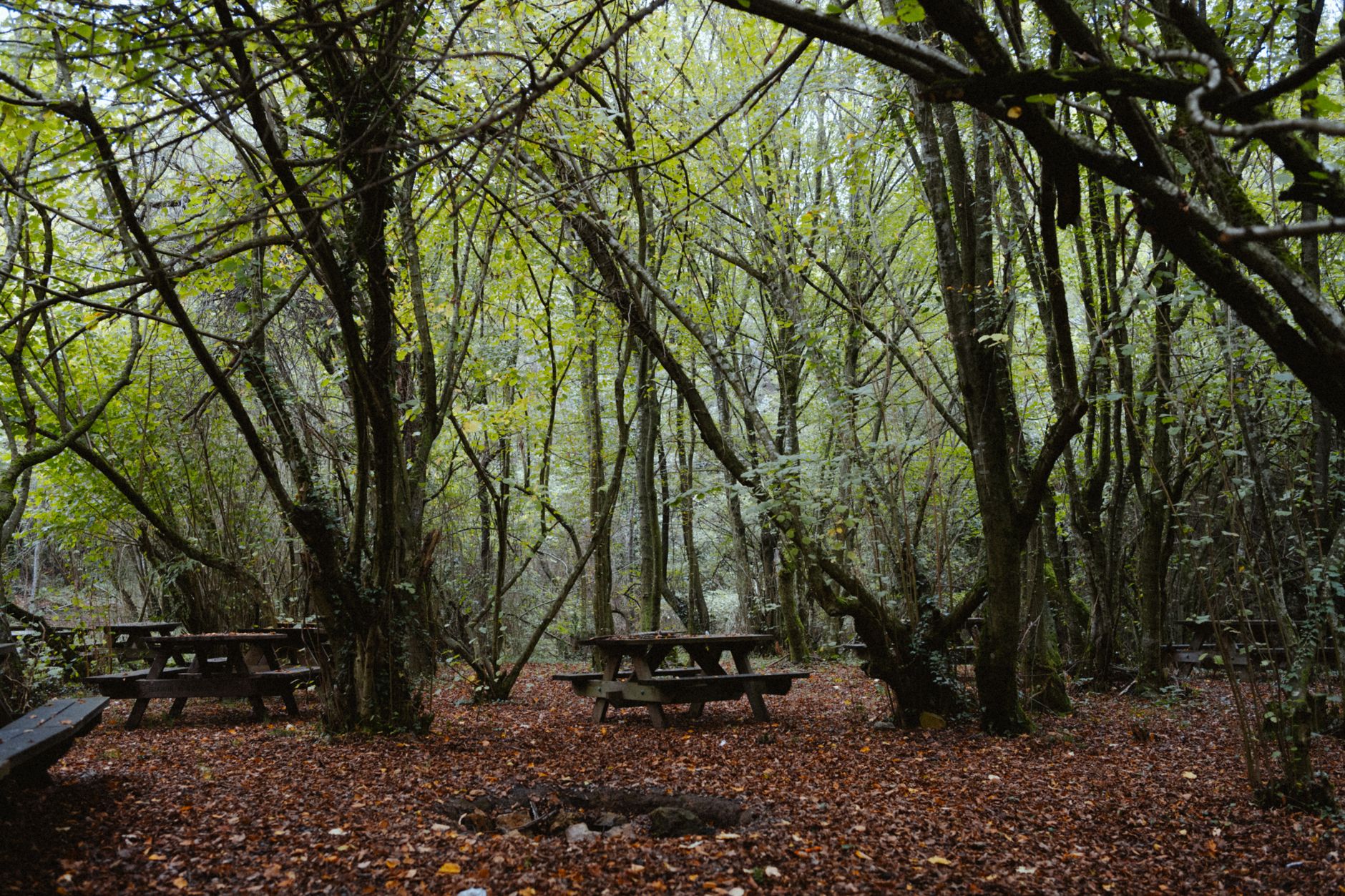
Ankara's Green Escape: Lakes, Dams, and Forest Parks
Ankara is often described as steppe-like and dry, but locals know better. The city is surrounded by dam lakes and forested recreation areas that fill with picnic blankets every weekend. The most famous is Eymir Lake (Eymir Gölü), managed by Middle East Technical University. Its 7-kilometer walking and cycling loop, shaded by willow and poplar trees, is perfect for families. You can picnic on the grassy shore, rent a bike, or simply watch rowers glide across the water.
Just beyond the city, Gölbaşı district is home to Mogan Lake, a shallow freshwater lake with reed beds and birdlife. The surrounding mesire alanı has picnic tables, barbecue grills, and playgrounds. It is a favorite for extended families who arrive with multiple cars and enough food to feed a small army.
For a forest experience, head to Kızılcahamam, about 70 kilometers north of Ankara. The Soğuksu National Park is a pine-covered wonderland with cold springs, walking trails, and picnic areas tucked between the trees. The air is noticeably cooler, making it a popular summer escape. On the way, stop in the town of Kızılcahamam for its famous thermal springs and local honey.
Closer to the city, the Atatürk Orman Çiftliği (Atatürk Forest Farm) is an oasis of green within Ankara itself. It has picnic areas, a zoo, a small farm, and even a brewery that produces the city's beloved Ankara beer. It is an easy, car-free option for families without a vehicle.
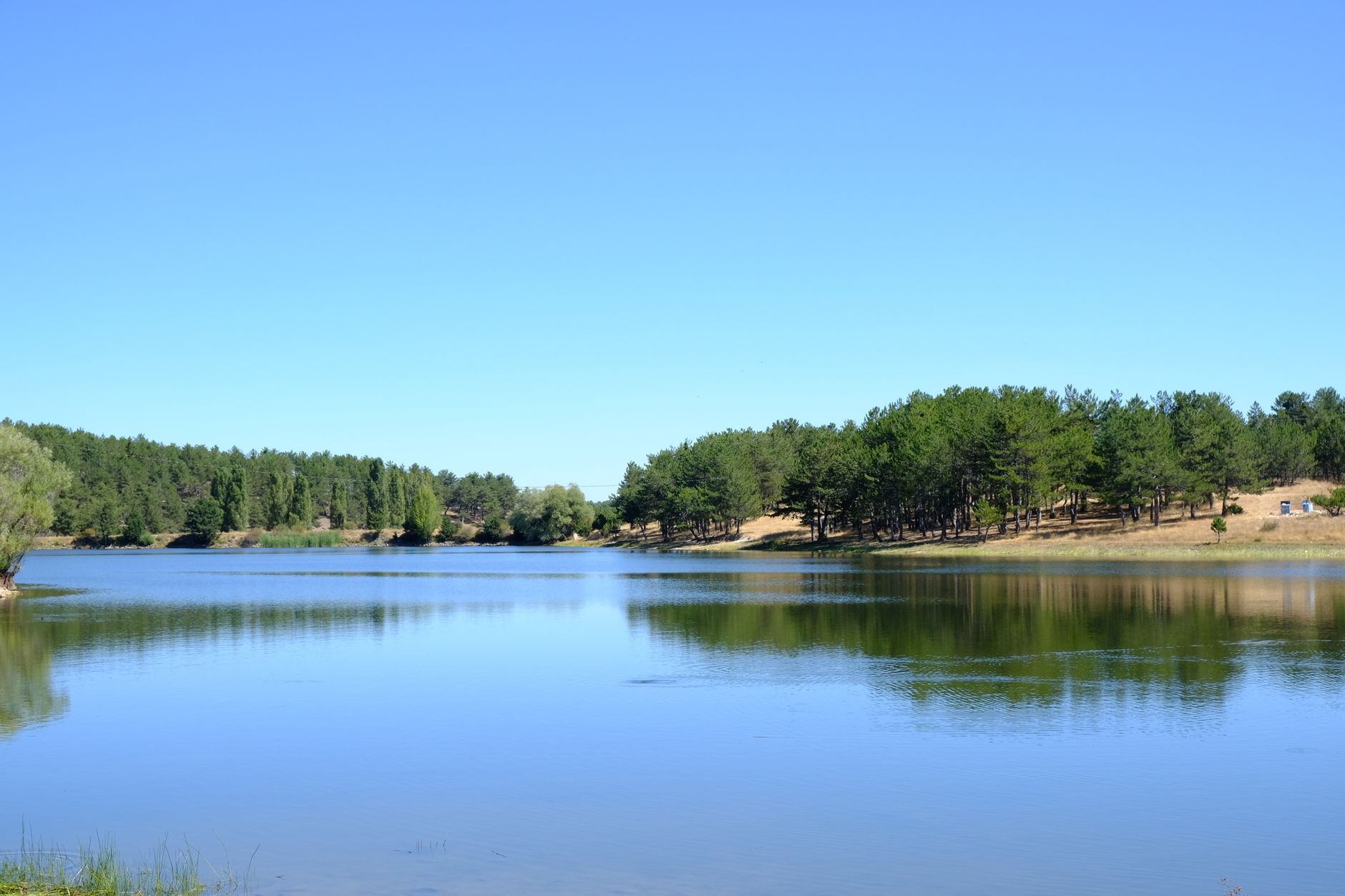
İzmir and the Aegean: River Valleys and Coastal Picnics
İzmir enjoys a Mediterranean climate that stretches picnic season from early spring to late autumn. The city itself has Kültürpark, a large central park with lawns, cafés, and shade trees, but the real magic lies just outside. Head south to Şirince, a hillside village near Selçuk, where you can picnic among olive groves and vineyards, then buy fruit wine and handmade jam from local women.
The Gediz River delta, north of İzmir, is a protected wetland and bird sanctuary. While much of it is reserved for wildlife, the surrounding areas have picnic spots where you can watch flamingos and pelicans through binoculars. It is a quieter, more nature-focused day out, popular with birdwatchers and photographers.
For a classic family picnic, drive to Çeşme or Urla on the Aegean coast. Both towns have coastal parks with picnic tables, calm bays for swimming, and seafood restaurants if you prefer to eat out. The Urla Bağ Yolu (Urla Vineyard Route) is dotted with wineries and farm-to-table cafes where you can buy fresh cheese, olives, and bread before finding a spot by the sea.
Inland, the Küçük Menderes River valley offers rural picnic areas near Tire and Ödemiş, where you can eat under mulberry trees and watch farmers tend their fields. It is a slower, more agricultural side of the Aegean that most tourists miss.
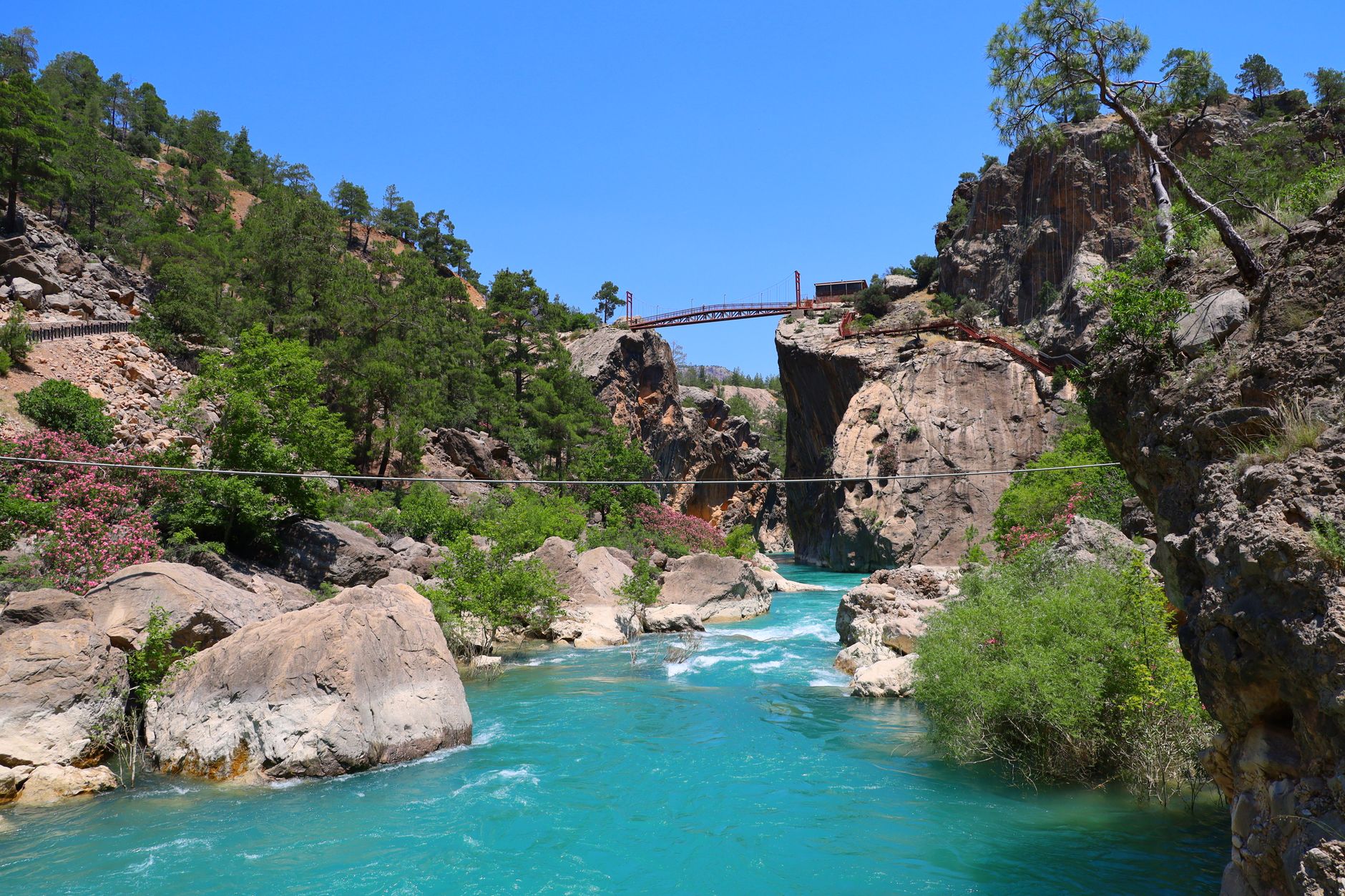
Antalya: Where Rivers Meet the Mediterranean
Antalya is blessed with both sea and mountains, and its rivers — the Köprüçay, Manavgat, and Aksu — create some of the most beautiful picnic settings in Türkiye. The Köprülü Canyon National Park, about 90 minutes from the city, is a dramatic gorge where the Köprüçay River rushes over rocks. Picnic areas line the riverbank, and you can combine lunch with rafting, zip-lining, or simply wading in the cold, clear water.
The Manavgat River, near Side, is wider and calmer. Boat trips run from the town to the river mouth, and riverside restaurants serve fresh trout. Families often picnic in the Manavgat Waterfall park, where the roar of the falls provides a dramatic backdrop to lunch.
Closer to Antalya city, the Düden Waterfalls and the surrounding park are a popular spot for locals. The upper waterfall has tea gardens and picnic tables overlooking the river, while the lower waterfall drops directly into the Mediterranean. It is an easy half-day trip that combines nature with a bit of sightseeing.
For a forested escape, head to Termessos, an ancient city perched on a mountain within a national park. The picnic areas near the entrance are shaded by pine trees, and after lunch you can hike up to the ruins for panoramic views. It is a wonderful combination of history and nature, and children love scrambling over the ancient stones.
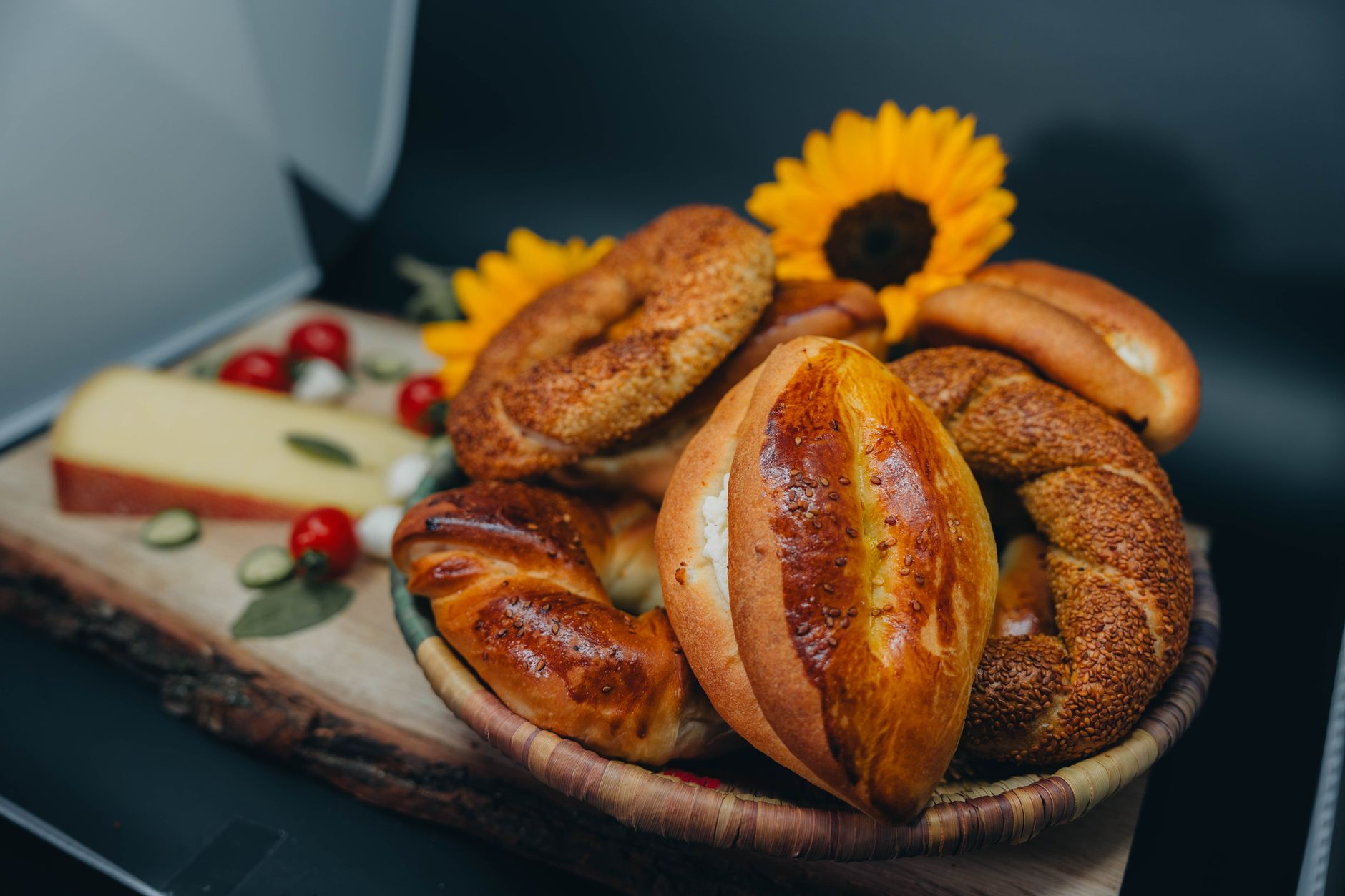
What to Pack for a Turkish Picnic
A successful Turkish picnic requires a bit of preparation, but nothing complicated. Start with a sturdy picnic blanket or a folding table — many families bring a small masa (table) and stools. A cooler bag is essential for cheese, yogurt, and cold drinks. If you plan to grill, bring a small portable mangal (barbecue) and charcoal; many picnic areas provide grills, but they are often occupied.
For tea, bring a çaydanlık (double teapot), a portable stove, and small glasses. Tea is the backbone of the picnic; without it, the day feels incomplete. If you prefer coffee, a thermos of Turkish coffee works well. Don't forget a thermos of hot water for washing up and a few cloths for cleaning.
Other essentials: a sharp knife, a cutting board, plates, cutlery, and cups. Paper towels, wet wipes, and a trash bag are non-negotiable — leaving a picnic spot clean is a matter of pride. Bring a ball, a kite, or a deck of cards for entertainment. And always pack a light sweater or shawl; even in summer, evenings by the water can be cool.
Where to Buy Fresh Bread, Cheese, and Picnic Supplies
The soul of a Turkish picnic is fresh, simple food. Start at a local fırın (bakery) for warm somun or köy ekmeği. In Istanbul, try the neighborhood bakeries in Beşiktaş or Kadıköy; in Ankara, the bakeries around Kızılay; in İzmir, any fırın in Alsancak. Ask for taze ekmek — fresh bread — and you will often get it straight from the oven.
For cheese, visit a peynirci or the local market. Beyaz peynir (white cheese, similar to feta) is the classic picnic cheese, but also try kaşar, tulum, and lor. Olives — black, green, and stuffed — are sold at zeytinci shops or open markets. Tomatoes, cucumbers, peppers, and fresh herbs come from the pazar (weekly market), where they are cheaper and tastier than supermarkets.
Don't forget sucuk (spicy sausage) for grilling, pastırma (cured beef), and yaprak sarma (stuffed vine leaves) from a dolma shop. For dessert, buy karpuz (watermelon) in summer, kavun (melon) in autumn, and baklava or lokum from a tatlıcı. A bag of leblebi (roasted chickpeas) and kuruyemiş (nuts) keeps everyone happy between meals.
Respecting Nature: Leave No Trace, Leave Only Thanks
Turkish picnic culture is deeply connected to nature, but overcrowded spots can suffer from litter and careless behavior. Do your part by following a few simple rules. First, never leave trash behind. Bring a bag and take everything home, even fruit peels and tea bags. If there is a bin, use it, but if it is full, carry your waste out.
Second, respect fire rules. Only light fires or barbecues in designated areas, and never leave them unattended. In dry summer months, forest fires are a serious risk; check local signage and obey bans. Third, do not damage trees or pick wildflowers. Leave rocks, shells, and plants where they are.
Fourth, keep noise to a respectful level. Turkish picnics are lively, but loud music and shouting can disturb wildlife and other visitors. Finally, be mindful of water sources. Do not wash dishes or use soap in rivers or lakes; take water home or use a designated washing area. By following these guidelines, you help preserve these beautiful spots for the families who will come after you.
Ultimately, the Turkish picnic is a lesson in slowing down. It is a chance to sit under a tree, share food, and watch the river go by. Whether you are in Istanbul, Ankara, İzmir, or Antalya, a green escape is never far away. Pack your basket, buy fresh bread and cheese, and join the locals — you will leave with a full stomach and a fuller heart.
Thinking about a trip to Turkey?
Share your contact details and a vetted local expert will follow up with a plan built around you — free, no obligation.