

The Roman Bath: A Civilization in Steam
To the Romans, a bath was never merely a bath. It was a library, a gymnasium, a social club, a political salon and a sanctuary of the body all wrapped in marble and warmed by underground fires. Across Anatolia — the Roman province of Asia and beyond — this institution reached its most extravagant expression. Cities competed to build bathhouses so vast and so beautifully engineered that they became civic signatures, as essential to urban identity as a theater or an aqueduct.
Today, Türkiye holds one of the world's densest concentrations of Roman bath ruins. In Ankara, Hierapolis, Sardis, Ephesus and dozens of smaller sites, you can walk the same flagstones where emperors, merchants, soldiers and philosophers once sweated, scraped and soaked. The experience is quietly overwhelming: here, the ordinary rituals of an ancient empire survive in stone, pipe and mosaic.
What makes these ruins so rewarding is their intimacy. Stand in a caldarium and you can almost feel the hypocaust's warmth rising through the floor; trace a mosaic edge and you are following the gaze of someone who lived two thousand years ago. This is heritage you don't just see — you inhabit it, if only for an hour.
"The bath is the heart of the city," wrote a Roman commentator of Anatolia's provincial towns — and standing in the shadow of a bath's vaulted ruins, it is easy to believe him.
Ankara's Roman Baths: The Capital's Hidden Thermal Secret
Most travelers rush through Ankara en route to Cappadocia, but the capital hides one of central Anatolia's most evocative Roman remains: the Ankara Roman Baths (Roma Hamamı), a sprawling complex built in the 3rd century AD and later restored under Byzantine and Seljuk hands. Its layout — apodyterium (changing room), frigidarium, tepidarium and caldarium — is remarkably legible, with brick arches and hypocaust pillars still standing.
The site is wonderfully uncrowded. On a quiet weekday morning, you may have the whole palestra to yourself, the only sounds being pigeons and the distant hum of modern Ankara. Inscribed stones and statuary fragments displayed on-site reveal how deeply bathing was woven into daily life, and how the baths served as a public living room for the city.
Just a short walk away, the Hisar district and the Museum of Anatolian Civilizations offer superb context, making Ankara an ideal first stop on a Roman baths heritage route. And for a living contrast, the city's historic hammams invite you to compare ancient engineering with Ottoman ritual — a thread that runs through this entire journey.
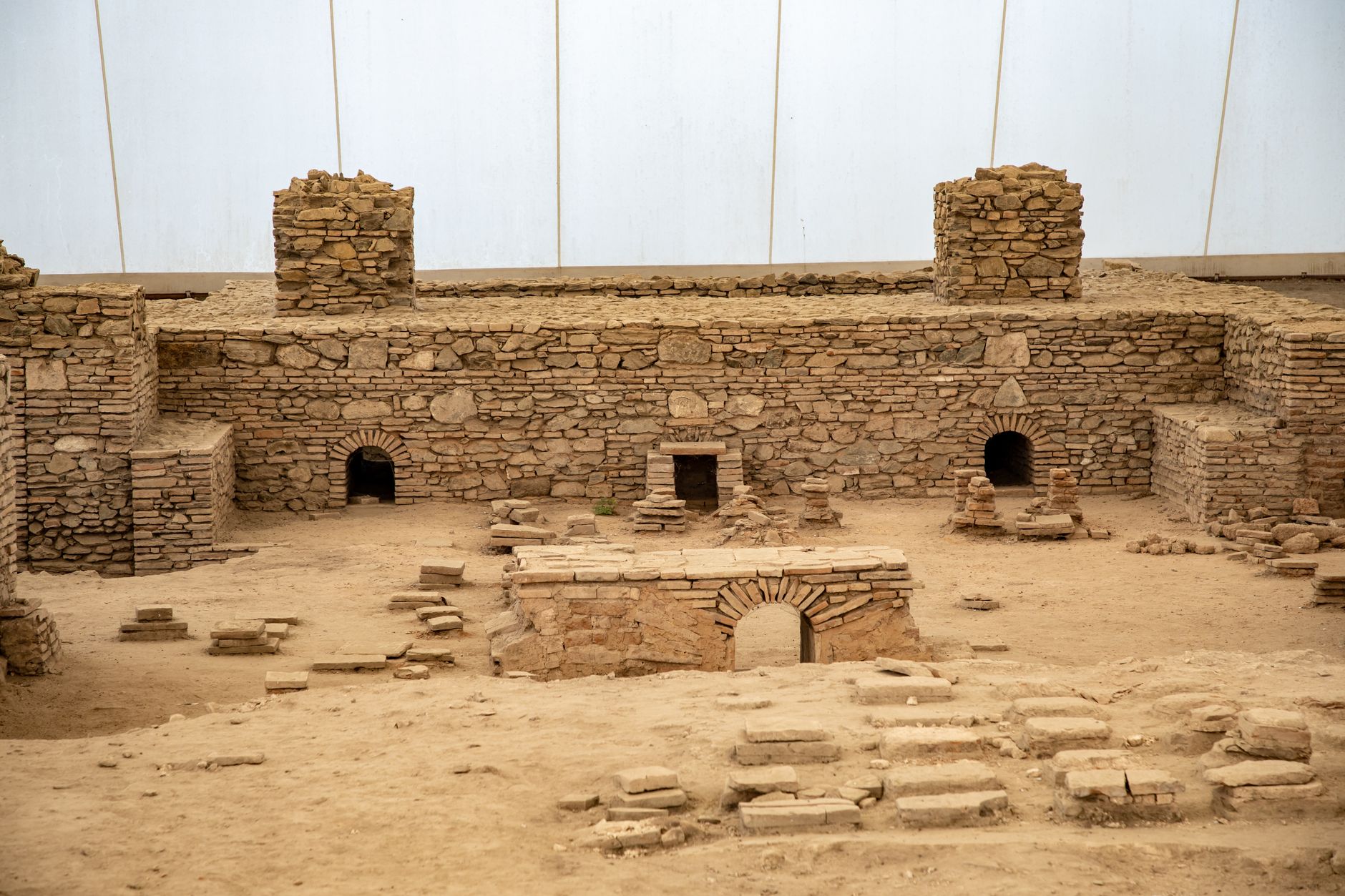
Hierapolis and Pamukkale: Bathing on a Frozen Waterfall
No Roman bath site on Earth sits in a more surreal setting than Hierapolis. Perched above the gleaming white travertine terraces of Pamukkale — a UNESCO World Heritage Site — this ancient spa city was founded around natural hot springs that still flow today. The Romans came for the waters, believed to have healing properties, and built baths, temples and a vast necropolis around them.
The Baths of Hierapolis are among the largest known in Anatolia, with massive stone blocks and deep pools that once held steaming mineral water. Much of the complex now houses the Hierapolis Archaeology Museum, where sculptures, sarcophagi and friezes are displayed among the very walls that once echoed with bathers' voices. It is a rare chance to see ancient art in its original architectural context.
Nearby, the Antique Pool (Cleopatra's Pool) lets you swim among submerged Roman columns — a bucket-list experience that literally places you in the bath. As you float, the same calcium-rich waters that built the travertine terraces warm you, and you understand why this place was considered sacred for millennia. Visit at sunrise or sunset for the most magical light, when the white cliffs blush pink and the pools glow turquoise.
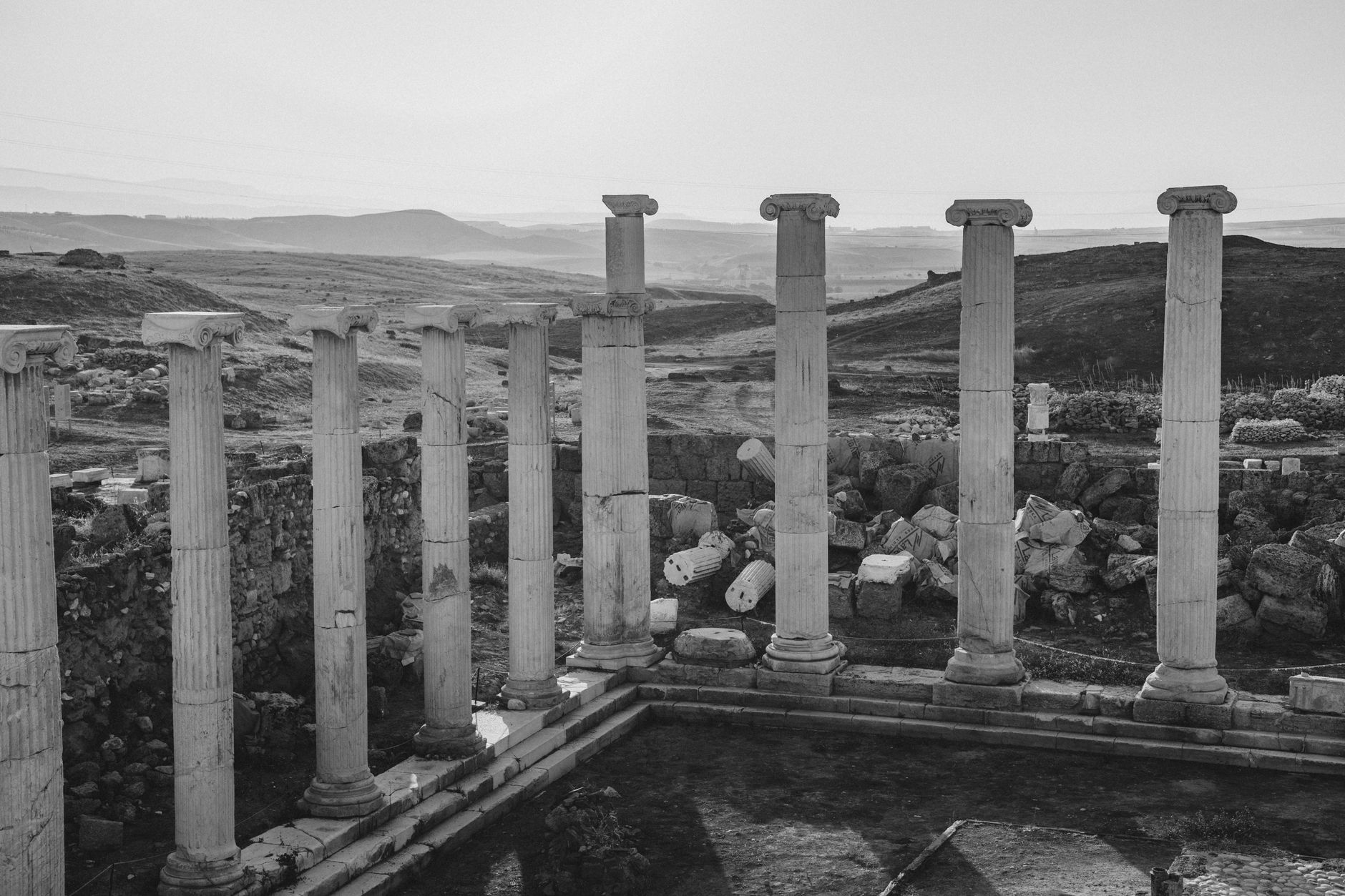
Sardis: A Lydian Treasure with Roman Baths
Sardis, once the capital of the Lydian kingdom and later a flourishing Roman city, boasts one of the most impressive bath-gymnasium complexes in the ancient world. The Marble Court, a reconstruction of the imperial-era bath's grand entrance, rises in glittering white stone, adorned with columns and sculpted reliefs. It is a breathtaking sight — and, remarkably, often nearly empty of tourists.
The bath complex at Sardis was enormous, combining bathing, exercise, and intellectual pursuits. Inscriptions and statues show that it was funded by wealthy benefactors and used by thousands. Walking its corridors, you sense the sheer scale of Roman civic ambition: these were not modest establishments but veritable wellness cities.
Sardis is easily visited from Izmir or as a day trip from Manisa. Pair it with the nearby Lydian tombs and the Temple of Artemis for a full day of exploration. The site's tranquility — birdsong in the pines, lizards sunning on marble — makes it a favorite for travelers who prefer their ruins without crowds.
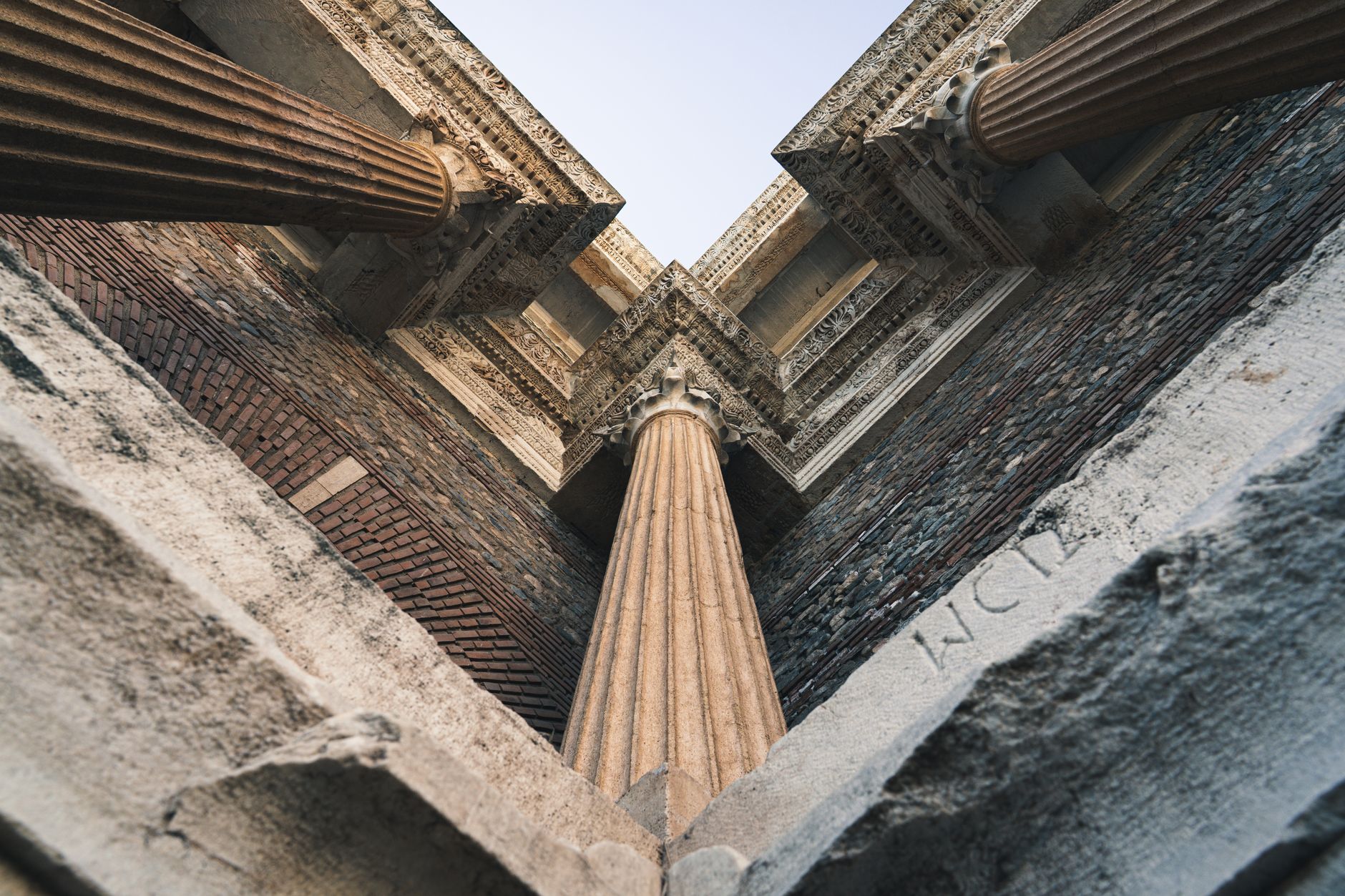
Ephesus and Beyond: The Grand Circuit of Anatolian Baths
Ephesus, Türkiye's most famous ancient city, also preserves notable bath complexes, including the Scholastica Baths and the Harbour Baths. Though often overshadowed by the Library of Celsus and the Great Theater, these baths reveal the domestic and social rhythms of a metropolis that once held a quarter of a million people. The Scholastica Baths, rebuilt by a Christian benefactor in the 4th century, show how bathing culture adapted across religious eras.
Other gems await the curious: the Baths of Varius in Ephesus, the bath-gymnasium at Miletus, the sprawling complex at Magnesia ad Maeandrum, and the thermal city of Allianoi (now partially submerged). Each offers a different facet of the same story — how Rome transformed natural springs and urban water into a culture of health, leisure and community.
For a manageable heritage route, consider a loop: Ankara → Hierapolis/Pamukkale → Sardis → Ephesus → Miletus. This itinerary, doable in a week to ten days, traces the evolution of Roman bathing from provincial capital to spa paradise to grand civic center. Along the way, you'll encounter Ottoman hammams in almost every town — living descendants of the same impulse.
The Living Contrast: Modern Hammams and Ancient Springs
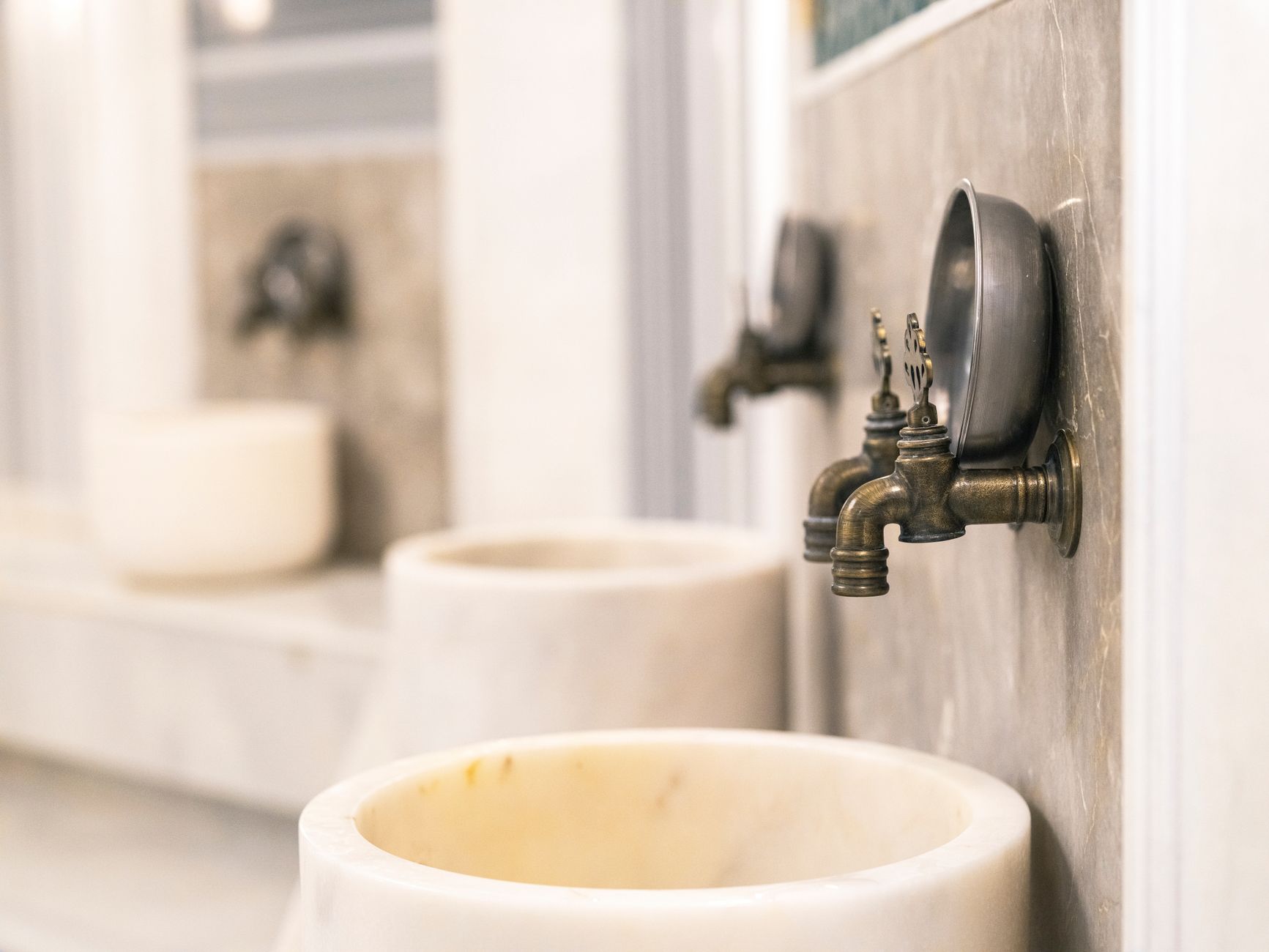
Roman bathing did not vanish; it evolved. When the Seljuks and Ottomans arrived, they inherited the love of steam, water and communal cleansing, and refined it into the hammam — a ritual of scrub, foam and relaxation that remains central to Turkish life. Visiting a historic hammam after a day among Roman ruins is to experience continuity, not contradiction.
In Ankara, the Şengül Hamamı and Karacabey Hamamı offer authentic experiences. In Istanbul, the legendary Kılıç Ali Paşa Hamamı (designed by the Ottoman architect Sinan) provides a luxurious, time-honored soak. In Pamukkale, many hotels pipe the same thermal waters into their pools, so you can bathe in the very springs the Romans revered. In Izmir, near Sardis and Ephesus, traditional hammams like the Şadırvan Hamamı welcome visitors.
These modern baths let you feel the heat, the steam and the social warmth that ancient bathers cherished. The tools differ — a kese mitt instead of a strigil, olive-oil soap instead of perfumed oils — but the essence is unchanged: water as therapy, community and pleasure.
Practical Wisdom: Seasons, Tickets and Stewardship
Best seasons: Spring (April–May) and autumn (September–October) are ideal. Mild temperatures make walking ruins pleasant, and the light is golden for photography. Summer can be scorching, especially at Hierapolis and Ephesus, so start early and carry water. Winter is quiet and atmospheric, though some smaller sites may have reduced hours.
Tickets and passes: The Museum Pass Türkiye (available online or at major sites) covers many Roman bath ruins, including Hierapolis and Ephesus, and can save money if you plan to visit several. Sardis and Ankara's Roman Baths may have separate, modest entry fees. Always check official websites for current hours, as they vary seasonally. Guided tours are available at major sites and greatly enrich understanding.
Nearby hammams: Pair each ruin with a local hammam. Ankara: Şengül Hamamı. Pamukkale: hotel thermal pools or the town's modest hammams. Sardis: nearby Salihli has traditional baths. Ephesus: Selçuk's hamams offer a refreshing end to a dusty day. Always bring a swimsuit, a towel (often rented), and cash for tips.
Stewardship: Türkiye's Ministry of Culture and Tourism, along with local municipalities and international partners, has done admirable work restoring and interpreting these sites. Respect barriers, never touch mosaics or frescoes, and follow posted rules. Your entrance fees and mindful behavior help preserve these wonders for future generations. Consider supporting local guides and artisans — tourism is a powerful ally in conservation.
As you stand in the warm shadow of a Roman bath, listening to the wind in the ruins, you become part of a chain of bathers stretching back two millennia. It is a profound, joyous connection — and it awaits you in Türkiye.
Thinking about a trip to Turkey?
Share your contact details and a vetted local expert will follow up with a plan built around you — free, no obligation.