

Introduction: A Land Paved with Stories
Türkiye is a country where history is not just preserved in museums but woven into the very fabric of daily life. Beneath its bustling bazaars, modern hotels, and cobblestone streets lie some of the world's most breathtaking ancient mosaics—vibrant portraits of gods, heroes, and everyday people crafted from thousands of tiny colored stones. These masterpieces, born in the Roman and Byzantine eras, offer a window into a time when cities like Zeugma, Antioch, and Constantinople were thriving centers of art and culture.
What makes Türkiye's mosaic heritage so extraordinary is not only its artistic brilliance but also its incredible accessibility. You don't need to be a scholar or an archaeologist to be moved by the haunting gaze of a mosaic face that has survived two millennia. With a well-planned itinerary, any traveler can trace this mosaic trail, from the world-renowned Zeugma Mosaic Museum in Gaziantep to the lesser-known hidden floors of Istanbul. This guide will take you on that journey, offering practical tips, nearby dining suggestions, and advice on how to combine these sites into an unforgettable multi-city adventure.
Zeugma Mosaic Museum: The Crown Jewel of Gaziantep
Located in the vibrant city of Gaziantep, the Zeugma Mosaic Museum is a must-see for any art or history lover. It houses the largest collection of ancient mosaics in the world, with over 2,500 square meters of stunning floor panels. The museum's star attraction is the enigmatic Gypsy Girl (or Maenad), a mosaic portrait whose piercing eyes seem to follow you around the room. Unearthed from the ancient city of Zeugma, which was a prosperous Roman frontier town on the Euphrates River, these mosaics once adorned the floors of wealthy villas. The museum's innovative lighting and layout make the colors pop, giving visitors the sensation of walking on water—or rather, on history.
Visiting Tips: The museum is open daily from 9:00 AM to 7:00 PM (hours may vary in winter; check locally). Admission is around 60 TL. To avoid crowds, visit early in the morning or after 3:00 PM. The on-site café offers a pleasant break, but for a true taste of Gaziantep, head to the nearby Imam Çağdaş for their legendary baklava, or Metanet Lokantası for a hearty plate of kebabs and katmer (a flaky pastry with pistachio and clotted cream).
Combining Sites: Gaziantep is well-connected by flights from Istanbul (1.5 hours) and Ankara. From here, you can easily continue your mosaic trail by flying to Antakya (Hatay) or driving to nearby sites like the ancient city of Yesemek or the Gaziantep Castle. The museum is a perfect starting point for understanding the Roman mosaic tradition before delving into the Byzantine examples in Istanbul.
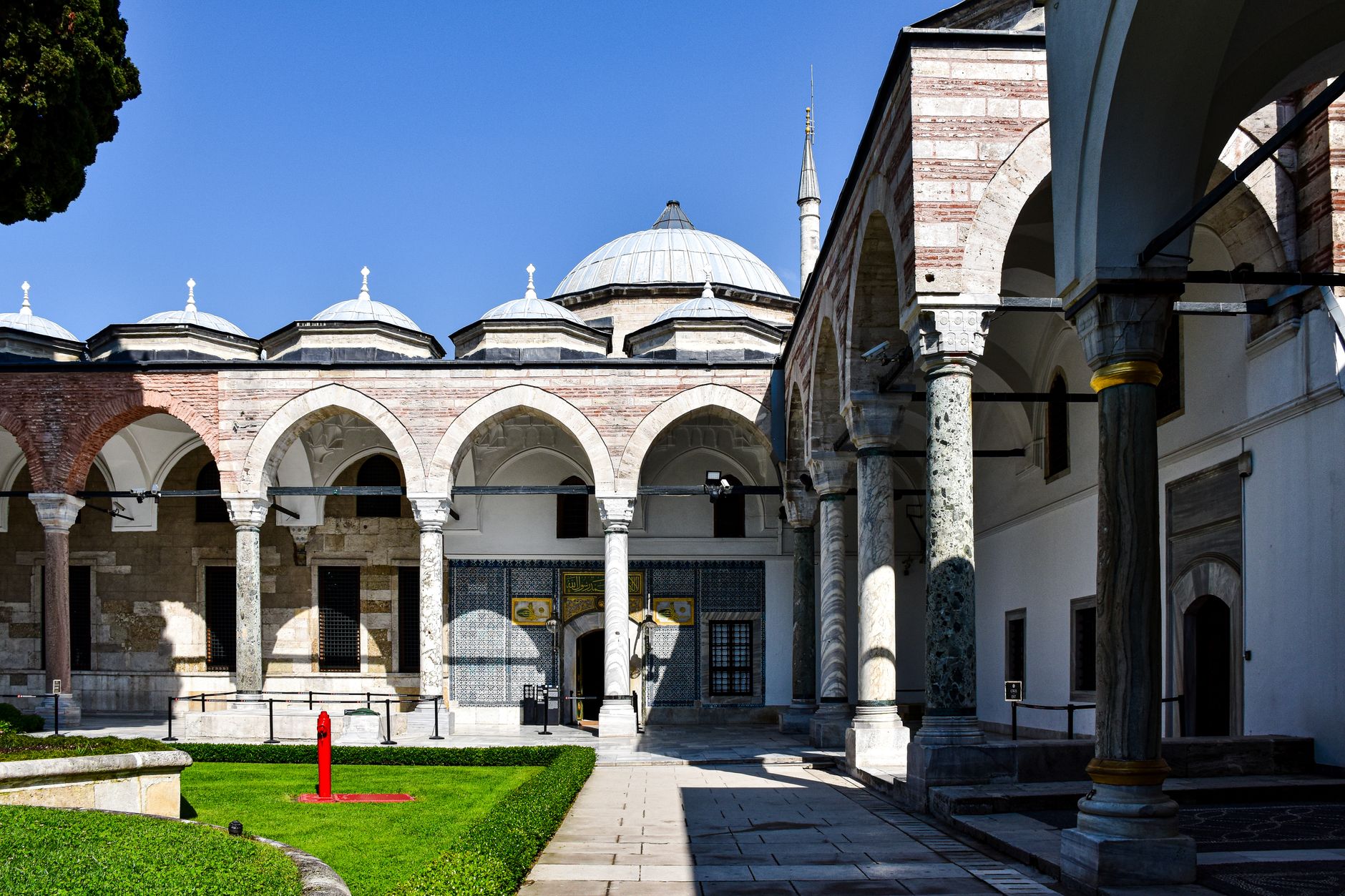
Antakya (Antioch): The Cradle of Mosaic Art
Antakya, ancient Antioch, was once the third-largest city of the Roman Empire and a melting pot of cultures. Today, it is home to the Hatay Archaeology Museum, which boasts one of the richest collections of Roman and Byzantine mosaics in the world. The museum's new building, opened in 2014, is a marvel in itself, with soaring ceilings and natural light that illuminate the intricate floors. Highlights include the stunning Orpheus Mosaic, depicting the mythical musician charming animals with his lyre, and the Oceanus and Tethys mosaic, a dynamic scene of the sea gods. These works are so well-preserved that you can see the individual tesserae (mosaic tiles) and the subtle shading that gives them a three-dimensional quality.
Visiting Tips: The Hatay Archaeology Museum is open daily from 9:00 AM to 6:30 PM (closed Mondays in winter). Admission is about 50 TL. The museum is in the city center, within walking distance of the bazaar and many hotels. After your visit, don't miss the chance to sample Antakya's famous cuisine—a blend of Arab, Turkish, and Levantine flavors. Try künefe at Kral Künefe or a plate of hummus and mutabbal at Anadolu Sofrası. The city is also known for its sürk (spiced cheese) and biberli ekmek (spicy flatbread).
Combining Sites: Antakya is accessible by bus from Gaziantep (3 hours) or by flight from Istanbul (1.5 hours). While in the region, consider a day trip to the ancient city of Seleucia Pieria or the Titus Tunnel, both featuring lesser-known mosaics and ruins. The museum itself is a treasure trove that could easily consume half a day, so plan accordingly.
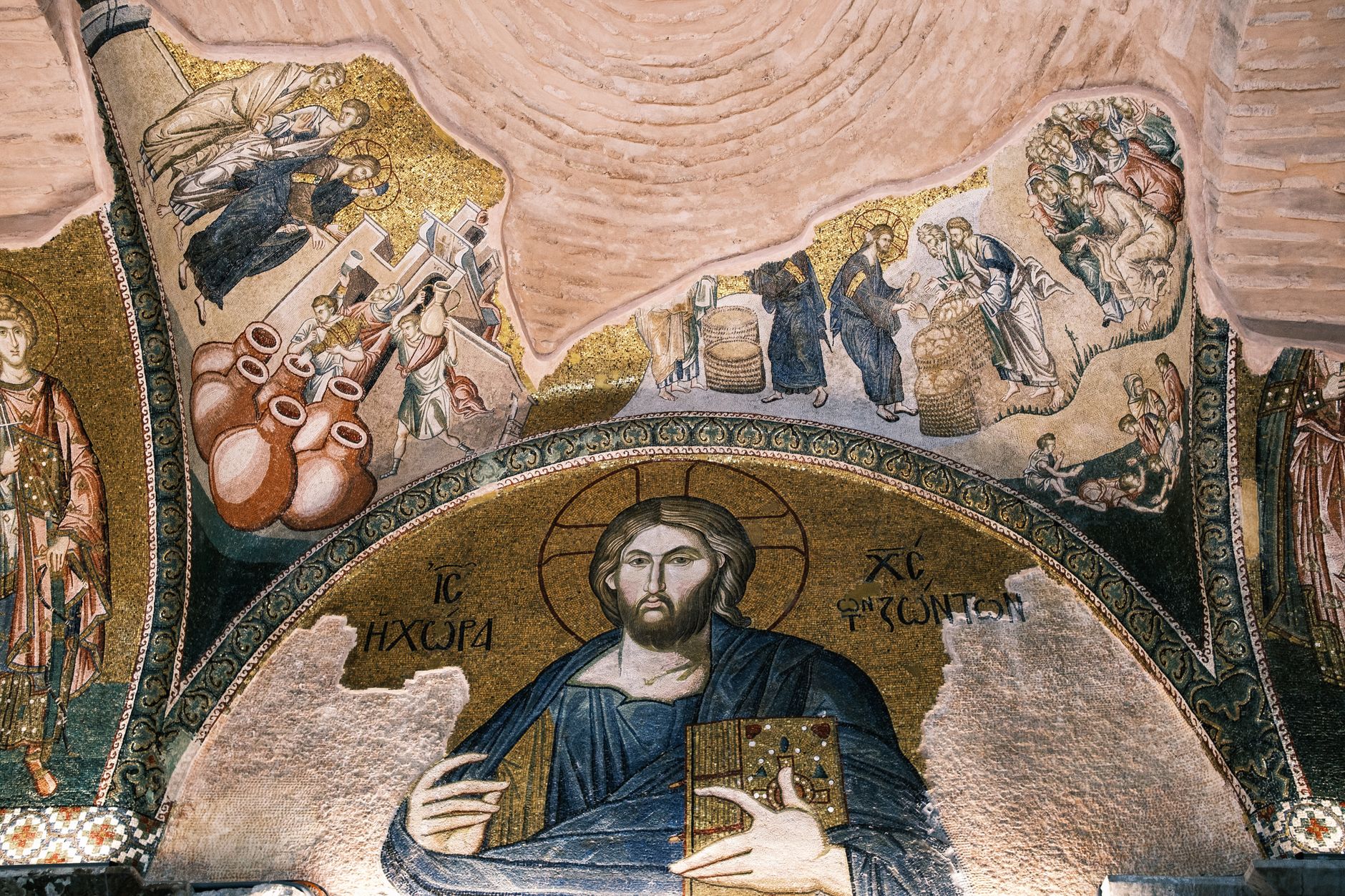
Istanbul's Hidden Mosaic Floors: Byzantine Wonders
While Istanbul is famous for Hagia Sophia and the Blue Mosque, its mosaic heritage is often overshadowed by these grand monuments. Yet, scattered across the city are hidden floors that rival any museum. The most spectacular is the Great Palace Mosaic Museum, located near the Arasta Bazaar in Sultanahmet. This museum preserves a section of the mosaic pavement from the Great Palace of the Byzantine emperors, dating to the 6th century. The mosaics depict scenes of daily life, mythology, and nature—a charming contrast to the imperial grandeur above. You'll see a child feeding a donkey, a griffin attacking a lizard, and a bear catching a fish, all rendered in vivid detail.
Visiting Tips: The museum is open daily from 9:00 AM to 5:00 PM (closed Mondays). Admission is 40 TL. It's a small museum, so an hour is sufficient. Afterward, wander through the Arasta Bazaar for souvenirs and stop at Sultanahmet Köftecisi for their famous meatballs, or Şehzade Cağ Kebap for a delicious kebab. For a sweet treat, try Güllüoğlu for baklava.
Another hidden gem is the Chora Church (Kariye Museum), a former Byzantine church dedicated to Christ the Saviour. While it's renowned for its stunning frescoes and mosaics, it also features beautiful floor mosaics. After a recent restoration, it reopened as a mosque; check current visiting hours as they may differ. Nearby, the Fethiye Museum (Pammakaristos Church) houses a small but exquisite collection of floor mosaics. These sites are less crowded than the main attractions, offering a more intimate encounter with Byzantine art.
Combining Sites: Istanbul is the perfect final stop on your mosaic trail. Its international airport connects to Gaziantep and Antakya. Plan at least two days to explore the mosaic sites, and use the city's efficient tram and metro system to get around. Consider staying in Sultanahmet or Beyoğlu for easy access.
Practical Tips for Your Mosaic Journey
Best Time to Visit: Spring (April-May) and autumn (September-October) offer mild weather, ideal for walking between sites. Summer can be hot, especially in Gaziantep and Antakya, so carry water and sun protection. Winter is mild but some museums have shorter hours.
Museum Hours and Tickets: Most museums are open daily, but some close on Mondays. Always check the official website or call ahead. The Museum Pass Türkiye (available online or at major museums) can save you money if you plan to visit multiple sites. It costs around 350 TL for 5 days or 600 TL for 15 days, granting access to many state museums.
Getting Around: Domestic flights are the quickest way between Istanbul, Gaziantep, and Antakya. Buses are cheaper but slower. Within cities, taxis and dolmuş (shared minibuses) are readily available. In Istanbul, the Istanbulkart is essential for public transport.
Accessibility: Most museums are wheelchair-accessible, but some historic sites may have uneven floors. The Zeugma Mosaic Museum and Hatay Archaeology Museum are fully accessible. In Istanbul, the Great Palace Mosaic Museum has ramps but narrow spaces; the Chora Church is more challenging due to its age.
Guided Tours: Consider hiring a local guide for deeper insights. In Gaziantep, the museum offers audio guides in multiple languages. In Antakya, guided tours can be arranged through the museum. Istanbul has numerous walking tours focusing on Byzantine mosaics.
Nearby Dining and Accommodation
In Gaziantep, stay at Tuğcan Hotel or Divan Gaziantep for comfort and proximity to the museum. For dining, Bayazhan is a restored cultural complex with restaurants serving traditional Gaziantep cuisine. In Antakya, Savon Hotel offers boutique charm, and Antik Beyazıt Hotel is another lovely option. Don't leave without trying künefe at Sultan Sofrası. In Istanbul, Sultanahmet has a range of hotels from budget to luxury; Hotel Sultania and Armada Hotel are excellent choices. For dining, Balıkçı Sabahattin in Sultanahmet serves fresh seafood, while Çiya Sofrası in Kadıköy offers Anatolian home cooking.
Crafting Your Multi-City Itinerary
A suggested 7-day itinerary: Days 1-2: Fly to Gaziantep, visit Zeugma Mosaic Museum, explore the city's bazaars and cuisine. Day 3: Travel to Antakya by bus or flight, visit Hatay Archaeology Museum. Day 4: Explore Antakya's other sites, then fly to Istanbul. Days 5-6: Discover Istanbul's mosaic treasures—Great Palace Mosaic Museum, Chora Church, Fethiye Museum. Day 7: Depart from Istanbul.
For a more relaxed pace, extend to 10 days, adding stops like Şanlıurfa's mosaic museum or the ancient city of Ephesus, which also boasts remarkable mosaics. The trail is flexible, and each site offers a unique perspective on the art form.
Conclusion: A Journey Through Time
Türkiye's Roman and Byzantine mosaic trail is more than a tour of museums; it's a voyage into the hearts and minds of ancient civilizations. These mosaics, with their vivid colors and intricate designs, tell stories of love, myth, and daily life that resonate across millennia. Whether you're standing before the Gypsy Girl in Gaziantep, tracing the steps of Orpheus in Antakya, or uncovering hidden floors in Istanbul, you'll be touched by the sheer wonder of human creativity. And the best part? These masterpieces are incredibly accessible—just a flight, a bus ride, or a tram stop away. So pack your bags, bring your curiosity, and let the stones speak to you.
Thinking about a trip to Turkey?
Share your contact details and a vetted local expert will follow up with a plan built around you — free, no obligation.