

Introduction: Walking Where Legions Marched
Imagine lacing up your boots on a road built by Roman engineers two millennia ago. In Türkiye, that fantasy becomes reality. Across Anatolia—the Roman province of Asia Minor—stretches a network of paved highways that once connected Ephesus to Antioch, Nicomedia to Ancyra (modern Ankara). Many of these roads survive as stone-paved paths, worn smooth by centuries of hooves, cartwheels, and pilgrim feet. Today, hikers can follow these antique routes through pine forests, olive groves, and remote mountain passes, discovering milestones, bridges, and ancient cities along the way.
This guide explores the most accessible and rewarding Roman road walks in Türkiye, offering practical advice on trail conditions, footwear, and nearby ancient sites to combine with your hike. Whether you're a history buff or a casual walker, these routes offer a unique way to connect with the past—no museum ropes required.
The Roman Road Network in Anatolia: A Brief History
Rome's roads were the arteries of empire. Built primarily for military movement, they also facilitated trade, communication, and cultural exchange. In Anatolia, the Romans inherited and improved upon earlier Persian and Hellenistic routes, creating a dense network that peaked during the 2nd century AD under emperors like Trajan and Hadrian. Key highways included the Via Sebaste (linking Pisidian Antioch to the coast), the Via Egnatia (extending into Thrace), and the viae that connected the Seven Churches of Revelation.
These roads were meticulously engineered: layers of sand, gravel, and polygonal stone blocks, often edged with curbs and drainage channels. Mile markers (miliaria) announced distances to major towns, and bridges spanned rivers with arches that still stand. After the fall of Rome, many routes remained in use through Byzantine and Ottoman times, but some were abandoned, leaving stretches perfectly preserved under soil and vegetation.
Today, archaeologists and local authorities have cleared and waymarked several sections, making them accessible to hikers. Walking them is not just a hike; it's a journey through layers of history.
Top Roman Road Walks in Türkiye
1. The Via Sebaste: Pisidian Antioch to Perge
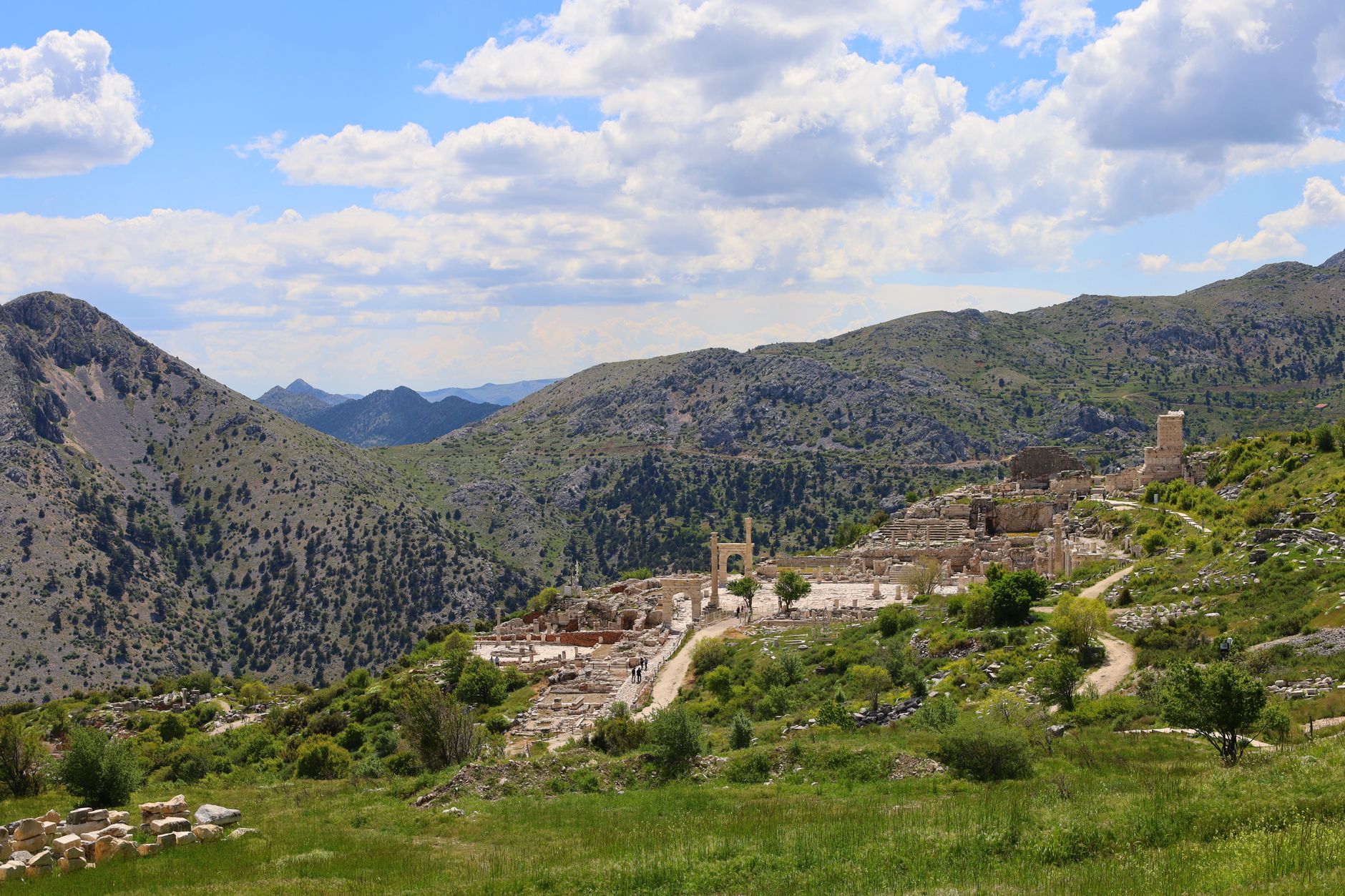
The Via Sebaste, established by Augustus around 6 BC, connected the Roman colony of Pisidian Antioch (near modern Yalvaç) to the Mediterranean coast at Perge. A 20-kilometer section near the village of Sagalassos has been cleared and marked, offering a moderately challenging walk through rocky terrain with stunning views of the Taurus Mountains.
The road is paved with large polygonal stones, some bearing wheel ruts. You'll encounter Roman milestones and the ruins of ancient bridges. The nearby city of Sagalassos itself is a magnificent archaeological site, with a theatre, baths, and a library. Combine the walk with a visit to Antioch's ruins, where St. Paul preached.
2. The Ephesus–Magnesia Road
This ancient route linked the great city of Ephesus with Magnesia on the Meander (modern Tekin). A 15-kilometer stretch passes through the picturesque village of Şirince and the lush Kaystros (Küçük Menderes) Valley. The road here is less paved but still visible, with sections of stone and compacted earth.
The walk is easy to moderate, suitable for families. Start in Selçuk, visit Ephesus early in the morning, then hike to Magnesia, where you can explore the Temple of Artemis Leukophryene. The route is dotted with Ottoman bridges and traditional coffee houses.
3. The Nicomedia–Nicaea Road (İzmit–İznik)
This 50-kilometer route between Nicomedia (İzmit) and Nicaea (İznik) was a vital link in Bithynia. A 10-kilometer section near İznik has been restored, following the shore of Lake İznik and passing through olive groves and pine woods. The road is mostly flat, with some uneven stones.
İznik itself is a treasure trove: the site of the First Council of Nicaea (AD 325) and the Seventh Council (AD 787). The ancient city walls, Hagia Sophia, and the Roman theatre are must-sees. The walk can be done as a day trip from Istanbul.
4. The Claudiopolis–Ancyra Road (Bolu–Ankara)
For a more adventurous hike, consider the Roman road from Claudiopolis (Bolu) to Ancyra (Ankara). A 30-kilometer segment through the Köroğlu Mountains is rugged but rewarding, with original paving stones, milestones, and spectacular scenery. The route follows the ancient Via Sebaste? No, this is a different road—the Via Pontica? Actually, it's part of the road system connecting the Black Sea to central Anatolia. The terrain is mountainous, with elevations up to 1,500 meters.
This walk is best for experienced hikers. Nearby, you can visit the ancient city of Gordion, capital of Phrygia, and the Museum of Anatolian Civilizations in Ankara.
5. The Antioch–Seleucia Pieria Road
Near Antakya (ancient Antioch), a Roman road leads to the port of Seleucia Pieria. A 5-kilometer section descends through the Titus Tunnel, a remarkable Roman engineering feat (1st century AD) carved through solid rock to divert a river. The road is paved and shaded, suitable for all levels.
Combine with a visit to Antioch's mosaics museum and the cave church of St. Peter. The area is rich in Christian history.
Trail Conditions and Practical Tips
Roman roads in Türkiye vary from perfectly flat and paved to rugged and overgrown. Most marked sections are maintained by local municipalities or archaeology groups, but you should always check current conditions. Expect uneven stone surfaces, loose gravel, and occasional overgrowth. Some paths are exposed, with little shade.
Best seasons are spring (April–May) and autumn (September–October), when temperatures are mild. Summer can be scorching, especially in the south. Winter may bring snow to higher elevations.
Waymarking is inconsistent: some routes have painted stripes or signs, others require GPS. Carry a map and compass, and download offline maps. Water sources are rare, so bring plenty. Villages along the way may offer basic supplies.
Footwear and Gear Recommendations
Sturdy hiking boots with good ankle support are essential. The ancient stones are often smooth and slippery, especially when wet. Avoid sandals or light sneakers. A trekking pole can help with balance on uneven terrain.
Other gear: sun hat, sunscreen, insect repellent, and a first-aid kit. A lightweight rain jacket is wise in spring and autumn. For longer walks, carry a hydration bladder or multiple water bottles.
Respect the sites: don't remove stones or artifacts, and stay on marked paths to avoid damaging ancient remains.
Nearby Ancient Cities to Combine with Your Walk
Many Roman roads pass near spectacular archaeological sites. Here are some highlights:
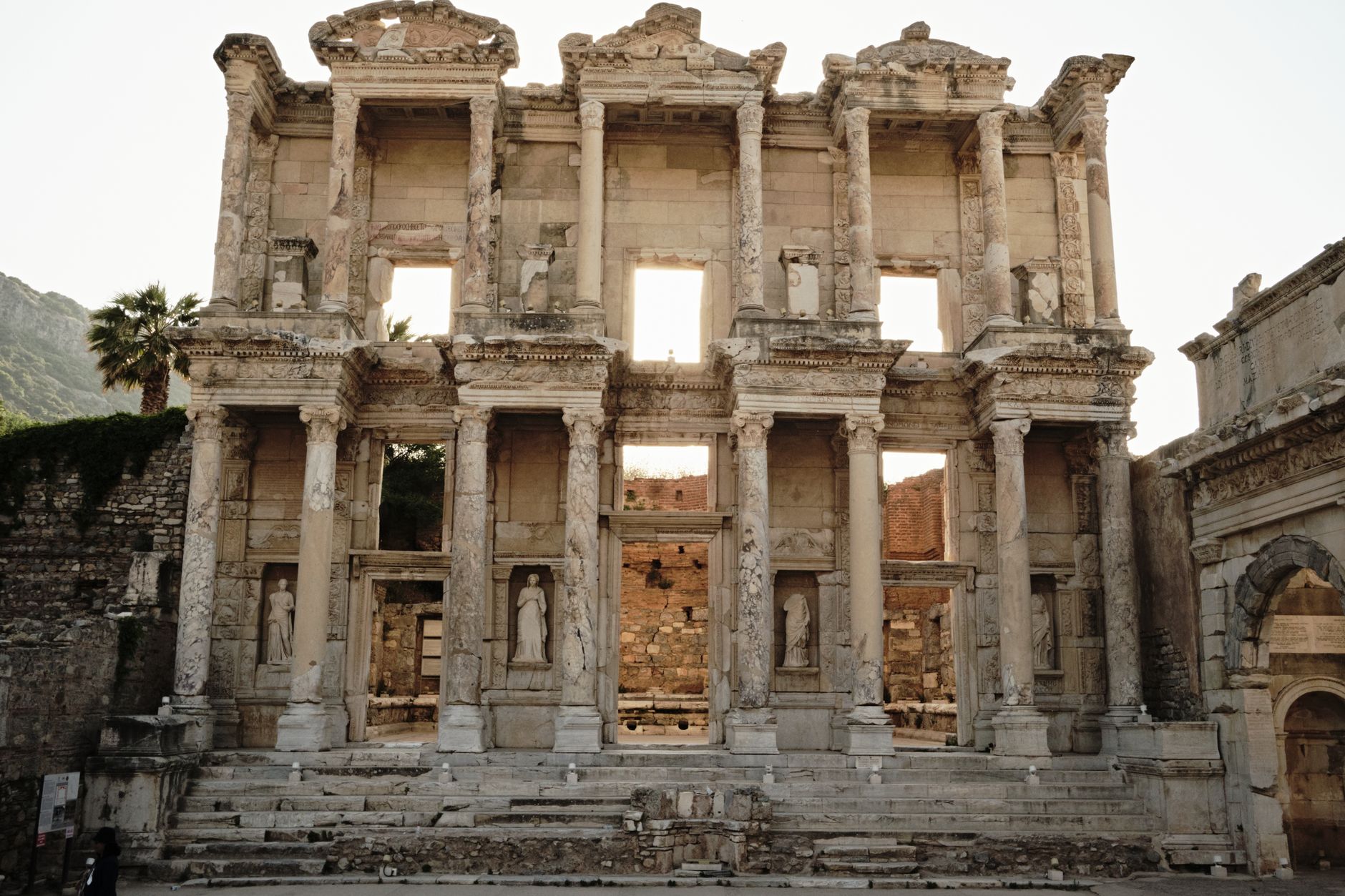
- Ephesus – One of the best-preserved ancient cities, with the Library of Celsus and Great Theatre.
- Sagalassos – A mountaintop city with stunning views and a recently restored fountain.
- Pergamon (Bergama) – Home to the steepest theatre in the ancient world and the Altar of Zeus.
- Aphrodisias – A marble city dedicated to Aphrodite, with a massive stadium.
- Hierapolis (Pamukkale) – Famous for its white travertine terraces and Roman theatre.
- Antioch (Antakya) – Ancient metropolis with a rich mosaic museum.
Plan your hike to include at least one of these sites; they provide context and incredible photo opportunities.
Conclusion: A Walk Through Time
Türkiye's Roman roads offer a rare chance to literally follow in the footsteps of history. Whether you're strolling a short paved section or tackling a multi-day route, these ancient highways connect you to the empire that shaped the world. With proper preparation and respect for the sites, your hike will be an unforgettable journey through time. So lace up your boots, grab your map, and step onto a road where legions once marched.
Thinking about a trip to Turkey?
Share your contact details and a vetted local expert will follow up with a plan built around you — free, no obligation.