

Introduction: The Warmth of Anatolian Hospitality
In the quiet villages of Anatolia, a gentle revolution in travel is taking place. Retired teachers — once the pillars of rural education — are opening their stone houses to curious travelers, offering not just a bed but a window into a vanishing way of life. Here, the evening meal is a classroom, the courtyard a stage for folk songs, and the host a storyteller whose lessons blend history, botany, and the art of living well.
These guesthouses are not hotels; they are homes. You might find yourself helping to shell walnuts while your host, a former literature teacher, recites a poem by Nazım Hikmet. Or you might learn to roll yufka while discussing the Hittites. The experience is intimate, unscripted, and profoundly human — a reminder that in Türkiye, hospitality is not a service but a sacred duty.
This guide explores where to find these hidden gems, how to book them, what to expect, and how to be a gracious guest. Whether you're a seasoned traveler or a first-timer to rural Türkiye, these stays will leave you with stories of your own.
What Are Teacher-Run Guesthouses?
They go by various names: öğretmen evi (teacher's house), köy konukevi (village guesthouse), or simply misafirhane (guesthouse). Typically, they are family homes in villages or small towns where the owners — often retired schoolteachers — have converted spare rooms into comfortable accommodations for travelers.
Why teachers? In Türkiye, rural teachers have long been community leaders. They are literate, well-traveled within the country, and deeply connected to local traditions. Upon retirement, many return to their ancestral villages, where they restore old houses and seek ways to share their culture. Hosting guests provides both income and intellectual stimulation — a chance to continue teaching, but now to eager adults from around the world.
These guesthouses usually offer 2–5 rooms, often with private bathrooms (though some may have shared facilities). Breakfast and dinner are almost always included, featuring homegrown and homemade everything: village bread, cheeses, jams, olives, eggs from the coop, and vegetables from the garden. The true highlight, however, is the evening gathering — a time for stories, songs, and connection.
Meet Your Hosts: The Storytellers of Anatolia
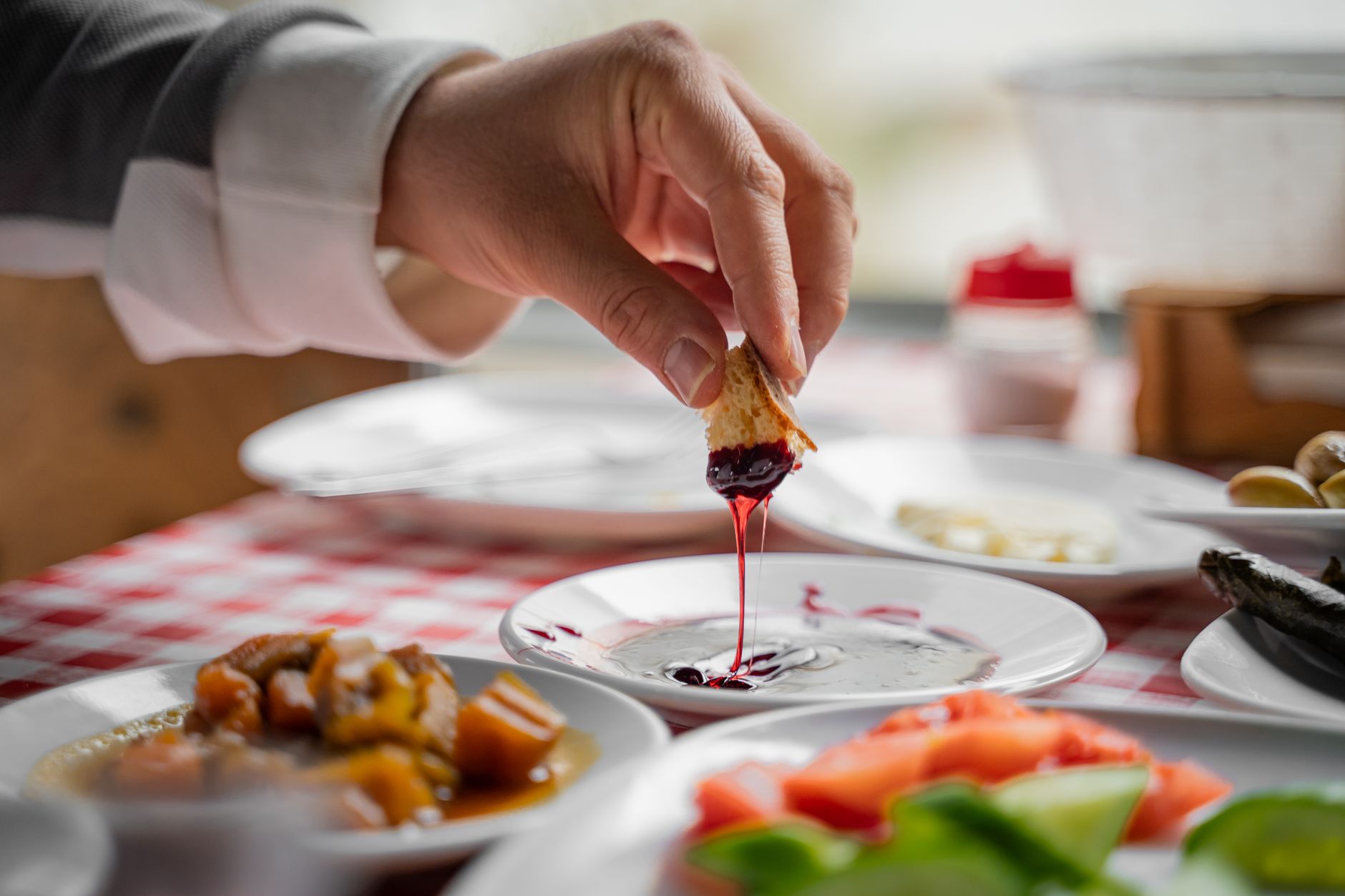
Consider Ayşe Hanım, a former primary school teacher in the village of Şirince, near Izmir. After 35 years in the classroom, she turned her family's 150-year-old Greek stone house into a three-room guesthouse. Over a dinner of stuffed zucchini flowers and herb-infused olive oil, she recounts the village's history — from its Greek Orthodox past to the population exchange of 1923 — with the precision of a historian and the warmth of a grandmother.
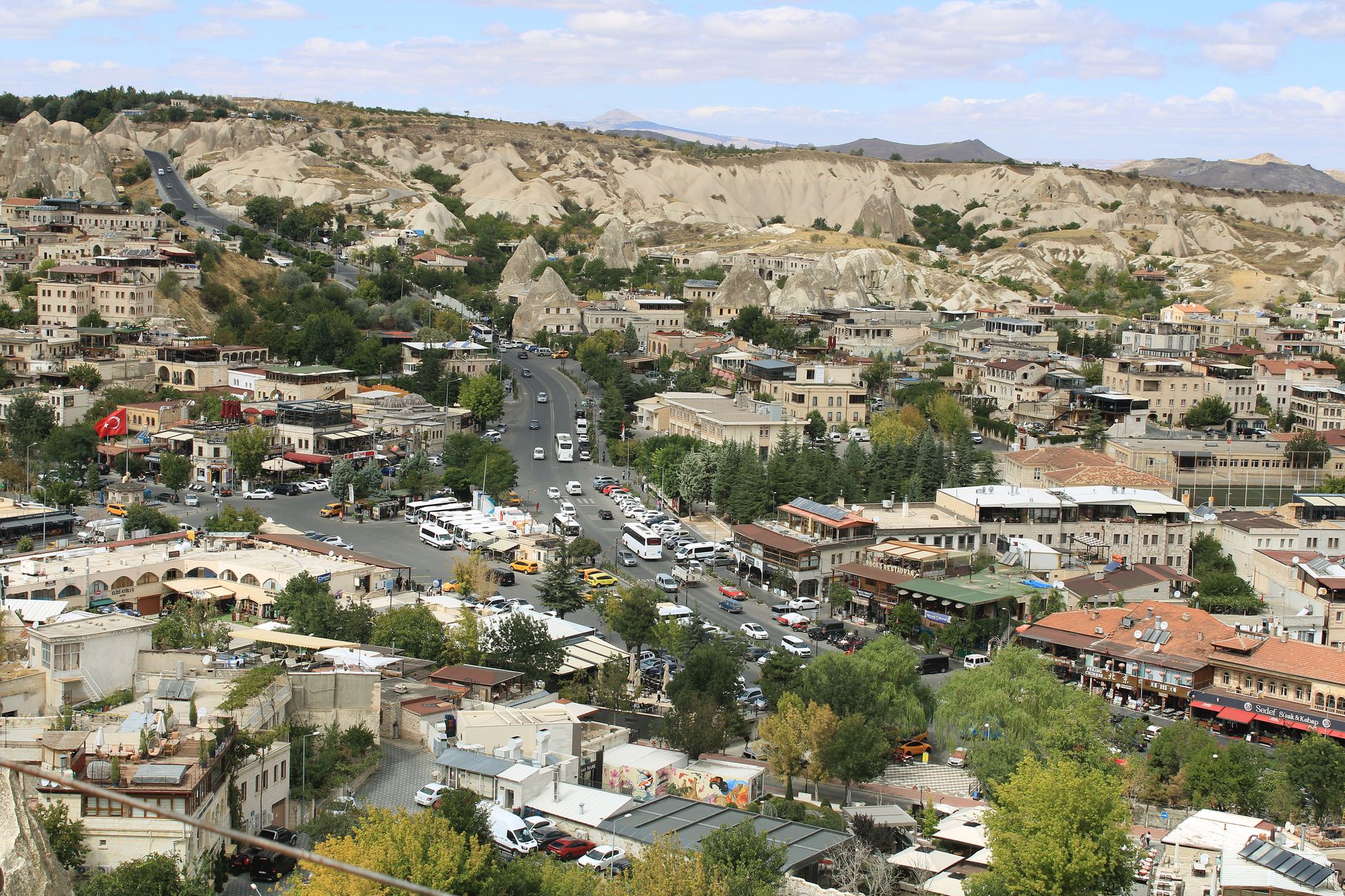
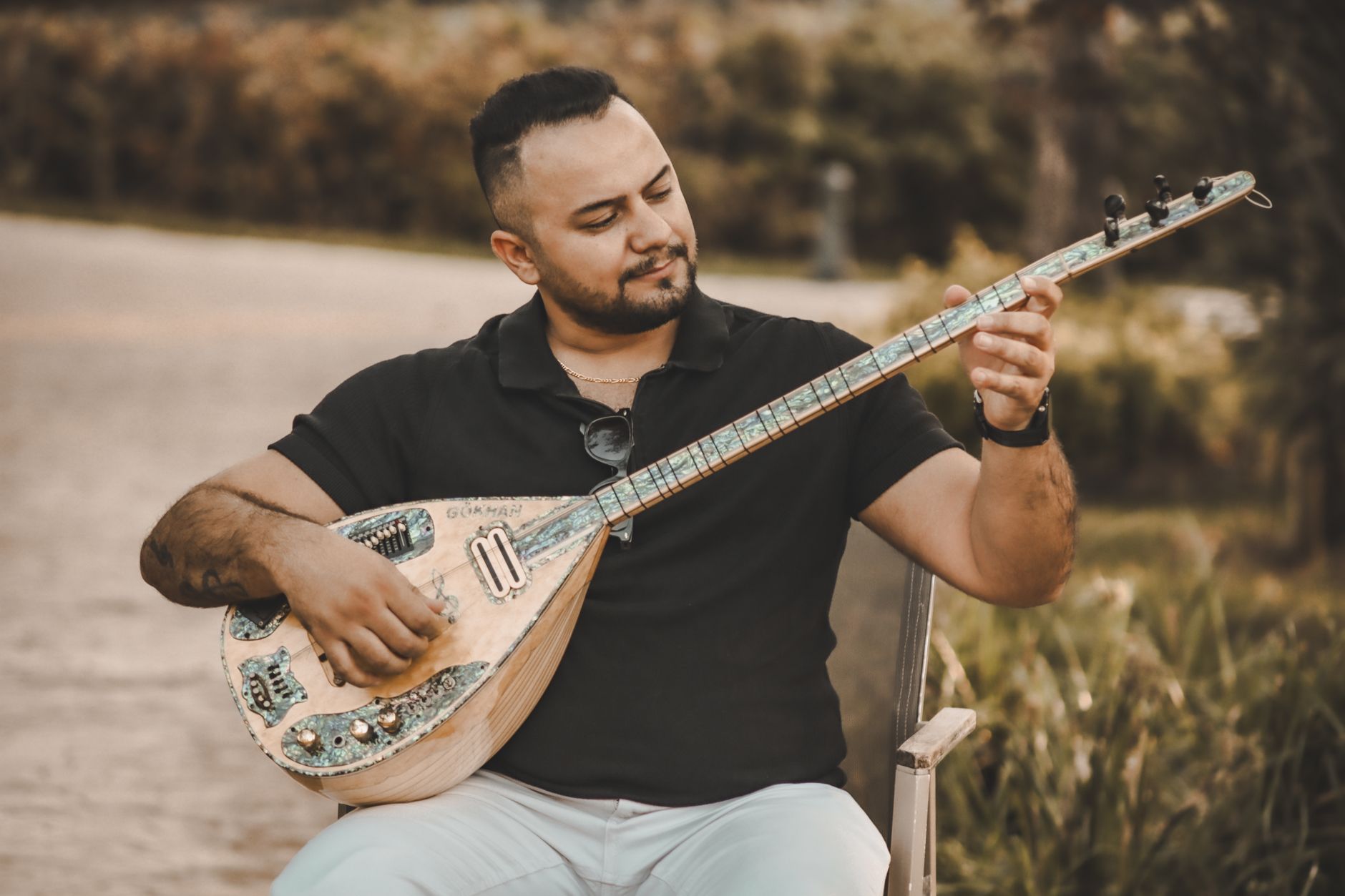
Or Mehmet Bey in Cappadocia's Çavuşin village, a retired physics teacher who now leads guests on sunrise walks through the fairy chimneys. He explains the geology with chalk-drawn diagrams on a napkin, then switches to tales of early Christian hermits who carved homes into the rock. His wife, a former music teacher, plays the bağlama after dinner, singing türküs (folk songs) that tell of love, loss, and the Anatolian landscape.
These hosts are not professional guides; they are passionate amateurs with a lifetime of knowledge. Their stories are personal, often political, and always rooted in a deep love for their homeland. Listening to them is like reading a living book — one that evolves with each guest and each evening.
Where to Find These Hidden Gems
Teacher-run guesthouses are scattered across rural Türkiye, but certain regions have a higher concentration due to their cultural richness and tourism appeal.
1. Aegean Villages (Şirince, Birgi, Doğanbey)
The Aegean hinterland is dotted with well-preserved villages where retired teachers have restored old houses. Şirince, near Ephesus, is the most famous, with several teacher-run guesthouses. Birgi, a UNESCO-listed town near Ödemiş, offers a more authentic, less-touristed experience. Doğanbey, a ghost village turned boutique destination, has a few gem-like stays run by former educators.
2. Cappadocia's Back Villages (Çavuşin, Mustafapaşa, İbrahimağa)
Away from the hot-air balloon crowds of Göreme, villages like Çavuşin and Mustafapaşa are home to teacher-hosted guesthouses in cave or stone houses. Here, the evening stories often revolve around the region's Christian and Islamic heritage, and the challenges of living in a geological wonderland.
3. Black Sea Highlands (Ayder, Uzungöl, Şavşat)
In the lush, misty mountains of the Black Sea, retired teachers host guests in wooden chalets. The stories here are of Kemençe music, tea farming, and the fierce independence of the Hemşin people. The food is a revelation: corn bread, anchovies, and endless varieties of greens.
4. Eastern Anatolia (Kars, Van, Mardin)
In the east, teacher-run guesthouses offer a glimpse into Kurdish, Armenian, and Turkish coexistence. In Kars, a retired literature teacher might recite poems by Yaşar Kemal while serving goose kebab. In Mardin, a former history teacher explains the city's multicultural past over a dinner of kibbeh and rose jam.
5. Mediterranean Hinterland (Tlos, Kayaköy, Antalya's villages)
Behind the coastal resorts, villages like Tlos and Kayaköy have guesthouses run by retired teachers who left city life for the mountains. The stories here blend Lycian history, Greek Orthodox heritage, and the simple pleasures of Mediterranean village life.
What to Expect: A Day in a Teacher-Run Guesthouse
Your day begins with the smell of fresh bread and strong çay (tea). Breakfast is a leisurely affair, often served in the garden or on a terrace with views of olive groves or mountains. Your host might join you, pointing out birds or explaining the medicinal uses of wild herbs.
Mornings are free for exploring — perhaps a hike to nearby ruins, a visit to the village market, or simply reading in a hammock. Lunch is usually on your own, but your host will happily pack a picnic or recommend a local eatery.
Afternoon is when the magic begins. You might be invited to help with cooking — rolling yufka, stuffing peppers, or baking bread in a tandır (clay oven). This is prime time for stories: how the village celebrated weddings in the old days, the legend of a nearby spring, or the teacher's own memories of students who went on to become doctors, poets, or rebels.
Dinner is a feast, often with multiple courses and lively conversation. If other guests are present, the table becomes a United Nations of travelers sharing their own stories. After dinner, the bağlama might come out, or a guest might be asked to sing a song from their country. The evening ends with tea, maybe rakı, and the comfortable silence of people who have connected across cultures.
Practicalities: Booking, Pricing, and Etiquette
Booking Platforms
Many teacher-run guesthouses are listed on Airbnb and Booking.com, but the most authentic ones are found through local networks. Websites like Kültür Portalı (Ministry of Culture) list some, but word-of-mouth is key. Facebook groups such as "Turkey Rural Guesthouses" and "Türkiye'de Köy Konaklaması" are valuable. Alternatively, ask at local tourist offices or use platforms like Workaway, where some hosts offer stays in exchange for help.
For a more curated experience, consider agencies like Village Tourism or Anadolu Misafir, which specialize in rural homestays. Always read reviews carefully — look for mentions of the host's storytelling and cooking, as these are the hallmarks of a great stay.
Pricing Expectations
Prices vary by region and season. In the Aegean and Cappadocia, expect €40–€80 per night for a double room with breakfast and dinner. In the Black Sea and Eastern Anatolia, it might be €25–€50. Some hosts charge per person (€20–€40) and offer discounts for longer stays. Payment is often in cash (Turkish lira), though some accept bank transfer or credit cards. Tipping is not expected but appreciated — perhaps 10% or a small gift from your home country.
How to Be a Gracious Guest
- Bring a gift. A small token from your country — chocolates, a book, or a postcard — is a thoughtful gesture. Avoid alcohol unless you know your host drinks.
- Learn a few Turkish phrases. "Merhaba" (hello), "Teşekkür ederim" (thank you), and "Çok lezzetli" (very delicious) go a long way.
- Respect the schedule. Meals are at fixed times; be punctual. If you'll miss a meal, let your host know in advance.
- Participate. Help with dishes, join the cooking, and engage in conversation. Your host wants to learn about you, too.
- Be mindful of cultural sensitivities. Dress modestly, especially in conservative areas. Ask before taking photos of people.
- Don't be a passive consumer. These are homes, not hotels. Show genuine interest in your host's life and stories.
The Evening Stories: A Living Library
The true treasure of these guesthouses is the evening storytelling. It is not a performance but a conversation — one that might start with a question about your hometown and end with a legend passed down for generations. You might hear about the time the village was snowed in for a month, or how a grandmother cured a sick goat with herbs, or the secret tunnels beneath the house that once hid bandits.
Music often accompanies the stories. A retired music teacher might bring out a bağlama, a kaval (shepherd's flute), or a darbuka (drum). Guests are encouraged to join — clapping, dancing, or even trying an instrument. The songs are often türküs, Anatolian folk songs that tell of love, longing, and the land. Your host might explain the meaning of a particular verse, and you'll suddenly understand something about the Turkish soul.
These evenings are also a bridge between generations. If grandchildren are around, they might listen wide-eyed as their grandfather recounts the old days. You become part of that circle, a temporary member of the family. And when you leave, you carry not just photographs but a piece of their story — and they carry a piece of yours.
Conclusion: Why This Is the Heart of Türkiye
In a world of homogenized hotels and curated experiences, Türkiye's teacher-run guesthouses offer something rare: genuine human connection. They are a testament to the country's tradition of hospitality, where a guest is a gift from God and every stranger is a friend you haven't met yet.
Staying in one of these guesthouses is not just about seeing Türkiye; it's about feeling it. You'll taste the soil in the tomatoes, hear the wind in the stories, and understand why Anatolia has been a crossroads of civilizations for millennia. You'll leave with a full stomach, a fuller heart, and a notebook full of stories to tell.
So next time you plan a trip to Türkiye, skip the resorts. Head to a village, find a teacher's house, and sit down for dinner. The lesson you learn will be the most memorable of your journey.
Thinking about a trip to Turkey?
Share your contact details and a vetted local expert will follow up with a plan built around you — free, no obligation.