

Lake Tuz: A Salt Flat That Feels Like Another Planet
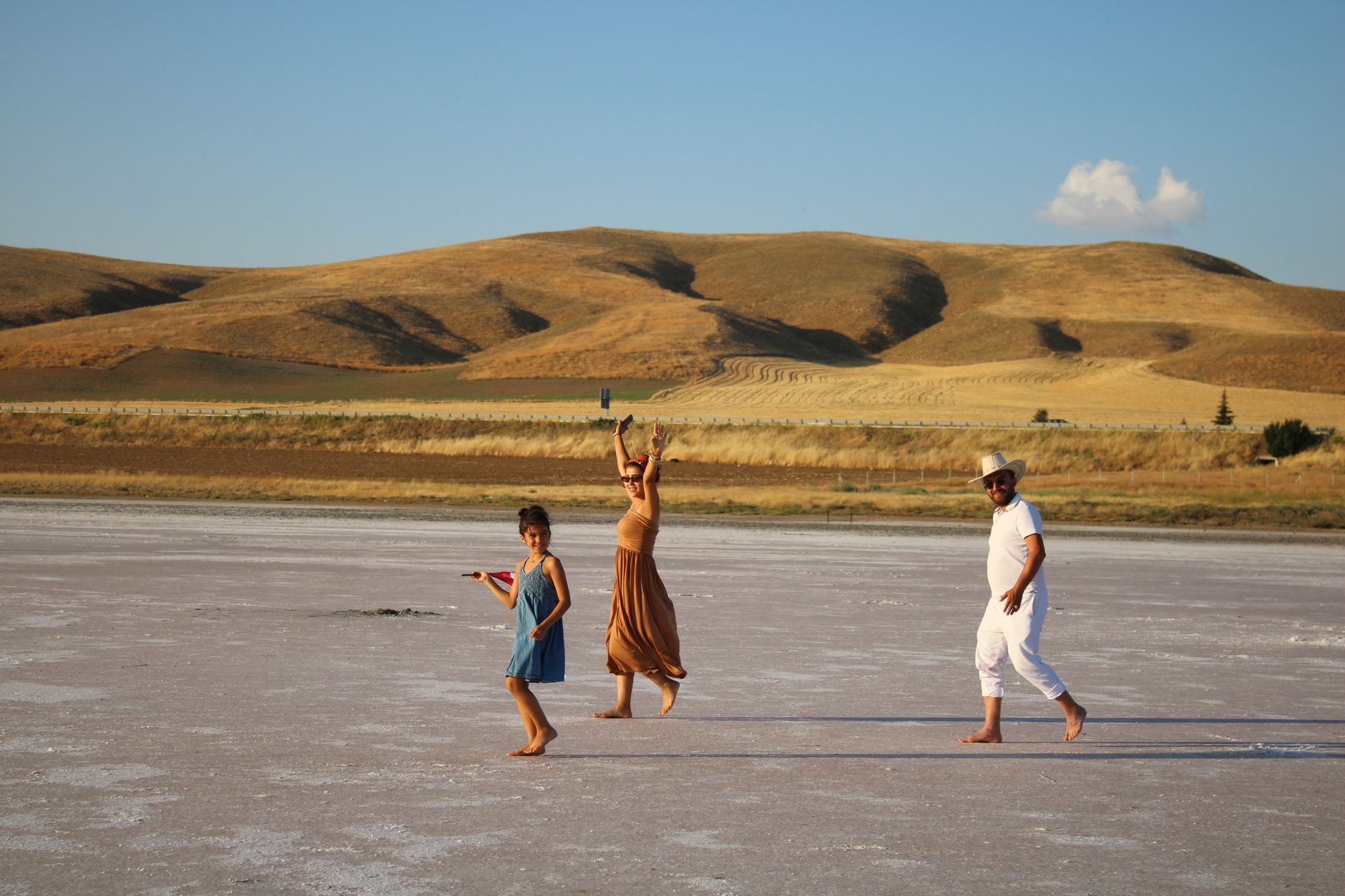
Imagine standing on a boundless expanse of gleaming white, the ground crunching like frozen snow beneath your feet. As far as the eye can see, a mirror-like surface reflects the sky, blurring the line between earth and heaven. This is Lake Tuz (Tuz Gölü), Türkiye's second-largest lake and one of the country's most surreal natural wonders. Located in the heart of Central Anatolia, roughly halfway between Ankara and Konya, this vast salt lake is a geological marvel that transforms with the seasons, offering travelers a landscape that feels both alien and intimately beautiful.
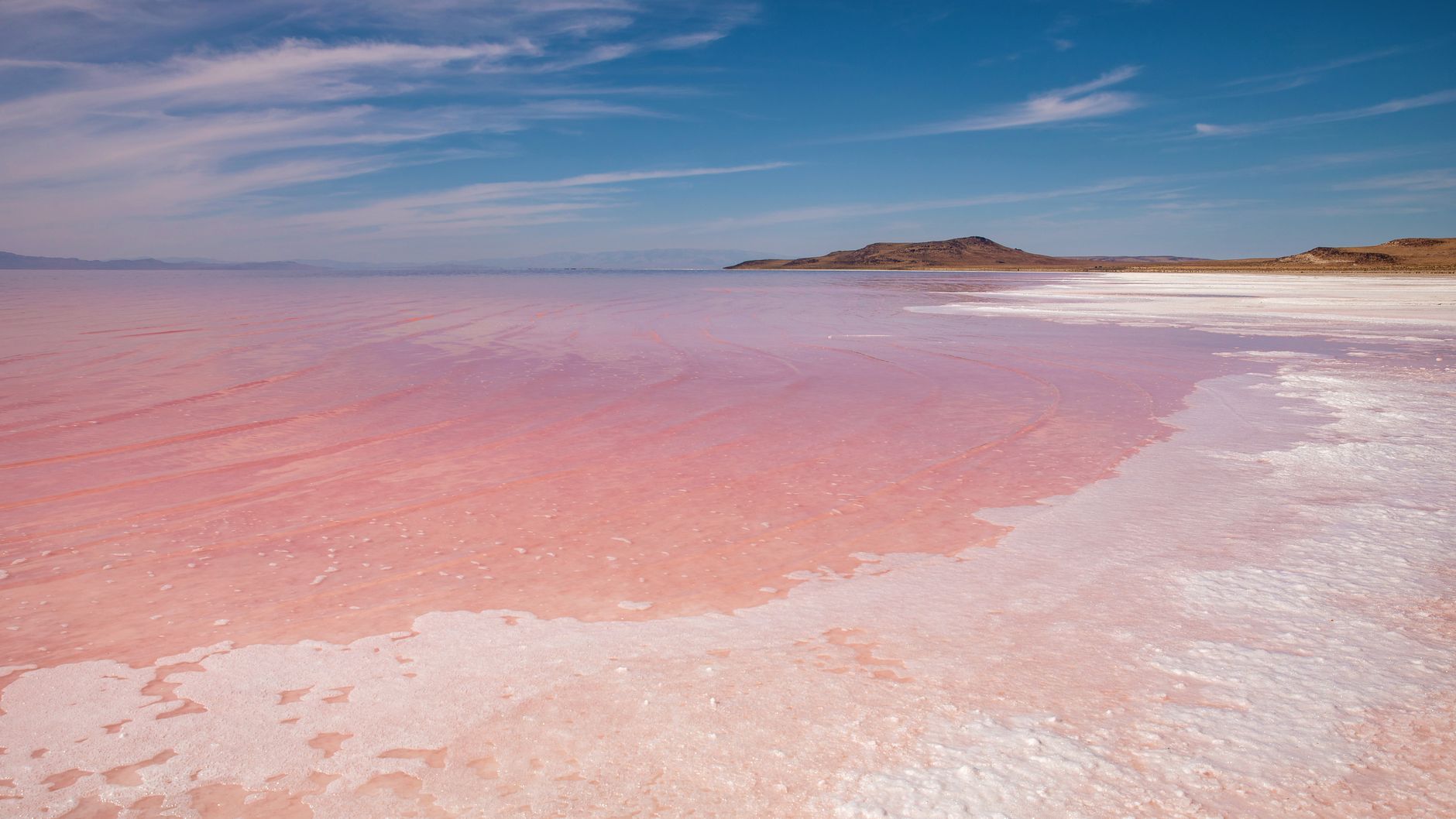
Lake Tuz is not just a pretty sight; it is a vital resource. For millennia, it has supplied Türkiye with salt, and today it produces a significant portion of the nation's salt consumption. But beyond its economic importance, the lake is a place of extraordinary natural phenomena. During spring and summer, when the water level drops, the lake reveals a thick crust of salt that stretches for miles. In certain conditions, microorganisms and minerals tint the shallow waters in shades of pink, red, and orange, creating a dreamlike palette that has made Lake Tuz a favorite among photographers and nature lovers.
Whether you're a road-tripper, a photographer, or simply a curious traveler, Lake Tuz promises an experience that is both humbling and exhilarating. This guide will walk you through everything you need to know to visit this magical place, from the best times to go to the ethical considerations of exploring such a fragile environment.
The Science and Seasons: When and Why Lake Tuz Turns Pink
Lake Tuz is a hypersaline lake, meaning its water contains a high concentration of salt—so high, in fact, that it cannot support most forms of life. The lake is fed by underground springs and seasonal streams, but it has no outlet. As water evaporates under the relentless Anatolian sun, salt and minerals are left behind. During the dry summer months, the lake can lose up to 80% of its water, exposing a dazzling white salt flat that can be several centimeters thick.
The famous pink hues appear primarily in spring and early summer, when the water is still shallow and warm. Specific types of halophilic (salt-loving) algae and bacteria thrive in these conditions, producing pigments that range from soft rose to deep crimson. The intensity of the color depends on the water level, temperature, and sunlight. For the best chance to see the pink phenomenon, plan your visit between April and June. However, note that the lake's appearance can vary dramatically from year to year, so a bit of luck is involved.
In late summer and autumn, the lake often dries out completely, leaving behind a cracked, geometric pattern of salt polygons that looks like a giant jigsaw puzzle. This phase is equally photogenic, especially at sunrise and sunset when the low sun casts long shadows and paints the white surface in gold and pastel tones. Winter brings a different scene: the lake may partially refill, and occasional snowfall dusts the salt flats in a thin layer of white, creating an ethereal, minimalist landscape.
Getting There: Road Trip Routes from Ankara or Cappadocia
One of the best things about Lake Tuz is its accessibility. It lies roughly 150 kilometers south of Ankara and about 200 kilometers north of Konya, making it an ideal stop on a road trip between these two major cities. The most common access point is near the town of Şereflikoçhisar, where a modern visitor center and parking area welcome travelers. From Ankara, take the O-21 motorway south toward Konya; the drive takes about two hours. From Cappadocia (Nevşehir or Göreme), it's about a two-hour drive west via the D300 highway.
If you're relying on public transport, buses run regularly between Ankara and Konya, and some stop at Şereflikoçhisar. However, to truly explore the lake at your own pace—especially for sunrise or sunset—a car is highly recommended. Rental cars are available at both Ankara Esenboğa Airport and Kayseri Erkilet Airport (for Cappadocia). The roads are well-maintained, and the route is straightforward, but do keep an eye on your fuel gauge, as gas stations can be sparse in the more remote sections.
For those with more time, consider a loop that includes both Lake Tuz and the nearby Ihlara Valley or the underground cities of Cappadocia. The routes section on our site offers detailed itineraries that combine these highlights. Alternatively, if you're starting from Ankara, you might explore the city's ancient citadel and museums before heading south. Our destinations guide has plenty of inspiration for extending your trip.
Photography and Ethics: Capturing the Salt Flats Responsibly
Lake Tuz is a photographer's paradise, but it's also a fragile ecosystem. The salt crust can be easily damaged by footprints and vehicles, and the microorganisms that create the pink color are sensitive to disturbance. When you visit, please follow these guidelines to ensure the lake remains pristine for future generations. First, stick to designated paths and viewing areas wherever possible. If you must walk on the salt flat, do so gently and avoid areas where the crust is thin or cracked.
Second, never drive onto the salt flat. It may look solid, but the surface can be deceiving, and vehicles can sink or leave permanent scars. Park in designated areas only. Third, take all your trash with you—there are limited facilities, and litter can harm wildlife. Finally, be mindful of the flamingos and other birds that inhabit the lake. They are especially vulnerable during breeding season (spring and early summer), so keep a respectful distance and use a telephoto lens rather than approaching them.
For the best photos, aim for the golden hours: shortly after sunrise or before sunset. The low angle of the sun creates dramatic reflections and highlights the textures of the salt. A polarizing filter can help reduce glare and enhance the sky's colors. If you're hoping to capture the pink hues, visit in late spring and look for shallow pools where the algae are concentrated. Don't forget to bring a wide-angle lens to capture the vastness of the landscape, and a macro lens for close-ups of salt crystals. And of course, protect your gear from the salty environment—a rain cover or plastic bag can be a lifesaver.
Beyond the Salt: Flamingos, Şereflikoçhisar, and Nearby Attractions
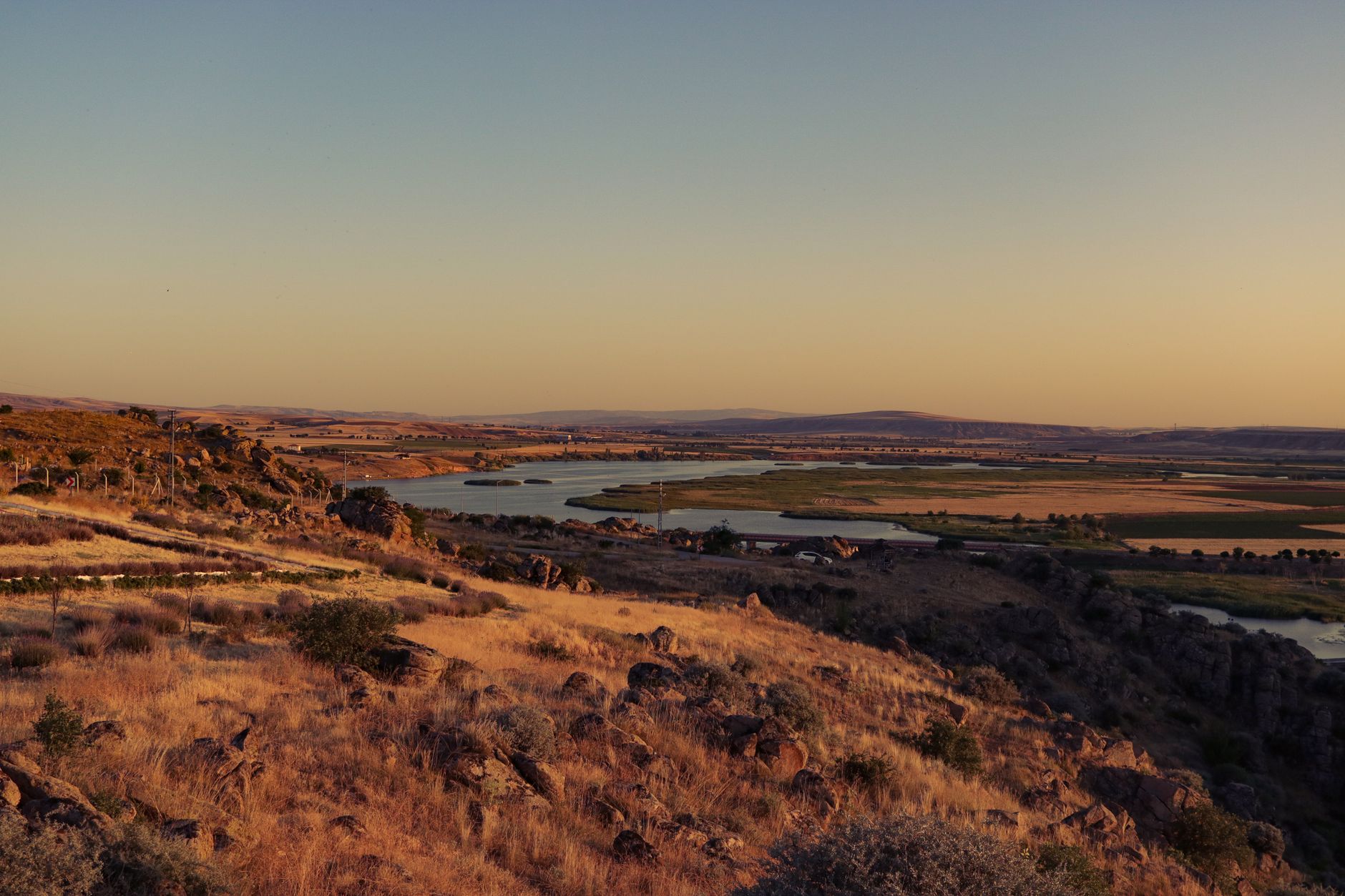
Lake Tuz is not just about salt; it's also a critical habitat for wildlife. The lake is a designated Important Bird Area and a Ramsar site, hosting thousands of flamingos, as well as ducks, geese, and other waterbirds. The best place to observe flamingos is near the southern shores, particularly around the town of Şereflikoçhisar. In spring, you might see vast flocks of these elegant pink birds feeding in the shallow waters—a sight that is both thrilling and humbling.
Şereflikoçhisar itself is a small, traditional town that offers a glimpse of rural Anatolian life. The name means "honorable Koçhisar," and it has a history dating back to the Hittites. While it's not a major tourist destination, it's a convenient base for exploring the lake. There are a few modest hotels and restaurants where you can try local specialties like tandır kebab or gozleme. The town's Seljuk-era mosque and the ruins of a Byzantine fortress are worth a quick look if you have time.
For those interested in more natural wonders, the nearby Tuz Gölü Kanyonu (Salt Lake Canyon) is a lesser-known gem. Located about 30 kilometers east of the lake, this canyon features dramatic rock formations and a small stream, offering a cool retreat from the arid plains. Additionally, the ancient city of Tyana, near the modern town of Kemerhisar, is an archaeological site with Roman ruins that history buffs will appreciate. If you're heading toward Konya, don't miss the opportunity to visit the Mevlana Museum, the spiritual home of the Whirling Dervishes, or the neolithic site of Çatalhöyük, one of the world's oldest known settlements.
Practical Tips: What to Bring, Wear, and Expect
Visiting Lake Tuz requires some preparation. The environment is extreme: summers are scorching, with temperatures often exceeding 35°C (95°F), and there is little shade. Winters can be bitterly cold, with biting winds. The sun reflects intensely off the white salt, so sunglasses and high-SPF sunscreen are essential year-round. Wear sturdy, comfortable shoes that you don't mind getting salty—the crust can be sharp in places. A hat and breathable, light-colored clothing will help you stay cool in summer, while layers and a windproof jacket are necessary in winter.
Bring plenty of water and snacks, as there are limited facilities around the lake. The visitor center near Şereflikoçhisar has restrooms and a small café, but it may be closed in the off-season. It's also a good idea to carry a basic first-aid kit and a fully charged phone, though signal can be spotty in remote areas. If you're planning to stay for sunset, bring a flashlight or headlamp for the walk back to your car.
Lastly, respect the local culture. The area is conservative, so dress modestly, especially if you plan to visit nearby towns or villages. Always ask permission before photographing people. And remember that Lake Tuz is a place of natural wonder—leave only footprints, take only memories. For more practical advice on traveling in Türkiye, check out our travel tools and best time to visit guides.
Combining Lake Tuz with Ankara and Cappadocia
Lake Tuz is perfectly positioned for a road trip that combines the urban delights of Ankara with the fairy-tale landscapes of Cappadocia. Start in Ankara, where you can explore the Museum of Anatolian Civilizations, the mausoleum of Atatürk (Anıtkabir), and the bustling Kızılay district. After a day or two, rent a car and drive south to Lake Tuz. Spend a night in Şereflikoçhisar or, for a more comfortable stay, continue to Konya, which has a range of hotels and restaurants.
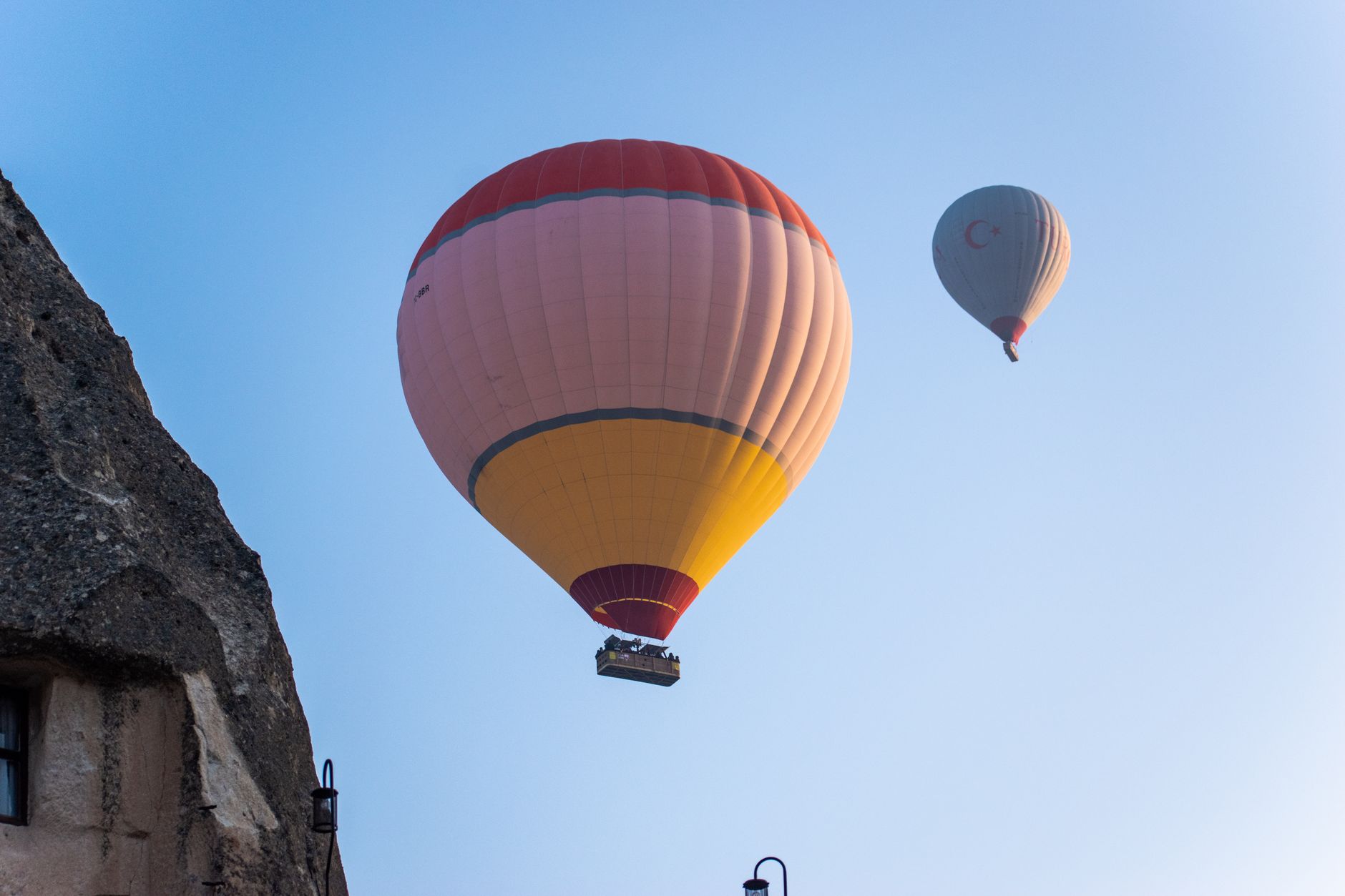
From Konya, you can either loop back to Ankara or continue east to Cappadocia. The drive from Konya to Göreme takes about three hours, passing through scenic countryside. In Cappadocia, you'll find ancient cave dwellings, underground cities, and the iconic hot air balloons that rise at dawn. This route allows you to experience three distinct facets of Türkiye: the modern capital, the surreal salt flats, and the geological wonders of Cappadocia.
If you're short on time, you can also visit Lake Tuz as a day trip from Ankara. The round trip is about 300 kilometers, leaving ample time to explore the lake and have lunch in Şereflikoçhisar. However, to fully appreciate the changing light and the tranquility of the lake, an overnight stay is highly recommended. For detailed itineraries, see our itineraries page, and if you need personalized advice, our experts can help you plan the perfect trip.
No matter how you choose to visit, Lake Tuz will leave you with a sense of wonder. Its stark beauty, scientific intrigue, and ecological significance make it a must-see destination in Türkiye. So pack your camera, lace up your boots, and prepare to be amazed by this shimmering sea of salt.
Thinking about a trip to Turkey?
Share your contact details and a vetted local expert will follow up with a plan built around you — free, no obligation.