
Why Türkiye's Holiday Calendar Is a Family Travel Superpower
Türkiye is a dream destination for families: safe, welcoming, and packed with beaches, ancient cities, boat trips and food that even picky eaters adore. But timing your trip around school holidays and public celebrations can transform a good holiday into a great one. The country's calendar has a rhythm all its own — a long summer break, a mid-term autumn rest, a spring break, and two nationwide Bayram (religious festival) periods that bring vibrant energy and family-focused celebrations.
Understanding these windows helps you decide when to embrace the buzz and when to slip into calmer, better-value weeks. The good news? There is no bad time to visit Türkiye with children — only different flavours of wonderful. Whether you want water parks and fireworks or quiet coves and empty museums, the calendar is your friend.
This guide walks you through Türkiye's school holidays, public holidays and Bayram periods, with upbeat suggestions for quieter, value-rich windows. Think of it as your family's seasonal compass. For a broader look at weather and seasons, see our best time to visit guide.
The Turkish School Year at a Glance
Türkiye's school year typically runs from early September to mid-June, with a two-week mid-term break in November and a two-week spring break in April. The summer holiday stretches from mid-June to early September — a glorious, long stretch that coincides with the hottest weather and the liveliest atmosphere along the coast.
For families, this means summer is peak season almost everywhere. But it's also when seaside resorts pull out all the stops: kids' clubs, aqua parks, evening entertainment and buffet dinners that make life easy. If your children thrive on activity and company, summer is magical. If you prefer gentler pace, consider the shoulder weeks just before or after the summer crowds.
The mid-term and spring breaks are excellent for city trips and cultural exploration, as domestic families often head to Istanbul, Ankara or İzmir for museums and events. Meanwhile, the weeks when Turkish schools are in session can be delightfully quiet at major sights — a hidden gift for travelling families who can flex their dates.

Public Holidays and Bayram Periods: What Families Should Know
Türkiye observes several public holidays, including New Year's Day, National Sovereignty and Children's Day (23 April), Labour Day (1 May), Commemoration of Atatürk, Youth and Sports Day (19 May), Democracy and National Unity Day (15 July), Victory Day (30 August), and Republic Day (29 October). These days often come with parades, fireworks and free events — especially 23 April, when children take centre stage with performances and festivities across the country. It's a fantastic time to be a kid in Türkiye!
The two major Bayram periods — Ramadan Bayram (Eid al-Fitr) and Sacrifice Bayram (Eid al-Adha) — are the heart of Turkish family life. During these festivals, cities empty out as families travel to be together, and coastal resorts fill with holidaymakers. Expect joyful atmospheres, special sweets, and extended family gatherings. Transport and accommodation book up early, so plan ahead if your trip overlaps.
But here's the upside: Bayram is a wonderful cultural experience for visitors. Children receive treats and small gifts, streets are decorated, and there's a palpable sense of celebration. If you're travelling with kids, they'll love the festive spirit. Just be aware that some shops and restaurants may close for a few days, and popular spots can be busy. For more cultural insights, explore our guides.
Peak Windows: When to Embrace the Energy
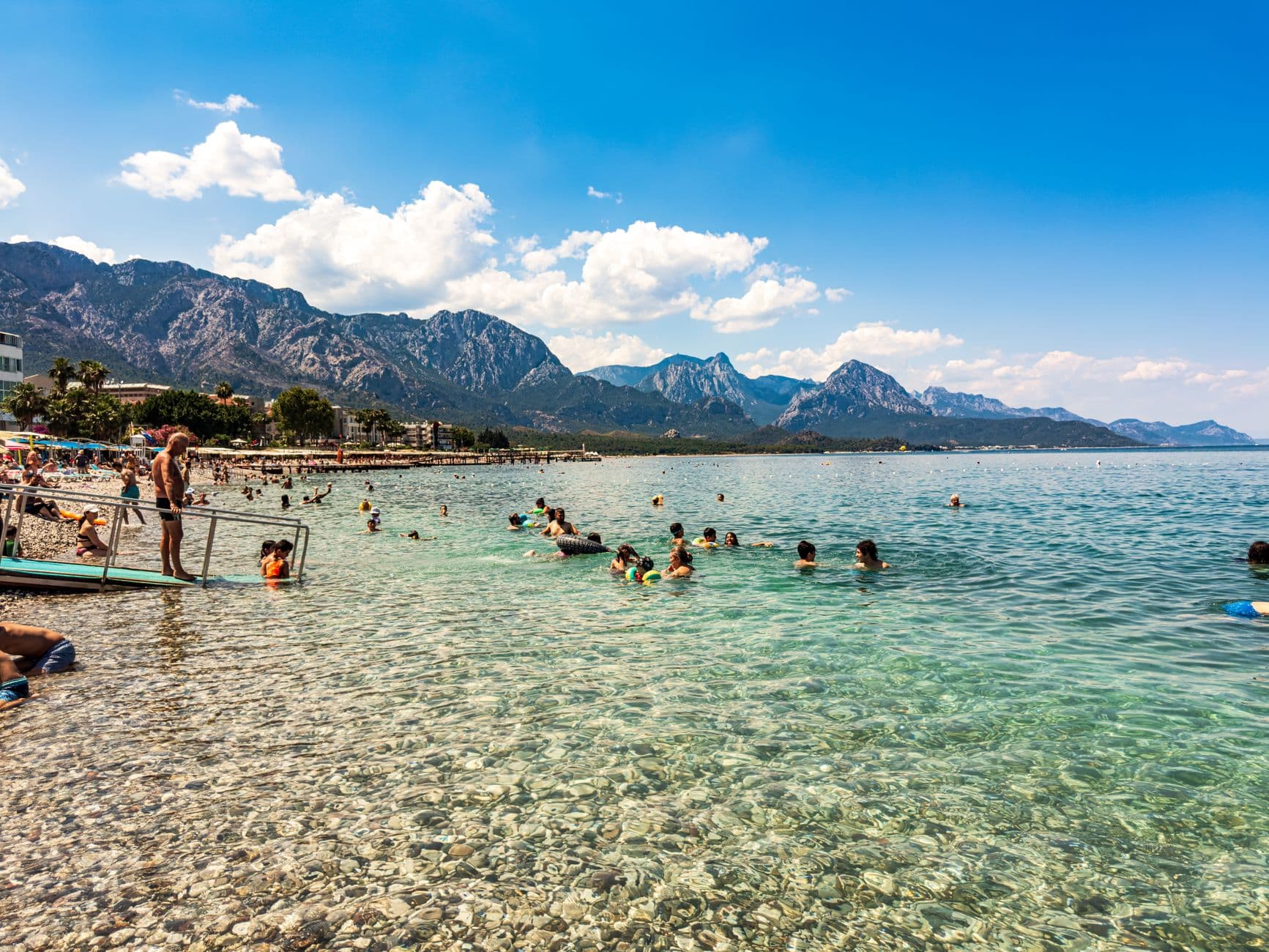
Summer (late June to early September) is the undisputed peak. The Mediterranean and Aegean coasts hum with families enjoying beach days, boat trips and ice cream. Resorts are geared up for children, and the weather is reliably sunny. Yes, it's busy, but the infrastructure is built for it — and the memories are priceless.
Bayram periods, especially the longer Sacrifice Bayram, see a mass migration to the coast. If you're after a classic seaside holiday with a festive twist, this is your moment. Book early and enjoy the camaraderie. Similarly, the mid-term break in November and spring break in April are peak for domestic city breaks; Istanbul's museums and palaces may have queues, but the energy is contagious.
During these peak windows, consider lesser-known destinations to balance the crowds. For example, instead of crowded Bodrum, try the Datça Peninsula; instead of central Antalya, look at Side or Alanya's quieter bays. Our destinations page has plenty of inspiration.
Peak season isn't a problem to solve — it's a party to join. With a little planning, your family can enjoy the best of Türkiye's festive spirit without the stress.
Quiet Windows: Shoulder Seasons and Hidden Gems
The quietest and often most rewarding windows fall in late September to early November and late April to early June, when Turkish schools are in session and the summer crowds have dissipated. The weather is still lovely — warm seas, mild air — and prices for accommodation and activities often drop. Museums are calmer, beaches are spacious, and you can often have a cove almost to yourselves.
Another sweet spot is the two-week mid-term break in November, but avoid the first few days when domestic travellers are on the move. Later in the month, cities like Istanbul and Izmir are cool but cozy, with fewer queues at family-friendly attractions like the Rahmi M. Koç Museum or Istanbul Aquarium.
Early spring (March to mid-April) is another gem. The landscape is green, wildflowers bloom, and popular sites like Ephesus or Pamukkale are far less crowded. Just pack layers, as weather can be changeable. For more on shoulder-season charm, see our blog.
Practical Planning: Booking, Transport and Budget
When planning around school holidays, booking early is your best friend. For peak summer and Bayram periods, aim to reserve accommodation and transport at least three to six months ahead. Domestic flights and intercity buses fill quickly during Bayram, so secure those first. Trains, like the high-speed YHT, are family-friendly and comfortable but also sell out.
Budget-wise, peak periods come with higher prices, but you can offset by choosing self-catering apartments or all-inclusive resorts that bundle meals and activities. Shoulder seasons offer excellent value — sometimes 30-50% lower than summer rates. Use our travel tools to compare costs and find deals.
For family-friendly itineraries that work across seasons, check our itineraries. And if you need personalised advice, our local experts can help tailor your trip to your family's needs.
Seasonal Highlights for Families
Spring (April–May): Mild weather, blooming nature, and fewer crowds. April includes National Sovereignty and Children's Day on 23 April — a fantastic time for kids to experience Turkish festivities. Consider Istanbul's tulip festival or the beaches of Antalya before the summer rush.
Summer (June–August): Beach heaven. Long days, warm sea, and endless activities. Resorts run kids' clubs and entertainment. It's busy but buzzing. For a quieter base, try the lesser-developed parts of the Lycian coast.
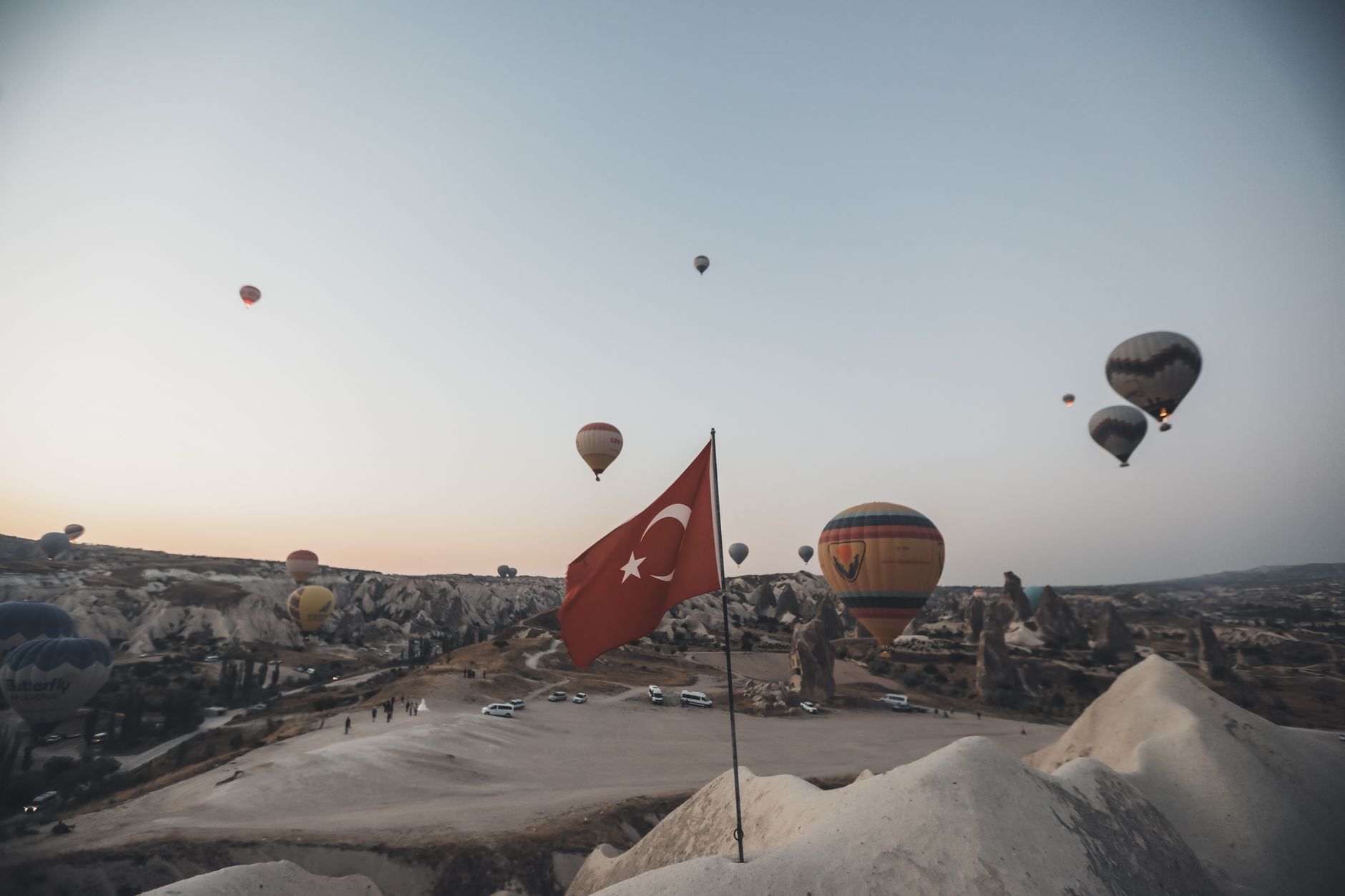
Autumn (September–October): The golden window. Sea is still warm, crowds thin out, and prices drop. Perfect for exploring ancient sites with children without the heat or queues. Cappadocia is magical in autumn, with balloon rides and gentle hikes.
Winter (November–March): Quiet and atmospheric. Istanbul's museums are calm, and ski resorts like Erciyes and Kartalkaya offer family fun. November's mid-term break can be a good time for city breaks, but check dates. December brings festive lights and New Year celebrations.
Wherever you go, Türkiye's warmth and hospitality shine through. For more inspiration, explore our routes and gallery.
Final Thoughts: Finding Your Family's Perfect Window
Türkiye's holiday calendar offers a spectrum of experiences. Whether you're drawn to the lively energy of summer and Bayram, or the serene charm of shoulder months, there's a perfect window for your family. The key is to plan with awareness, book smartly, and embrace the unique character of each season.
Remember, peak times are not something to fear — they're a chance to join in the fun. And quiet times are not lacking in things to do — they're an opportunity to discover a more relaxed side of Türkiye. With this guide, you're well on your way to timing your trip just right.
For more help, visit our FAQ or contact us. Happy travels!
Thinking about a trip to Turkey?
Share your contact details and a vetted local expert will follow up with a plan built around you — free, no obligation.