

Why Pick Your Own Fruit in Türkiye?
There's a particular kind of magic in stepping into an orchard in Türkiye. The air smells of sun-warmed leaves and ripe fruit, children run between rows of trees with baskets swinging, and a farmer waves you over to taste the sweetest specimen on the branch. Pick-your-own fruit experiences (kendi meyveni topla) are a beloved summer and autumn tradition for Turkish families, and visitors are warmly welcomed to join in.
What makes it so special? It's affordable—often just a few lira per kilogram, far less than supermarket prices—and it's an immersive way to connect with the land and its people. Turkish farm families take real pride in their orchards, and many will happily show you how to twist a fig from its stem or select the perfect apricot. For children, it's a hands-on lesson in where food comes from; for adults, it's a nostalgic return to simpler pleasures.
Türkiye's diverse climate means there's almost always something ripe somewhere: cherries and strawberries in late spring, apricots and mulberries in early summer, figs and peaches in late summer, and pomegranates and quinces in autumn. This guide will help you plan a family-friendly orchard visit, region by region and season by season.
Cherries: A Late Spring Delight in the North and West
Cherry season kicks off in late May and runs through June, with the epicenter in the fertile valleys around Isparta, Afyonkarahisar, and the Marmara region. The village of Kiraz (literally "cherry") near Izmir even hosts an annual cherry festival. In the north, the Black Sea region's Amasya is famous for its cherries, particularly the dark, glossy Napolyon variety.
Most orchards are family-run and charge by the kilo—you pick, they weigh, you pay. Some also offer a small picnic area where you can enjoy your harvest with cheese, bread, and tea. It's a wonderful way to spend a morning before the afternoon heat sets in.
What to bring: Sun hats, sunscreen, comfortable closed-toe shoes (orchard grass can be uneven), and a few reusable bags or baskets. Many farms provide buckets, but it's best to ask ahead.
Combine with: In Isparta, visit the rose gardens and lavender fields (blooming in June–July). Near Amasya, explore the rock tombs of the Pontic kings and the scenic Yeşilırmak River.
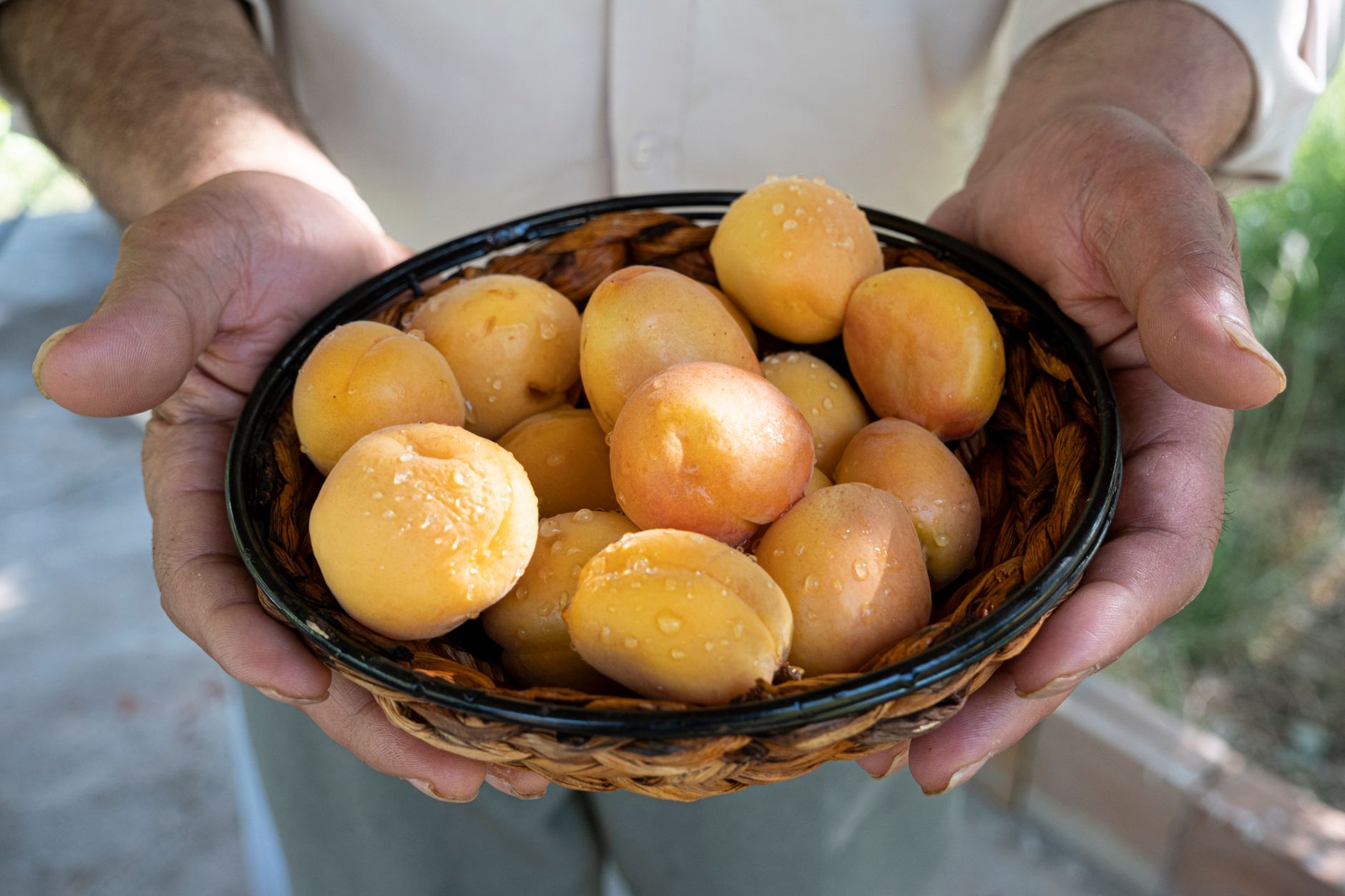
Apricots and Mulberries: Early Summer in the East and Southeast
By late June, the apricot season is in full swing, especially in Malatya, which produces about 80% of Türkiye's apricots. The region's dry, sunny climate yields fruit with intense sweetness. Orchard visits here often include a taste of fresh kayısı right off the tree, plus the chance to see how apricots are dried on rooftops—a centuries-old tradition.
Further southeast, in Şanlıurfa and Mardin, mulberries (dut) ripen in June. These fragile, sweet-tart berries are rarely found in markets because they bruise easily, making orchard picking the best way to enjoy them. Families often spread a cloth under the tree and gently shake the branches, letting the berries rain down.
What to bring: A light long-sleeved shirt to protect against branches, a hat, and a cooler bag if you plan to transport fragile fruit. In Malatya, you can also buy delicious apricot products—jams, leathers, and dried fruit—directly from the farm.
Combine with: In Malatya, visit the ancient site of Arslantepe and the bustling bazaar. In Mardin, wander the old stone streets and enjoy the view over the Mesopotamian plains.
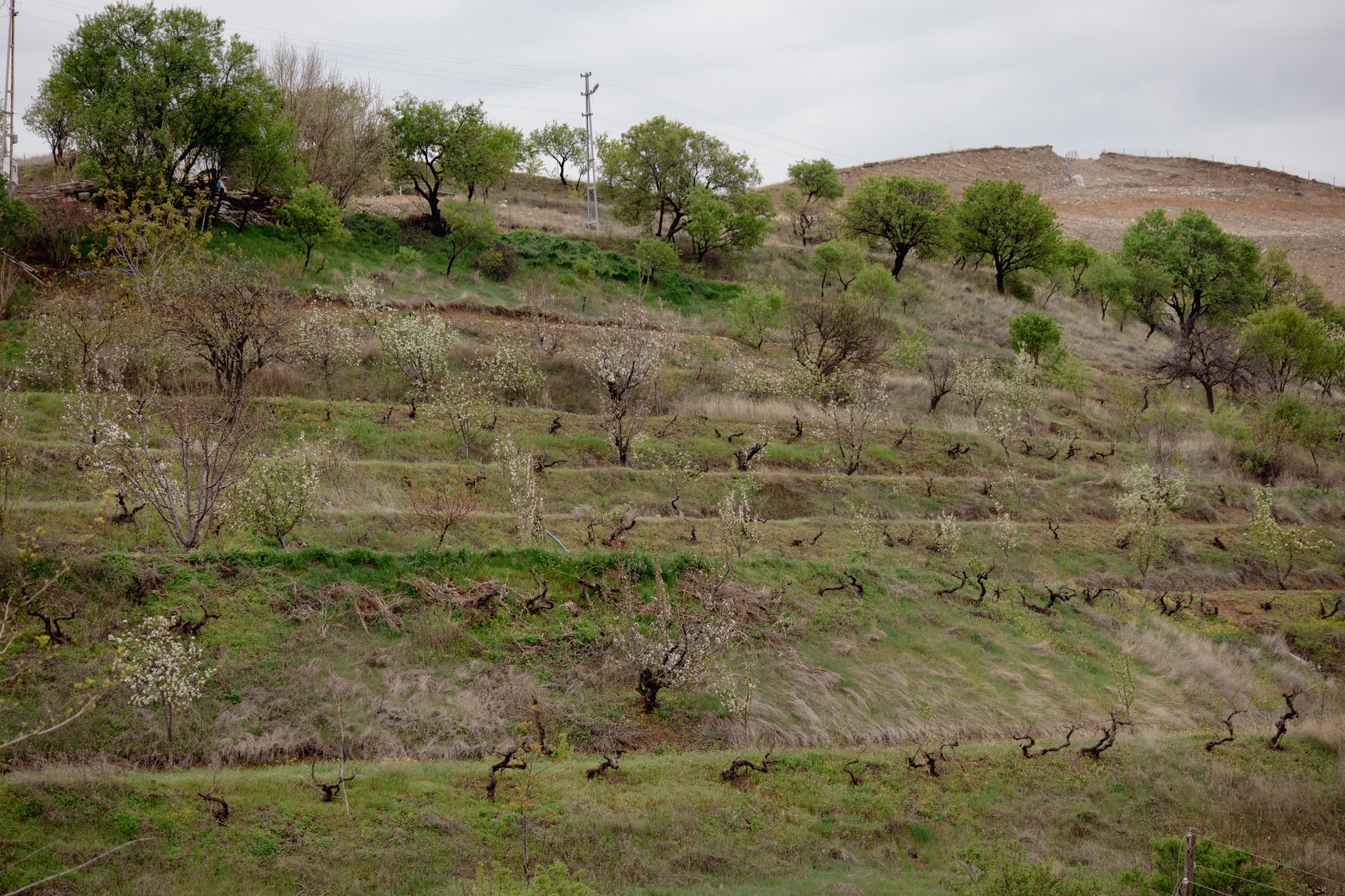
Figs: Late Summer Gold on the Aegean and Marmara Coasts
August is fig season, and the Aegean region is the heartland. Aydın and the surrounding villages produce the renowned sarılop fig, prized for its honeyed flavor. Many orchards welcome visitors for picking, and some offer guided tours that explain the drying process—figs are laid out on wooden racks under the sun, a sight that delights photographers.
On the Marmara coast, around Bursa, you'll find both figs and peaches. The region's orchards are often part of larger farms that also grow olives and grapes, so you can make a day of it. Children love the treasure-hunt aspect of searching for the ripest figs, which hang like purple jewels.
What to bring: Wet wipes (fig sap is sticky), a container for fragile fruit, and plenty of water. Some farms provide gloves, but it's wise to bring your own.
Combine with: In Aydın, explore the ancient city of Aphrodisias or the travertines of Pamukkale (about 2 hours away). In Bursa, visit the Grand Mosque, the Green Tomb, and the silk bazaar.
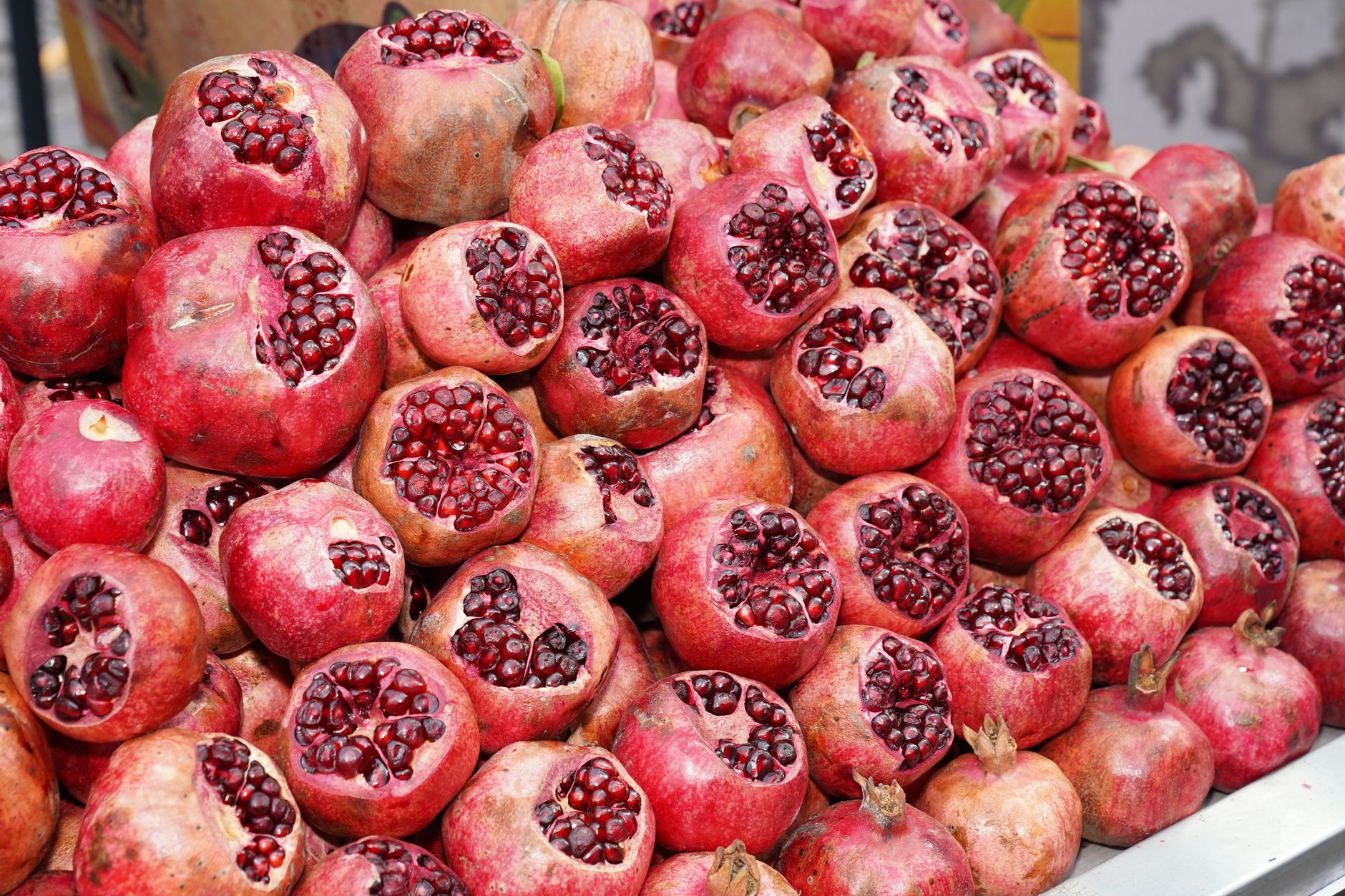
Pomegranates: Autumn's Ruby Harvest in the South and Southeast
From September through November, pomegranates (nar) take center stage. The southeast, particularly Şanlıurfa and Gaziantep, is famous for its pomegranate orchards. The fruit is celebrated in local cuisine—think pomegranate syrup (nar ekşisi) drizzled over salads and kebabs. Picking a pomegranate is a tactile pleasure: the heavy fruit, the leathery skin, and the reward of ruby-red arils inside.
In the Mediterranean region, around Antalya and Mersin, pomegranates ripen later, sometimes into December. Many orchards here are family-friendly, with low-hanging fruit for children to reach. Some farms also offer fresh pomegranate juice pressing on-site.
What to bring: Old clothes (pomegranate juice stains), a sharp knife for cutting fruit (if you plan to sample immediately), and a bag for the harvest. Wear sturdy shoes, as orchard grounds can be dusty.
Combine with: In Gaziantep, don't miss the Zeugma Mosaic Museum and the city's legendary baklava. In Antalya, explore the old town of Kaleiçi, the Düden Waterfalls, and the ancient ruins of Perge.
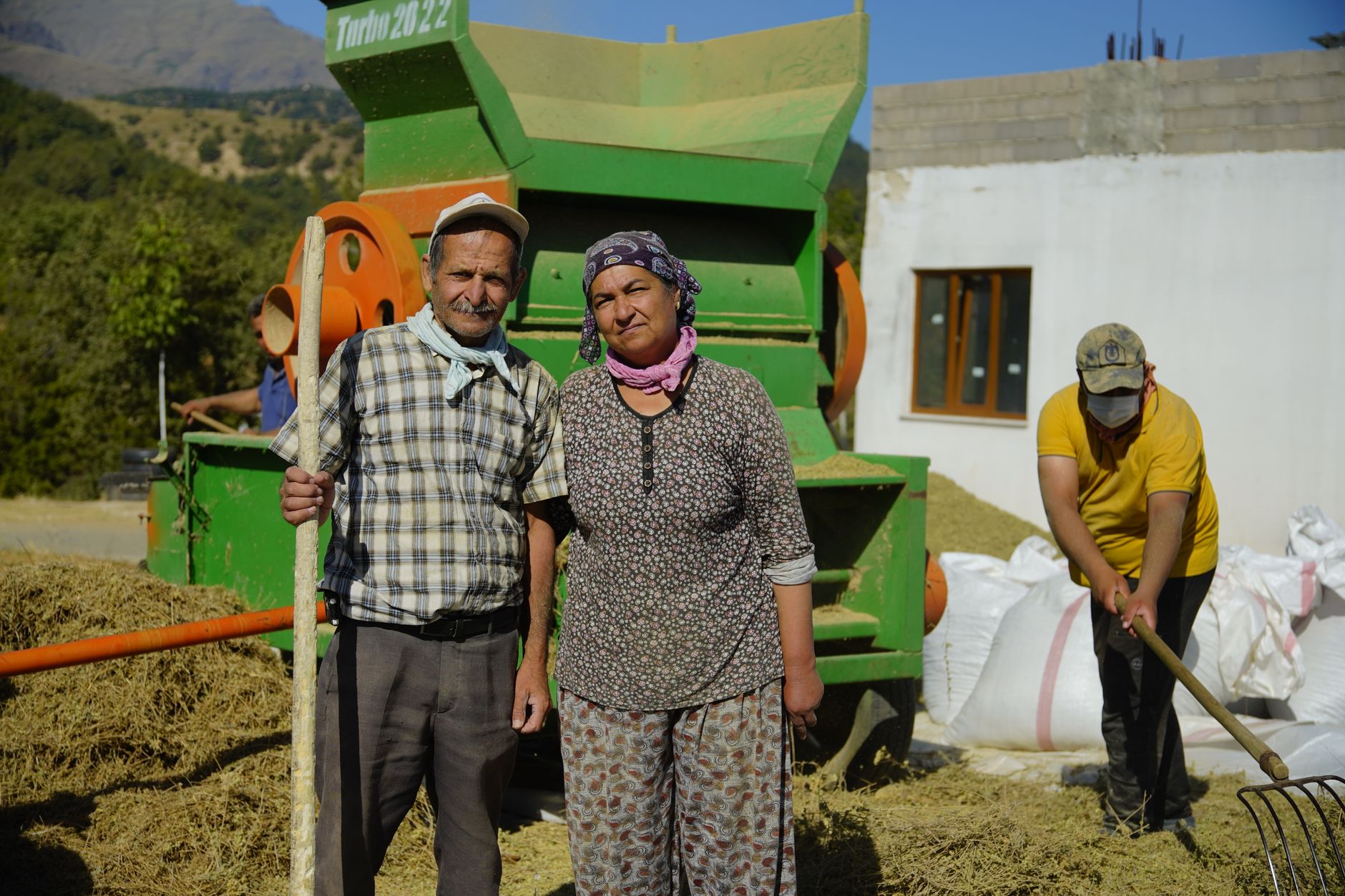
How Orchard Visits Work: Practical Advice for Families
Most pick-your-own orchards in Türkiye operate informally. You'll often see a sign by the road or hear about a farm through word-of-mouth. It's best to call ahead (or ask your hotel to call) to confirm opening hours and availability—fruit ripens on nature's schedule, not a calendar. When you arrive, the farmer will typically give you a bucket or basket and point you to the rows ready for picking.
Payment is usually by weight, and prices are refreshingly low—often 10–30 TL per kilogram, depending on the fruit and region. Some farms have a minimum charge or ask you to pay for what you pick, so be mindful not to over-pick. Children are almost always welcome, but keep an eye on them around ladders and machinery.
It's also common for farmers to offer you tea or a piece of fruit as a welcome. Accepting is a lovely gesture of hospitality. Don't be shy to ask questions—many farmers are proud of their produce and happy to share tips on selecting the best fruit. If you don't speak Turkish, a translation app or a few phrases go a long way.
What to Bring: A Family Checklist
Packing the right items can make or break your orchard adventure. Here's a handy checklist:
- Sun protection: Hats, sunscreen, sunglasses, and light long sleeves.
- Footwear: Closed-toe shoes or sturdy sandals—no flip-flops.
- Containers: Reusable bags, baskets, or a cooler bag for fragile fruit.
- Water and snacks: Stay hydrated; some farms have picnic areas.
- Wet wipes and hand sanitizer: Fruit juice can be sticky.
- Cash: Many small farms don't accept cards.
- Camera: The orchards are photogenic, and memories are priceless.
Also consider bringing a small cooler if you plan to transport fruit over long distances, and a knife for sampling (but always ask permission before cutting fruit you haven't paid for).
Combining Picking with Nearby Sights: Sample Itineraries
One of the joys of orchard visits is that they can be seamlessly combined with cultural exploration. Here are a few ideas:
Isparta & Lavender: In June, pick cherries in the morning, then visit the lavender fields around Kuyucak village. The purple blooms and cherry orchards make for a perfect spring day.
Malatya & Arslantepe: After apricot picking, head to the UNESCO-listed Arslantepe Mound, one of the world's oldest archaeological sites. End with a dinner of kebab and apricot dessert.
Aydın & Aphrodisias: Spend the morning picking figs, then drive to the ancient city of Aphrodisias, a remarkably preserved Roman site. In the evening, relax at a local pansiyon.
Gaziantep & Zeugma: Pick pomegranates in the morning, then immerse yourself in the Zeugma Mosaic Museum, home to the famous Gypsy Girl mosaic. Finish with a plate of pistachio baklava.
These combinations offer a rich blend of nature, history, and gastronomy—the essence of a Turkish family holiday.
Tips for a Respectful and Enjoyable Visit
Turkish farm families are incredibly hospitable, and a few simple courtesies will enhance your experience. Always ask before entering an orchard, even if it looks open. Follow the farmer's instructions on which rows to pick and how to harvest without damaging the trees. Don't waste fruit—only pick what you'll use or pay for. And if you've enjoyed your visit, a sincere teşekkürler (thank you) goes a long way.
Remember that farming is hard work, and your visit supports local livelihoods. Many families rely on direct sales to survive, so buying a little extra to take home is a meaningful way to show appreciation. You'll also be rewarded with the freshest, most flavorful fruit you've ever tasted.
Finally, embrace the slower pace. Orchard visits aren't about efficiency; they're about connection—with nature, with your family, and with the generous people who grow our food. So take your time, breathe in the sweet air, and let the kids get a little dirty. That's what memories are made of.
Thinking about a trip to Turkey?
Share your contact details and a vetted local expert will follow up with a plan built around you — free, no obligation.