

There is a particular pleasure in walking into a provincial Turkish museum at ten in the morning, finding the ticket desk empty, and standing five minutes later in front of a marble sarcophagus that would draw queues in any European capital. Türkiye's great national collections — the Museum of Anatolian Civilizations in Ankara, the Istanbul Archaeology Museums, the Antalya and Şanlıurfa museums — deserve their fame. But the country's regional archaeology museums, tucked into mid-sized towns, offer something the blockbusters cannot: unhurried, well-lit rooms where the guard nods good morning and you can circle a Hittite relief as many times as you like. What is striking is not that these small museums exist, but how carefully they are curated. Labeling is bilingual, lighting is controlled, object rotation is taken seriously, and the storytelling often reaches beyond the region to place a single bronze or stele in the sweep of Anatolian history. This guide picks three of the finest — Afyonkarahisar, Amasya and Çanakkale — and shows how to make each the anchor of a half-day walk.
Why Türkiye's Regional Museums Punch Above Their Weight
Türkiye sits on an archaeological layer cake: Phrygian, Lydian, Greek, Roman, Byzantine, Seljuk and Ottoman strata often lie within metres of one another, and construction projects in even small towns routinely turn up sculpture, coin hoards and inscriptions. The result is a distributed national collection. Instead of hauling everything to Ankara or Istanbul, the Ministry of Culture and Tourism maintains a network of regional museums that keep finds close to where they were unearthed — which means a visitor to Afyonkarahisar sees Phrygian and Roman marble from the immediate vicinity, not a generic survey of Anatolia.
The curatorial care shows in small details. Object labels typically give the findspot, the date and the material, and many museums now include English alongside Turkish and a short contextual panel explaining what the object was used for and how it was found. Sculpture gardens and open courtyards are used to display larger pieces in natural light. Coin and seal collections are arranged chronologically rather than dumped in cases. For travellers used to regional museums elsewhere being dusty afterthoughts, the standard here is a pleasant surprise — and a strong argument for building a trip around them rather than treating them as rainy-day filler.
There is also the sheer value. Ticket prices at regional museums are modest, and many are covered by the national museum pass. Because they are rarely crowded, you can spend twenty minutes with a single object, photograph it, read the label twice, and come back after lunch. Combine that with the fact that each of these towns is a pleasure in its own right — Afyon for its castle rock and cuisine, Amasya for its river gorge and Ottoman houses, Çanakkale for its strait and battlefields — and you have the ingredients for a genuinely rewarding half-day.
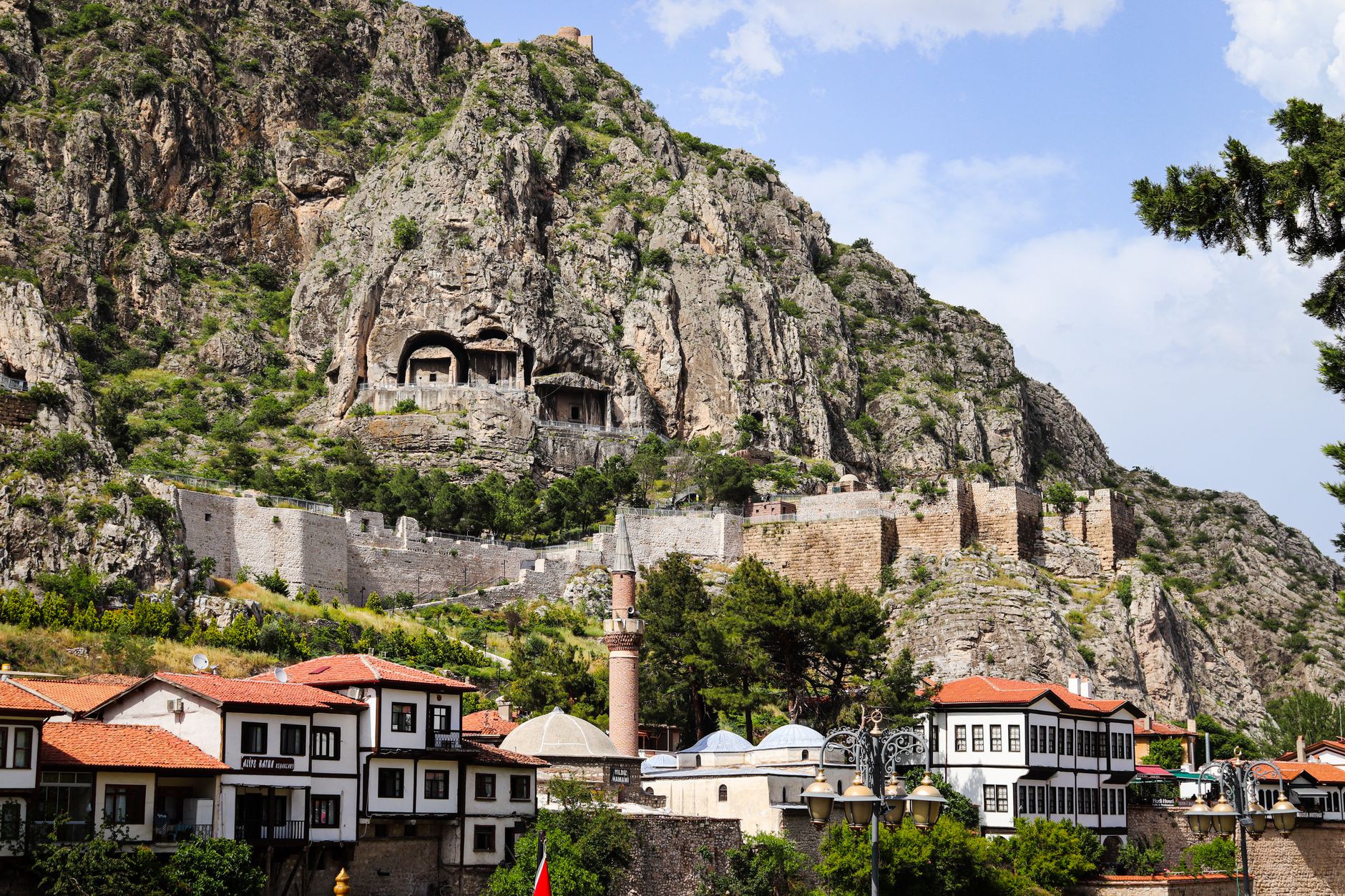
Afyonkarahisar: Phrygian Marbles Beneath a Castle Rock
Afyonkarahisar's archaeology museum is the kind of place where you walk in expecting a modest local collection and leave having seen Roman sculpture of real quality. The town sits at a crossroads of ancient Phrygia, and the surrounding plains have yielded marble statuary, funerary stelae and inscriptions that fill the galleries. Highlights include a fine ensemble of Roman-era sculpture and carved marble from the region, plus a deep collection of coins and small finds that traces continuous habitation from the Bronze Age through the Ottoman period. The displays are staged with enough space that you can see the carving on all sides of a piece, which matters more than it sounds.
The museum fits naturally into a morning walk. Start early at the base of the dramatic castle rock that dominates Afyon — the citadel itself is a steep climb but worth it for the view over the plain — then descend to the museum for a focused ninety minutes. Because the town is compact, you can walk between the two, and the route passes through ordinary streets that give a sense of daily life beyond the tourist circuit.
Afyon is also one of Türkiye's great food towns, famous for sucuk (spiced beef sausage), kaymak (clotted cream) and lokum. A museum morning followed by a long lunch is the correct rhythm here. If you are planning a wider loop through the interior, our itineraries section has route ideas that connect Afyon with the Phrygian valleys and the Aegean. And if you are weighing when to travel, the best-time guide will help you avoid the July–August heat that makes a midday castle climb unwise.
Practical notes: allow 60–90 minutes for the museum, more if the coin collection absorbs you. Check opening hours before you go — regional museums often close for lunch or operate reduced hours in winter. Photography without flash is generally permitted.
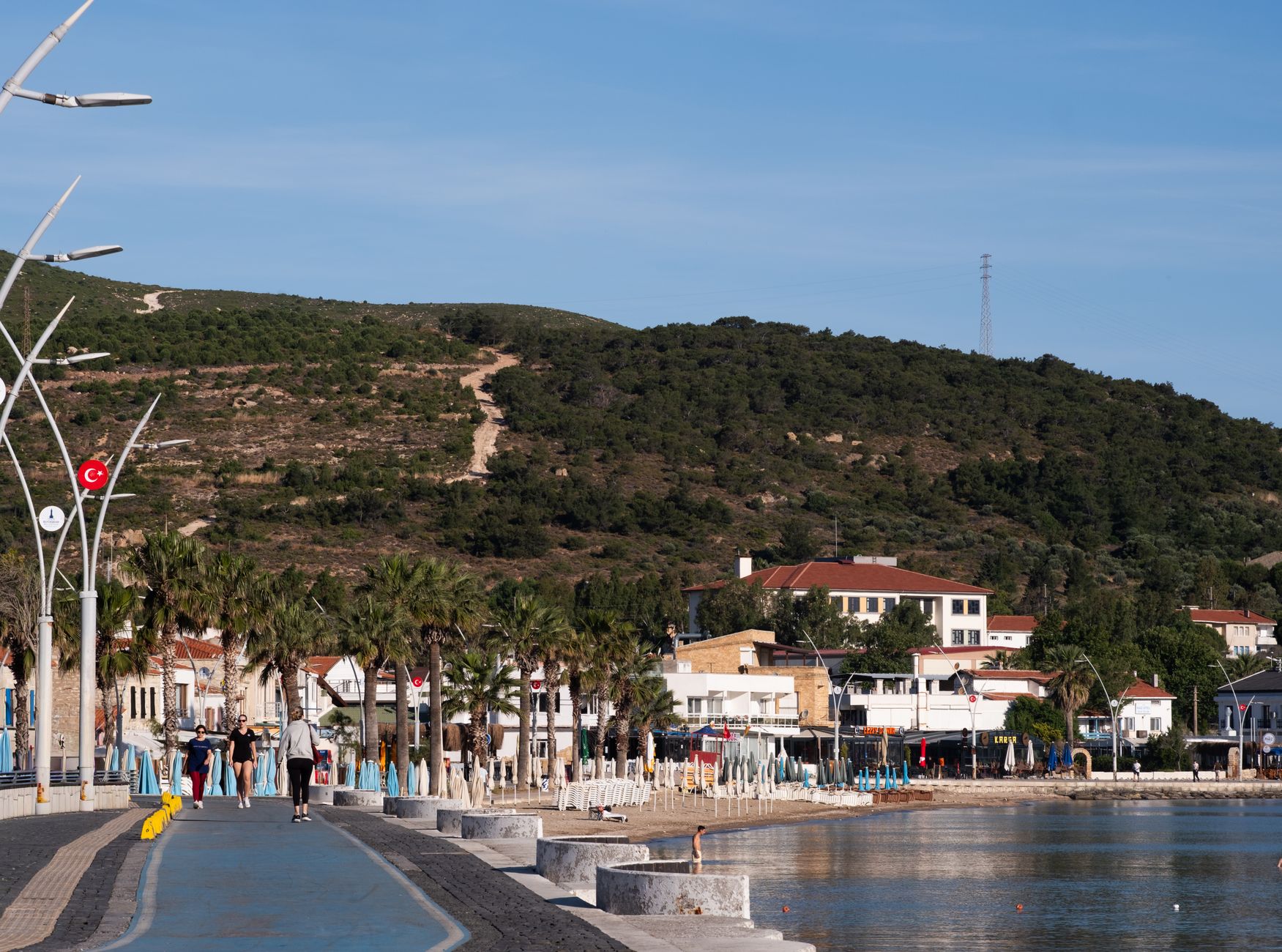
Amasya: Hellenistic Tombs and a River-Thorugh Town
Amasya is the most beautiful of the three towns, and its museum is the perfect counterpoint to the rock-cut Pontic tombs that loom over the river. The collection is strong on Hellenistic and Roman material from the region, including sculpture, inscriptions and grave goods, and it does the important work of explaining the city's role as a royal capital of the kingdom of Pontus before it became a Roman, Byzantine and Ottoman centre. Seeing the tombs on the hillside first, then the objects they relate to in the museum, makes both visit more meaningful.
Lay out the half-day like this: walk the north bank of the Yeşilırmak in the morning light, climb to the Pontic royal tombs for the view, then descend and spend an hour or so in the museum. Afterward, wander the Ottoman houses along the river — many have been restored as hotels and cafés — and take tea by the water. Amasya is small enough that this entire sequence is walkable, and the riverside setting makes it one of the most pleasant museum-quarter strolls in the country.
For context on how Amasya fits into the broader story of Anatolia, browse the guides section. The museum rewards a little background reading: knowing that these hills held a Hellenistic palace makes the marble fragments in the cases far more vivid than they would otherwise be.
One caution: the climb to the tombs involves steep stone steps and is not suitable for everyone. The museum, by contrast, is accessible and calm — a good choice if mobility is a concern. Amasya is also a natural stop on a Black Sea or central Anatolian route; check routes for how to link it with Samsun, Tokat or Ankara.
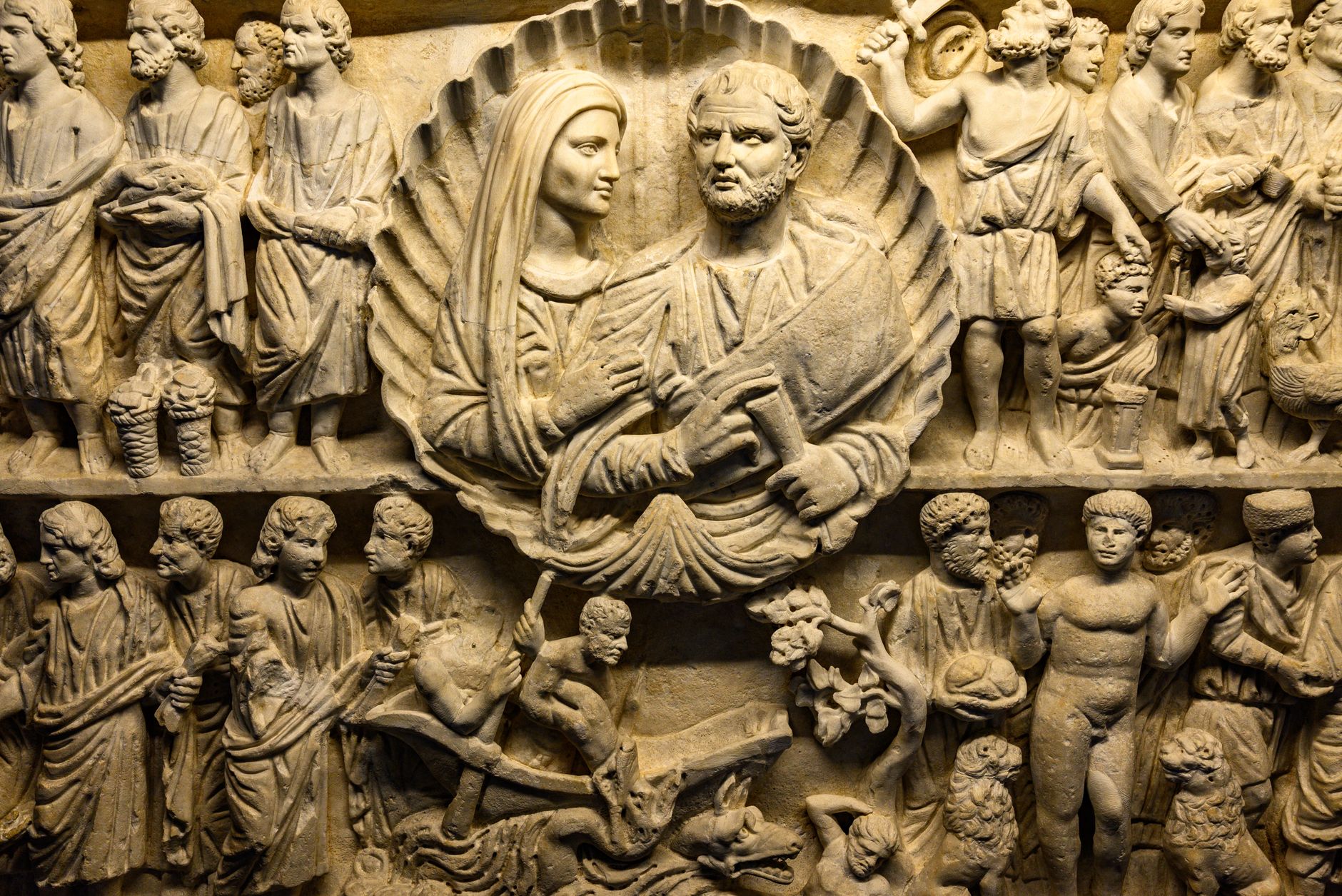
Çanakkale: Troy, the Straits and a Museum Worth the Crossing
Çanakkale's archaeology museum has long been the essential primer for anyone visiting Troy, and it has been transformed in recent years by new galleries that display finds from the Troad and from the excavations at Troy itself. The collection includes pottery, small finds, bronze and gold objects, and grave goods that span the Bronze Age through the classical period, and it is presented with genuine narrative skill — the rooms walk you through the layers of a site that was rebuilt many times over millennia. Spending an hour here before taking the ferry or driving to the Troy archaeological site is the single best preparation you can make.
The half-day works beautifully because Çanakkale is a waterfront town with a strong sense of place. Start at the museum near the centre, then walk the promenade past the memorial to the naval victory of 1915 — the Çanakkale campaign of the First World War is central to Turkish memory, and the town carries that history alongside its ancient one. Lunch on the seafront, then either cross the strait or drive to Troy for the afternoon. The combination of museum, memorial and ancient site in a single day is hard to match anywhere.
Bookish travellers should note the literary echo: Çanakkale is the modern town near ancient Troy, and the landscape still reads as Homeric — the plain, the strait, the wind. Whether you go for the archaeology, the Gallipoli battlefields, or both, the town makes an excellent base. Our destinations pages cover the wider region, and the travel tools section can help with ferries, car hire and timing.
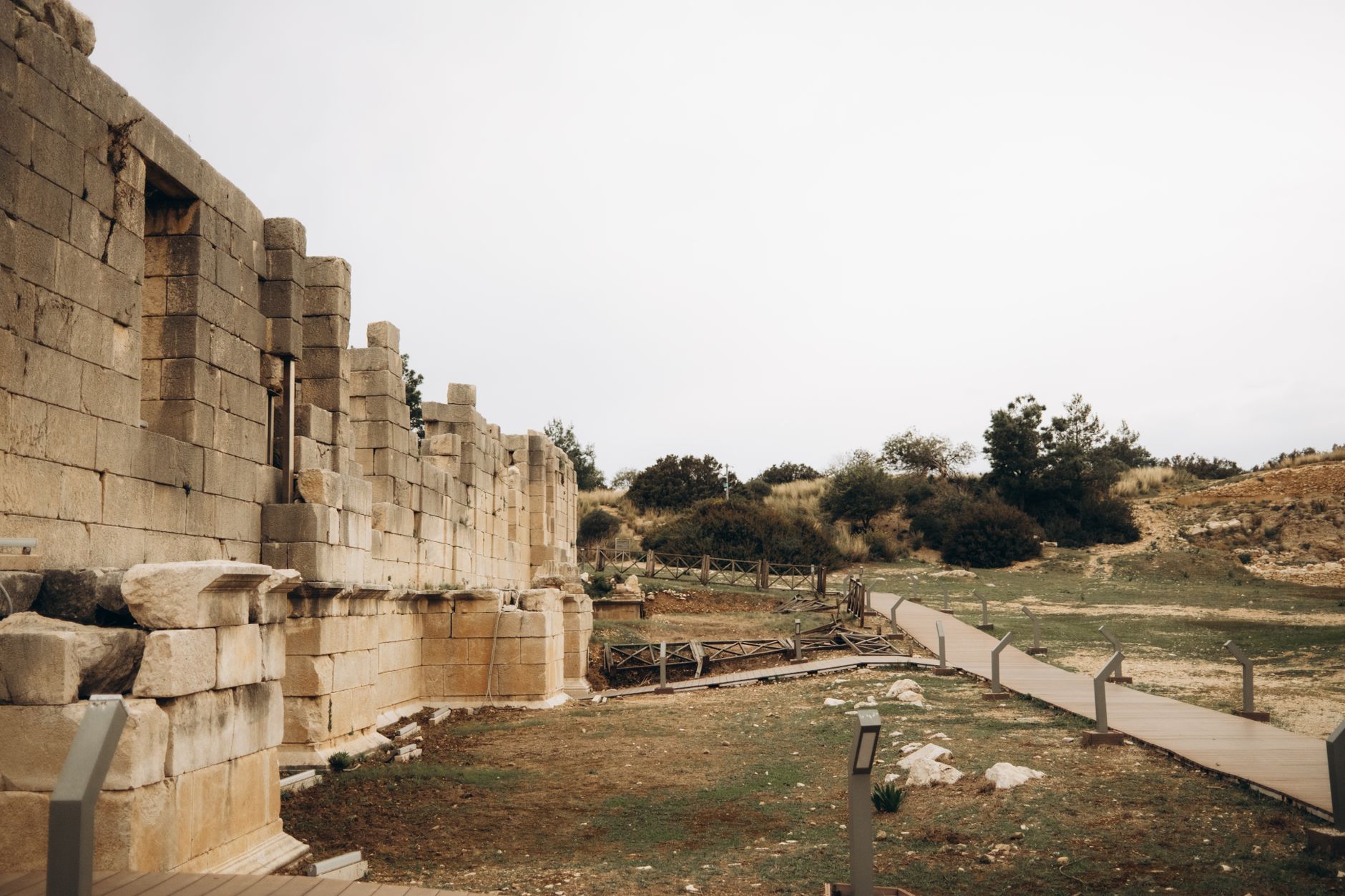
A Practical Half-Day Pattern You Can Repeat Anywhere
Across all three towns, the same rhythm works. Arrive at opening time, when the galleries are empty and the light is good. Spend 60–90 minutes with the collection, reading the contextual panels and giving yourself permission to linger. Then step outside, walk the immediate neighbourhood, and eat lunch. Return in the afternoon only if something specific pulls you back — a coin case, an inscription you want to photograph properly.
Small practicalities matter. Bring a light layer; museum air conditioning can be fierce in summer and heating uneven in winter. Carry cash for tickets and small museum shops, though cards are increasingly accepted. Check whether your museum pass covers the regional museums you plan to visit — the national pass often does, and it can make an unplanned second visit painless. If you are building a multi-town itinerary, use the planner to sketch the sequence before you commit to hotels.
Finally, talk to the staff if you can. Guards and curators in these smaller museums are often knowledgeable and pleased to point out the object they think visitors overlook. It is one of the quiet pleasures of regional travel in Türkiye: the sense that the collection belongs to the town, and that you are a welcome guest in it rather than a number in a queue.
Why These Half-Days Are Worth Planning Around
It would be easy to treat Afyonkarahisar, Amasya and Çanakkale as places you pass through. That would be a mistake. Each offers a world-class object or two in a calm, intelligently arranged setting, and each pairs the museum with a town that rewards walking. The value is extraordinary — a few hours and a modest ticket price buy you close, unhurried contact with material that elsewhere would be behind glass and behind a crowd.
There is a broader point here about how Türkiye cares for its heritage. The regional museum system is a deliberate choice to keep finds near their findspots and to make archaeology part of ordinary civic life. The result is a country where a mid-sized town can have a collection that would be a national treasure elsewhere, displayed with care and without fuss. For travellers, that is a gift. For anyone who loves museums, it is a reason to rent a car, take the slow road, and stop in the towns the guidebooks skim.
Start with one town. Give it a morning. Then plan the next. You can check opening times and seasonal notes on our FAQ, and if you want a second opinion on routing, the experts page connects you with people who know these regions well.
Thinking about a trip to Turkey?
Share your contact details and a vetted local expert will follow up with a plan built around you — free, no obligation.