

A retail scene that has found its own voice
For decades, the story of shopping in Türkiye was told in two registers: the Grand Bazaar's theatre of negotiation and the glassy shopping mall. Both still matter. But between them a third, quieter scene has matured — one built on independent boutiques, carefully edited concept stores and ateliers where a garment or a piece of jewellery is made for you rather than simply sold to you.
What makes this scene interesting is that it is no longer a copy of Milan or Copenhagen. Turkish designers work with local wool, cotton, leather and stone; they draw on Anatolian craft traditions without turning them into costume; and they price in a way that rewards visitors who take the time to look properly rather than buy reflexively. The result is a shopping culture that feels modern, self-assured and unusually personal.
This guide moves through the three cities where the scene is strongest — Istanbul, İzmir and Ankara — and then turns to the practical matters: reclaiming VAT, commissioning custom pieces, and timing your visit around the seasonal sale calendar so you buy well rather than simply buy more.
Istanbul: Nişantaşı and the art of the well-edited street
Nişantaşı remains the anchor of upscale retail in Istanbul, and it is best understood as a district of streets rather than a single destination. Abdi İpekçi Caddesi carries the international names — the flagships you will recognise — in a setting of plane trees, café terraces and handsome late-Ottoman apartment buildings. But the more rewarding browsing is on the parallel and cross streets: Teşvikiye, Rumeli and the smaller lanes around Maçka, where Turkish labels hold small, considered spaces and the shopkeepers are often the designers themselves.
Expect a particular Nişantaşı rhythm: tailored womenswear with strong fabric choices, contemporary jewellery using Anatolian stones, and a cluster of bridal and occasion ateliers that work largely by appointment. Bespoke tailoring has deep roots here, and a number of long-established tailors still cut for both men and women. If you are considering a commission, this is the neighbourhood to begin conversations — but bring more time than you think you need.
Beyond Nişantaşı, the city's design energy spreads across the water. Karaköy and the streets below Galata have become the home of young labels, small galleries and design-led cafés, while the areas around Bomonti and Dolapdere host larger concept spaces in converted industrial buildings. On the Asian side, Kadıköy and Moda favour a looser, more experimental register — vintage, upcycled pieces and independent ceramics alongside serious coffee.
A word on the arcades. Istanbul's hans and çarşıs — the historic commercial passages — are not only tourist relics. Several now shelter ateliers making textiles, shoes, lamps and metalwork, sold at prices that reflect the absence of a shopfront. If you want to understand how a piece is made, these are the places where the maker is a few steps from the sale.
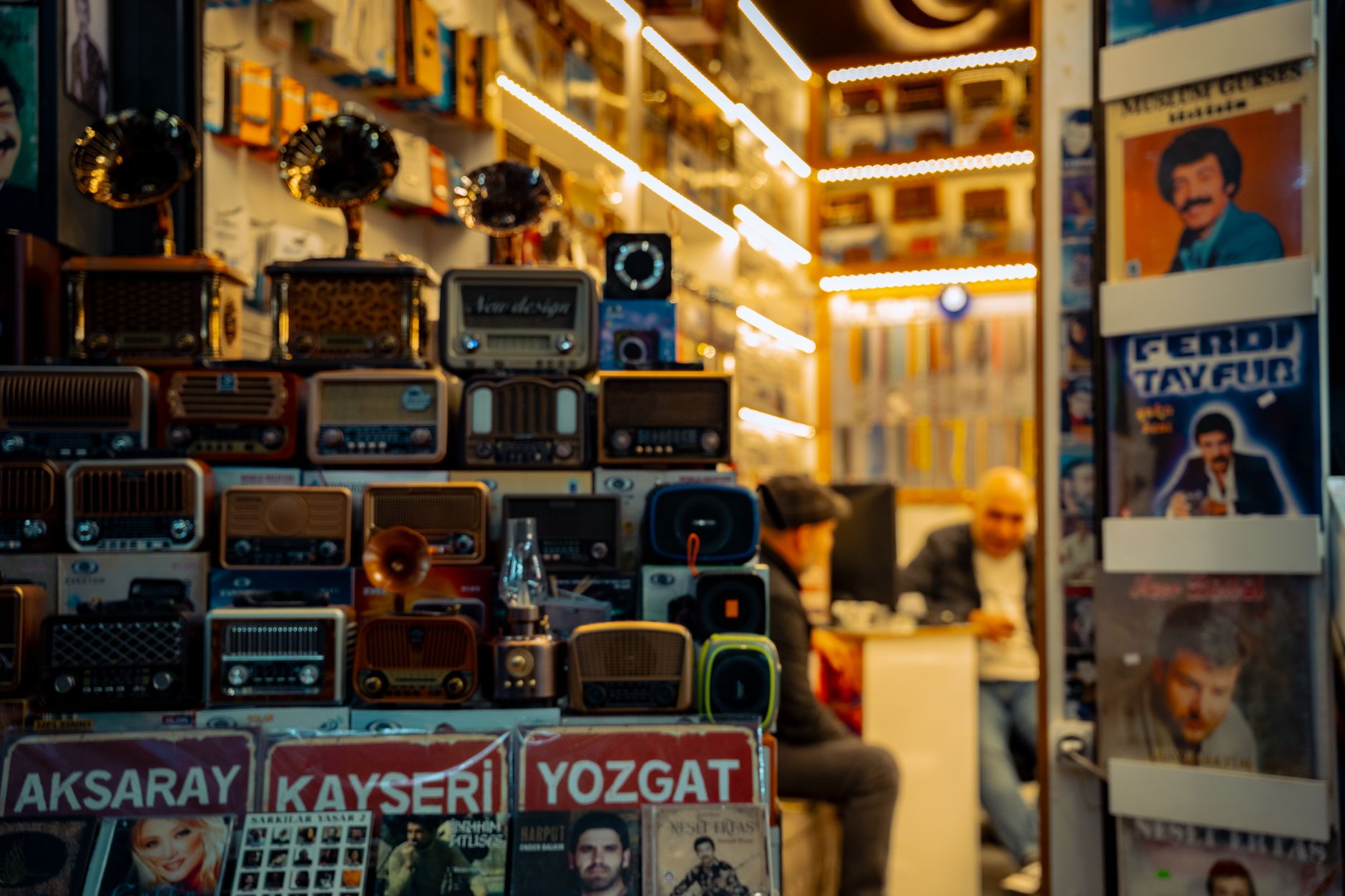
Ankara and İzmir: concept stores with a point of view
Ankara's reputation as a city of ministries and universities undersells its retail. The capital's design scene is compact and knowledgeable, centred on Çankaya and the streets around Tunalı Hilmi, where concept stores mix Turkish fashion with ceramics, printed matter and homeware. Because the customer base is local and loyal rather than transient, the buyers tend to take risks on lesser-known makers — which makes browsing here unusually rewarding for visitors who want something not seen elsewhere.
İzmir takes a different tone altogether. The city's Mediterranean ease shows in its retail: lighter fabrics, a strong tradition of leather and footwear, and a growing cluster of studios in Alsancak and around the historic Kemeraltı edge, where contemporary makers sit beside very old workshops. İzmir is also where you feel the regional craft economy most directly — olive-oil soaps, woven textiles and ceramics from the surrounding Aegean appear in curated shops rather than tourist stalls.
In both cities, the concept store is the dominant form: a single room where clothing, objects, books and coffee are arranged with an opinion. The best of them host small exhibitions or trunk shows, and staff are usually happy to explain who made what. Ask. It is the fastest way to find the atelier behind the object.
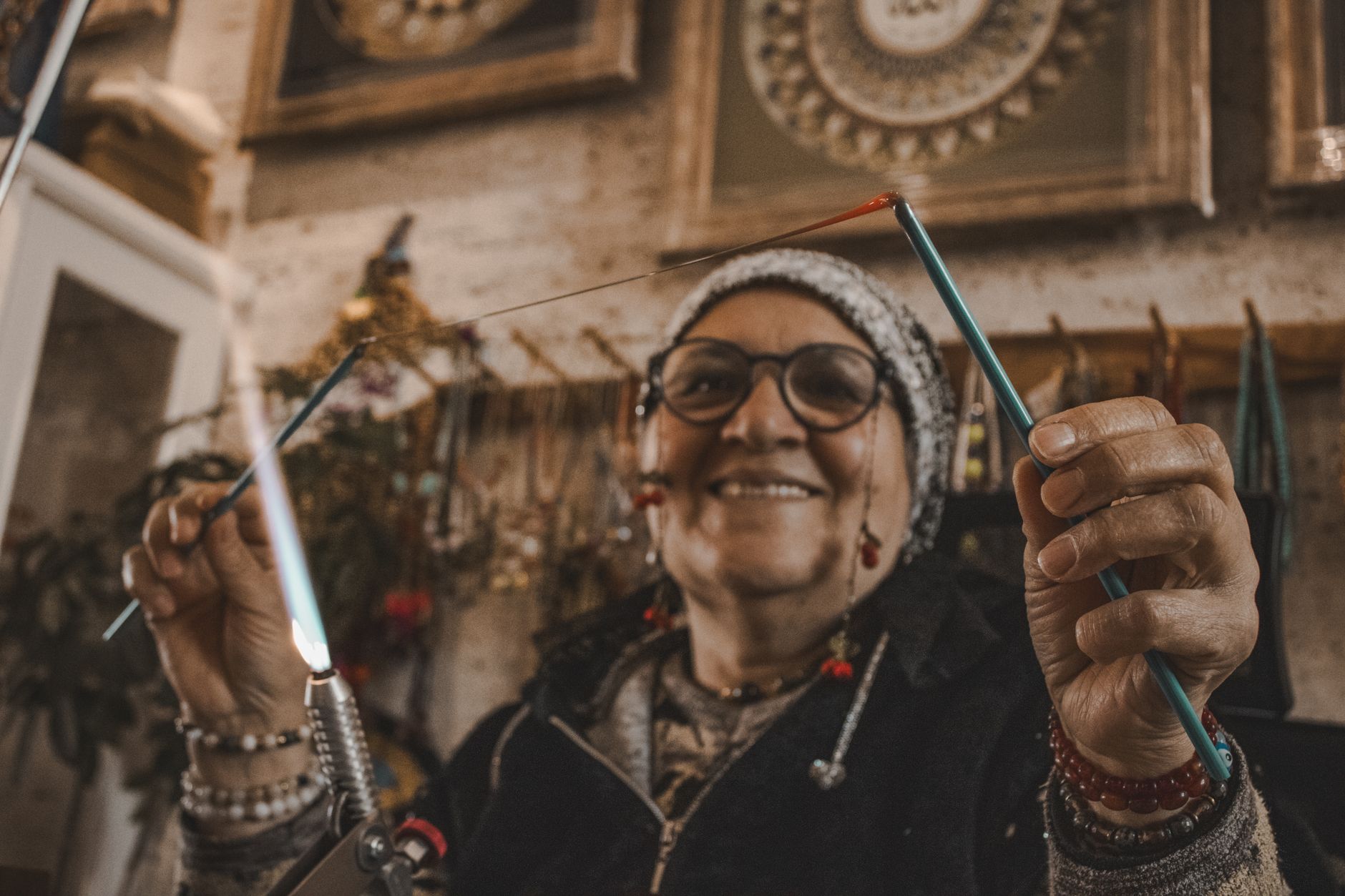
Atelier visits: commissioning something made for you
The most distinctive shopping experience in Türkiye is not a purchase at all — it is a commission. Tailors, jewellers, ceramicists, leatherworkers and textile studios across Istanbul, İzmir and Ankara regularly take on bespoke work for visitors, and the process is more straightforward than many travellers expect.
Jewellery commissions are especially accessible. Turkish ateliers work confidently with gold and silver and with stones such as turquoise, onyx, chalcedony and the local havlit and yakut varieties. A simple ring or pendant can often be sketched, approved and finished within a week; complex pieces need longer. Ceramics studios in İzmir and the Aegean can produce a bespoke dinner service, though firing schedules mean you should plan for weeks rather than days, or arrange shipping.
Tailoring rewards those who start early. A first fitting, a second and a finish realistically require two to three weeks for a jacket; shirts and simple dresses can move faster. Bring or send accurate measurements, agree the fabric and the price in writing, and ask explicitly what happens if the fit is not right after you leave — most reputable ateliers will adjust once, remotely, but confirm before you commit.
Leather is the other great commission. İzmir and Istanbul both have workshops that will make a bag or belt to your dimensions and choice of hide, often in under a week for simpler pieces. Ask to see the hide before cutting, ask where it was tanned, and ask for the hardware options — these details separate a good maker from a merely convenient one. For commissions that need to be shipped, agree the courier and the paperwork in advance; a properly documented export also matters for tax purposes.
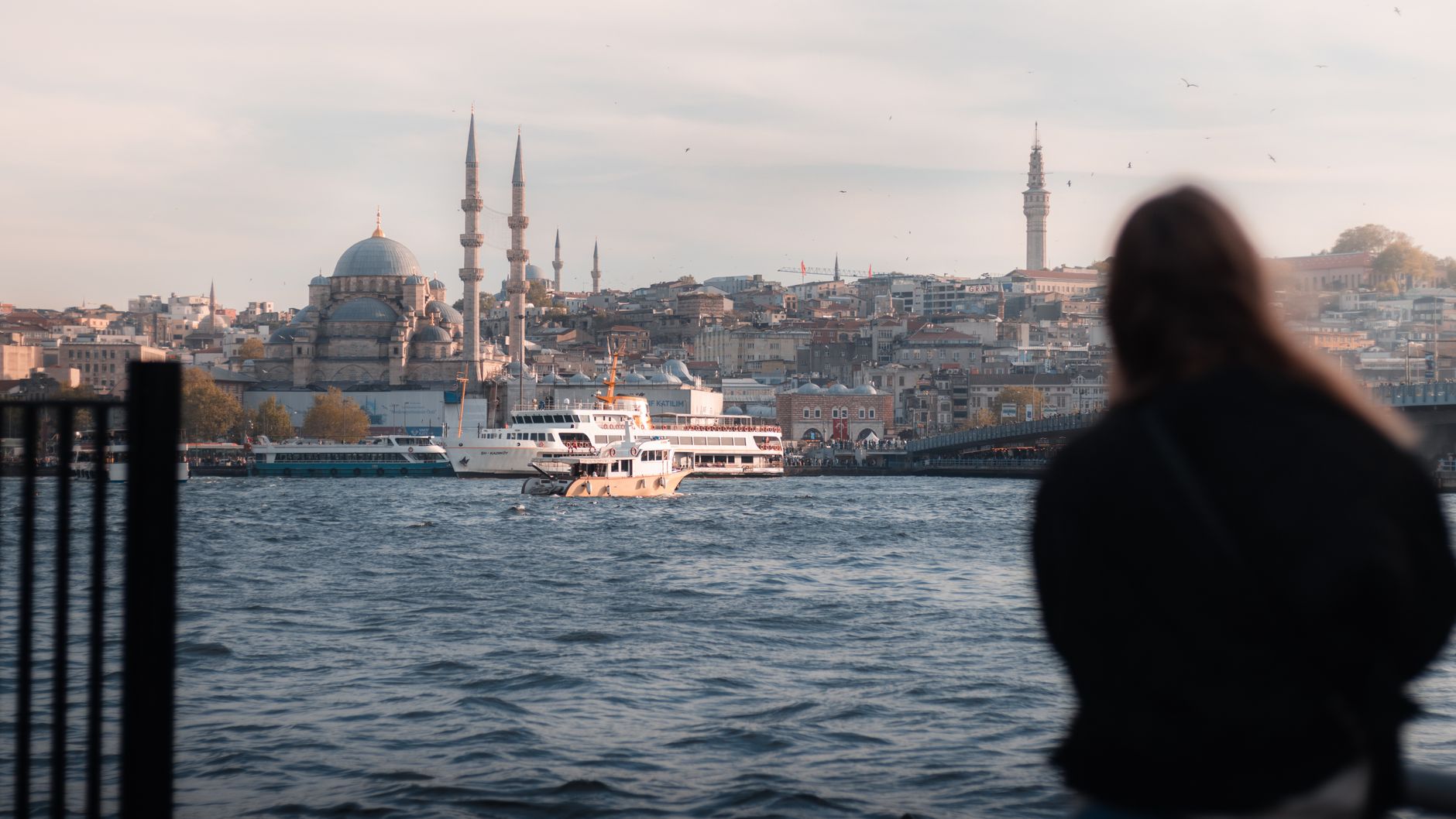
Tax-free shopping: how the refund actually works
Türkiye operates a VAT refund scheme for non-residents, and it is worth using — but it is a procedure, not a discount. The standard VAT rate on most clothing, leather goods, jewellery and homeware is 20 percent, and the refund you receive is the tax less an administrative fee charged by the refund operator, so do not expect the full amount back.
The mechanics are consistent. Shop at a store that participates in the scheme — most established boutiques and all large retailers do, and they will display the logo or tell you when asked. You must be a non-resident, and there is a minimum spend per invoice (currently in the region of 2,000 Turkish lira, though thresholds change, so confirm at the till). Bring your passport; the invoice must carry your passport details. Ask for the tax-free form at the moment of purchase — it cannot be issued later.
At departure, present the goods, the invoice and the stamped form to customs before check-in and before the goods go into the hold. Customs must verify and stamp the form; without that stamp the refund is void. You then claim at the refund operator's desk in the terminal, or by post later if you prefer. Note the export window: goods must leave the country within three months of purchase. Keep everything in hand luggage until customs has seen it.
A few practical cautions. Refunds are paid in cash or to a card, and card refunds take longer. Not every small atelier can issue tax-free paperwork — ask before you commission, not after. And if you are shipping a commission abroad directly from the workshop, discuss with the maker how the export documentation will be handled, because the customs stamp requirement still applies to the refund process.
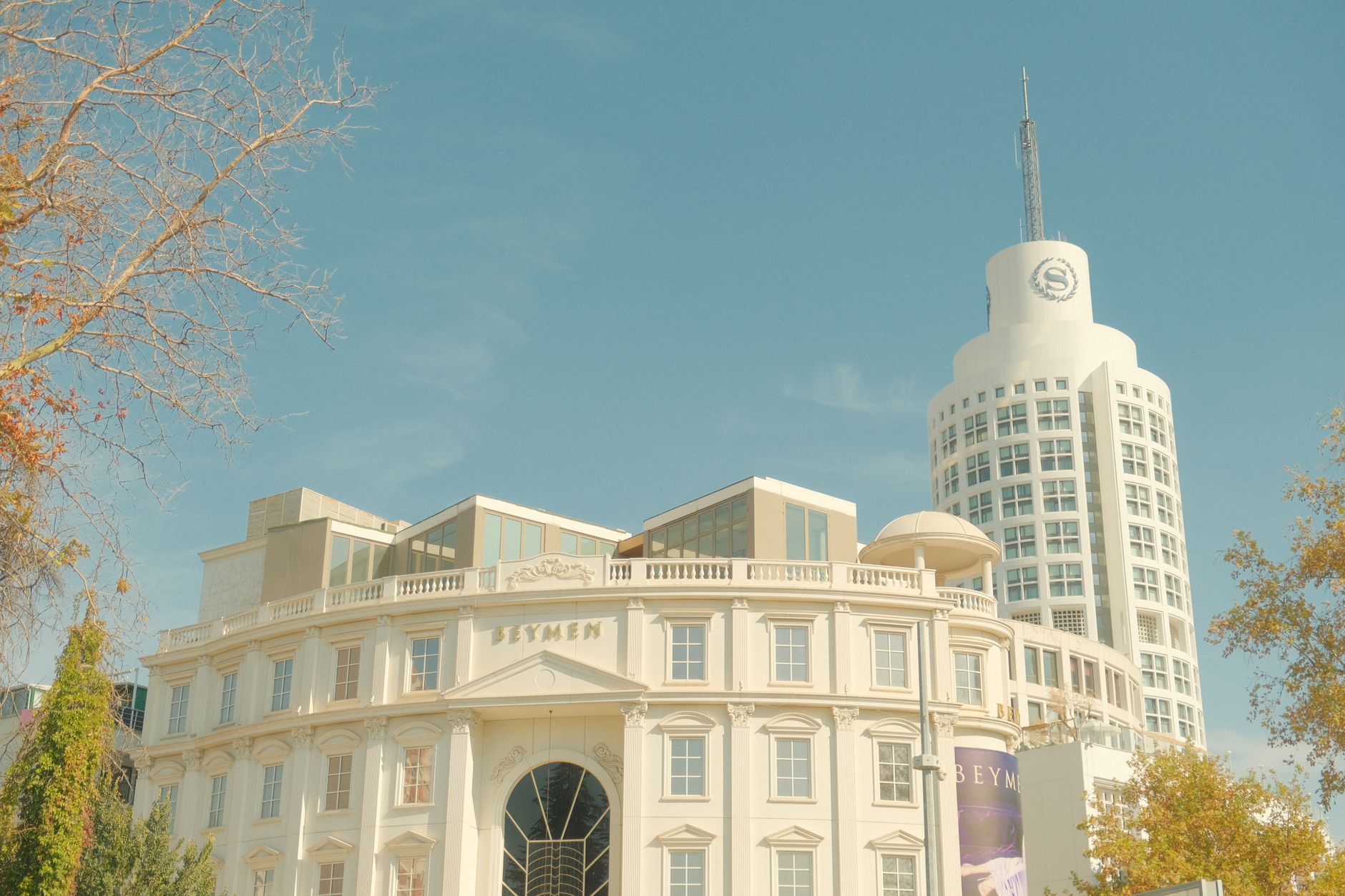
Seasonal sales and the buying calendar
Turkish retail follows the European rhythm with local variations. The winter sales begin in early January and run through February, with the deepest reductions in the final ten days. Summer sales start in late June or early July and peak in August, when Istanbul's wealthier residents leave the city and boutiques are quiet, air-conditioned and unusually willing to negotiate on the last sizes.
The most interesting period, however, is not the sale at all. In November and December, and again in May, many independent boutiques and concept stores hold trunk shows and studio open days — occasions when makers present new work, take commissions and offer pieces not carried in the shop. These are announced on the stores' own channels rather than in any central listing, so it pays to follow a handful of shops you like before you travel.
Two further notes on timing. Ramadan and the two major religious holidays (Ramazan Bayramı and Kurban Bayramı) close many small ateliers for several days, and the luxury districts empty out; check dates before scheduling fittings. Outside those windows, weekday mornings are the calmest time to visit ateliers, when the maker is in the workshop rather than at the counter, and conversations are unhurried.
How to shop well, and what to bring home
Buy fewer things. The Turkish pieces that age best are the ones with a maker's name attached: a coat cut from Anatolian wool, a pair of hand-finished leather shoes, a silver ring set with a stone from a workshop that can tell you where it came from. These are the objects that carry the scene's real value, and they tend to cost less than their equivalents in Western European capitals precisely because you are closer to the source.
Carry cash for ateliers and small studios, even though cards are widely accepted; some workshops prefer it and will reflect that in the price. Ask about care and repair — good makers stand behind their work and will tell you how to look after it. And keep the paperwork: invoices, tax-free forms and any correspondence about a commission, because they matter both for the refund and for any later adjustment.
Finally, allow for serendipity. The best shopfronts in Türkiye are rarely on the main avenue. They are up a side street in Nişantaşı, behind a courtyard in Karaköy, in a converted apartment in Alsancak or a quiet Çankaya arcade — and they are usually found because someone in a café, or the maker of the bag you are carrying, told you where to go. If you want help shaping an itinerary around design, craft and considered shopping, our trip planner and local experts can build the days around openings and appointments rather than guesswork, and our guides cover the neighbourhoods in more depth.
Thinking about a trip to Turkey?
Share your contact details and a vetted local expert will follow up with a plan built around you — free, no obligation.