

There is a particular magic to hearing a steam whistle echo across the Anatolian steppe. It is a sound that belongs to another era, yet in Türkiye it still rises above the modern hum of daily life. Heritage railways and steam excursions offer more than a train ride; they are moving museums, community gatherings, and slow-travel adventures rolled into one. From the black smoke curling over the camlik yards to the gentle clatter of wheels on century-old tracks, these journeys invite you to step back in time and see the country as previous generations did—at a human pace, with the window rolled down and the wind in your hair.
In this guide, we will explore the most captivating steam and heritage rail experiences in Türkiye, from the famous Whistle Stop train to lesser-known museum lines. We will cover practical booking advice, the best seasons to ride, photo etiquette, and how to pair your rail adventure with visits to charming local towns. Whether you are a lifelong rail enthusiast or simply someone who loves romantic travel, these nostalgic lines promise memories that will linger long after the last puff of steam.
Why Türkiye's Heritage Railways Matter
Türkiye's railway history stretches back to the Ottoman era, when the first lines were laid in the 1850s. The republic that followed invested heavily in rail, connecting remote villages to ports and cities. Many of those original routes, with their stone bridges, tunnels, and small stations, remain in use today—some for regular passenger service and others preserved specifically for heritage excursions. These lines are living evidence of a time when the train was the lifeline of Anatolia, carrying not just passengers but also grain, mail, and dreams.
Today, a dedicated community of volunteers, museum staff, and state railway workers keeps the steam engines alive. Organizations like the Turkish State Railways (TCDD) and various railway museums operate seasonal steam trips, often to celebrate national holidays or local festivals. Riding one of these trains is not just a tourist activity; it is a way to support the preservation of industrial heritage and to connect with the people who cherish it.
The romance of rail travel here is inseparable from the landscape. As you chug through sunflower fields, olive groves, and rugged mountains, you become part of the scenery. Fellow passengers often share stories, homemade snacks, and a sense of collective wonder. Station masters wave you through, and children run alongside the tracks. It is a heartwarming experience that feels increasingly rare in our fast-paced world.
The Star of Turkish Steam: The Whistle Stop Train
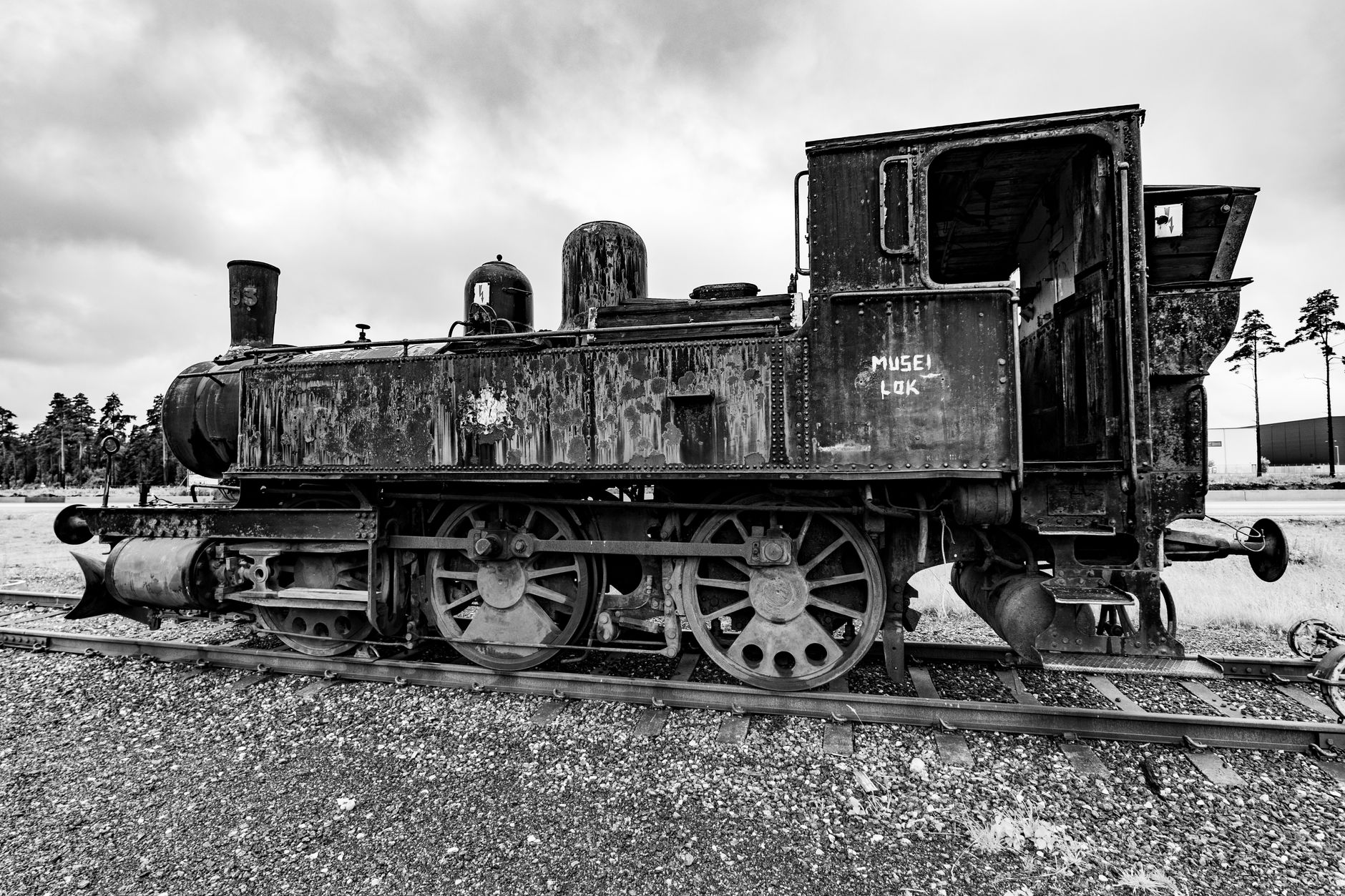
The most famous steam train experience in Türkiye is undoubtedly the Whistle Stop Train, known locally as the Çuf Çuf Treni. Operating on a section of the historic İzmir–Aydın line, this train is pulled by a restored steam locomotive and runs on select weekends and holidays, typically from the charming town of Selçuk (near Ephesus) to the village of Çamlık. The journey takes you through the scenic Küçük Menderes Valley, past cotton fields and orange groves, with the locomotive's rhythmic puffing providing a soundtrack of nostalgia.
The highlight of the trip is the Çamlık Railway Museum, which houses one of the largest collections of steam locomotives in Europe. Here, you can disembark and wander among dozens of gleaming engines, some over a century old. The museum is a paradise for photographers and history buffs alike. The train usually waits for about an hour, giving you ample time to explore, take pictures, and chat with the friendly museum staff who are often retired railway workers with a wealth of stories.
Booking this train requires a bit of planning. Tickets are released on the TCDD website a few weeks in advance and often sell out quickly, especially during spring and autumn. It is advisable to check the schedule early and book online. Alternatively, you can ask your hotel in Selçuk or İzmir to help with reservations. The train runs less frequently in winter, so aim for April–June or September–October for the best weather and most reliable service.
Other Notable Heritage Lines and Steam Excursions
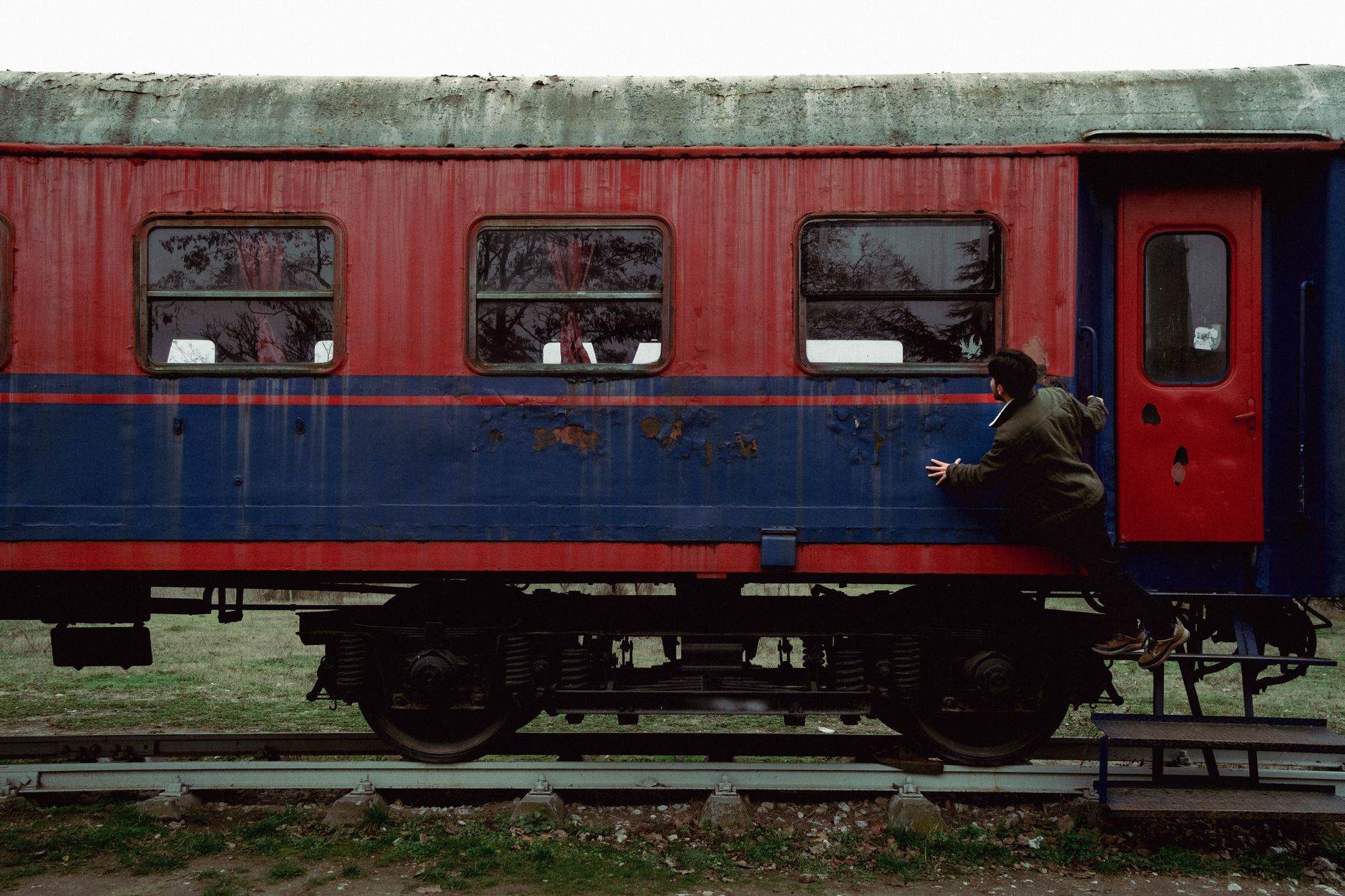
Beyond the Whistle Stop Train, Türkiye has several other heritage rail experiences worth seeking out. In the capital, Ankara, the TCDD Open Air Steam Locomotive Museum displays a fine collection of historic engines, and occasionally organizes short steam trips on special occasions. The museum is easy to visit and free, making it a great introduction to Turkish railway history.
Down in the south, the Adana–Mersin line sometimes hosts steam excursions organized by local rail clubs. These trips often run along the Mediterranean coast, offering glimpses of the sea and ancient ruins. Similarly, the İzmir area has periodic steam events, including trips on the historic Basmane–Buca line. For those willing to venture east, the restored station at Kars and the old Oriental Express route evoke the romance of long-distance rail travel, though regular steam service there is rare.
Another gem is the Black Sea region's steam heritage. The city of Samsun has a railway museum and occasionally runs steam trains along the coast. These are less touristy and more community-focused, giving you a chance to experience the genuine enthusiasm of local rail fans. Always check with local tourism offices or online forums for up-to-date schedules, as heritage operations can be sporadic.
Practical Booking and Schedule Advice
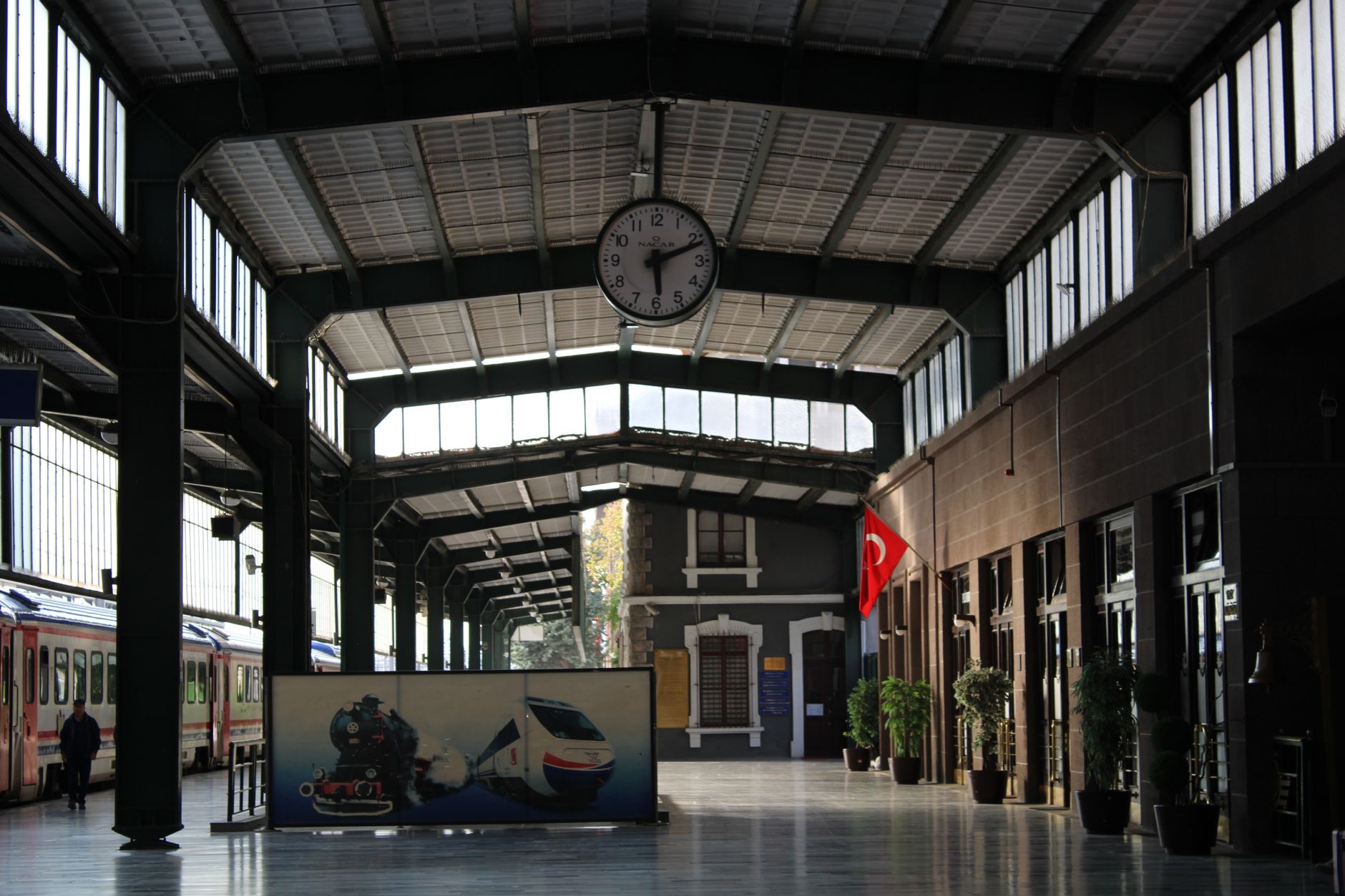
When planning a heritage rail journey in Türkiye, flexibility is key. Steam trains are not part of the daily commute; they run on special dates, often tied to festivals or anniversaries. Start by checking the official TCDD website (tcdd.gov.tr) and its Turkish-language announcements. For the Whistle Stop Train, tickets can be purchased online or at major stations. If you don't read Turkish, use a translation tool or ask a local friend to help.
It is wise to book at least a month in advance for popular routes, especially if you want a window seat. Some excursions offer first-class and second-class cars; the difference is mainly in seating comfort, but both provide the same wonderful views. Bring cash for onboard snacks and souvenirs, as card payments may not be accepted. Also, note that schedules can change due to maintenance or weather, so reconfirm your trip a few days before departure.
For the best experience, arrive at the station early. This gives you time to watch the locomotive being prepared, take photos, and soak in the anticipation. Many stations have small cafes where you can grab a tea or simit while you wait. If you are traveling with children, check if the train has a special family car—some do, and they often include entertainment for kids.
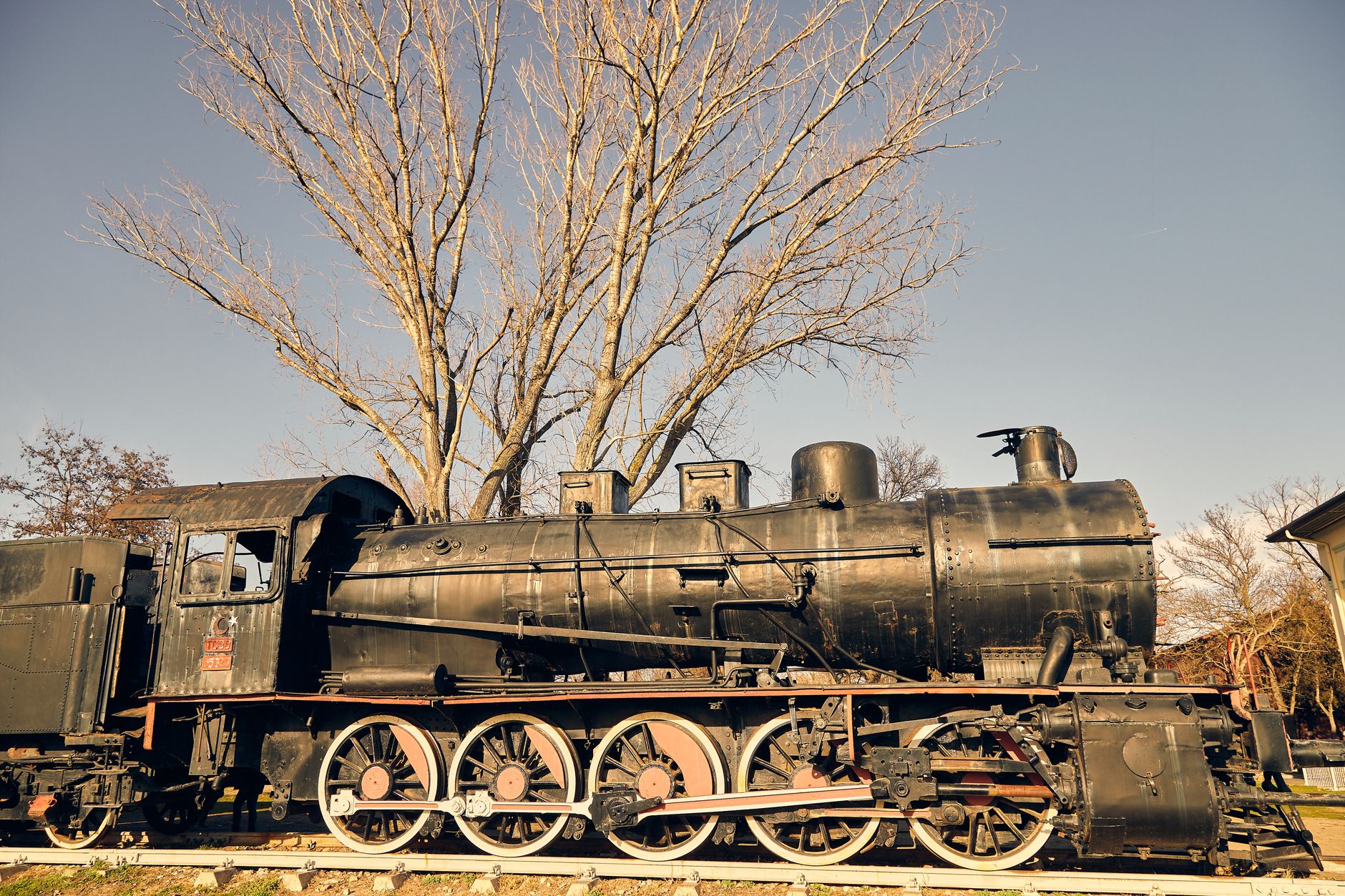
Photo Etiquette and Capturing the Romance
Steam trains are irresistible to photographers, but it is important to be respectful. At stations and museums, you are usually free to take pictures, but avoid blocking doorways or platforms. If you want to photograph the locomotive up close, ask staff first—they are often proud of their engines and happy to pose. When the train is moving, leaning out of windows is common, but always hold your camera securely and be mindful of soot and sparks.
Inside the carriages, respect your fellow passengers. Not everyone wants to be in your frame, so ask before taking portraits. A friendly smile and a gesture towards your camera usually suffice. If you are using a drone, check local regulations; many heritage areas prohibit drones for safety reasons. Finally, consider the light: early morning and late afternoon offer the most dramatic steam effects, with backlit plumes and golden glows.
Remember that the best photos often tell a story—the conductor's weathered hands, a child's face pressed to the glass, the engine's brass bell. These details capture the romance better than any wide shot. And don't forget to put the camera down occasionally; sometimes the most vivid memories are the ones you simply feel.
Pairing Your Rail Adventure with Local Towns
One of the joys of heritage rail travel is that it connects you to places you might otherwise miss. The Whistle Stop Train, for example, is based in Selçuk, a delightful town that serves as a gateway to the ancient city of Ephesus. Spend a day exploring the ruins, then unwind in Selçuk's leafy tea gardens. The town itself has a relaxed vibe, with a bustling market on Saturdays and several boutique hotels in restored Ottoman houses.
From Çamlık, you can easily arrange a taxi or dolmuş to the nearby village of Şirince, famous for its fruit wines and cobblestone streets. Or head to the coast at Kuşadası for a swim. If your rail journey takes you to Ankara, pair it with a visit to the Anatolian Civilizations Museum or the historic Ankara Castle. In İzmir, the Basmane station area is close to the Kemeraltı bazaar, where you can sample local delicacies like boyoz and gevrek.
For those venturing to the Black Sea, Samsun's steam heritage pairs well with a trip to the Bandırma Ferry Museum or the nearby Amazon Village. Always ask station staff for recommendations—they know the hidden gems. And consider staying overnight in these towns; the evening atmosphere after a day of rail travel is often magical, with locals gathering in squares and the smell of grilled fish in the air.
The Romance of Rail: People and Places
What makes Turkish heritage rail so special is the people. You will meet retired railwaymen who can recall the days when steam was king. You will share a compartment with a family who offers you homemade börek. You will see station masters who take pride in their flower boxes and polished clocks. These interactions are the heart of the experience, reminding us that travel is not just about places but about connections.
The camaraderie on board is palpable. When the train slows on a curve, everyone leans out to watch the locomotive. When it speeds up, cheers erupt. Strangers become friends over a shared thermos of tea. This is the romance of rail travel—a shared adventure that transcends language and generation. It is slow, yes, but that slowness is a gift. It allows you to notice the wildflowers by the tracks, the shepherd waving from a hill, the way the light changes over the mountains.
As you plan your trip, embrace the unpredictability. Steam trains are living machines, and they sometimes run late or take unexpected routes. Go with the flow. Bring a good book, a sense of humor, and an openness to whatever the journey brings. You might just find that the destination matters less than the ride itself.
Final Tips for Your Steam Adventure
To make the most of your heritage rail experience, dress in layers. Steam carriages can be warm in the sun and cool in the shade, and you'll want to be comfortable whether you're inside or hanging out the window. Wear sturdy shoes, as you'll likely be walking on uneven platforms and gravel. Bring a small bag with water, snacks, and a rag to wipe soot off your camera lens. And don't forget a power bank—you'll be taking more photos than you expect.
If you have dietary restrictions, pack your own food, as onboard options are limited. Most trains have a buffet car with tea, coffee, and simple sandwiches, but it's best to be prepared. Also, carry some cash in small denominations for tips and local purchases. And learn a few Turkish phrases—'teşekkürler' (thank you) and 'merhaba' (hello) go a long way.
Finally, consider joining a rail enthusiast group or forum before your trip. Websites like TurkeyTripPlanner.com can connect you with like-minded travelers and provide up-to-date information. You can also check our guides section for more detailed itineraries and tips. Whether you're a solo traveler, a couple, or a family, a steam train journey in Türkiye is an unforgettable way to experience the country's history, landscapes, and warm hospitality. All aboard!
Thinking about a trip to Turkey?
Share your contact details and a vetted local expert will follow up with a plan built around you — free, no obligation.