
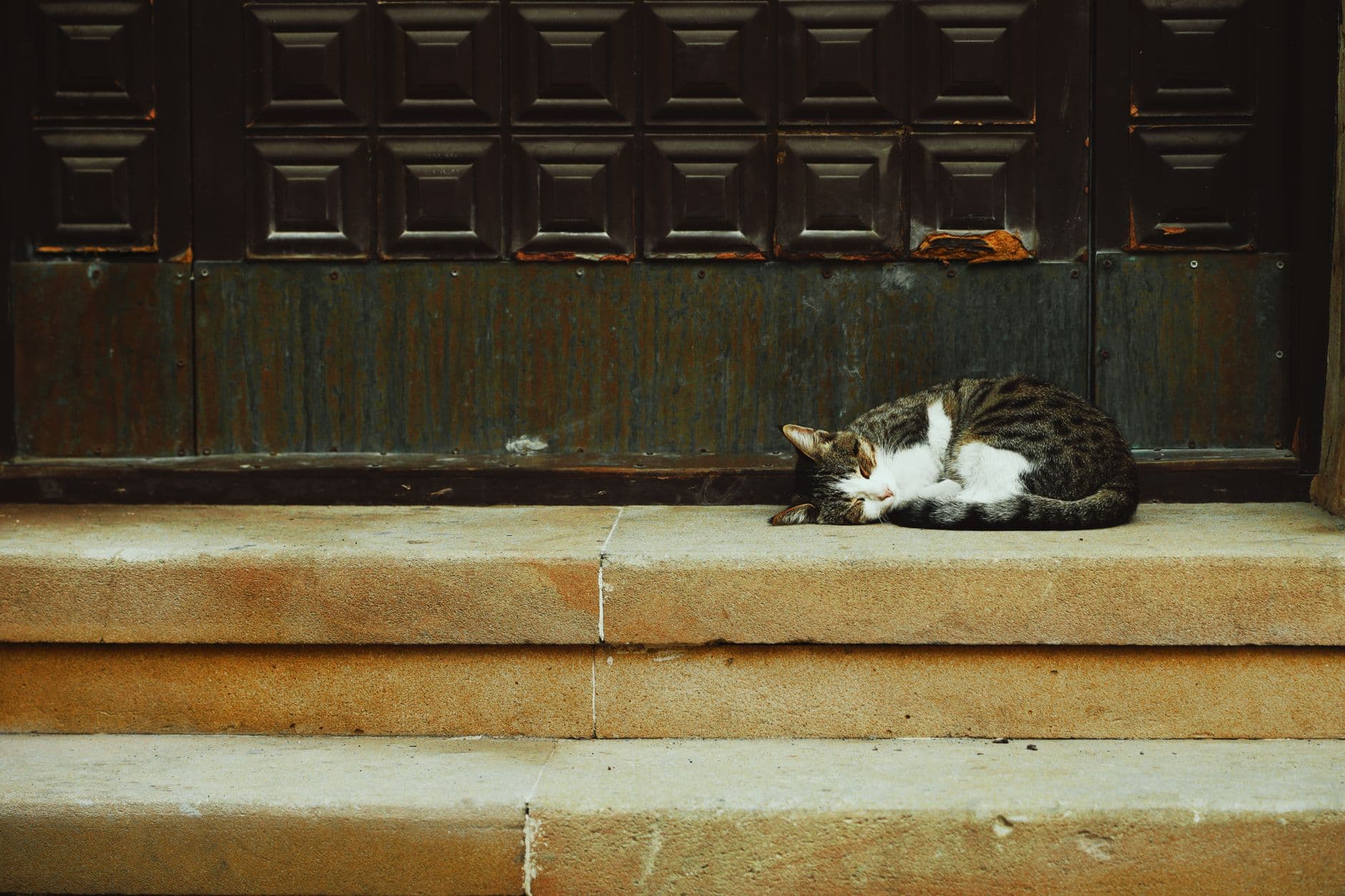
A Country Where the Cats Are Simply Part of Life
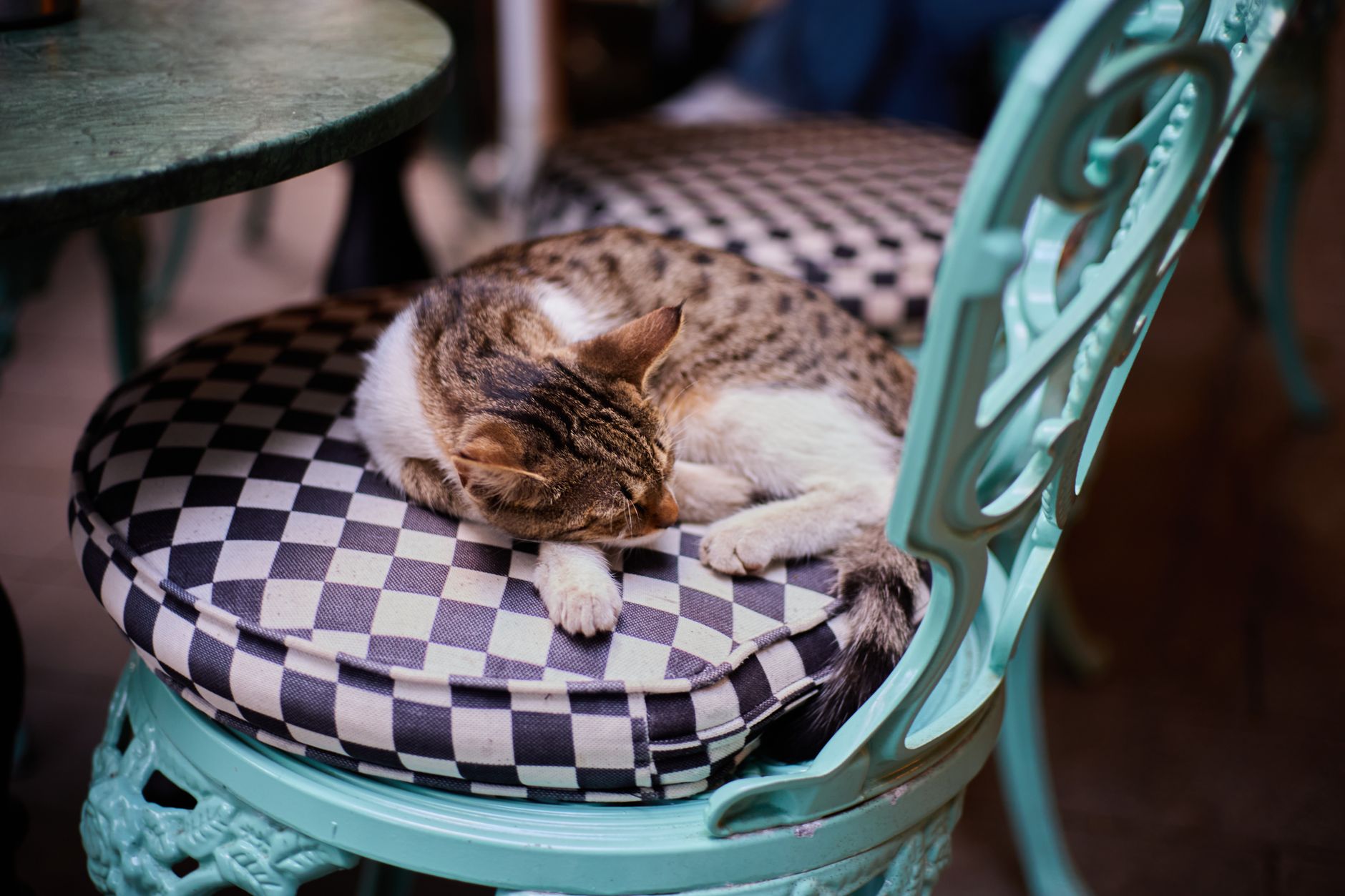
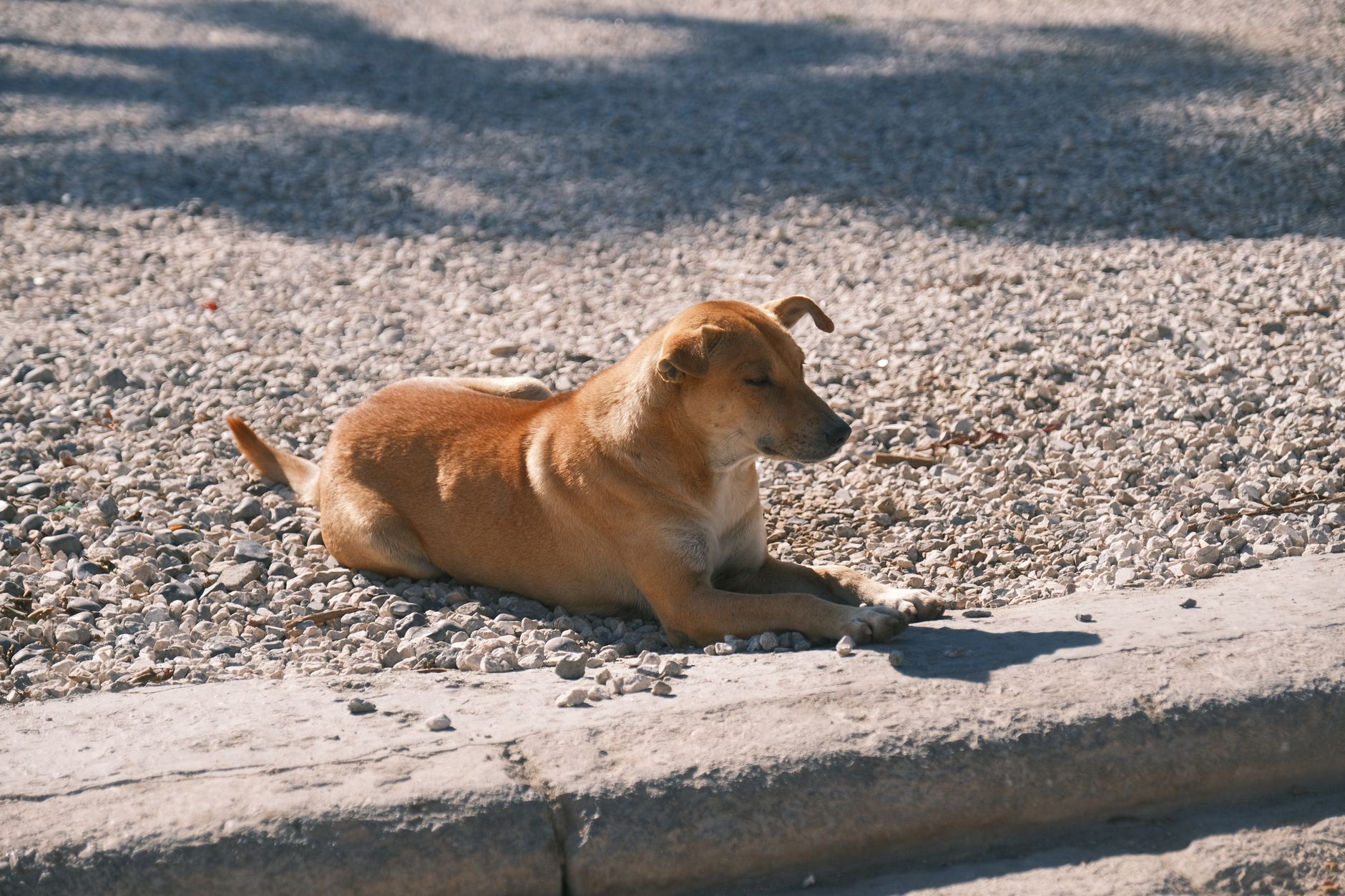
Spend a morning in almost any Turkish neighbourhood and you will notice something quietly remarkable: cats asleep on café chairs, a dog stretched across a sunlit pavement, a shopkeeper setting down a saucer of water before unlocking the door. In Türkiye, animals are not a curiosity or an attraction. They are neighbours. Generations of Turks have grown up beside street cats and dogs, and caring for them has become a natural, unpretentious part of daily routine.
This affection is often described as part of the culture itself rather than a policy or a campaign. It shows up in small gestures — a fishmonger's scrap for a waiting cat, a bowl of water chained to a lamppost, a child carefully pouring milk into a plastic container. For visitors, noticing these gestures is one of the warmest ways to understand the country.
This guide is about that everyday kindness: the culture of communal feeding, the thoughtful work of local shelters and volunteers, and the respectful ways travellers can take part. It is written for animal lovers who want to enjoy Türkiye's famous companions without ever disturbing the balance that makes the relationship work.
The Culture of Communal Feeding
In Turkish cities, feeding street animals is a shared responsibility that belongs to no one in particular and to everyone at once. Neighbours take turns. A bakery might put out day-old bread. A pharmacist keeps a water bowl outside the door. Apartment residents sometimes agree informally on who will refill the bowls on the corner each evening. These small routines are woven into the rhythm of the street.
Istanbul is especially famous for its well-fed street cats, and the city's cats are often plump, glossy and relaxed in a way that surprises first-time visitors. That condition is no accident — it reflects consistent, distributed care. Many neighbourhoods have favourite cats with names known to residents, and locals will happily tell you a cat's story, its preferred corner, or which shopkeeper it has adopted.
A touching detail is how feeding reflects respect rather than pity. Animals are fed at a distance, allowed their space, and never chased for a photo. The underlying attitude is one of coexistence: the street belongs to people, cats and dogs together, and kindness is simply good manners. If you would like to bring that spirit into your own trip planning, our travel guides and itineraries can help you slow down enough to notice it.
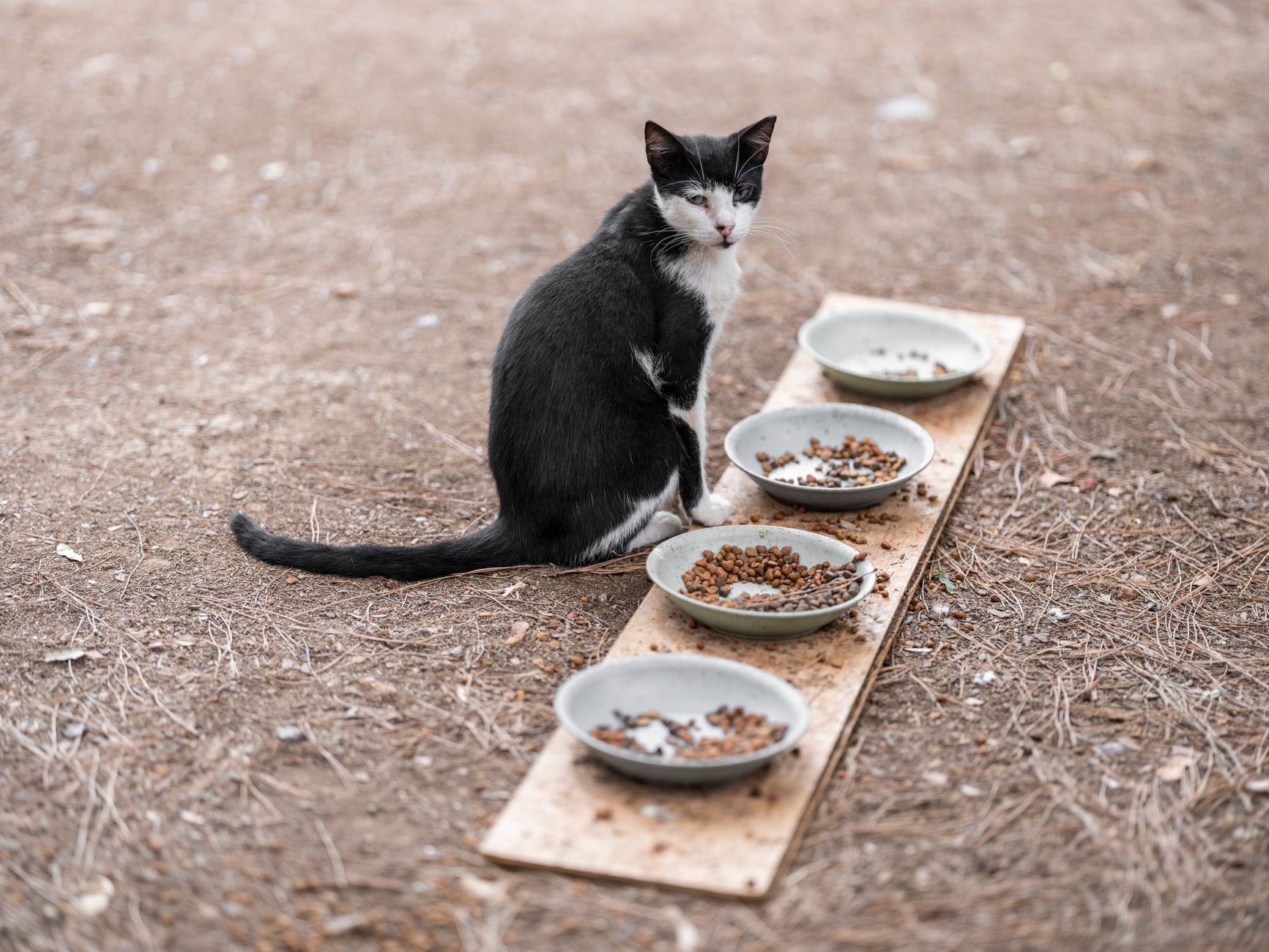
Feeding Stations, Water Bowls and How to Spot Them
Across many Turkish towns you will find simple feeding stations and water points, often placed by municipalities, shopkeepers or volunteers. They range from purpose-built dispensers to repurposed bowls and bottles. Look near park entrances, mosque courtyards, market streets, ferry terminals and residential corners. Evening is often the liveliest time, when locals refill bowls after work.
Visitors can support these stations gently. If you want to feed, the kindest choice is usually a small amount of cat or dog-appropriate food — plain cooked chicken, or dry food bought from a local pet shop — rather than salty snacks, chocolate, milk or bones. Dry food keeps better in warm weather and is easier for volunteers to manage.
- Place food on a clean surface or paper, never directly on a doorstep where it might cause friction.
- Offer water in a shallow container and remove or refill it rather than leaving stagnant bowls.
- Step back after feeding so the animal can eat calmly without a crowd.
- Ask a shopkeeper before feeding near their entrance — most will say yes, and may even point you to a regular spot.
Buying a small bag of dry food and carrying it in your daypack is a simple, light way to participate. It also opens conversations: Turks are often delighted when a visitor shows genuine care for a neighbourhood animal, and a shared smile over a hungry cat needs no translation.
Shelters, Volunteers and Vet-Supported Care
Behind the visible street culture is a quiet network of care. Municipal animal shelters in many cities, alongside independent associations and volunteer groups, provide food, shelter, and — importantly — veterinary support. Local governments in Türkiye have increasingly invested in animal welfare services, including feeding programmes and mobile vet teams in some areas.
Volunteers often organise trap-neuter-return efforts for street cats, which help keep colonies healthy and stable. You may notice a cat with a small notch or clip in one ear; this commonly indicates that the animal has been part of a sterilisation programme and is being monitored. Treating such cats calmly and not chasing them respects that work. For dogs, shelters and volunteers focus on vaccination, feeding and rehoming where possible.
If you would like to donate or help, ask locally rather than assuming. A pet shop, a vet clinic or a neighbourhood association can usually tell you which group genuinely operates in the area. Small, practical contributions — a bag of dry food, a donation to a recognised local association, or simply spreading calm behaviour around animals — are the most useful. Carrying your consideration into the rest of your travels is easy with the planning resources on our travel tools page, and our best-time guide helps you choose seasons when outdoor animal care is easiest.
How Visitors Can Interact Respectfully
The golden rule of Turkish street animals is simple: let the animal choose. Many cats are friendly and will approach you, rub against your leg or settle nearby. Others are shy, unwell or simply uninterested, and that is fine. Crouching down and extending a hand slowly shows respect; scooping an animal up for a photo does not.
Keep a few practical norms in mind. Do not disturb animals that are sleeping, eating or sheltering with young. Never separate a kitten from its mother. Avoid feeding from your plate in restaurants unless the staff clearly encourage it, and never give chocolate, onions, grapes, raisins, alcohol or cooked bones, which can be harmful. Wash your hands after handling animals, and if a scratch or bite breaks the skin, seek medical advice promptly — this is a standard precaution anywhere.
Kindness here is quiet and habitual: a bowl of water, a soft word, a step back to let a cat eat in peace.
Photography deserves the same courtesy. A discreet photo from a respectful distance is welcome; flashes, crowding and lifting animals for poses are not. If a shopkeeper or local is clearly the animal's caretaker, asking before photographing is a warm gesture that is usually met with pride. For families travelling with children, our FAQ covers practical questions, and our local experts can suggest neighbourhoods where respectful animal encounters happen naturally.
Beyond Cats: Street Dogs and Everyday Coexistence
Street dogs are also part of the picture, particularly in smaller towns and coastal areas, where they are often known by locals and fed regularly. Turkish street dogs are frequently calm and accustomed to people, but they deserve the same respect as cats: space, no sudden approaches, and no teasing. If a dog is resting or guarding a spot, walk around rather than through.
Many dogs wear ear tags or collars indicating they have been vaccinated and registered, which reflects ongoing local programmes. Packs can behave differently from solitary animals, so observe body language before deciding whether to interact. A relaxed, wagging dog that approaches you is different from one that is tense, barking or protective of food. When in doubt, keep walking and enjoy from a distance.
This everyday coexistence is part of what makes travelling in Türkiye feel human. The animals are not an add-on to the itinerary; they are part of the street life you came to experience. If you are planning a route through the country, our routes and destinations pages can help you build in unhurried neighbourhood time — the kind where a cat naps on a warm wall while you sip çay.
Kindness as Part of the Turkish Travel Experience
The affection Turks show animals is an invitation to travel a little more gently. It is a reminder that a good trip is not only about what you see, but how you move through a place. Carrying a small bag of dry food, refilling a water bowl, or simply stepping aside for a sleeping dog are tiny acts that fit naturally into a day of sightseeing.
For animal lovers, this can become one of the most memorable parts of a journey: a shared glance with a shopkeeper over a well-fed cat, a quiet moment on a bench with a friendly street dog, or the discovery that kindness here is ordinary, expected and warmly shared.
Plan your days with room for those small encounters. Browse our blog for more cultural stories, use the trip planner to shape a relaxed itinerary, and let Türkiye's beloved companions remind you that travelling with care is its own kind of souvenir.
Thinking about a trip to Turkey?
Share your contact details and a vetted local expert will follow up with a plan built around you — free, no obligation.