

Why Sunrise Is Türkiye's Best-Kept Travel Secret
Most travelers plan their days around museums, bazaars, and beaches. But Türkiye rewards those who set an alarm for 4:30 a.m. In the cool, quiet hour before the call to prayer echoes across a village, the country belongs to early risers: fishermen hauling nets, shepherds moving flocks, and tea sellers firing up their samovars.
While Cappadocia's balloon-filled skies get all the attention, this guide celebrates dawn without a single balloon in sight. Instead, we chase light across limestone terraces, volcanic craters, Aegean coves, and the high plateaus of the east. You'll need a rental car, a willingness to drive before first light, and a thermos — though the tea will find you anyway.
Expect practical, realistic timing: sunrise in Türkiye varies from around 05:30 in June to nearly 07:30 in December. Always check a local almanac for the exact minute; arriving 30–40 minutes early is ideal for finding your spot and settling in.
Mount Nemrut: Colossi at First Light
At 2,150 meters on Mount Nemrut, the sunrise is theatrical. The ancient Commagene king Antiochus I built a tomb-sanctuary here, flanked by colossal stone heads of gods and eagles. When the first rays hit the eastern terrace, those weathered faces glow amber against the Taurus Mountains — a moment that feels both prehistoric and holy.
Timing and access: The site opens about an hour before sunrise in summer (roughly 04:00–04:30) and later in winter. You'll drive to a parking area, then walk 15–20 minutes up a stone path — steep but manageable. In peak season (July–August), expect a handful of other sunrise pilgrims, but nothing like the midday crowds. Bring a headlamp, a windproof jacket (it's cold even in summer), and cash for the entrance fee.
Getting there: Fly to Adıyaman or Malatya, then hire a car or join a small sunrise tour from Kahta. Driving yourself? The road is paved but winding; leave your hotel by 03:00. After sunrise, warm up with a glass of çay at the small tea stall near the parking lot — the owner will likely offer you a second before you ask.
Pamukkale: Travertines Before the Tour Buses
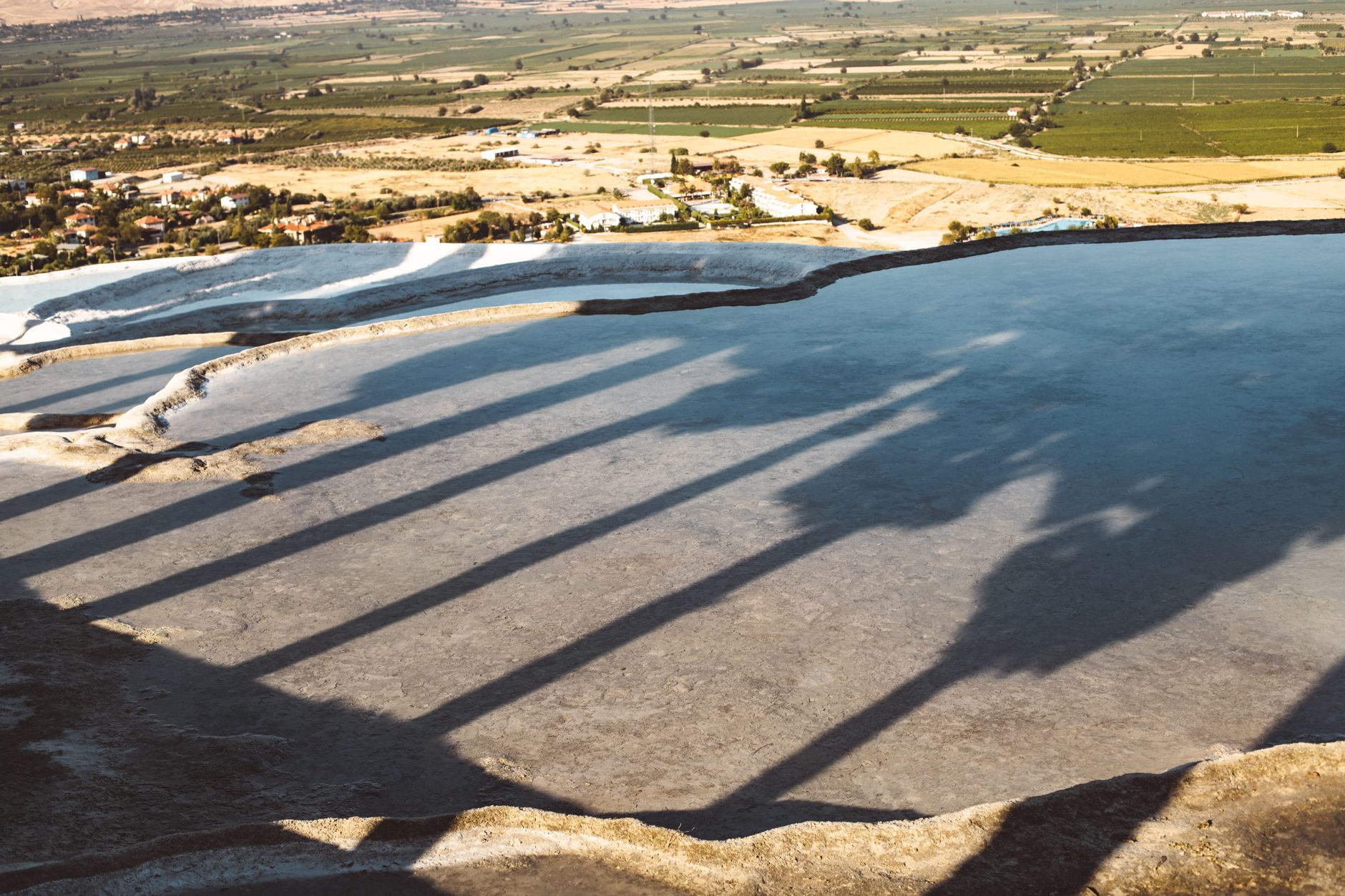
Pamukkale's white terraces are a UNESCO site and, by 10 a.m., a slow-moving parade of tour groups. But at dawn, the travertines are empty and luminous. The calcium pools catch the pink and gold of first light, and the ruins of Hierapolis above them stand silent. You can walk barefoot on the terraces (required to protect the site) and have entire pools to yourself.
Timing and access: The site typically opens at 06:30 in summer, 08:00 in winter. For sunrise, you need to stay overnight in Pamukkale village or Denizli and enter at opening. The lower gate is closest to the terraces. Sunrise in summer is around 05:45, so you'll be waiting at the gate — but the soft pre-dawn glow on the white rock is worth it. Note that the terraces face east, so the sun rises directly over them.
Practical tip: Bring a plastic bag for your shoes (you'll carry them) and a small towel. After your walk, head to a village café for a Turkish breakfast — olives, cheese, tomatoes, and endless tea — as the buses roll in.
Aegean Coves: Assos, Çeşme, and the Quiet Coast
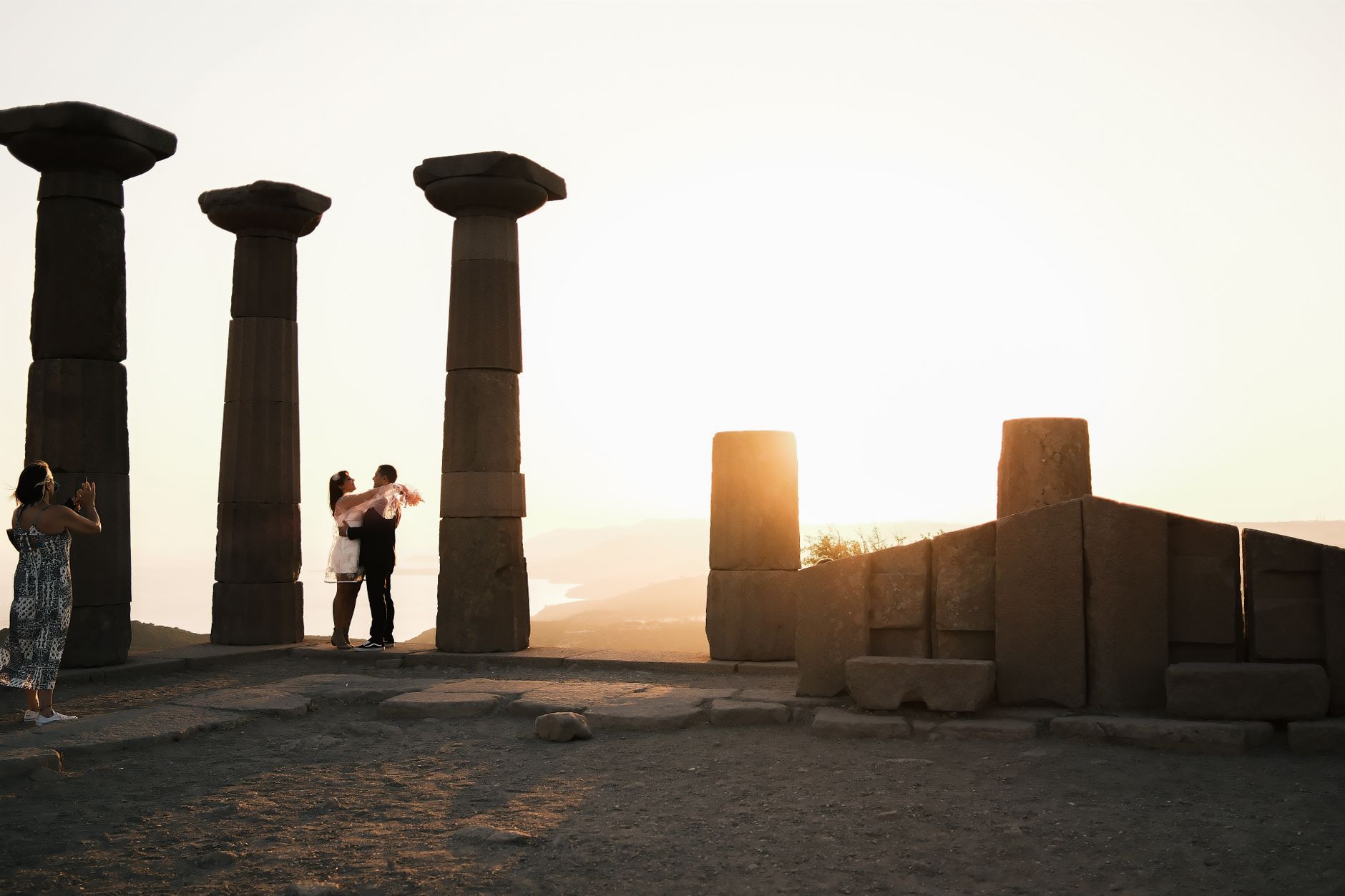
The Aegean coast is famous for its turquoise water and ancient ruins, but its sunrise rituals are underrated. In Assos (Behramkale), the Temple of Athena sits on a hill above the sea, facing east. Watching the sun rise over the Edremit Gulf, with the temple's solitary columns silhouetted, is a moment of pure stillness. Few travelers make it here before 8 a.m.
Timing and access: Drive to the ancient site's parking area and walk 10 minutes uphill. The site opens at 08:00, but you can view the sunrise from the road just outside the gate — still spectacular. For a legal inside-the-ruins experience, visit at sunset instead, or stay at a guesthouse in Behramkale and ask the caretaker about early access (sometimes possible in low season).
Further south, the Çeşme peninsula offers coves like Ilıca and Şifne. Park near the beach, walk to the water's edge, and watch fishermen return with the night's catch. The tea sellers here are legendary: a man with a tray of tulip glasses will find you within minutes, often before you've rubbed the sleep from your eyes.
Transport: A rental car is essential for dawn coastal adventures; dolmuşes don't run that early. From Izmir, it's a 1.5-hour drive to Çeşme or 2.5 hours to Assos. Roads are good, but watch for early-morning tractors.
Lake Van and the Eastern Highlands: A Different Dawn
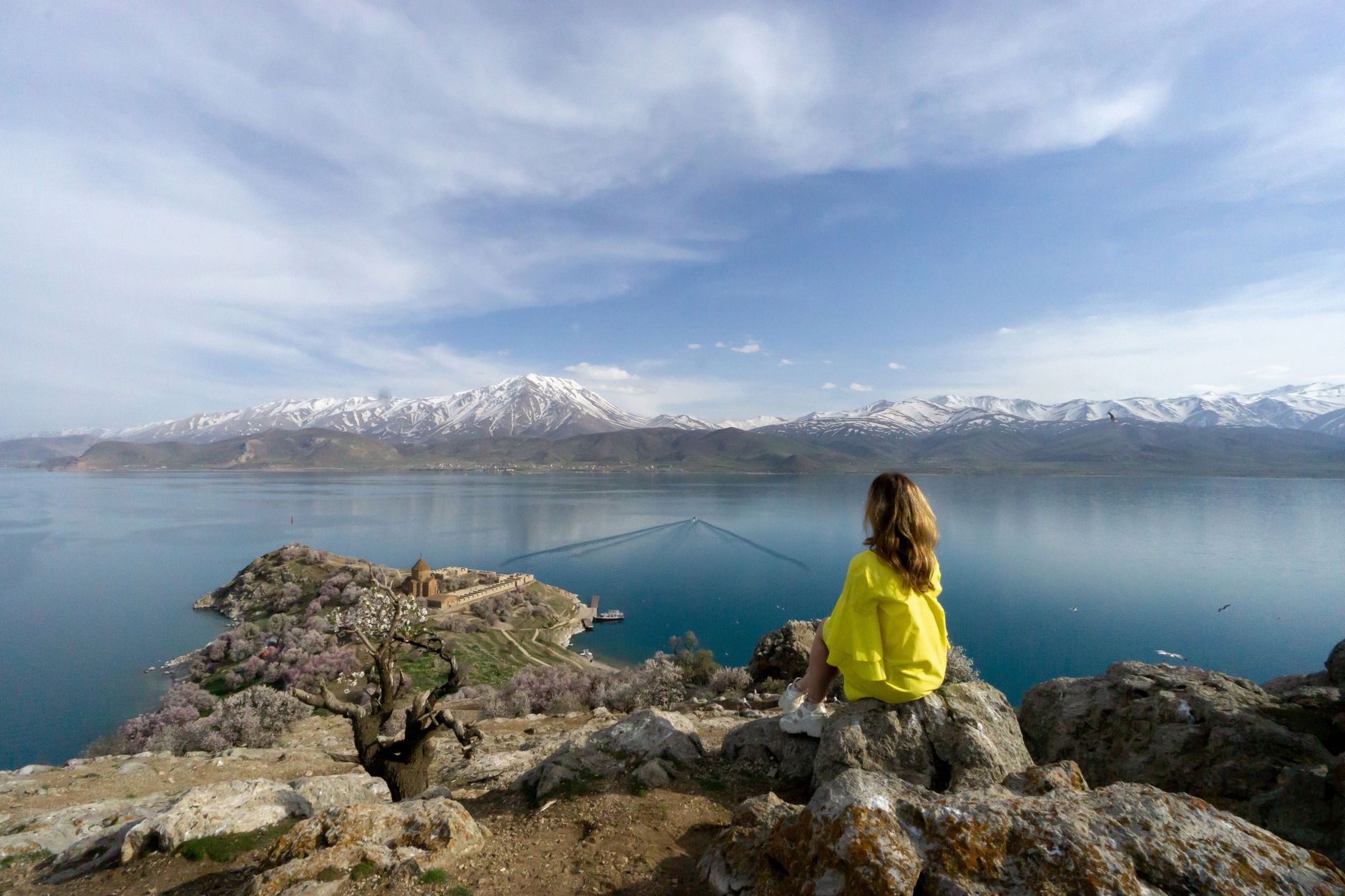
In Türkiye's far east, sunrise arrives later (around 06:30 in summer) and feels more dramatic. Lake Van, the largest lake in the country, is ringed by volcanic mountains. The best spot is the Akdamar Island area, where you can watch the sun rise over the lake and illuminate the 10th-century Armenian Church of the Holy Cross. The island itself opens later, but the shore at Gevaş offers a perfect vantage point.
Timing and access: From Van city, drive 45 minutes to Gevaş. Park near the ferry dock and walk to the shoreline. In winter, the lake may be ringed with snow — bring layers. After sunrise, take the first ferry (usually 09:00) to Akdamar. For an even more remote experience, drive to Mount Ararat's foothills near Doğubayazıt, where the sun rises behind the mountain's snowcap. The drive from Van is about 2.5 hours; leave by 03:30.
Tea culture: In eastern Türkiye, tea is not just a drink — it's a welcome. At any roadside çay bahçesi, you'll be offered a glass before you can order. Accept it; it's part of the ritual. The tea is strong, served in tulip-shaped glasses with sugar cubes on the side.

Kars and the Ani Ruins: Ghost City at Dawn
Near the Armenian border, the medieval city of Ani sits on a grassy plateau above the Arpaçay River. At sunrise, the ruined churches and city walls emerge from the mist, and you can hear the river below. It's one of the most atmospheric archaeological sites in Türkiye, and at dawn, you'll likely have it to yourself.
Timing and access: Ani opens at 08:00, but the surrounding plateau is accessible earlier. Drive from Kars (45 minutes) and park near the entrance. Walk along the outer wall for sunrise views. In summer, sunrise is around 05:00; in winter, 07:00. The site is high (1,500 m), so even summer mornings are chilly — bring a fleece.
After sunrise, return to Kars for a breakfast of Kars gravyer cheese and honey. The city's Ottoman-era buildings and Russian-influenced architecture are best explored before the tour buses arrive from Erzurum.
Practical Tips for Chasing Türkiye's Dawn
Transport: Renting a car is the most flexible way to reach sunrise spots. Major airports (Istanbul, Izmir, Antalya, Van, Kars) have rental agencies. Book ahead in summer. For remote sites like Nemrut or Ani, consider a local driver-guide — they know the roads in the dark and often carry tea.
Timing: Use a sunrise calculator app or website. Arrive 30–40 minutes early. In winter, sunrise can be as late as 07:30, making it easier; in summer, you'll be waking at 03:30. Plan a nap for the afternoon.
What to bring: A headlamp or flashlight, layers (it's always colder before dawn), a thermos, cash for entrance fees and tea, and a small mat or scarf to sit on. Respect local customs: dress modestly at religious sites, and always accept offered tea — it's rude to refuse.
Weather: Check forecasts. Coastal areas can be humid and buggy; mountains can be windy and cold. In spring and autumn, mornings are mild and ideal. Summer dawns are warm but crowded at popular spots; winter dawns are crisp and empty, but some roads may be snowy.
Finally, slow down. The magic of a Turkish sunrise isn't just the light — it's the unhurried rhythm of a country waking up. Sip your tea, listen to the calls of seabirds or the distant bleat of goats, and let the day begin on your own terms.
Thinking about a trip to Turkey?
Share your contact details and a vetted local expert will follow up with a plan built around you — free, no obligation.