

There is a moment every traveler to Türkiye eventually experiences: you're standing in a modest neighborhood supermarket—bakkal, market, or the great Turkish chain Migros—and you realize the shelves are full of the same treasures you were about to overpay for in the Grand Bazaar. Boxes of lokum, vacuum-sealed spices, tins of golden olive oil, and fragrant black tea, all at everyday prices. The locals aren't buying souvenirs; they're buying dinner. That's exactly why these items make the best gifts: they are authentic, delicious, and built to travel.
This guide is for the traveler who wants to bring home the real taste of Türkiye without wrestling a carpet onto the plane. We'll cover what to buy, where to shop beyond the bazaars, how to pack it all safely, and which items breeze through customs. Think of it as your edible, packable, utterly delicious Turkish souvenir strategy.
Why Supermarkets Beat Souvenir Shops for Food Gifts
First, the value. A beautiful box of Turkish delight in a Sultanahmet gift shop might cost 300 TL; the same brand—or a better local one—sits on a Migros shelf for a fraction of that. Supermarkets compete on freshness and volume, not on tourist markups. You'll also find far more variety: regional spice blends, small-batch olive oils, and teas you'd never see in a curated boutique.
Second, the packaging. Turkish food producers understand shelf life. Lokum comes in sealed boxes, spices in resealable pouches, olive oil in sturdy tins or PET bottles, and tea in foil-lined sacks. These are designed to survive shipping, which means they'll survive your checked bag. Compare that to the open-air spice pyramids in the bazaar, which are gorgeous but often sold in flimsy bags that leak saffron dust all over your socks.
Third, the discovery. Wandering a Turkish supermarket is a cultural activity in itself. You'll see grandmothers squeezing tomatoes, teenagers debating chips, and shelves organized by kahvaltılık (breakfast items), baharat (spices), and içecek (drinks). It's everyday Türkiye at its most generous. For more on Turkish food culture, see our guides section.
"The best souvenir is the one you'll actually use. Turkish supermarkets sell flavor, not dust collectors."
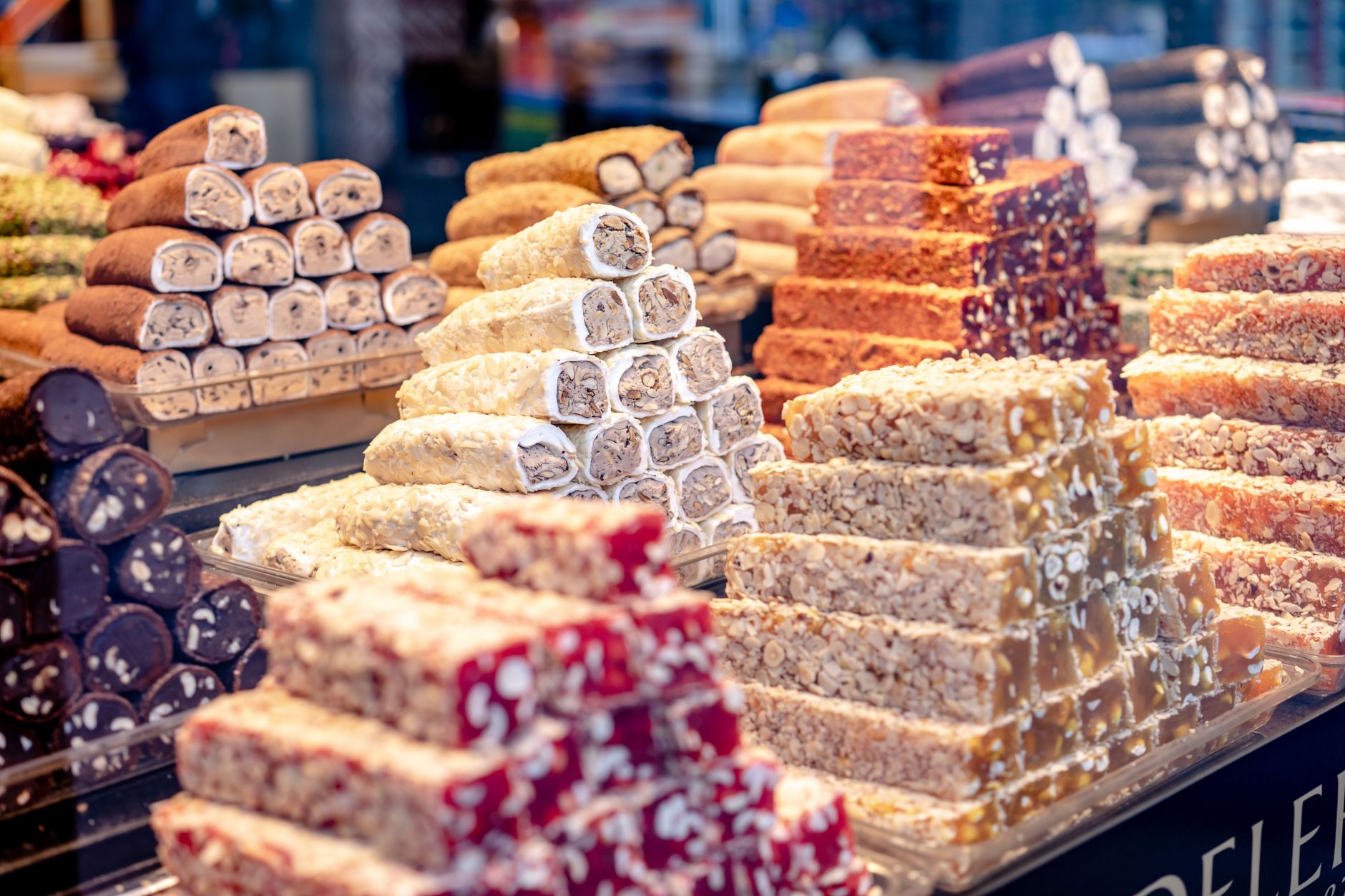
The Essential Supermarket Souvenirs (and What They Cost)
Turkish delight (lokum). Look for brands like Hacı Bekir, Ali Muhiddin Hacı Bekir, or supermarket own-brands in flavors beyond rose and lemon: pomegranate, hazelnut, double-roasted, and the sublime sultan with pistachio. A 500g box runs 80–150 TL. Choose boxes with individually wrapped pieces—they stay fresh and don't stick together.
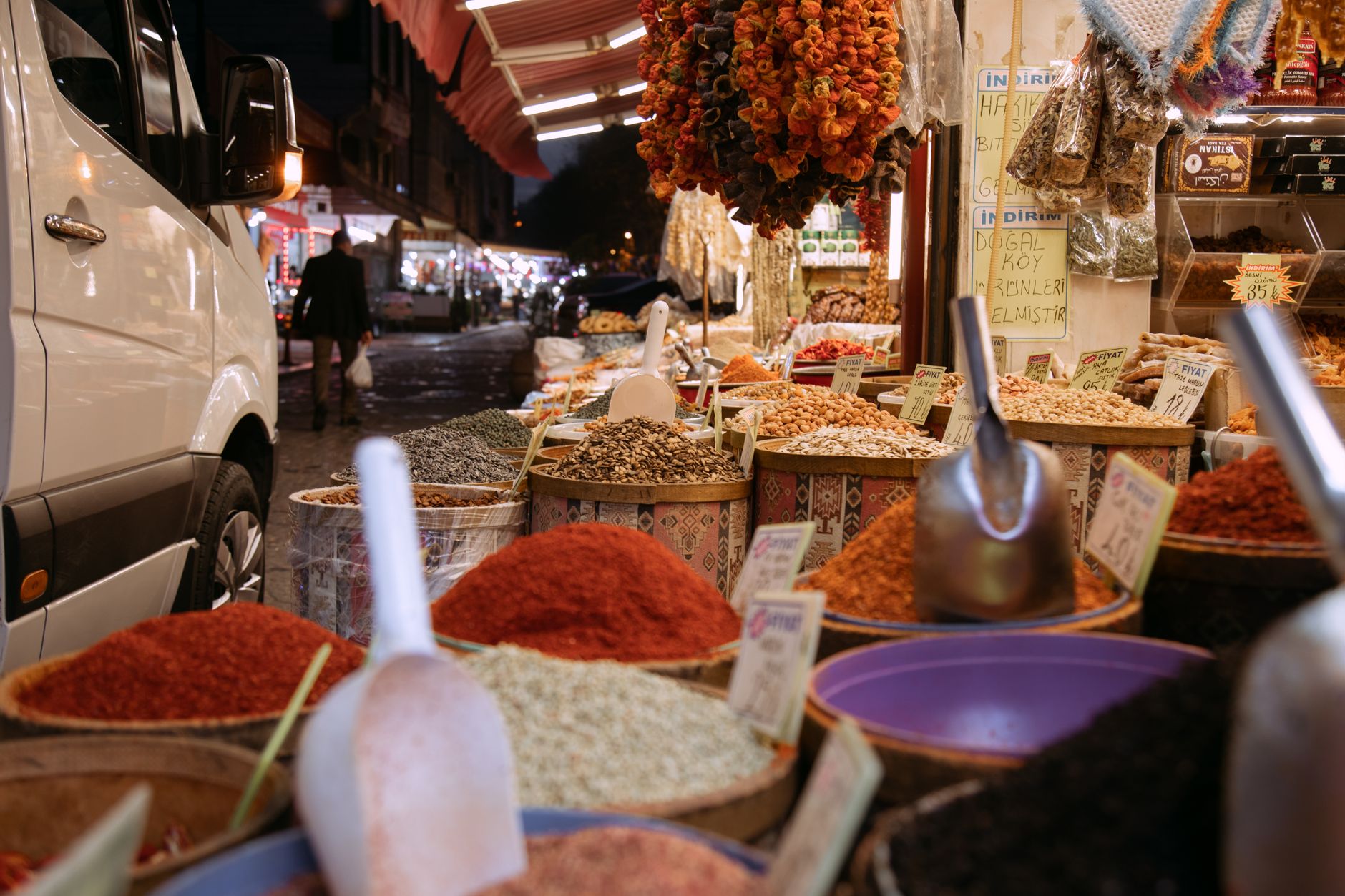
Spice blends. Beyond the famous pul biber (flaked red pepper), grab isot from Urfa, sumak (sumac), kekik (oregano/thyme), nane (dried mint), and baharat (a warm seven-spice mix). Also look for tarçın (cinnamon) and yenibahar (allspice). Buy brands like Bağdat, Arifoğlu, or İpek. A 100g pouch costs 30–60 TL.
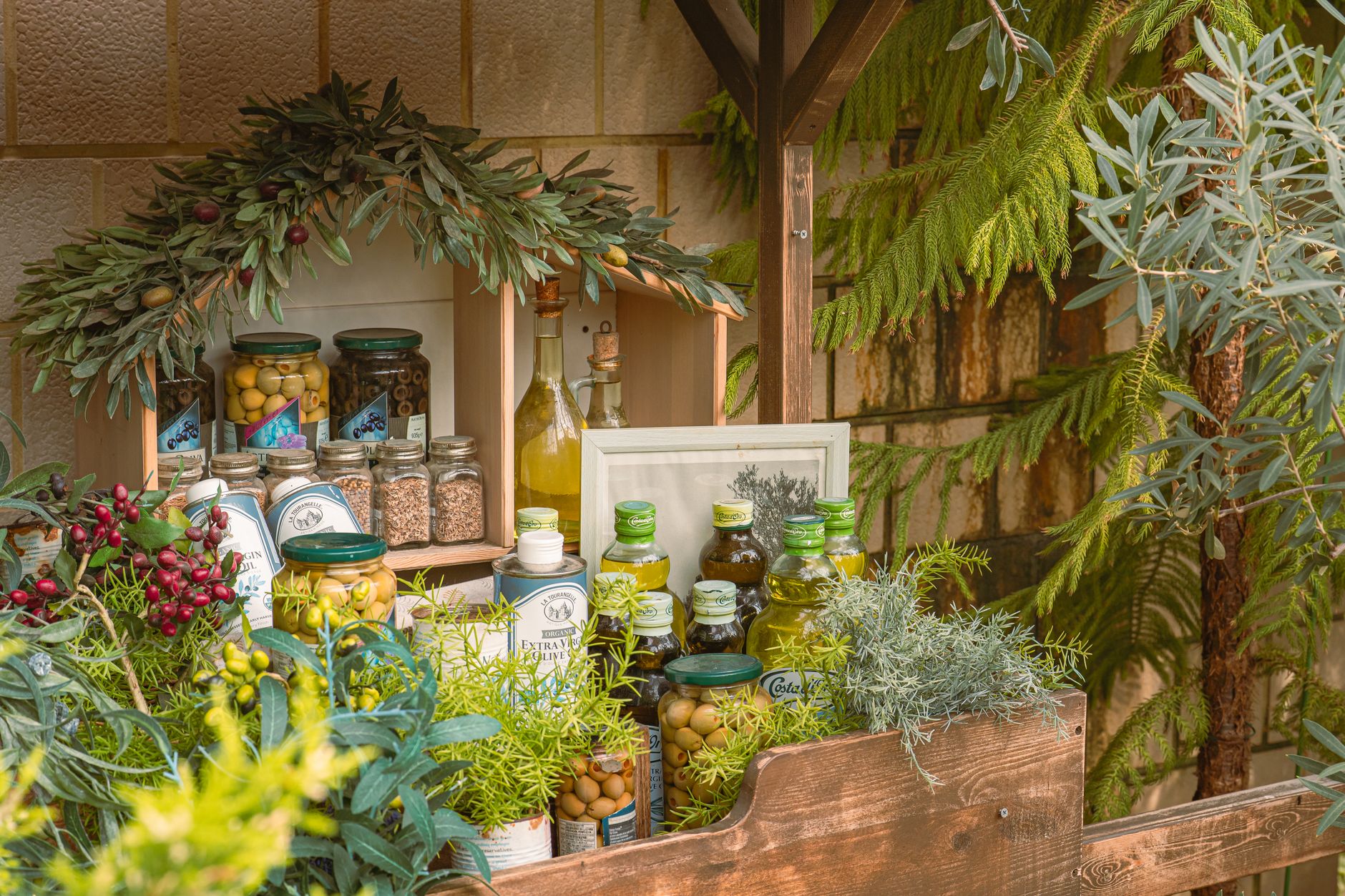
Olive oil. Türkiye is a top-five global olive oil producer, yet most travelers never taste it. Look for sızma zeytinyağı (extra virgin) in dark glass or tins. Regional bottles from Ayvalık, Memecik, or Gemlik are superb. A 1L tin is 200–350 TL and packs beautifully in checked luggage.
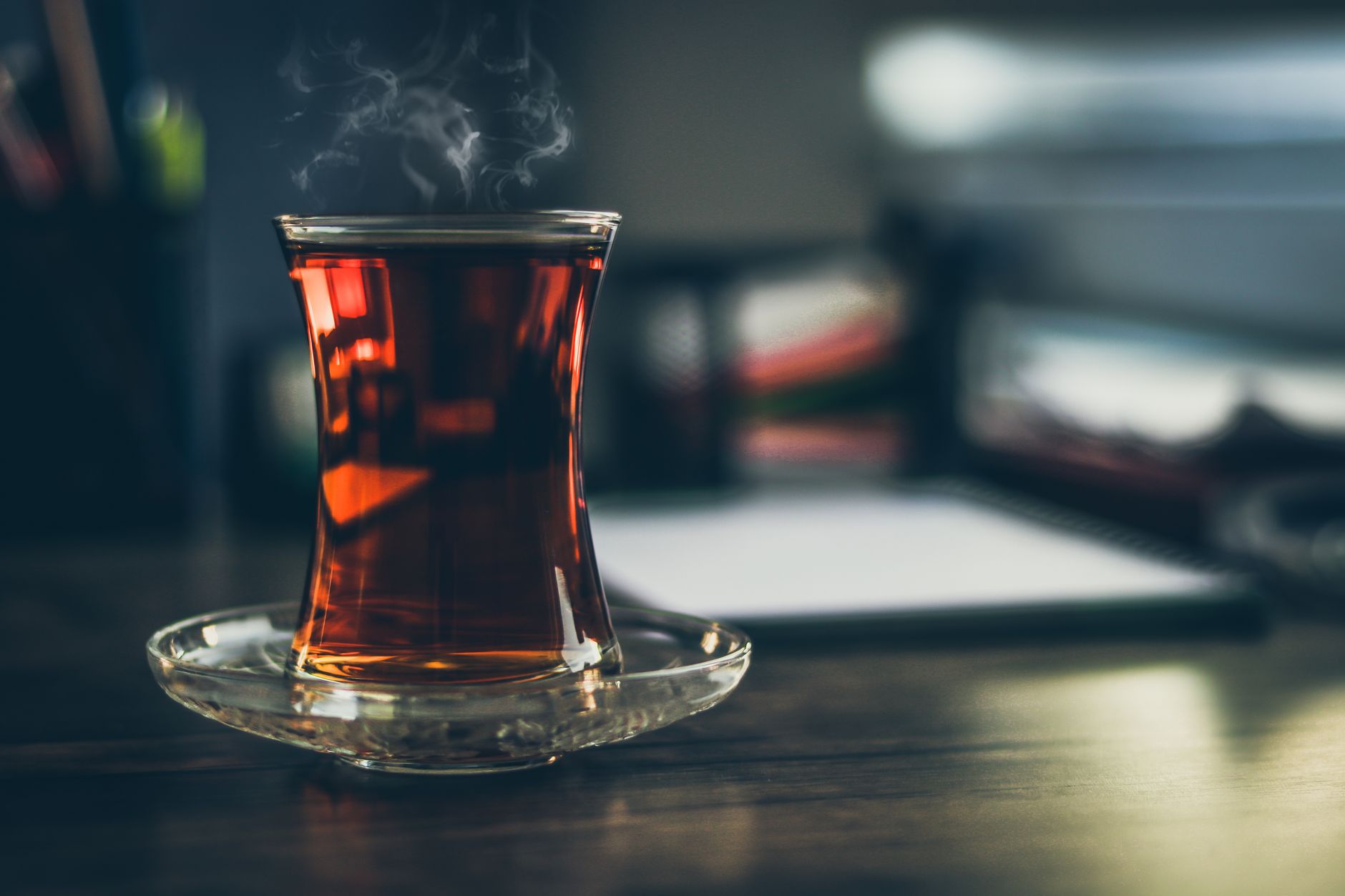
Tea. Turkish tea (çay) is a national obsession. Buy Rize black tea—the gold standard—from brands like Çaykur, Doğuş, or Ofçay. Loose-leaf tomurcuk or filiz grades are fragrant and strong. A 500g vacuum-sealed pack is 60–120 TL. Also grab kuşburnu (rosehip) and ıhlamur (linden) herbal teas.
Other gems. Pekmez (grape molasses), tahin (sesame paste), helva (sesame candy), kuru incir (dried figs), kayısı (dried apricots), fındık (hazelnuts), antep fıstığı (pistachios), and lokum's savory cousin, leblebi (roasted chickpeas). Also nane limon tea bags and salep powder for winter drinks.
Where to Shop Beyond the Bazaar
Migros. The most reliable nationwide chain, with excellent own-brand organic lines and a huge spice aisle. CarrefourSA and Metro (for bulk) are also great. Şok, BİM, and A101 are discount chains with surprisingly good local products—perfect for budget gifts.
Local markets (semt pazarı). Every neighborhood has a weekly open-air market. Go for fresh produce, but also for vendors selling homemade tarhana (dried soup mix), erişte (noodles), and salça (tomato/pepper paste). Bring your own bags.
Spice specialists (aktar). These small herbalist shops are found in every town and sell spices, teas, dried fruits, and natural remedies. They'll vacuum-seal your purchases for free or a tiny fee. Ask for vakumlu (vacuum-sealed).
Airport supermarkets. Duty-free has some options, but the best-value airport shopping is often the Migros or Carrefour at Istanbul Airport's landside area before security. Prices are higher than city stores but still better than gift shops.
If you're planning a multi-city trip, our routes page can help you combine Istanbul's markets with regional food destinations like Gaziantep or Ayvalık.
Packing Like a Pro: Customs-Friendly and Carry-On-Safe
Liquids rule. Olive oil, pekmez, and tahin are liquids. In carry-on, they must be under 100ml and in a clear bag. In checked luggage, wrap bottles in sealed plastic bags, then in clothing, and place them in the center of your suitcase. Better yet, buy tins—they're nearly indestructible.
Customs-friendly gifts. Most countries allow processed, commercially packaged foods. Spices, tea, dried fruits, nuts, lokum, and olive oil are generally fine for the US, EU, UK, and Canada. Avoid fresh produce, meat, and dairy. Always declare food items—honesty avoids fines. Check your specific country's rules, but sealed, shelf-stable items are the safest bet.
Weight and space. Tea and spices are light but bulky; vacuum-sealed packs save 30–50% space. Olive oil is heavy—one 1L tin per suitcase is plenty. Lokum boxes are stackable. Leave a little room in your bag for a few extra kilos.
Labeling. Keep original packaging with ingredient lists. It helps customs and keeps items fresh. If you buy from an aktar, ask them to write the contents in English on the bag.
Gift Ideas for Every Personality (Under 200 TL)
For the tea lover: A 500g vacuum pack of Çaykur Rize tea plus a double-chamber Turkish tea glass (ince belli bardak) and a small stainless steel çaydanlık if space allows.
For the cook: A trio of pul biber, sumac, and kekik in resealable pouches; a tin of Ayvalık olive oil; and a jar of biber salçası (red pepper paste).
For the sweet tooth: Assorted lokum box, helva with pistachio, dried figs stuffed with walnuts, and cezerye (carrot-and-nut candy).
For the wellness seeker: Rosehip tea, linden tea, nane limon, and a small bottle of gül suyu (rose water) for baking or skincare.
For the host: A beautiful tin of olive oil, a box of lokum, and a pack of Turkish coffee (Türk kahvesi) from Kurukahveci Mehmet Efendi—ground fresh and vacuum-sealed.
Need help building a food-focused itinerary? Our trip planner can map markets and food streets into your route.
Regional Specialties Worth Seeking Out
Gaziantep: Pistachios, baklava, and antep biberi. Urfa: Isot pepper and çiğ köfte spice mix. Ayvalık: Olive oil and zeytin (olives). Rize: Tea. Kayseri: pastırma (cured beef—check customs) and mantı. Hatay: künefe cheese and spice blends. İzmir: boyoz and olive oil. Each region's supermarket shelves tell a story.
Traveling in different seasons affects what's available—fresh vs. dried. Our best time to visit guide can help you align your trip with harvest seasons for olives, figs, and tea.
For more practical packing tips and food guides, explore our blog. And if you want a curated food tour, our local experts can take you straight to the best aktar and markets.
So next time you're in Türkiye, skip the souvenir shop. Walk into a Migros, grab a basket, and fill it with the flavors locals eat every day. Your friends will thank you, your suitcase will survive, and you'll have brought home the real taste of Türkiye—one delicious, packable treasure at a time.
Thinking about a trip to Turkey?
Share your contact details and a vetted local expert will follow up with a plan built around you — free, no obligation.