

A Green Kingdom on the Black Sea
Somewhere east of Trabzon, the coastline folds itself into a rumpled green quilt and the air turns soft, humid and faintly sweet. This is Rize, the heart of Türkiye's tea country, where nearly every hillside is stitched with the neat, looping contours of tea gardens. The Black Sea keeps the slopes damp and mild, and in return the land gives back some of the most photogenic agricultural scenery in the whole country — terraces that ripple from the water's edge up to cloud-wrapped ridges, dotted with pickers in bright aprons and conical baskets.
Travelers who make it this far east are rewarded with something rare: a working landscape that is also genuinely welcoming. Tea is a family affair here, and conversations begin easily — over a tiny tulip-shaped glass of çay, offered before you have even finished asking for directions. The region around Rize and the mountain town of Çamlıhemşin is lush, generous and quietly spectacular, and it rewards slow travel far more than a rushed checklist.
This guide is for anyone who wants to see the gardens at their greenest, watch fresh leaves become the tea that fuels the entire nation, and then climb into the highlands for village breakfasts, waterfalls and hillside cafés with views that justify every switchback on the road.
Why Tea Country Belongs on Your Itinerary
Türkiye is one of the world's great tea-drinking nations, and almost all of that tea grows in a narrow, rain-fed strip along the eastern Black Sea. Rize is the undisputed capital. Around 70 percent of the country's tea comes from the province, and the plant is so central to local identity that the tea leaf appears on municipal emblems, bridges and café signs alike. Visiting is a chance to see a national ritual at its source.
The scenery is the other draw. The tea terraces are beautiful in a way that photographs struggle to capture: layer upon layer of bright green curving around the contours of steep hills, punctuated by slim access paths, wooden drying sheds and the occasional villager walking a cow past a tea factory. Above the tea line, the landscape shifts to spruce forests, alpine meadows and stone villages that feel a world away from the coast.
And then there is the hospitality. In Rize and Çamlıhemşin, a stranger is a guest, and a guest is offered tea. Expect to be waved into garden sheds, handed freshly brewed çay and asked — with genuine curiosity — where you are from and whether you like the mountains. The region's travel stories are full of such encounters, and they tend to become the highlight of the trip.
Tea Gardens: A Walk Through the Terraces
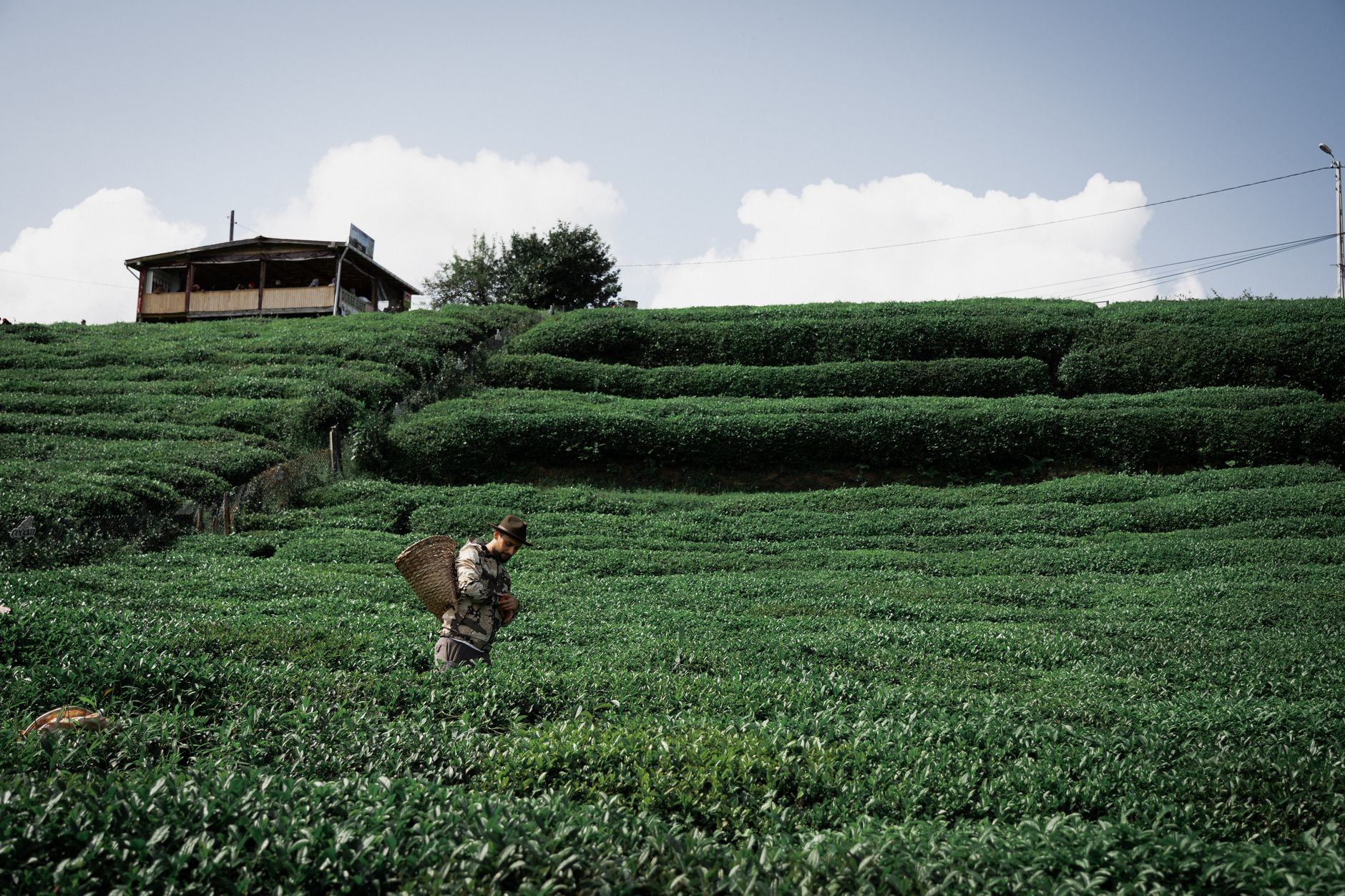
Tea gardens surround Rize in a green embrace, but the most scenic stretches are found a little inland, where the coastal plain gives way to steep valleys. The road from Rize toward Çamlıhemşin and Ayder is a continuous ribbon of tea: hedges of glossy, serrated leaves clipped into low, rounded bushes, terraced so tightly that each row seems to hold the next one up.
Walking through the gardens is easy and rewarding. Narrow paths thread between the rows, and farmers are usually happy to let respectful visitors wander a little, especially if you buy a glass of tea or a packet of leaves afterwards. The light is best in the early morning, when mist clings to the valleys and the leaves glisten, and again in the late afternoon, when the terraces glow a deep, saturated green.
If you want to understand what you are looking at, learn a little about the harvest cycle. The best leaves are the young shoots at the top of each stem, picked by hand in the traditional way — though increasingly with the help of shears and machines. The gardens are pruned back regularly, which is why they look so manicured, and the constant damp climate means the bushes are almost always flushing with new growth.
There is a particular shade of green in the Rize hills — bright, damp and almost luminous — that you will not find anywhere else in Türkiye. Photographers, bring extra memory cards.
Guided walks through tea-growing villages can be arranged locally, and the region's growing network of trails makes it easy to combine garden visits with waterfall stops and forest hikes. Check the guides section for practical walking ideas before you go.
Inside a Tea Factory: From Leaf to Glass
No visit to Rize is complete without stepping inside a tea factory. These are working industrial buildings, often perched dramatically above a valley, their long windows and corrugated roofs part of the landscape. Many accept visitors, and a small museum and visitor centre near Rize explains the whole process from garden to glass.
The transformation is fascinating. Freshly picked leaves are withered, rolled, oxidised and dried before being sorted and packed. Walking through the factory, you are surrounded by the warm, earthy smell of drying tea, the hum of machinery and the quiet precision of workers grading leaves that will soon be steeping in cities hundreds of kilometres away.
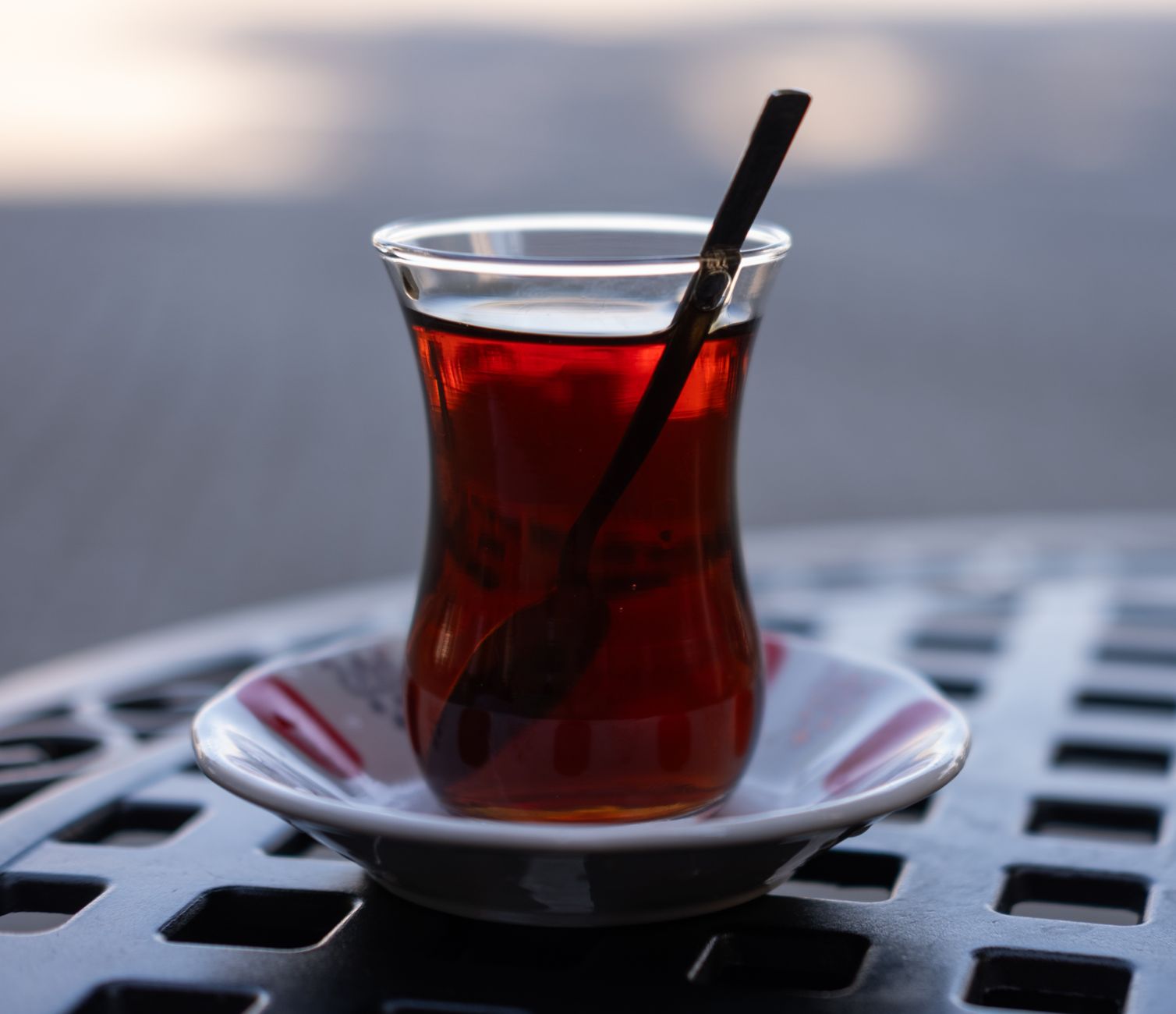
At the end of the tour comes the best part: a tasting. Turkish tea is brewed in a double pot — a strong concentrate in the top pot, hot water in the bottom — and served in small, tulip-shaped glasses. The colour should be a deep mahogany; the flavour is robust and slightly astringent, which is why it is often taken with sugar. Ask your host about brewing at home and you will get a passionate lesson in water temperature, steeping time and the importance of a good glass.
For more on the role of tea in Turkish daily life, from breakfast tables to business meetings, our destinations pages explore the culture that surrounds the glass.
Visiting During the Harvest
Tea in Türkiye is picked across several cuttings from spring to autumn, with the most intense activity between May and October. Visiting during the harvest turns the hillsides into a living scene: families working together in the gardens, trucks loaded with sacks of leaves heading to the factories, and the whole valley humming with purpose.
July and August are the busiest and liveliest months, when schools are out and entire families head up to their gardens. This is also when the highland villages are at their most active, with summer pastures, festivals and long evenings of music and conversation. Expect warm days, frequent mist and the occasional dramatic downpour — this is a rainforest climate, after all.
Spring and early autumn are quieter and arguably even more beautiful, with softer light and fewer visitors on the trails. Wherever you land in the season, plan your days around the weather rather than against it: mornings tend to be clearer, with cloud building in the afternoon. Pack quick-drying layers, sturdy shoes and a waterproof jacket, and you will be comfortable in every condition the mountains throw at you.
For a month-by-month view of climate and crowds across the country, see our best-time guide.
Çamlıhemşin and the Highland Villages
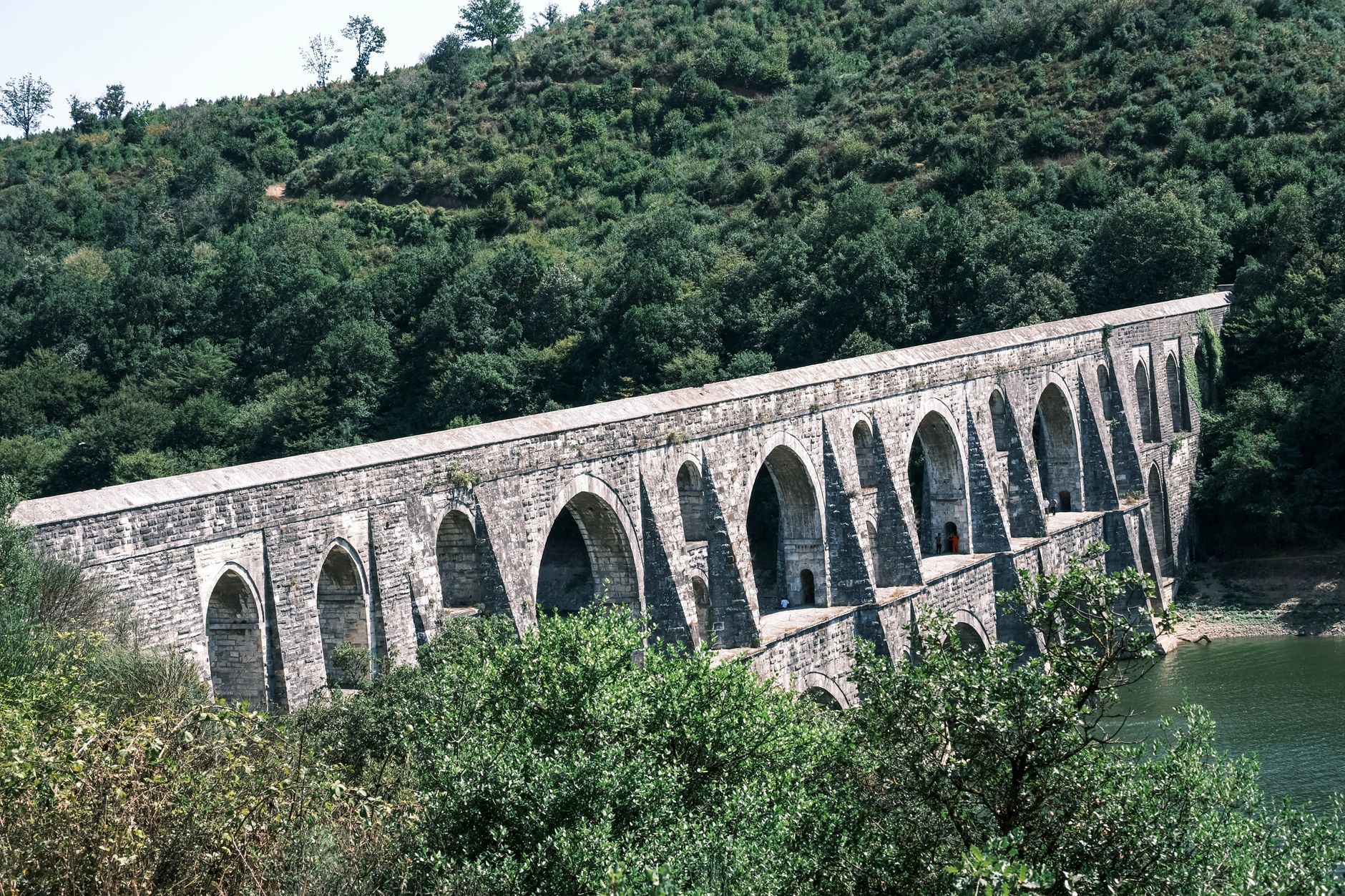
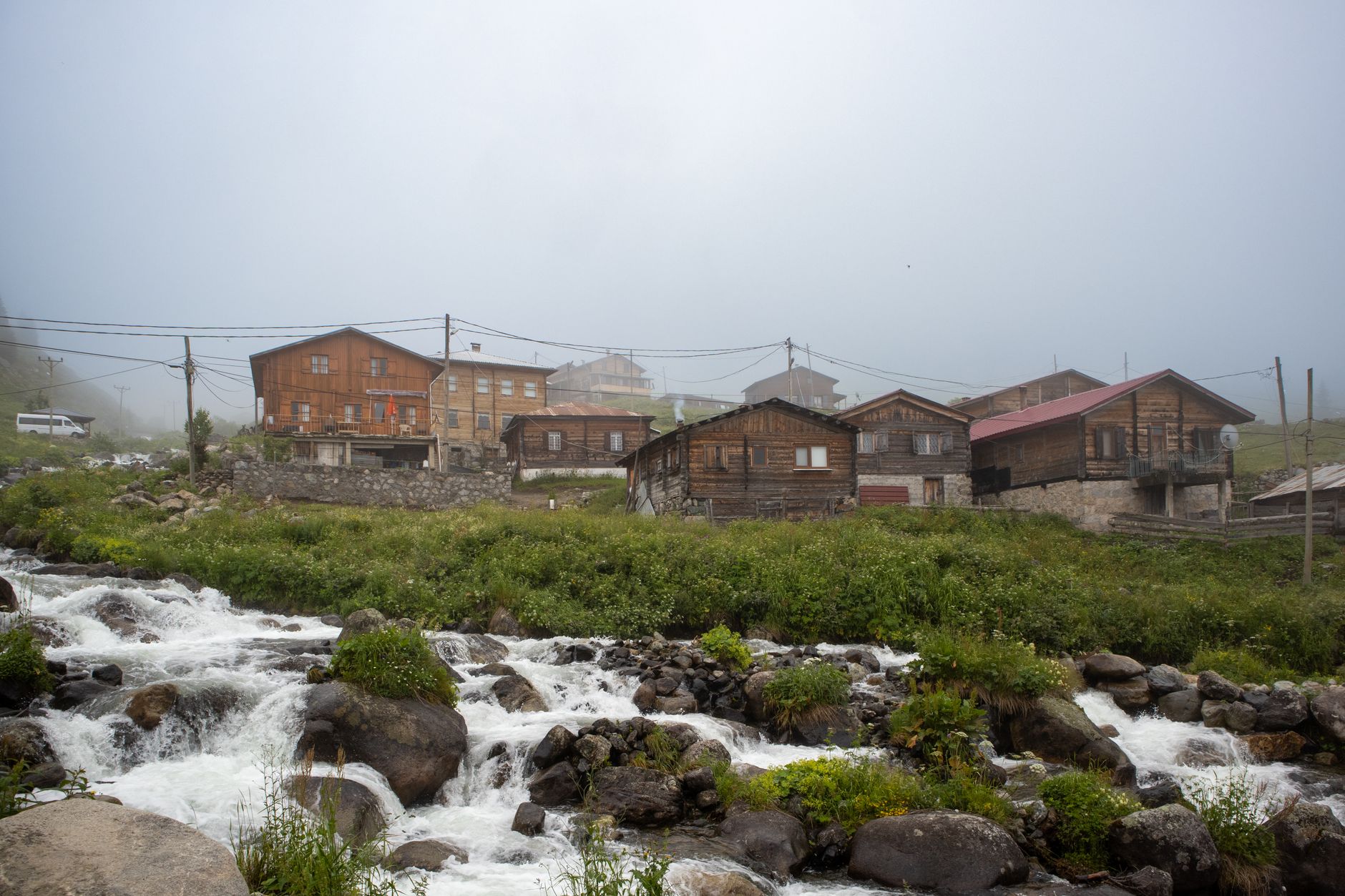
Inland from the coast, the road follows the Fırtına (Storm) Valley upstream to Çamlıhemşin, a small town set among some of the most dramatic scenery in Türkiye. Wooden Ottoman-era houses with deep balconies cling to the slopes, rivers roar below, and stone bridges — including the famous arched bridges at Şenyuva and Timisvat — span the meltwater with photogenic grace.
Beyond Çamlıhemşin the road climbs to Ayder, a highland resort at around 1,350 metres where wooden guesthouses cluster around hot springs and alpine meadows. In summer, the surrounding yaylas — traditional high pasture settlements — come alive as families move up with their animals. Visiting one is a step into another rhythm of life: butter churned by hand, corn bread baked on wood fires, and tea drunk on a wooden balcony while clouds roll through the valley below.
The hospitality in these villages is remarkable. You may be invited for breakfast, offered a place by the stove, or asked to join a family for tea. Accept graciously. This is not performance; it is simply how guests are treated in the highlands, and it is one of the great privileges of traveling here.
Hikers will find superb trails linking villages and waterfalls, including routes in the Kaçkar Mountains National Park. Our itineraries suggest ways to combine coastal and highland days without rushing.
Hillside Cafés and the Art of the Tea Break
Perhaps the greatest pleasure of tea country is the hillside café. These are rarely fancy: a wooden platform, a few plastic chairs, a samovar, and a view that would justify a five-star price tag anywhere else in the world. Order a glass of çay and a slice of local honey or a plate of muhlama — cornmeal cooked with butter and cheese — and you have the perfect Rize afternoon.
The café culture here is inseparable from the landscape. Every viewpoint seems to have a tea house, from roadside terraces above the Fırtına Valley to mountain huts beside waterfalls. Locals stop for tea the way other people check their phones: frequently, briefly and with real pleasure. Sit long enough and someone will strike up a conversation, offer advice on the next village, or insist you try the local butter.
Don't miss the famous tea gardens of Çayeli and the small cafés around Zilkale, a medieval castle perched above a gorge. And do take the time to sit with a glass and simply look: the green terraces, the mist, the slow movement of clouds along the ridges. This is the point of the whole journey — and it is why so many travelers leave Rize already planning their return.
Getting There: Combining Rize with Trabzon
Most visitors fly into Trabzon, the lively Black Sea city that serves as the gateway to the region. From there, buses and shared minibuses run east along the coast to Rize in roughly an hour and a half, with the road hugging the sea and the tea gardens climbing away to the left. Renting a car gives more freedom for valley-hopping and highland detours.
Trabzon itself deserves a day. The Sumela Monastery, the stunning Hagia Sophia of Trabzon and the city's bustling bazaar are all worth your time, and the coastal fish restaurants are excellent. The combination of urban Black Sea culture and mountain tea country makes for a wonderfully rounded trip.
To plan your route, budget and logistics in detail, start with our trip planner and our travel tools, which help you line up transport, seasons and stops. If you would rather have a local expert shape the trip around harvest season and highland villages, our experts can help. And when you are ready to dream in green, browse the gallery — the tea terraces of Rize are unforgettable, and they are waiting.
Thinking about a trip to Turkey?
Share your contact details and a vetted local expert will follow up with a plan built around you — free, no obligation.