

Why Look Beyond Pamukkale for a Thermal Escape
Pamukkale deserves its fame. The white travertine terraces above the ancient spa city of Hierapolis are one of the most photographed landscapes in Türkiye, and the warm mineral water that created them has been drawing bathers since the Romans. But Pamukkale is also crowded, especially between late morning and sunset, and the experience of soaking in the antique pool can feel more like an attraction than a rest cure.
What most visitors miss is that Türkiye sits on one of the richest geothermal belts in the world. Thousands of springs rise across the country, and dozens of small towns have grown up around them with bathhouses, modest hotels and a rhythm of life built on warm water. These places are rarely in guidebooks, they cost a fraction of a resort spa, and the bathing culture you find there is not a performance for tourists but an ordinary, beloved part of daily life.
This guide is for travellers who want the restorative side of Türkiye: travertine basins without the crowds, Roman thermal heritage you can actually bathe in, and quiet spa towns where the main event of the day is a long soak followed by tea in the sun. We will cover where to go, what treatments to expect, how to book sensibly, and how to pair a wellness stay with nearby ruins or wild landscapes.
Turkish bathing is a ritual of time, not of luxury. The water is the same water that has been rising here for millennia, and the town around it has had centuries to work out how to enjoy it.
The Turkish Hammam Tradition and What a Thermal Town Actually Offers
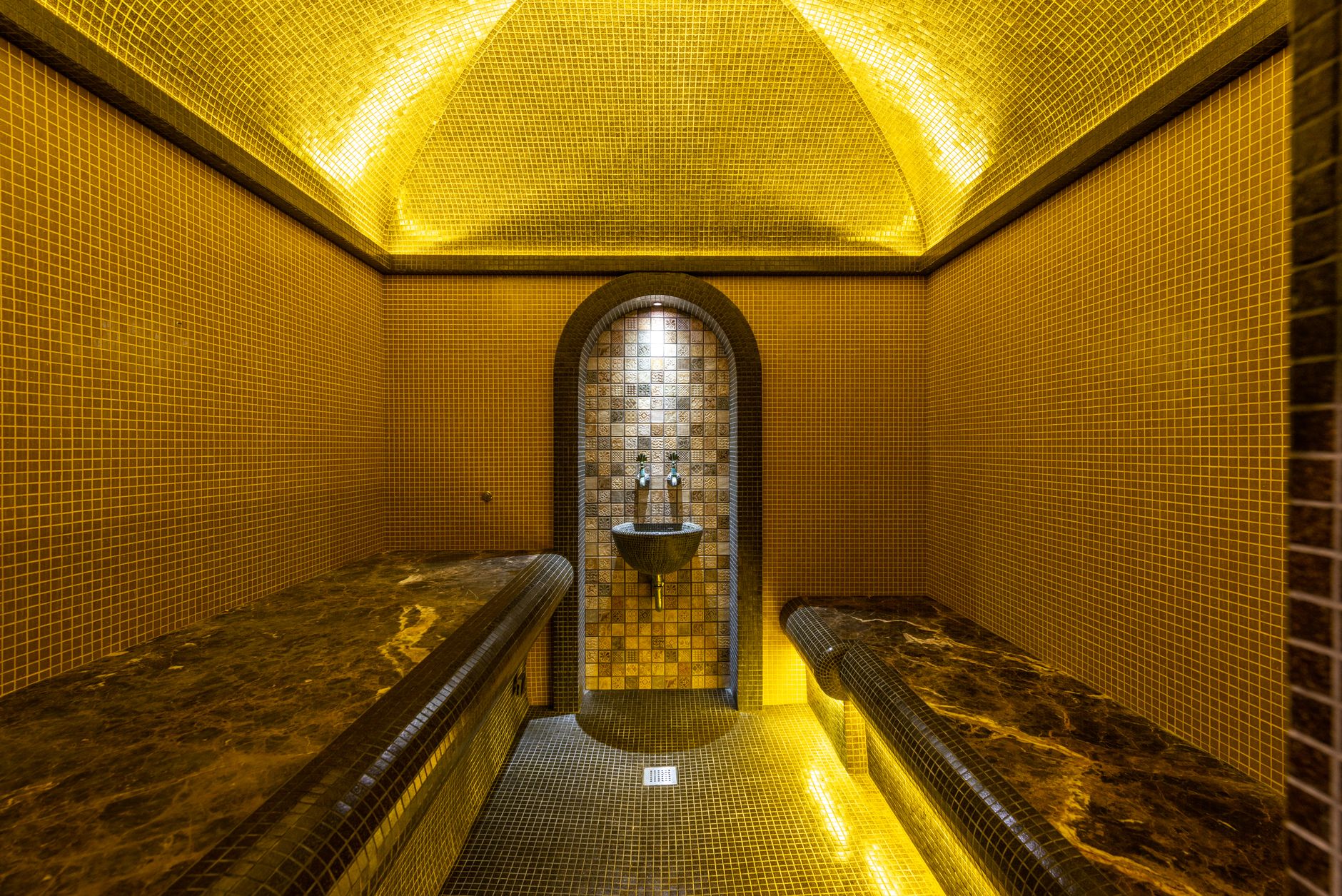
To enjoy a spa town in Anatolia, it helps to understand the difference between a hammam and a kaplıca. A hammam is the classic Turkish bath: a domed marble room with a heated slab, a supply of hot water, a scrub and a rinse. A kaplıca is a thermal spring establishment, often built directly over the source, where the mineral water itself is the treatment. Many kaplıca complexes include a pool, private bathing cabins, a scrub-and-foam service and sometimes mud or mineral wraps.
Expect the ritual to be simple and sociable. You will be given a peştemal (a thin checked cotton wrap), shown to a changing cabin or locker, and pointed towards the hot slab or pool. A therapist, often called a tellak for men or natır for women, will scrub you with a coarse glove (kese) and then cover you in a cloud of soap foam. It is vigorous, occasionally startling, and almost always leaves people feeling lighter. Afterwards comes the essential part: a glass of tea, a lie-down, and no hurry at all.
Treatments vary by town, but typical offerings include thermal pools at different temperatures, private family cabins, mineral mud wraps, massage, and sometimes physiotherapy programmes for rheumatism and joint complaints. Many Turkish guests come for weeks at a time on doctor's advice, which tells you something about the seriousness of the waters. As a visitor, you can book a single session or a multi-day package.
Etiquette is relaxed. Bring or buy a swimsuit for mixed pools, expect single-sex or private options in more traditional establishments, and follow the lead of staff about where to leave shoes and towels. If you are unsure, ask at reception; people are used to explaining the routine and are generally delighted that a foreign visitor wants to try it properly.
Travertine Without the Crowds: Quiet Basins and Warm Rivers
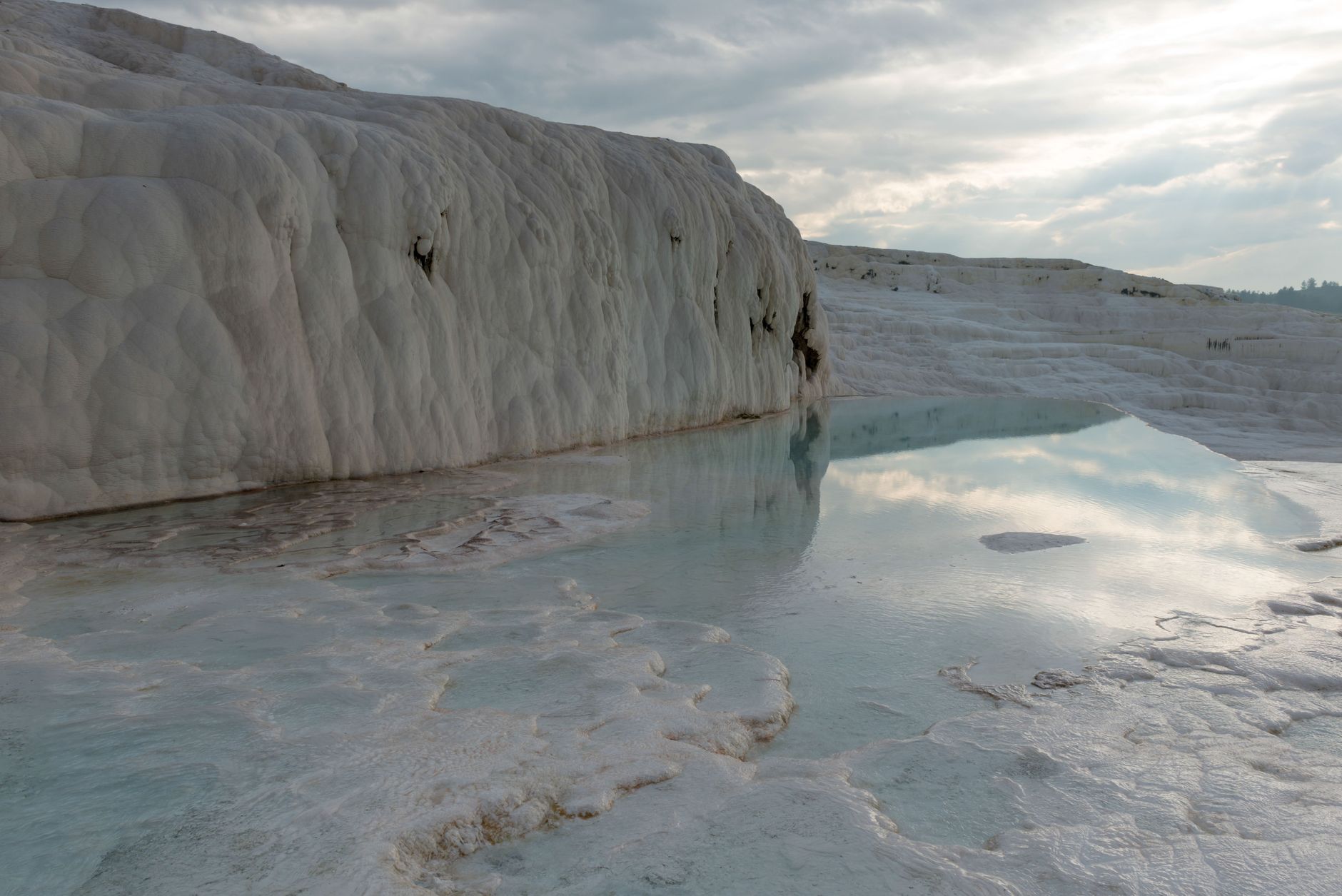
Pamukkale's terraces are the headline act, but Türkiye has other travertine formations where the calcium-rich water steps down the hillside in the same way, with a fraction of the visitors. Some are small enough to walk across in ten minutes, and their appeal is precisely that: no queues, no boardwalks, just warm water, white rock and the sound of a village going about its day.
Inland Anatolia and the Aegean hinterland are full of these minor travertine fields, often near a hot spring used by local families for picnics. You might find a shallow terrace pool where children paddle, a tea garden with plastic chairs, and a shepherd heading home along the ridge. These are not curated attractions, so treat them with care: stay on established paths, avoid disturbing the delicate mineral crust, and never use soap in the pools.
Beyond travertine, look for warm rivers and spring-fed bathing spots. Several Turkish rivers carry geothermal water for stretches, and towns have built simple facilities beside them. The experience is unpretentious and deeply pleasant: a warm current, a stone ledge to sit on, and cold air on your face in autumn or spring.
If you are planning a broader route, our route ideas and destination guides can help you stitch thermal stops together with classical sites and coast. The best wellness itineraries leave slack in the schedule, so resist the urge to plan every hour.
Lesser-Known Spa Towns Worth the Detour
Yalova and the Marmara Thermal Belt
South of Istanbul, the hills above Yalova are dotted with hot springs that Istanbul families have used for generations. The area is easily reached by ferry and bus, which makes it an ideal first taste of Turkish thermal culture. Expect modest hotels with their own spring-fed pools, wooded slopes, and a pace that feels a world away from the city.
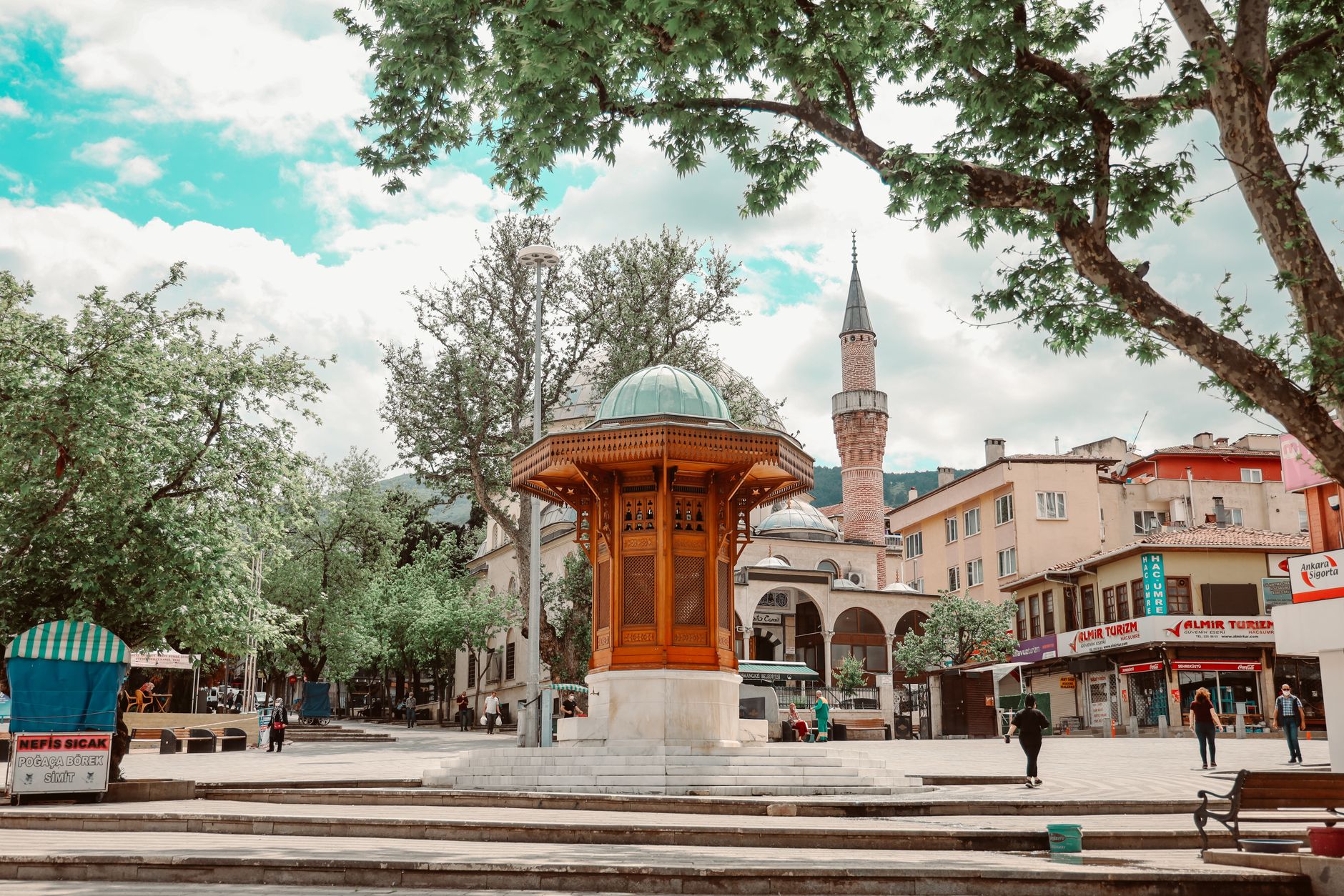
Bursa's Çekirge District
Bursa is famous for its Ottoman monuments, but the Çekirge neighbourhood has been a spa quarter since Byzantine times. Historic bathhouses sit beside modern thermal hotels, and the water is prized for skin and joint complaints. It is one of the easiest places in Türkiye to combine a serious soak with silk markets, mosques and mountain views.
Afyonkarahisar's Thermal Villages
Afyonkarahisar province is a geothermal powerhouse, and towns such as Gazlıgöl and Heybeli have long traditions of thermal cure. The waters are hot and mineral-rich, the hotels range from basic to comfortable, and in the surrounding countryside you will find marble quarries, poppy fields and a cuisine built on cream, sausage and strong coffee. It is authentic spa travel in the fullest sense.
Kangal and the Sivas Hot Springs
Inland Sivas province holds several hot spring resorts that see almost no foreign visitors. The reward is genuine local life, very low prices, and the strange pleasure of bathing in a hot pool while snow falls outside. These are simple places, so arrive with realistic expectations about accommodation and bring cash.
Ilıca on the Aegean Coast
Near Çeşme, Ilıca is known for its warm spring water bubbling up through the sand at the beach edge, a natural jacuzzi that has been enjoyed for centuries. Pair it with the castle at Çeşme and the quiet villages of the peninsula for a restorative coastal break.
For more ideas on when to visit and how the seasons shape a spa trip, see our best-time guide.
What Treatments and Programmes to Expect
Thermal establishments in Türkiye generally fall into three tiers. At the simplest, a municipal or village bathhouse offers a hot pool, changing cabins and a scrub service for very little money. Mid-range kaplıca hotels add private bathrooms fed by thermal water, meals, and a menu of massages and wraps. At the top end, resort-style thermal hotels offer medical-style programmes, physiotherapy, and sometimes doctors on site.
Common treatments include the kese scrub with foam wash, thermal pool sessions at graded temperatures, mud and mineral wraps, aromatherapy massage, and hydrotherapy. Many hotels offer multi-day cure packages with a set number of baths, massages and meals, which are excellent value compared with booking à la carte. Ask about the water temperature and mineral content if you have any health conditions, and consult your own doctor for anything serious.
Practical tips: bring flip-flops, a spare swimsuit and a plastic bag for wet things; hydrate well; limit each soak to fifteen or twenty minutes at first; and never combine thermal bathing with heavy alcohol. If you have heart problems, high blood pressure or are pregnant, seek medical advice before using very hot pools.
For a sense of how to fit treatments into a wider trip, our itineraries include slower-paced options with time built in for rest.
Practical Booking Tips for Thermal Stays
Book directly with kaplıca hotels where possible, especially outside high season, and ask whether the room has a thermal water supply or whether you will use shared pools. Weekends fill quickly with domestic guests, so midweek stays are calmer and cheaper. Many hotels offer half-board, which is worth taking because spa towns are often short on restaurants.
Prices are modest by European standards, but quality varies. Read recent reviews for cleanliness and water temperature, and check whether the establishment is mixed or has separate hours for men and women. If English is limited, translation apps work well and staff are patient.
Travel logistics are straightforward: most thermal towns are reachable by bus from a provincial capital, and car hire gives flexibility if you want to combine several springs. For budgeting tools and checklists, see our travel tools, and for advice on putting a trip together, our trip planner and local experts can help.
Finally, allow yourself to slow down. The point of a Turkish spa town is not to tick off a list of treatments but to fall into the rhythm of the place: a morning soak, a long lunch, an afternoon walk, an evening bath under the stars.
Pairing Wellness with Ruins, Nature and Local Life
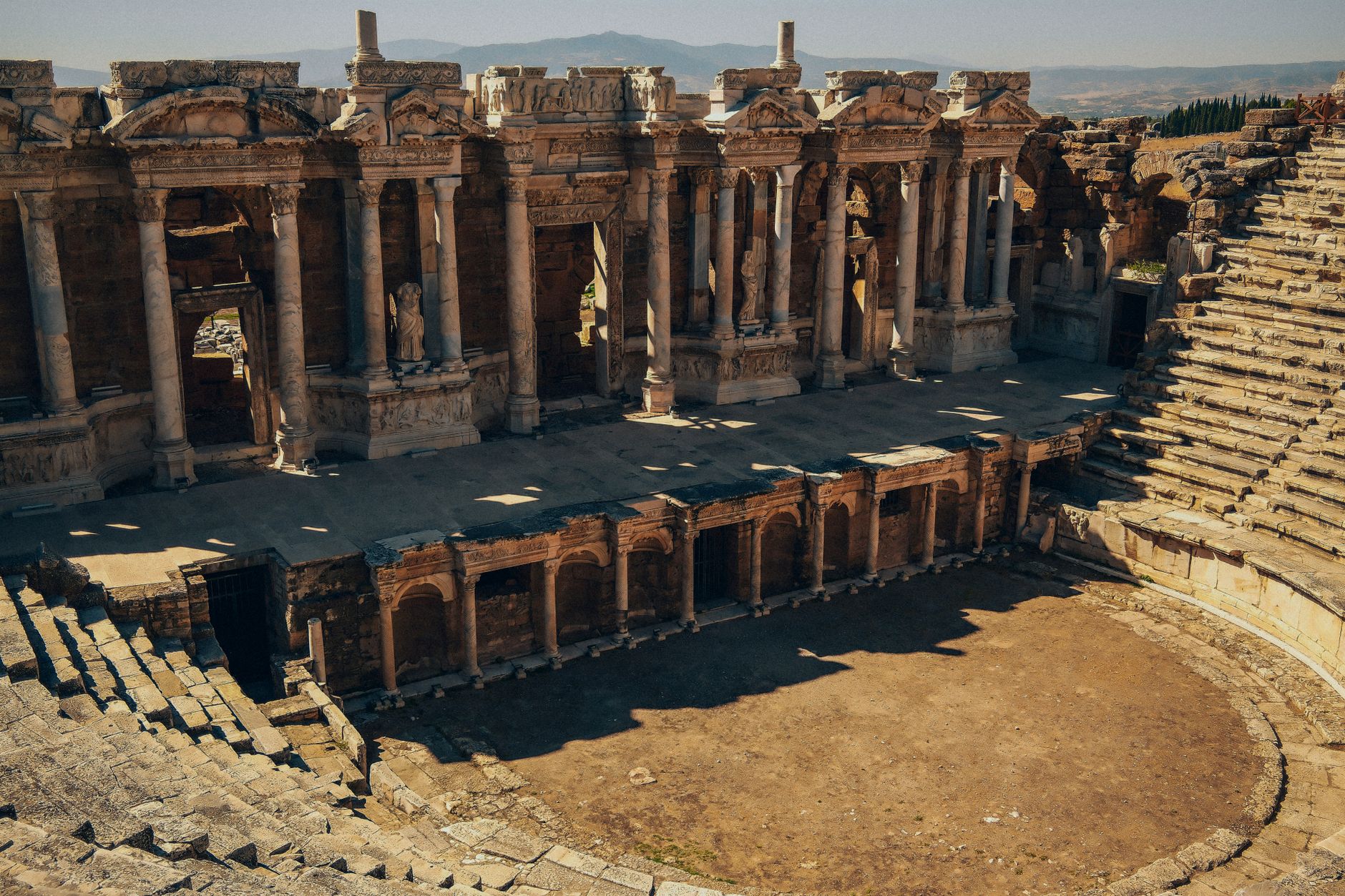
The best thermal trips combine water with something to look at. Near many spa towns you will find Roman bath remains, Byzantine churches, Seljuk caravanserais and Ottoman bridges, often with no ticket booth and no crowd. Ancient thermal cities such as Hierapolis show how deeply bathing was woven into classical life, and lesser-known sites let you stand in the same pools the ancients used.
Nature is never far away either. The Marmara thermal belt sits under forested hills, the Aegean springs are close to olive groves and quiet coves, and inland Anatolian spas are ringed by steppe, gorges and volcanic peaks. Hiking, birdwatching and simple village walks are ideal companions to a soak, and the contrast of cold air and hot water is one of the great pleasures of an autumn or winter visit.
Eat locally. Spa-town food is honest and regional: lamb stews, stuffed vegetables, fresh bread, honey, and strong tea served in tulip glasses. Markets are small but lively, and shopkeepers will happily tell you which spring is best for what ailment, whether or not you asked.
Wherever you go, remember that these are working towns, not resorts built for display. A respectful, curious visitor gets a warm welcome and, quite often, an invitation to tea. If you want to explore more of Türkiye's cultural heritage and landscapes, browse our destinations and gallery, and check our FAQ for common questions about visiting.
Thinking about a trip to Turkey?
Share your contact details and a vetted local expert will follow up with a plan built around you — free, no obligation.