

Türkiye: The World Capital of Çini Tile Art
Step into almost any historic mosque, palace or tomb in Türkiye and you will be surrounded by a miracle of colour and light. The walls shimmer with çini — glazed ceramic tiles that have been fired, painted and set into architecture for more than eight centuries. Nowhere else on earth does tile art live so boldly in its original context: not behind museum glass, but exactly where master craftsmen intended it to be seen, touched by daylight and echoing with prayer.
The story begins in the 13th century with the Seljuks, whose turquoise and cobalt star tiles still crown the tomb of Mevlana in Konya. It reaches its zenith in the 16th century under the Ottomans, when the workshops of İznik produced tiles so luminous that European collectors called them “blue and white gold.” And it continues today in Kütahya, where families have kept the flame alive for generations.
This guide is your invitation to follow that story across Türkiye: to the mosques and palaces where the masterpieces remain, and to the workshops where you can watch the same techniques being practised right now. Admiring these treasures is free or nearly free. Best of all, you can carry a piece of this heritage home for the price of a nice lunch.
İznik: The Golden Age of Ottoman Tiles
The small lakeside town of İznik, a two-hour drive from Istanbul, gave its name to the most celebrated tiles in Islamic art. In the 16th century, its kilns supplied the Ottoman court with wall tiles whose white ground glowed like porcelain and whose decoration — tulips, carnations, hyacinths, vine leaves and the famous hatayi palmettes — was drawn with breathtaking confidence. The secret lay in a quartz-rich body and a brilliant transparent glaze that made colours sink into the surface rather than sit on top of it.
The signature İznik palette moved from deep cobalt blue to the celebrated bole red — a raised, tomato-red tone that no later workshop could perfectly reproduce. The finest examples date from the mid-16th century, when the court architect Mimar Sinan was building at full stretch and demanded tiles of unprecedented quality.
Today İznik is a quiet agricultural town, but the legacy is everywhere. The İznik Museum displays archaeological finds and kiln wasters — the cracked and misfired pieces that teach us how the industry actually worked. Local workshops, often housed in converted ateliers, welcome visitors to watch every stage: shaping the quartz paste, drawing the design with a fine brush, and firing the finished tile at over 900°C.
“The İznik masters did not decorate walls; they painted light into them.” — a sentiment every visitor understands at first glance.
Kütahya: The Living Heart of Turkish Tile Art
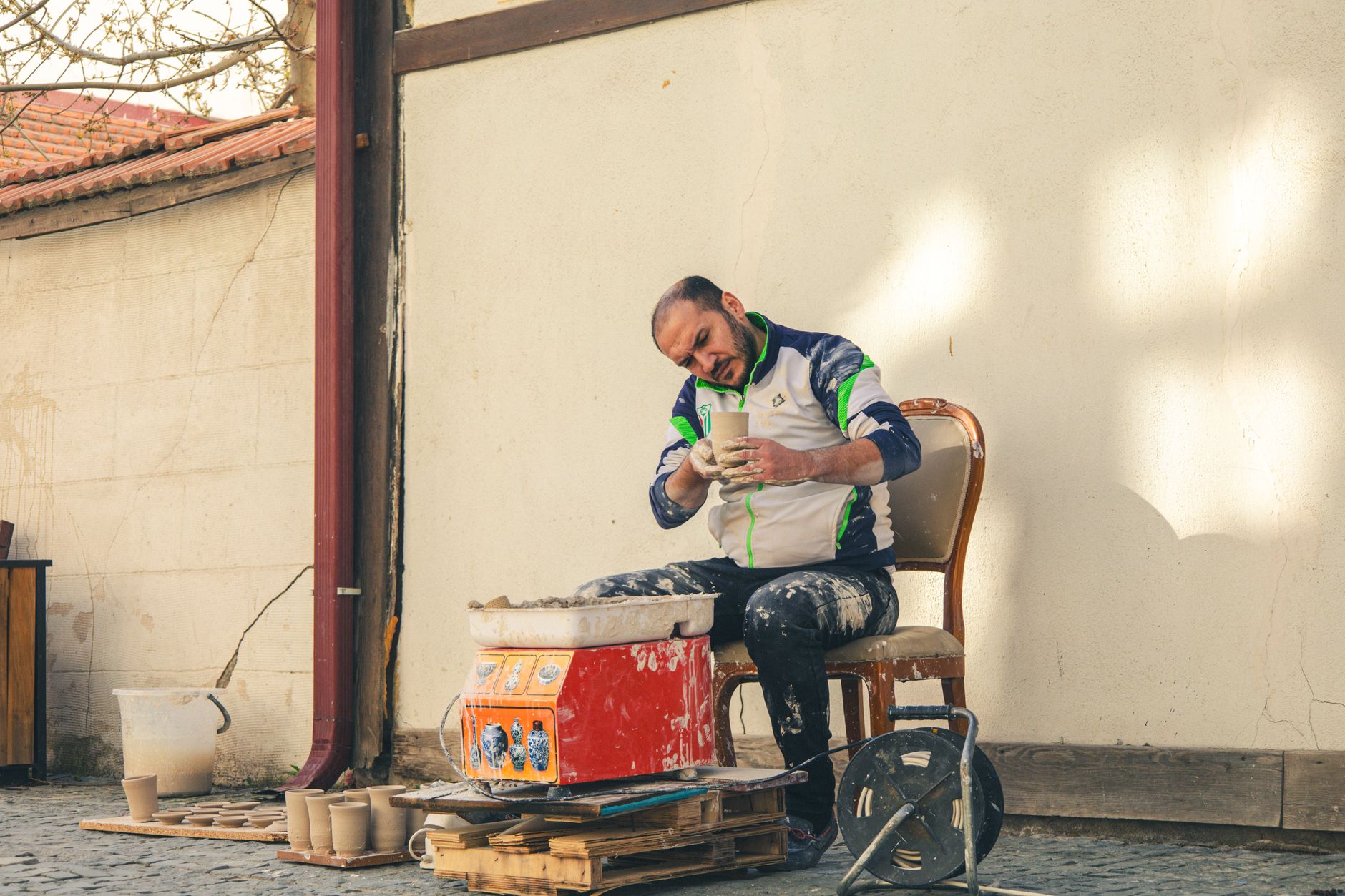
When İznik’s workshops declined in the 17th century, the craft migrated to Kütahya in inland western Türkiye, and it has never left. Kütahya is now the undisputed capital of Turkish ceramics, home to hundreds of ateliers and to the Kütahya Tile Museum, housed in a beautifully restored 19th-century mansion. The city’s potters supply tiles for restorations across the country — and for new mosques, hotels and homes.
Kütahya’s style is warmer and more forgiving than İznik’s: a slightly creamier ground, a wider palette that includes yellow, green and aubergine, and motifs that range from classical Ottoman to charmingly folkloric. You will find plates, vases, jugs, lamps and tiles in every price range, all handmade and hand-painted.
What makes Kütahya special for travellers is that the craft is not a museum piece — it is a living economy. In the workshops around the Germiyan district and along the road to the museum, you can sit with a master and try your hand at painting a simple tulip. It is humbling to discover how difficult a single confident brushstroke can be.
Where the Masterpieces Live: Mosques, Palaces and Tombs
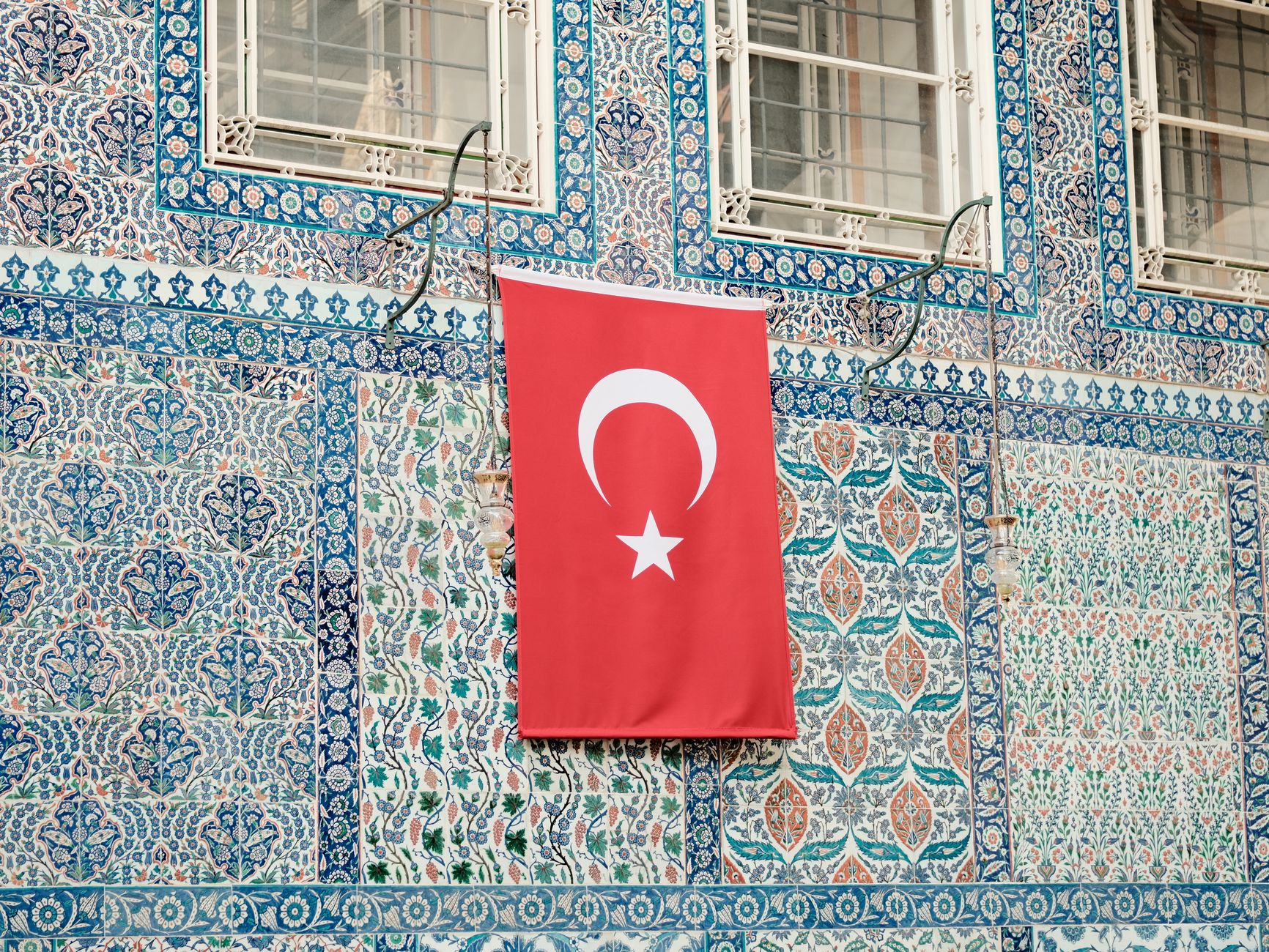
The greatest tiles in Türkiye are not in display cases. They are still performing their original job: turning architecture into paradise. Here are the places where you can stand before them in situ.
Istanbul — Topkapı Palace. The private apartments of the sultans, especially the Circumcision Room and the Baghdad Kiosk, are lined with İznik tiles of the highest period. The blue-and-white panels here are so perfect that they are studied by ceramicists worldwide. Do not rush: the tiles change character as light moves across them.
Istanbul — Süleymaniye Mosque. Mimar Sinan’s masterpiece uses tiles sparingly and strategically, especially in the mihrab area. The restrained use of colour makes each panel feel like a jewel.
Istanbul — Rüstem Pasha Mosque. Arguably the most spectacular tile interior in the world. Every inch of the walls and columns is covered in İznik tiles of the 1560s, and the famous tomato-red is everywhere. It is small, central and utterly unforgettable.
Edirne — Selimiye Mosque. Sinan’s crowning achievement for Sultan Selim II includes exquisite tile panels in the mihrab and on the sultan’s lodge, with deep blue and turquoise that seem lit from within.
Konya — Mevlana Museum. The tomb of the great mystic poet Mevlana Celaleddin Rumi is crowned by a Seljuk turquoise dome and surrounded by tiles that mark the very beginning of the Turkish tile tradition. The atmosphere is profoundly peaceful.
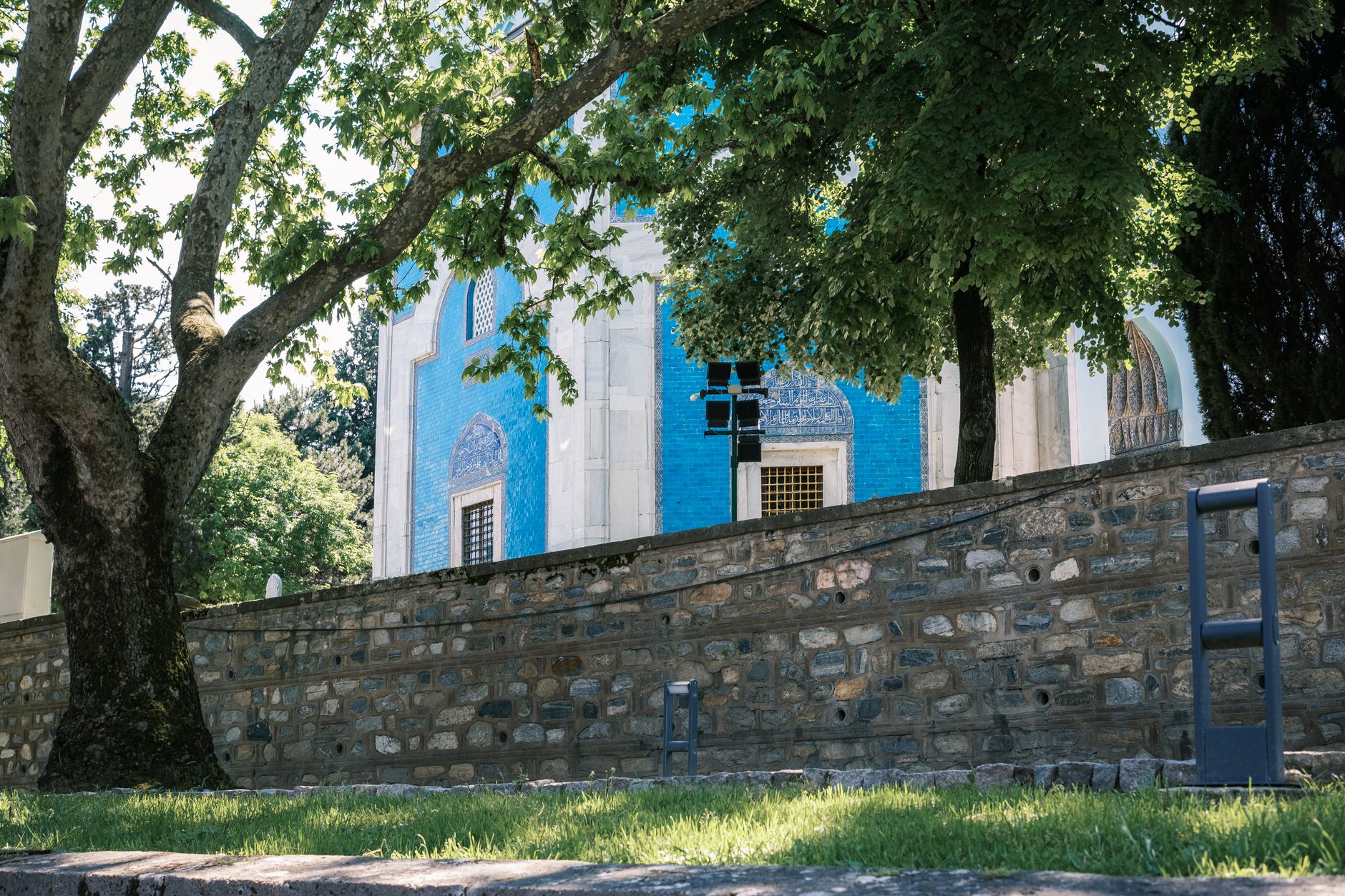
Bursa — Yeşil Türbe (Green Tomb). The mausoleum of Sultan Mehmed I takes its name from the magnificent faience tiles that cover its exterior and interior. The green-and-turquoise panels are among the earliest Ottoman masterpieces in the medium.
Planning Your Tile Trail: A Practical Itinerary
The joy of a tile-focused trip is that it combines effortlessly with the classic highlights of Türkiye. A comfortable ten-day route might begin in Istanbul with Topkapı, Süleymaniye and Rüstem Pasha, then continue to Bursa for the Yeşil Türbe, on to Kütahya for a workshop stay, and finally to İznik as a day trip from Istanbul or Bursa.
If you are travelling overland between Istanbul and Kütahya, break the journey in Bursa and İznik. Both are easily reached by bus or car, and İznik makes a lovely, low-key overnight stop on the lake. Kütahya is well connected by high-speed train from Istanbul, Ankara and Eskişehir, making a workshop visit surprisingly easy.
Allow at least half a day in each workshop town. Morning is the best time to watch painting, when the light is good and the masters are fresh. Most ateliers are happy to receive visitors, but a polite phone call or a request through your hotel the day before is always appreciated. If you want to try painting yourself, ask specifically for a çini atölyesi (tile workshop) experience — many now offer short classes in English.
Dress respectfully for mosques: shoulders and knees covered, shoes removed, and a scarf for women. Photography is usually permitted, but flash can damage pigments and is often discouraged. Tripods may require permission.
Bringing Home a Piece of Paradise: Souvenirs and Prices
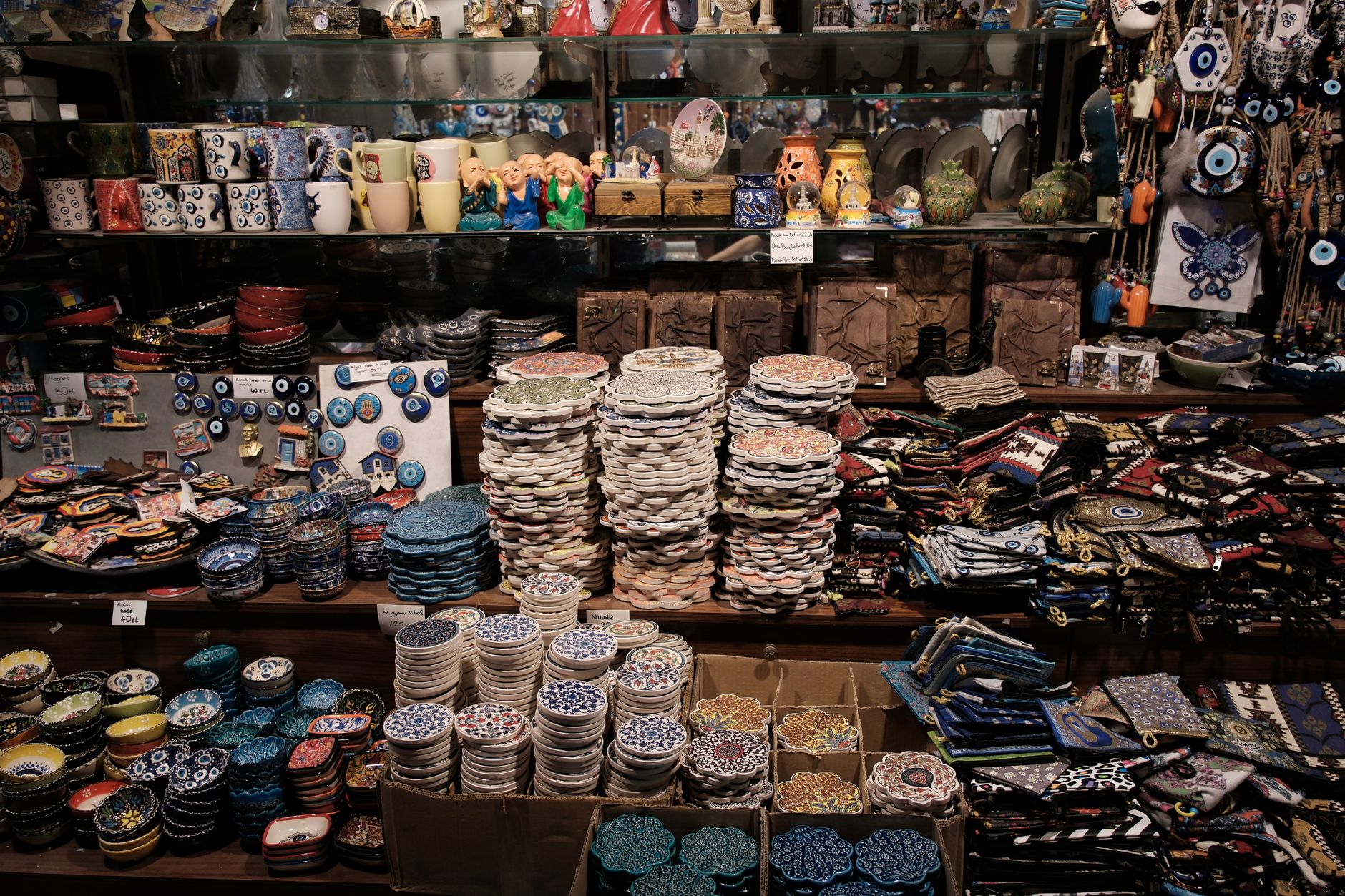
One of the great pleasures of tile travel in Türkiye is how affordable the souvenirs are. Unlike many craft traditions that have become luxury goods, handmade Kütahya and İznik-style ceramics remain remarkably accessible.
- Small hand-painted tiles: often 50–150 TL (a few dollars), perfect as coasters, trivets or framed miniatures.
- Bowls and plates: 150–500 TL for beautifully decorated pieces, with larger or more intricate works costing more.
- Mugs and cups: frequently under 200 TL, and lovely to use every day.
- Large decorative tiles or panels: from a few hundred to several thousand TL, depending on size and the reputation of the artist.
Buy directly from workshops whenever possible. You will pay less than in tourist bazaars, meet the maker, and often receive careful packing for travel. Ask for a fatura (receipt) and, for larger pieces, a certificate of handmade origin. Remember that genuine hand-painted ceramics are rarely perfectly symmetrical — that slight irregularity is the signature of a human hand, not a flaw.
When you get home, treat your purchase gently: hand-wash rather than dishwasher, and avoid sudden temperature changes. A single small tile, propped on a windowsill, can bring a little of Türkiye’s light into an ordinary room.
Final Thoughts: A Heritage That Still Glows
Türkiye’s tile art is not a relic. It is a living conversation between the past and the present, carried on in the kilns of Kütahya and in the careful restoration of İznik’s legacy. When you stand beneath the tiled dome of a mosque or run your finger along the cool glaze of a newly fired plate, you become part of that conversation.
So come to Türkiye not just to see the monuments, but to see them glow. Visit the mosques and tombs where masterpieces still live in their intended light. Then travel to the workshops where the same hands, the same motifs and the same fire continue to create beauty. You will leave with photographs, with a small treasure wrapped in newspaper, and with the memory of a colour that no camera can quite capture.
Türkiye is the world capital of çini, and its doors — and its kilns — are open to you.
Thinking about a trip to Turkey?
Share your contact details and a vetted local expert will follow up with a plan built around you — free, no obligation.