

A Country That Adores Your Baby Before It Even Meets Them
In Türkiye, a baby is not just a family member; they are a small celebrity. The moment you step onto a street with a pram or a baby carrier, you will notice it: shopkeepers lean out to coo, grandmothers pause to pat a cheek, waiters suddenly produce a cushion or a slice of watermelon. The Turkish word for baby, bebek, is spoken with a softened voice, and the phrase maşallah—a protective blessing—follows your child everywhere. This is not performative politeness; it is a deep cultural reflex. Children are seen as a blessing, and parents are treated with a gentle, practical helpfulness.
For traveling parents, this changes everything. The usual stresses of navigating a foreign country with a toddler—finding a place to change a nappy, warming a bottle, or simply sitting down without being glared at—melt away in the face of a society that expects children to be out in public, at the table, and in the square. You are not an inconvenience; you are a guest with a small VIP.
Does that mean everything is perfectly adapted? Not always—cobblestones still exist, and some ancient sites are stair-heavy. But the human infrastructure is so warm and so willing that the practical gaps are easily bridged. This guide will walk you through the essentials: stroller-friendly routes, where to buy nappies and formula, how to decode a kid menu, how to find shade on the beach, and which towns and hotels truly cater to families.
Strollers and Streets: Choosing the Right Wheels for Türkiye
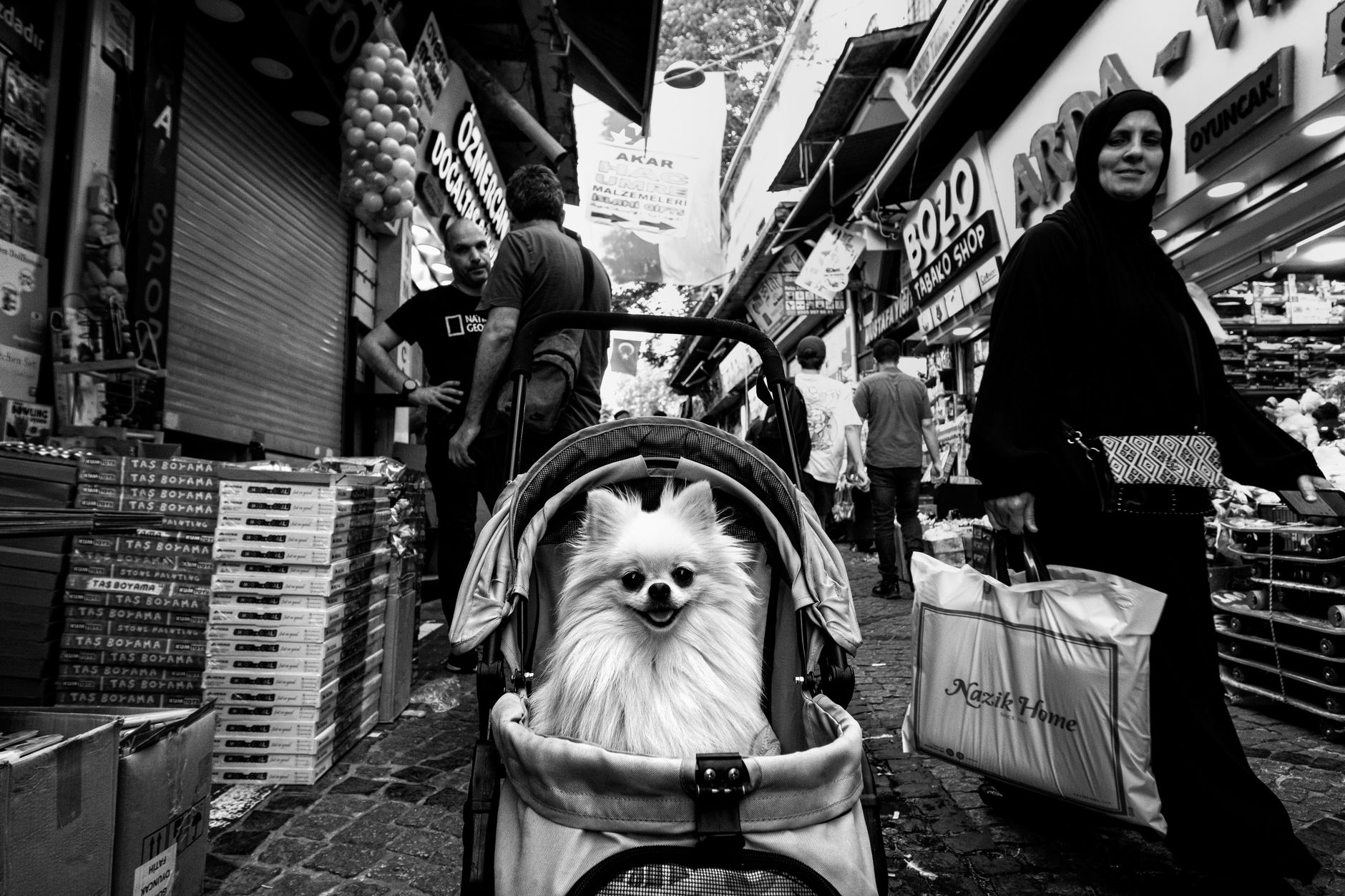
Türkiye's cities are a patchwork of smooth promenades and ancient, uneven stone. In Istanbul, for example, the area around Sultanahmet has cobblestones that can rattle a compact stroller to pieces, while the wide, flat walkways of Yıldız Park or the Bosphorus promenade are a dream. Coastal resorts like Antalya, Fethiye, and Çeşme have invested heavily in seaside boardwalks that are perfect for prams. The rule of thumb: bring a stroller with large, air-filled or sturdy rubber wheels, a decent suspension, and a one-hand fold. Umbrella strollers are fine for resorts but struggle on historic streets.
Public transport is a mixed bag. Istanbul's metro and newer tram lines are mostly accessible with lifts, but the historic T1 tram often gets crowded, and not every station has an elevator. Buses are hit-or-miss; the newer ones kneel and have a dedicated space, but you may need to fold the stroller. Taxis are plentiful, but you'll need to specify a station wagon or van if you have a large pram. Apps like BiTaksi and Uber (in Istanbul and some other cities) let you request a larger vehicle. For intercity travel, comfortable coaches run by companies like Kamil Koç or Pamukkale have luggage holds that swallow a folded stroller with no fuss.
When in doubt, consider a baby carrier for the first few days and a lightweight stroller for resort time. Many families bring both: a structured carrier for archaeological sites and a stroller for evening promenades. If you forget, don't worry—Türkiye has excellent baby gear shops. E-bebek is the go-to chain, with stores in most major cities, and you can find everything from strollers to sterilizers. Online, Trendyol and Hepsiburada deliver quickly to hotels, though you may need a Turkish phone number for confirmation.
One final tip: always check whether your hotel has a lift. Historic boutique hotels in places like Kaleiçi (Antalya) or Alaçatı often have steep, narrow staircases. A ground-floor room or a modern resort is a safer bet with a pram.
Nappies, Formula and Pharmacy Staples: What to Buy and Where
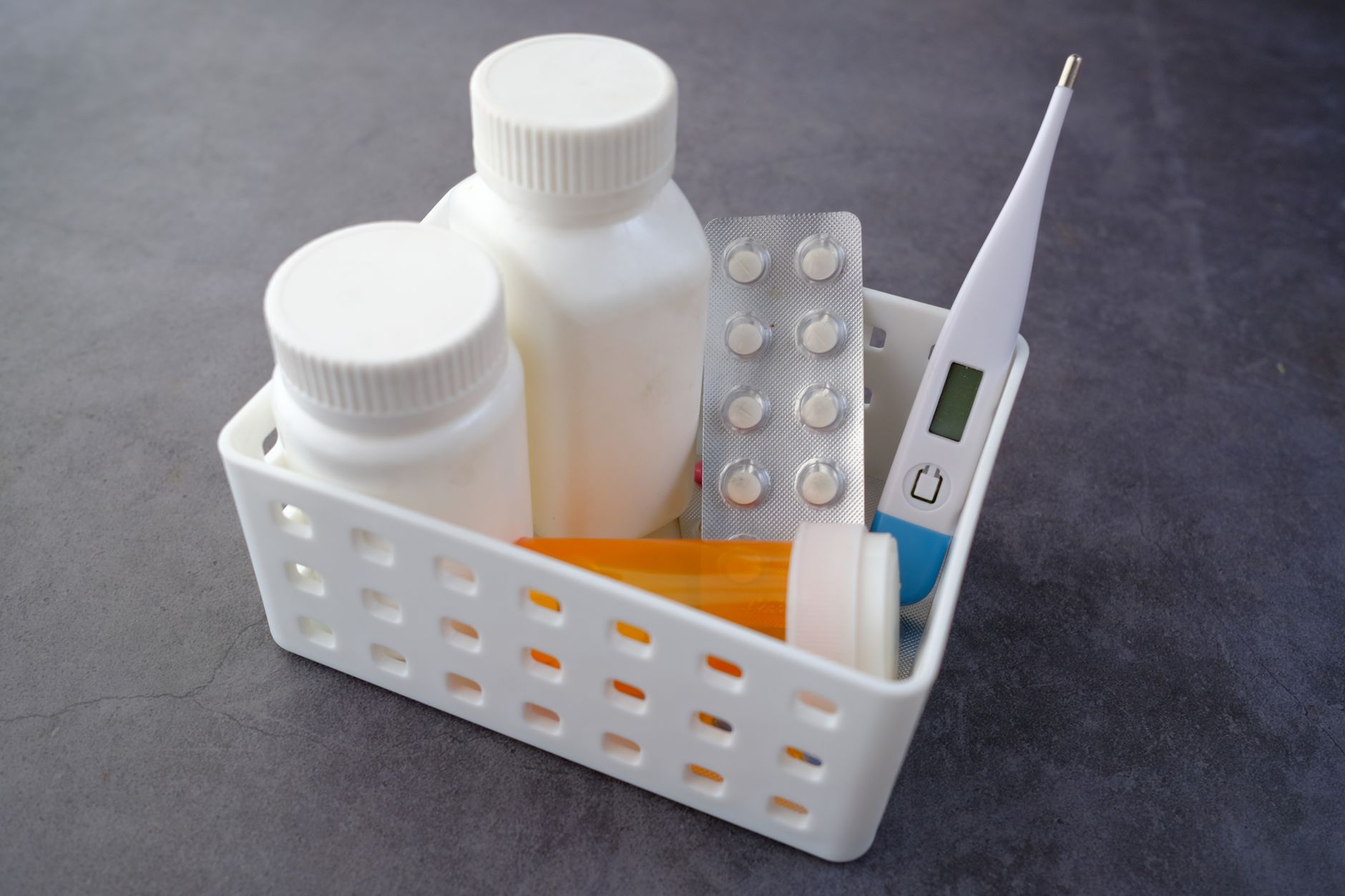
You can travel to Türkiye with a nearly empty nappy bag. Turkish pharmacies, called eczane, are everywhere and are marked by a red or green crescent moon sign. They stock a surprising range of baby essentials: nappies (brands like Prima, which is Pampers, and Molfix), wet wipes, nappy rash cream, infant paracetamol (Calpol is Calpol or generic parasetamol), oral rehydration salts, and even bottles and teats. Pharmacists are highly trained and often speak some English; they can advise on dosages and alternatives. Note that many medicines that are over-the-counter elsewhere may require a pharmacist's recommendation, but for common baby items, you'll be fine.
Supermarkets are your other friend. Migros, CarrefourSA, and Şok all carry nappies, formula (brands like Aptamil, Bebelac, and SMA), jarred baby food, and toddler snacks. The baby aisle is usually well marked with a bebek sign. If you need a specific organic brand, look for E-bebek or Joker stores, which are larger and more specialized. In tourist areas, you'll also find small shops selling nappies at a slight markup, but it's rarely extortionate.
One cultural note: Turkish parents are relaxed about breastfeeding in public. You can nurse anywhere—on a park bench, in a restaurant, on a ferry—without a second glance. If you prefer privacy, most shopping malls and many museums have dedicated baby care rooms (bebek bakım odası) with changing tables, sinks, and sometimes a chair for nursing. These are increasingly common at highway service stations (dinlenme tesisi) as well, which makes road trips far easier.
If your child has allergies or needs a special formula, bring a supply. While Turkish pharmacies can often order items, it may take a day. Also, pack a small cooler bag if you need to keep milk cold; hotel mini-bars or a bowl of ice work in a pinch. For sterilizing, a travel kettle and a bottle of cold-water sterilizing tablets (available at pharmacies) are lightweight lifesavers.
Kid Menus and Restaurant Culture: Where Children Are Welcomed, Not Tolerated
In many countries, a "kid menu" means chicken nuggets and a coloring sheet. In Türkiye, it often means a smaller portion of the same wonderful food the adults are eating. Turkish cuisine is inherently child-friendly: mild köfte (meatballs), pilav (rice), grilled chicken (tavuk şiş), lentil soup (mercimek çorbası), and fresh bread. Even the most traditional lokanta will happily bring a small plate of rice or a bowl of yoghurt for a toddler. High chairs are common in modern restaurants and cafes, especially in cities and resorts, though in tiny village eateries you may need to hold your child on your lap—which is entirely normal and accepted.
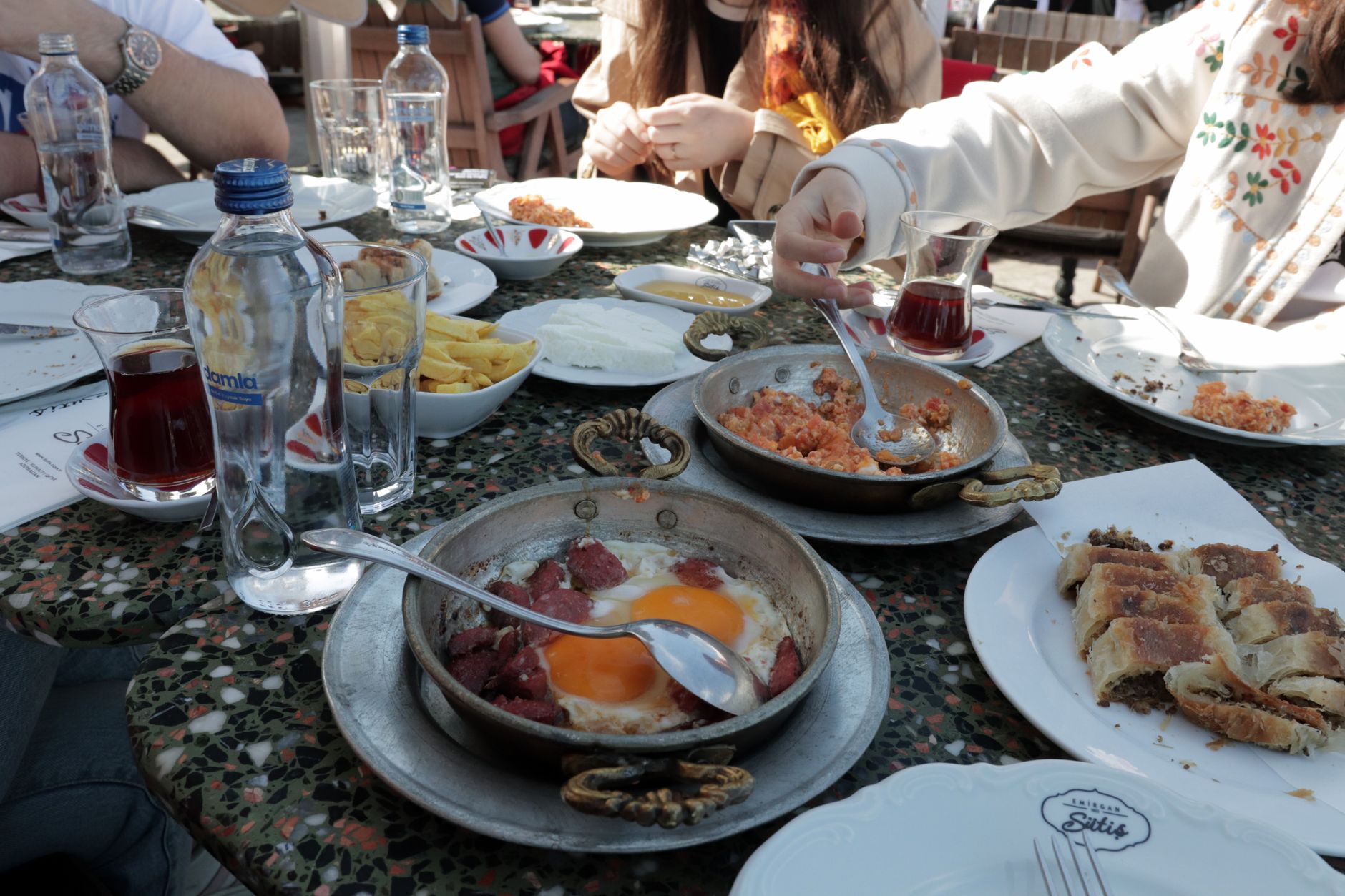
Breakfast (kahvaltı) is a gift for parents. A typical Turkish breakfast spread includes eggs, cheese, olives, honey, clotted cream (kaymak), jam, cucumbers, tomatoes, and endless bread. There is almost always something a toddler will eat. Many hotels and breakfast spots have a high chair, and waiters will often bring a small plate and spoon without being asked. Lunch and dinner are similarly easy: order a pide (Turkish flatbread) with cheese, a bowl of ezogelin soup, or grilled fish. Avoid very spicy acı dishes unless your child is used to heat.
One delightful surprise is the çay bahçesi (tea garden) culture. These outdoor cafes are everywhere, often with shaded tables and space for children to toddle around. You can sip a glass of tea while your little one plays nearby. In the evenings, families dine late, and children are welcome until closing. Don't be shy about asking for a mama sandalyesi (high chair)—the phrase is understood everywhere. If a restaurant doesn't have one, they'll often improvise with cushions.
For self-catering, markets sell fresh yoghurt, fruit, and bread. A picnic in a park is a wonderful way to spend an afternoon. Just remember that tap water is not for drinking; buy bottled water (doğal kaynak suyu) for formula and drinking.
Beach Days with Babies: Shade, Sea and Sand
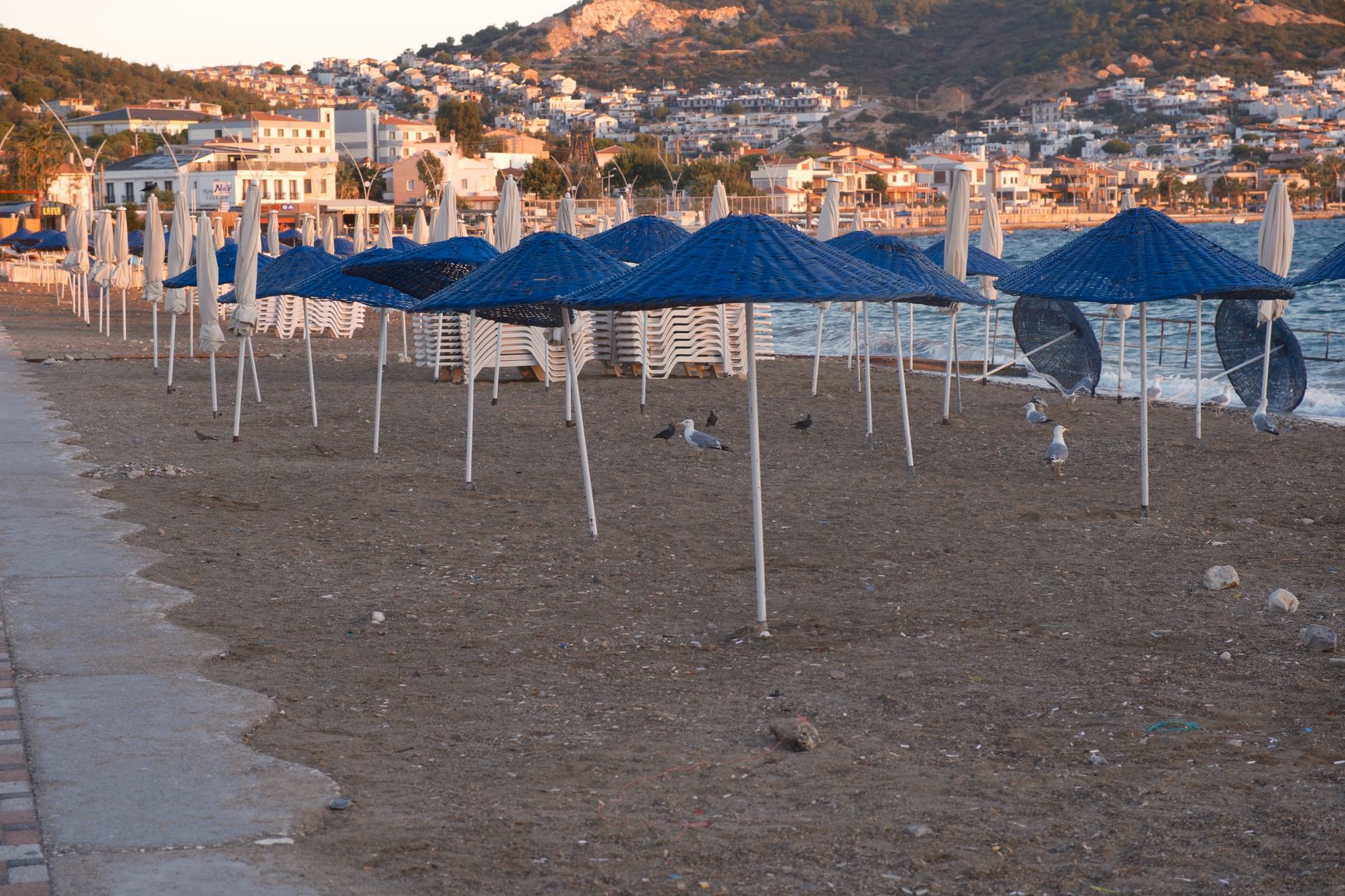
Türkiye's Aegean and Mediterranean coasts are a paradise for families, but the sun can be fierce from June to September. The key is shade, timing, and a good beach setup. Most resorts and beach clubs rent umbrellas and loungers for a small fee, and many have cabanas or shaded daybeds. If you're on a public beach, bring a pop-up UV tent or a large umbrella. The Turkish sun is strong, so a sun hat, rash guard, and baby-safe sunscreen (available at pharmacies) are essential.
Sea conditions vary. The Aegean is often cooler and can have a sharp drop-off, while the Mediterranean around Antalya and Fethiye is warmer and gentler. For toddlers, look for shallow, sandy bays: Ölüdeniz's lagoon, the beaches of Çeşme, and the calm coves around Kaş are ideal. Water shoes protect against pebbles and hot sand. Many beaches have lifeguards in high season, but always keep a hand on your child—currents can surprise you.
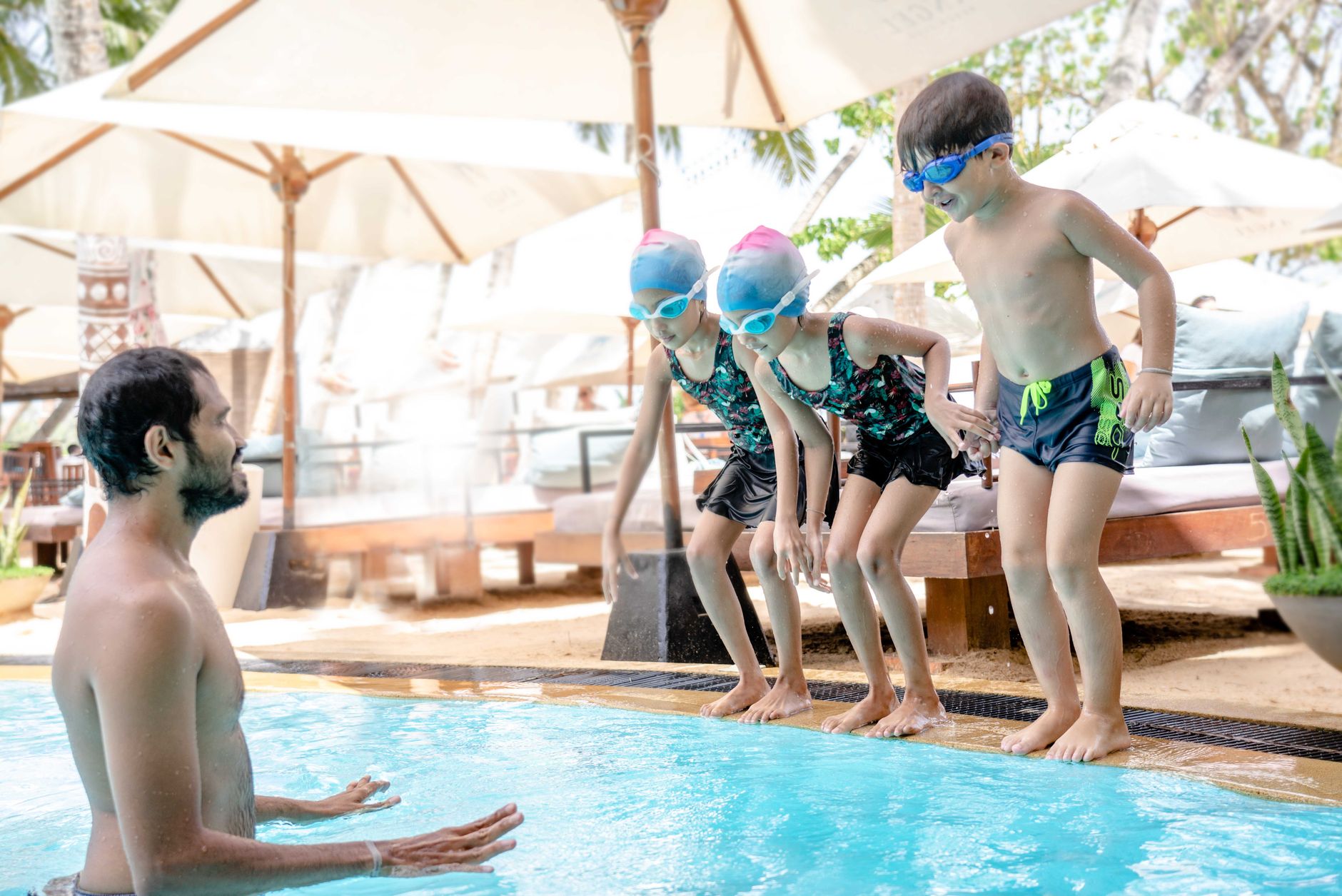
Beach clubs increasingly cater to families. You'll find children's pools, shaded play areas, and even babysitting services at larger resorts. For a quieter experience, head to a halk plajı (public beach) early in the morning or late afternoon. The golden hours are also best for delicate skin. After a swim, rinse off at the outdoor showers (common at most beaches), and reapply sunscreen.
Nappy changes on the beach: many beach clubs have changing facilities, but on public beaches you'll need a mat and a discreet spot. Bring a wet bag for swim nappies—they're sold at pharmacies and supermarkets, though not everywhere. If you run out, a regular nappy under a swimsuit works in a pinch, but it will swell. Better to pack a few reusable swim nappies.
Family-Friendly Beach Towns and Hotel Kids' Clubs
Some Turkish resorts are practically designed for families. Antalya and its surrounding areas (Belek, Side, Kemer) have a huge concentration of all-inclusive hotels with kids' clubs, water parks, and baby pools. These clubs typically accept children from age 3 or 4, but some offer baby rooms from 0–3 with trained staff. Fethiye and Ölüdeniz offer a more laid-back vibe, with shallow lagoons and boutique hotels that welcome families. Çeşme (near Izmir) is a favorite for Turkish families, with calm bays, thermal springs, and a lively but manageable promenade.
On the Aegean, Bodrum balances nightlife with family-friendly resorts, especially in areas like Gümüşlük and Bitez. Marmaris has a long, sheltered beach and many hotels with kids' clubs. For a quieter, more cultural beach base, consider Kaş—it's charming, with a small pebble beach and easy boat trips, though it's less about kids' clubs and more about family-run guesthouses. Alaçatı is lovely for a few days, with cobbled streets and nearby surf beaches, but it's more boutique than toddler-focused.
Kids' clubs in Turkish resorts are generally well run. They offer supervised activities, crafts, and sometimes cooking classes or mini-discos. Staff often speak English, German, and Russian in addition to Turkish. It's worth checking the age range and staff-to-child ratio before booking. Some high-end chains like Rixos, Regnum, and Maxx Royal have exceptional baby clubs with nap rooms, sterilizers, and even baby food menus. If you want a true break, consider an all-inclusive for part of your trip and a boutique hotel for another part.
Outside resorts, many boutique hotels and guesthouses will happily provide a cot (bebek karyolası) and high chair if you ask in advance. Family-run pensions in places like Bozcaada or Assos are incredibly warm, though facilities are simpler.
Gentle Cultural Sites for Little Explorers
You don't have to skip culture just because you have a toddler. Many of Türkiye's most famous sites are surprisingly manageable. In Istanbul, the Topkapı Palace has wide courtyards where a toddler can run, and the Istanbul Archaeological Museums have a lovely garden. The Basilica Cistern is stroller-accessible (though dark and echoey—some children love it, others don't). The Hippodrome and Gülhane Park are perfect for a picnic and a runaround. Avoid the Grand Bazaar with a stroller if you can—it's crowded and uneven—but the nearby Spice Bazaar is more manageable early in the morning.
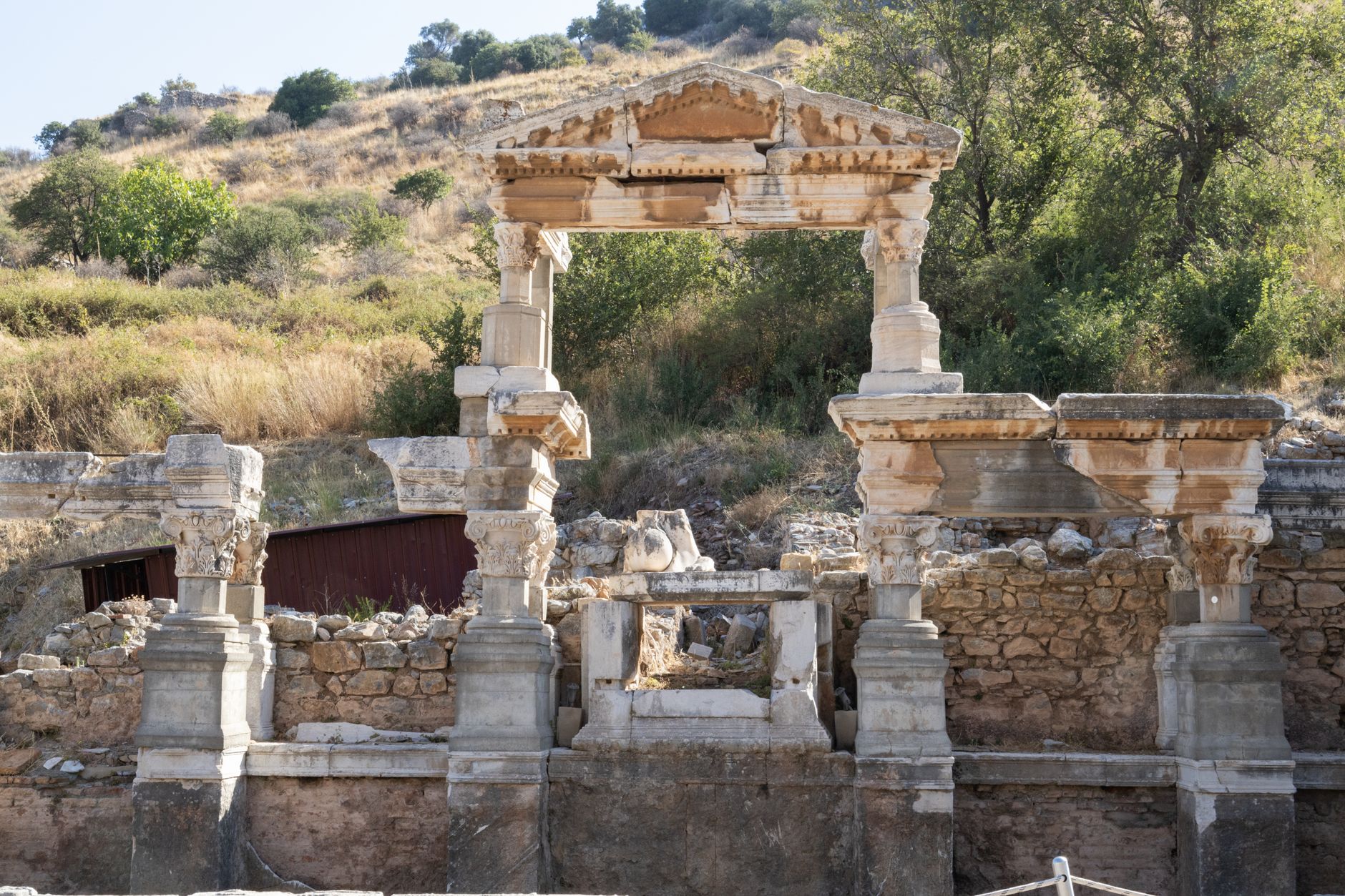
In Ephesus, the main path is wide and mostly flat, but there are marble stones and some stairs. A carrier is better than a stroller here. Go early to beat the heat and crowds. Pamukkale's travertines are stunning but slippery; hold your child's hand and stick to the designated paths. The nearby Hierapolis ruins have a large, flat area and a amphitheater that kids can explore safely. Göreme in Cappadocia is magical, but the fairy chimneys and underground cities are not stroller-friendly. However, many hotels have terraces with breathtaking views, and hot air balloon rides are not suitable for babies—but you can take a gentle valley walk or a pottery workshop in Avanos.
For a truly easy cultural outing, look for open-air museums like the Zeugma Mosaic Museum in Gaziantep (fully accessible, with lifts) or the Antalya Museum (stroller-friendly, with a lovely garden). Many museums offer free entry for young children, and some have activity books or audio guides for kids. Check ahead for baby care rooms; larger museums usually have them.
A general rule: go early, bring snacks, and be ready to leave when your child's patience runs out. The Turkish approach to children means you won't be judged for a meltdown—someone will likely offer a piece of fruit or a kind word.
Warm Strangers and the Practical Magic of Turkish Hospitality
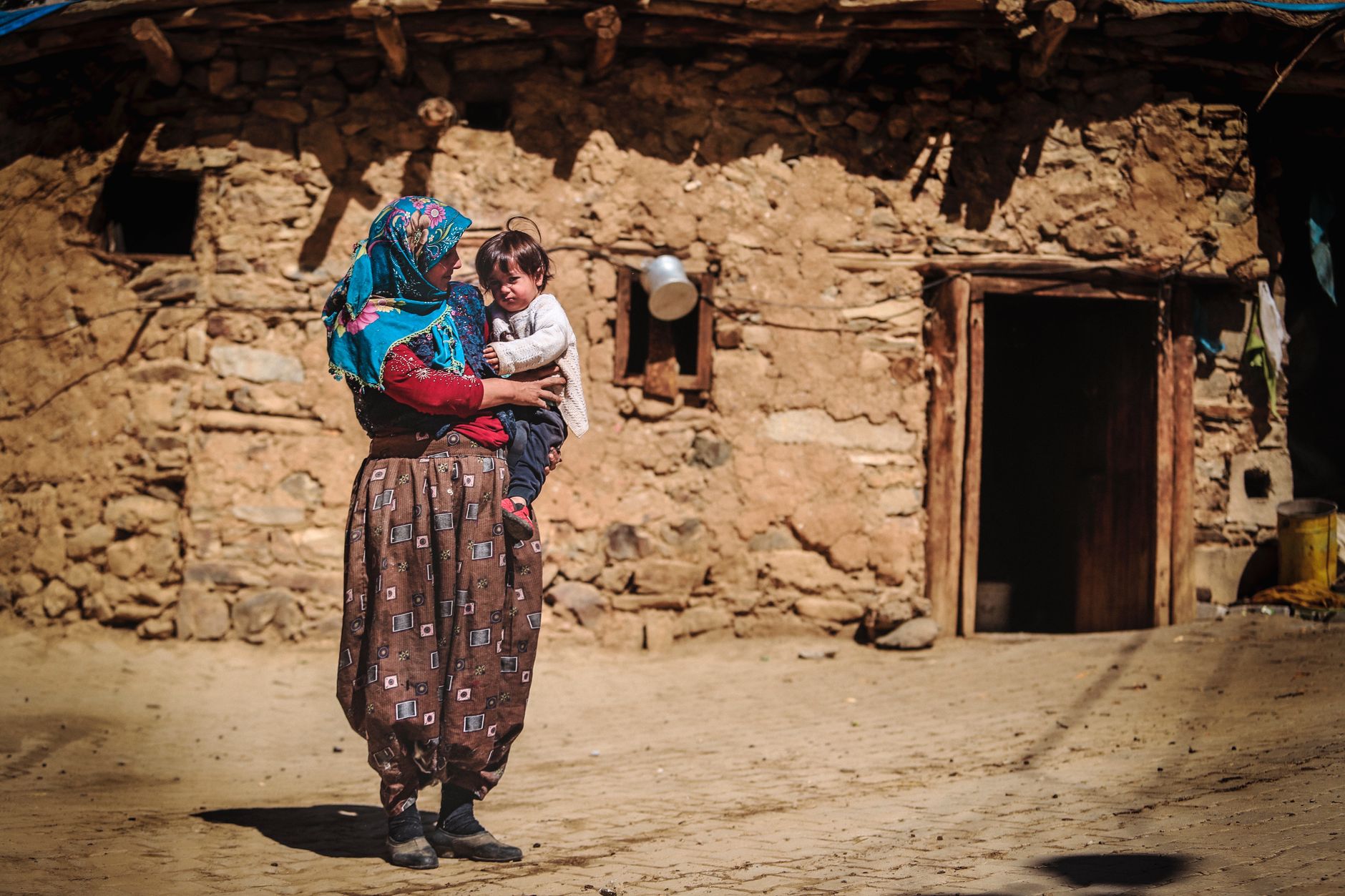
The title of this guide mentions warm strangers, and it's not an exaggeration. In Türkiye, you will be helped in ways you didn't ask for. A waiter will hold your baby while you eat. A shopkeeper will offer a chair and a glass of water. A bus driver will wait while you fold the stroller. A random teyze (auntie) will pat your crying toddler's back and produce a tissue. This is not because they think you're incompetent—it's because they genuinely want to share the burden and delight in your child. Accept it with a smile and a teşekkür ederim (thank you).
This hospitality extends to practical matters. If you're struggling with a stroller on a cobbled hill, someone will often help you carry it. If you look lost, someone will walk you to your destination. If your child drops a toy, a stranger will retrieve it. Turkish culture places a high value on misafirperverlik (hospitality), and children are the ultimate guests. You may find that your toddler makes more friends than you do.
Of course, use common sense: not every stranger has pure intentions, and you should always keep an eye on your child. But the baseline assumption is warmth, not suspicion. This means you can relax a little more, which is the greatest gift for a traveling parent. You can linger over a meal, take a swim, or simply enjoy the moment, knowing that a helping hand is rarely far away.
So pack your nappies (or don't—you can buy them), bring a sturdy stroller and a carrier, and prepare for a trip where your baby is celebrated at every turn. Türkiye doesn't just tolerate families; it embraces them. And that makes all the difference.
Thinking about a trip to Turkey?
Share your contact details and a vetted local expert will follow up with a plan built around you — free, no obligation.