
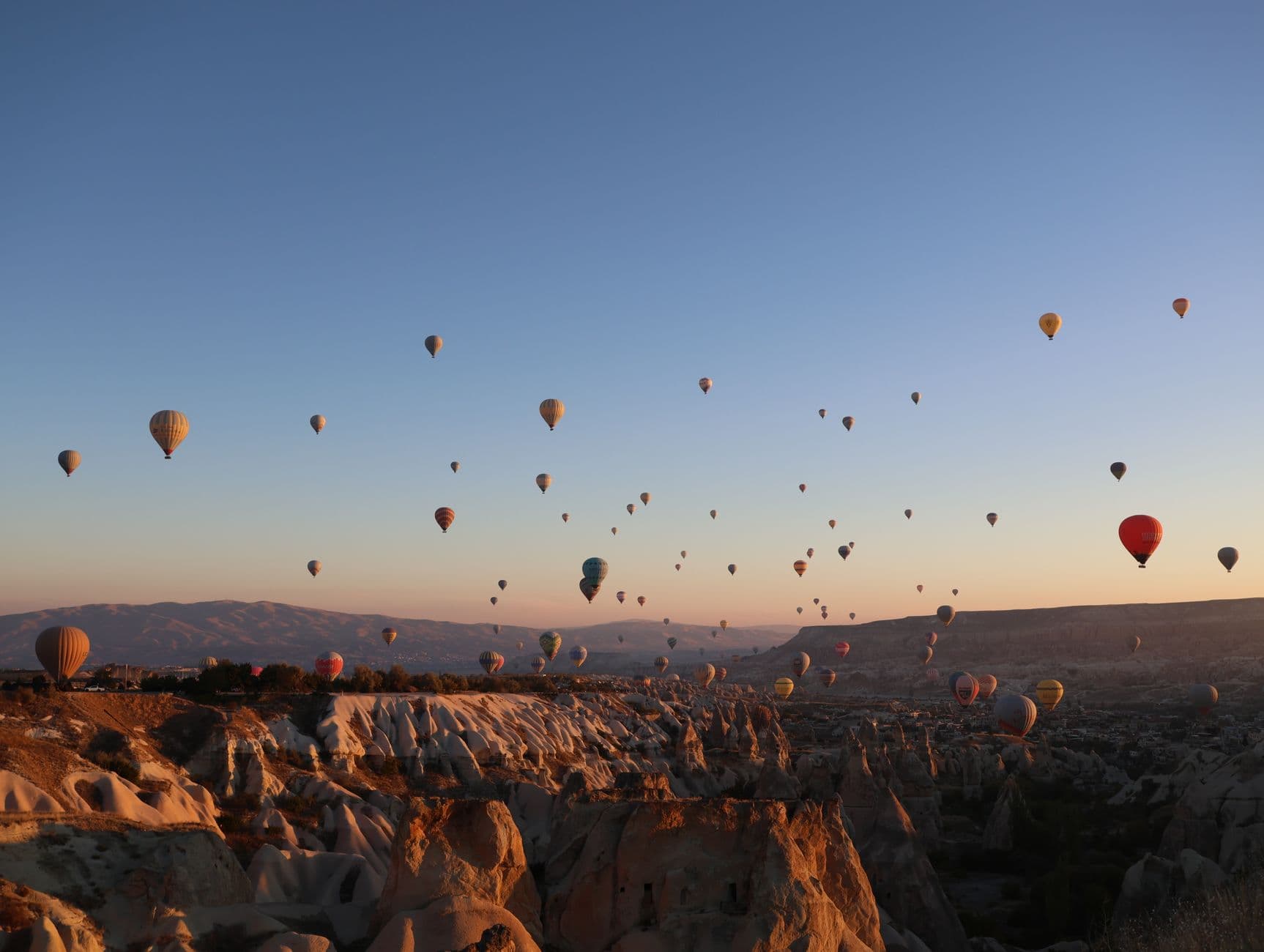
Anatolia Turns Its Face to the Cosmos
There are few places on Earth where the sky feels as theatrical as it does over Anatolia. Türkiye is a country built for astronomy lovers: mile-high plateaus with almost no light pollution, mountain ranges that tear holes in the clouds, and ancient observatories and temples carved by people who watched the same stars thousands of years ago. When a total solar eclipse sweeps across this land, it will not simply pass over a map — it will pass over one of the most spectacular natural stages on the planet.
Think about what happens in those few minutes of totality. The temperature drops. Birds go quiet. A strange amber twilight pours across the valleys. The Sun's corona — a pearly crown of plasma usually drowned out by daylight — blooms in the sky. On Türkiye's highlands, where the horizon is wide and the air is crisp, that moment becomes something close to a spiritual event. This is a country where the natural drama is already dialled up to eleven; an eclipse turns it into pure theatre.
This guide is written for travellers who want to do more than glance upward. It covers choosing your base, booking your stay early, pairing the eclipse with Türkiye's cultural treasures, and making the most of the dark-sky tradition that runs from Neolithic stone circles to modern observatories. Bring layers, bring curiosity, and bring a sense of occasion. The sky is about to put on its greatest performance.
Why Türkiye Is a Spectacular Eclipse Destination
Eclipse chasers are picky people. They want a long totality, a clear horizon, low humidity and a reasonable chance of cloud-free skies. Türkiye delivers on all four counts, and it does so with scenery that other eclipse destinations simply cannot match. The central plateau sits high and dry, shielded from coastal humidity by mountain ranges, while the south coast enjoys long, golden, sun-drenched days.
The country also has real astronomy infrastructure. National observatories, university research centres and a growing network of astrotourism operators mean that you are not just standing in a field hoping for the best. Dark-sky parks, star parties and guided observation evenings are spreading across the highlands, with telescopes, red-light etiquette and knowledgeable guides who can point out the Andromeda Galaxy and the rings of Saturn while you wait for totality.
Add in Türkiye's extraordinary hospitality — çay offered at every turn, villagers who will insist you join a picnic, guides who know the best roadside viewpoints — and you have an eclipse trip that feels less like a logistics exercise and more like a celebration. The country invites you to look up, and then feeds you afterwards.
Choosing Your Base: Antalya, Konya or a Cappadocia Plateau Town
Antalya: The Coastal Comfort Base
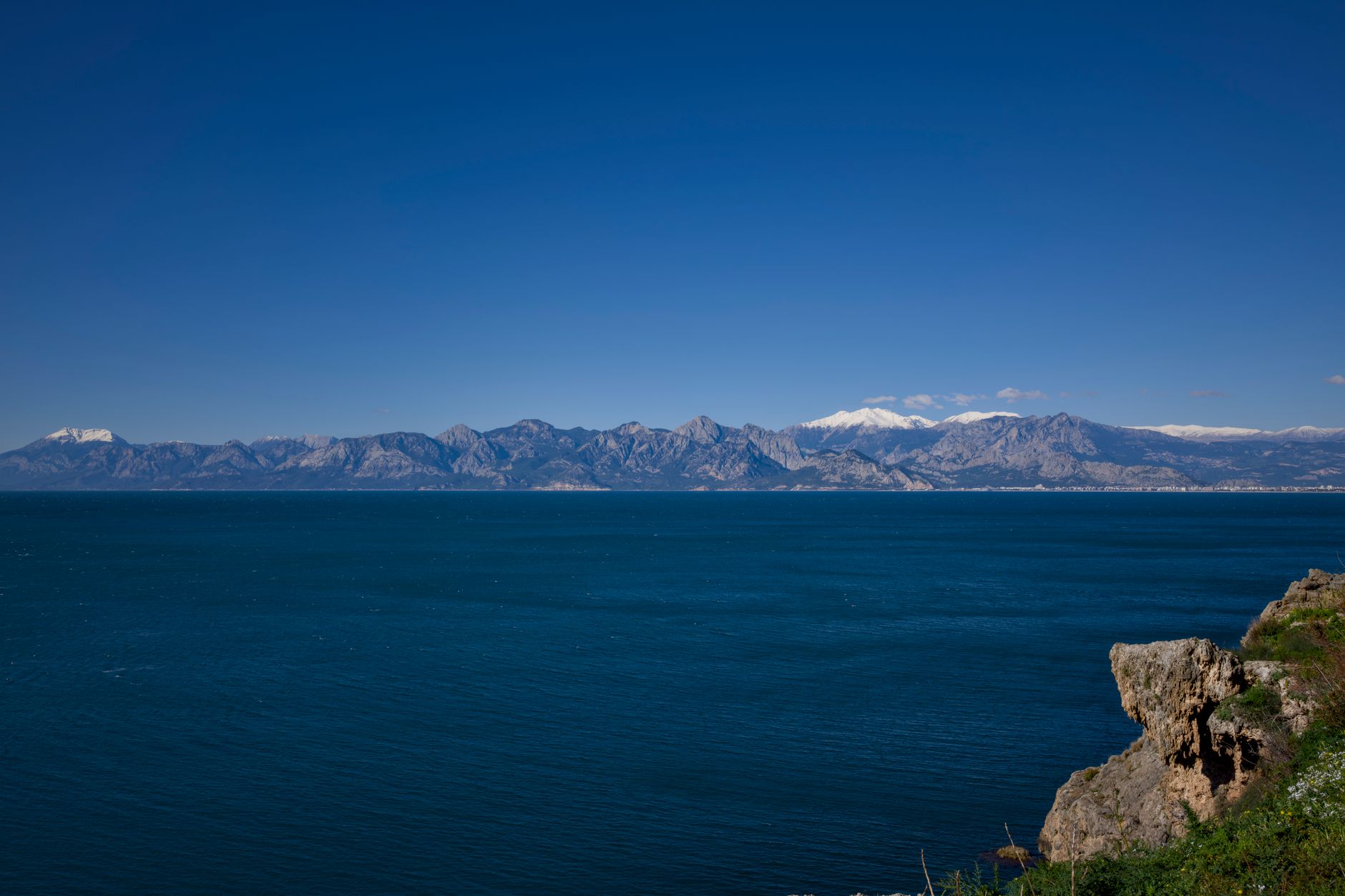
Antalya is the easy choice for first-timers. A large airport, a huge range of hotels and a dramatic coastline backed by the Taurus Mountains make it a forgiving base if plans change. From the city you can drive inland to clearer, darker skies, or head up into the mountains for elevated viewpoints. The Mediterranean weather is famously kind, though coastal humidity can occasionally mean haze — plan a short inland escape for the eclipse itself.
Antalya also has the advantage of being a holiday destination in its own right. Roman harbours, waterfalls, ancient cities such as Perge and Termessos, and excellent seafood mean that non-eclipse hours are never wasted. If you are travelling with family or friends who are less obsessed with astronomy, this is the base that keeps everyone happy.
Konya: The Highland Classic
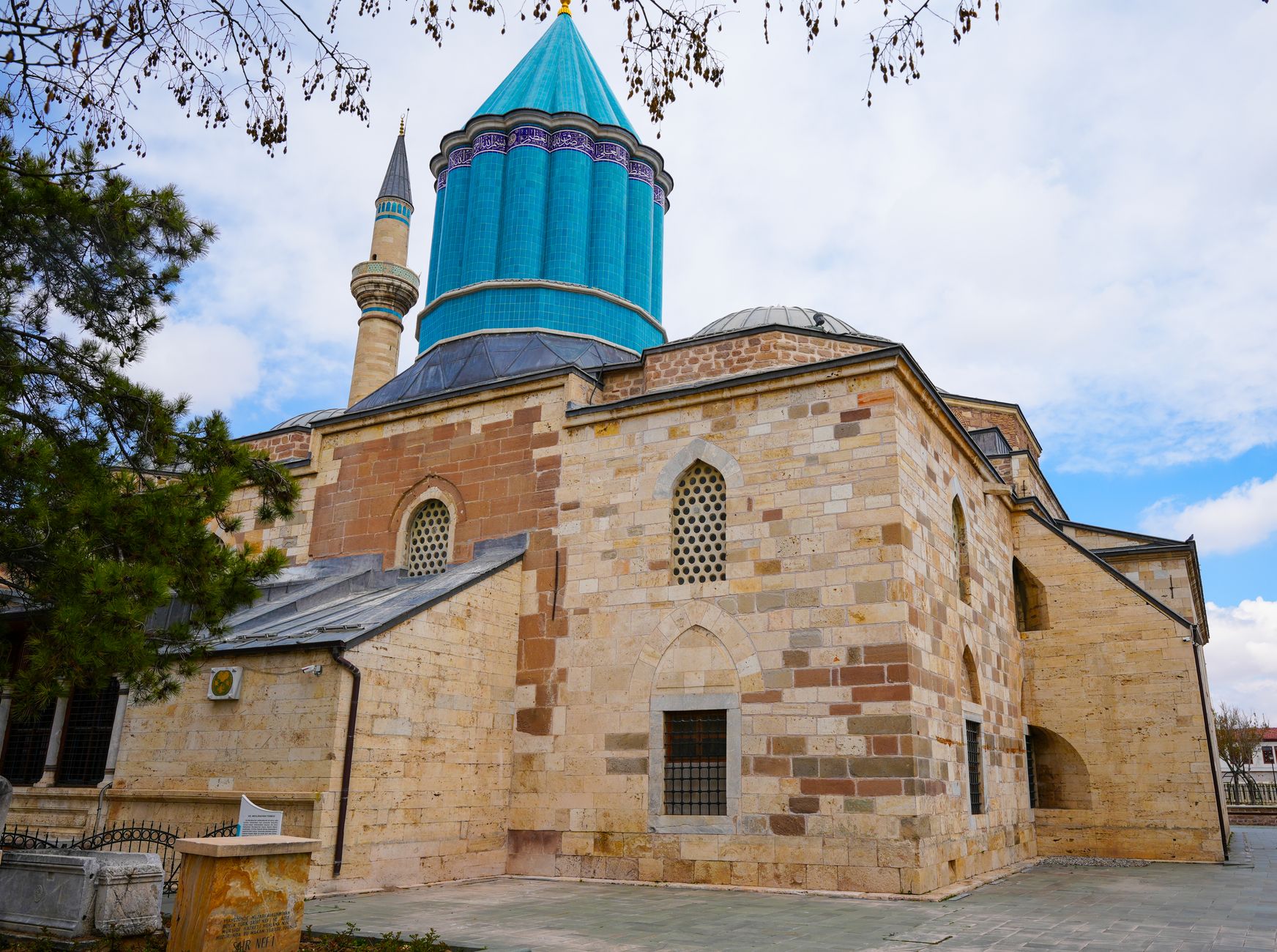
Konya is the connoisseur's pick. Sitting on the vast central plateau at over a thousand metres, it offers dry air, wide horizons and some of the darkest skies in the country outside the deep mountains. It is also one of Türkiye's most important cultural cities, home to the Mevlana Museum and the whirling dervish tradition — a place where contemplation is part of the local DNA.
Around Konya you will find open steppe, volcanic hills and quiet rural roads that make for excellent eclipse viewing spots. Local operators are increasingly attuned to astrotourism, and the city's universities have strong astronomy departments. Book accommodation early: Konya is popular with domestic travellers, and eclipse weekend will squeeze the hotel stock.
Cappadocia Plateau Towns: The Dream Scene
If you want the most cinematic eclipse of your life, head for a plateau town in Cappadocia. Fairy chimneys, cave hotels, hot-air balloons at dawn and a horizon that stretches to the ends of the earth — watching totality rise over the valleys of Göreme or Uçhisar is the kind of memory people describe for the rest of their lives.
The trade-off is popularity. Cappadocia is already one of Türkiye's headline destinations, and eclipse demand will push prices and availability to their limits. That is precisely why you should book months ahead, choose a smaller town such as Ortahisar or Mustafapaşa for a slightly quieter experience, and line up your viewing spot with a local guide rather than improvising on the day.
Booking Ahead: The Practical Playbook
Eclipses are predictable and travellers are predictable too. The moment a path of totality is announced, accommodation along the centre line fills up, and prices climb. Treat booking like a race you intend to win comfortably. Reserve your hotel or cave stay as early as possible, ideally with free cancellation so you can adjust if weather forecasts shift in the final days.
Flights into Antalya, Konya and Kayseri sell out quickly around eclipse dates. Book your inbound flight and your internal transfers together, and consider arriving several days early. That buffer gives you room to relocate if clouds threaten, and it lets you acclimatise to altitude and time zone — both of which improve your viewing stamina.
Beyond transport, think about the small things that make a big difference: reserve a rental car early, hire a licensed guide well in advance, and check whether your chosen hotel offers rooftop or terrace access for eclipse night. For structured help pulling the whole trip together, the trip planner and our itineraries are good starting points, and our local experts can advise on the best viewing terrain in each region.
Pairing the Eclipse with Türkiye's Cultural Treasures
An eclipse is the headline, but the supporting cast is world-class. Around Antalya, the ancient theatres of Aspendos and the ruined city of Termessos perched in the mountains give your trip a classical dimension — standing in a Roman amphitheatre in the morning and watching the Sun disappear in the afternoon is a genuinely extraordinary combination.
In Konya, the Mevlana Museum and the legacy of Rumi invite a slower, more reflective rhythm. Consider attending a whirling dervish ceremony the evening before the eclipse; the spinning of the semazen, like the turning of the heavens, is a fitting prelude to cosmic drama. In Cappadocia, the underground cities of Kaymaklı and Derinkuyu and the rock-cut churches of the Göreme valley remind you that humans have been watching the sky from these very hills for millennia.
History lovers should also look beyond the eclipse corridor. The destinations section covers the country region by region, and our travel blog regularly features stories about Türkiye's archaeology and night-sky heritage. If you want to time your whole trip around the best seasons and conditions, the best time to visit guide is essential reading.
Dark Skies and Ancient Skywatchers
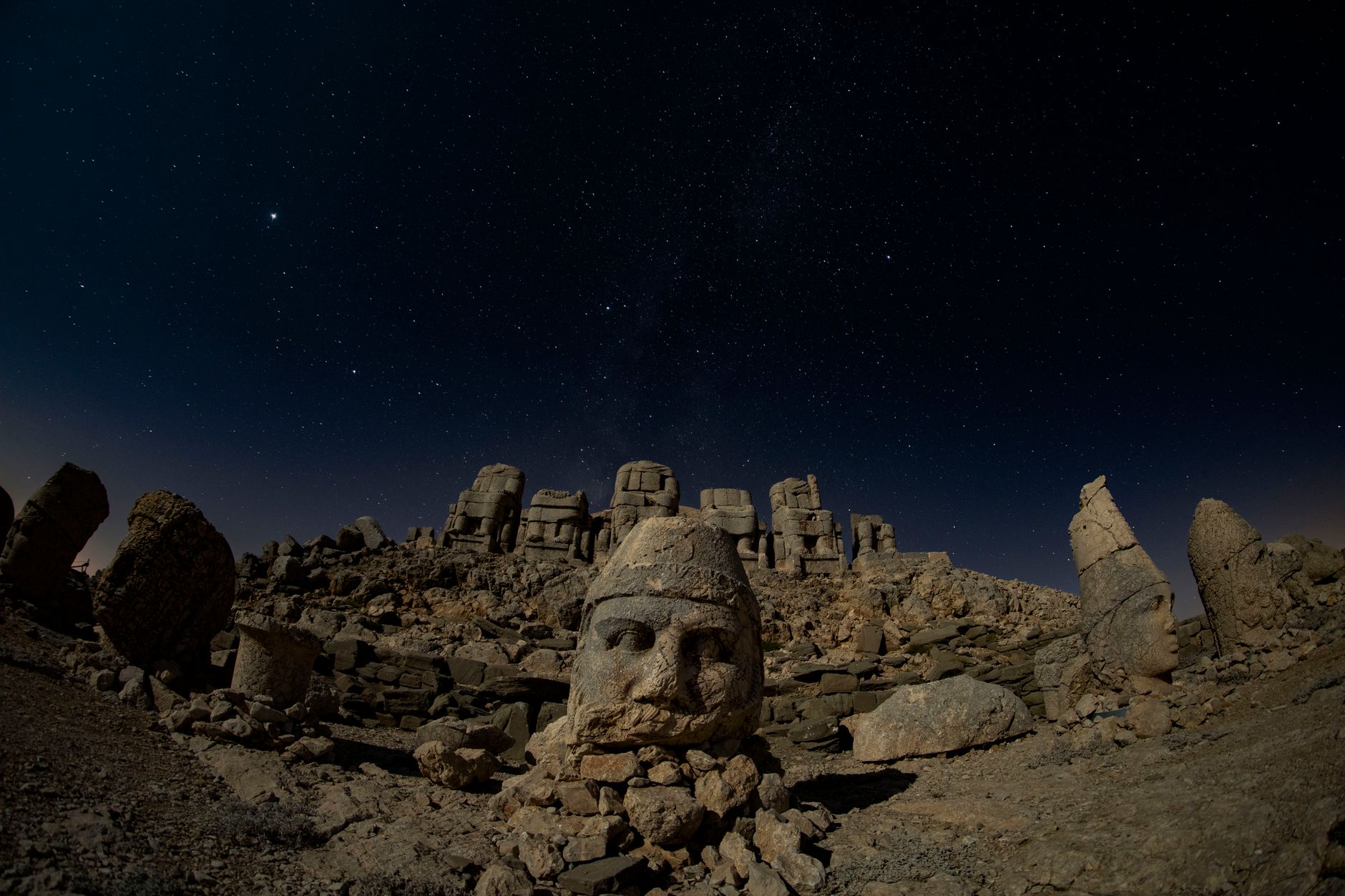
Türkiye's relationship with the night sky is ancient. Neolithic communities built stone circles and aligned structures with the seasons; Hittite and Urartian carvings reference celestial bodies; medieval Islamic astronomers worked in observatories that were wonders of their age. When you stand under a Turkish sky, you are standing in an observatory that has been in use for ten thousand years.
Modern Türkiye is renewing that tradition. Astrotourism is booming: dark-sky routes are being mapped, mountain hotels are installing telescopes, and festivals celebrating meteor showers and planetary viewing are drawing international visitors. The country's highlands — the Taurus, the Pontic ranges and the volcanic landscapes of central Anatolia — offer some of the best seeing conditions in Europe and the Middle East.
For eclipse travellers, this means you can turn a single event into a full astronomy holiday. Arrive a week early, join a star party, learn to photograph the Milky Way, then experience totality with the confidence of someone who already knows their way around the sky. Browse the gallery for a sense of the landscapes waiting for you.
Making Totality Count: Viewing and Safety Tips
Totality is brief, so preparation matters. Choose a site with an unobstructed western horizon, arrive hours early, and check the weather forecast repeatedly in the final 48 hours. Have a backup location within driving distance. Pack water, snacks, warm layers and a red-light headtorch to protect your night vision.
Safety is non-negotiable. Never look at the Sun without certified eclipse glasses except during the few minutes of totality, and always use proper solar filters on cameras, binoculars and telescopes. Practise your photography settings beforehand so you are not fumbling with dials while the corona blazes above you.
And remember to stop. Put the camera down for thirty seconds, look up, and let the moment land. Totality is short, but the memory is permanent. For frequently asked questions about travel logistics, head to the FAQ, and for practical tools and packing lists, see travel tools.
Practicalities: Weather, Transport and Respect
Eclipse weather is a gamble anywhere, but Türkiye stacks the odds in your favour. The central plateau is dry and clear in most seasons, while coastal areas can be hazier. Check historical cloud-cover data for your chosen site and keep a flexible plan. Internal flights, buses and car hire are all reliable; book them in advance and allow generous buffers.
Respect local customs and the environment. Many prime viewing spots are farmland, protected areas or village commons — ask permission, take your rubbish with you, and avoid driving on fragile terrain. Remember that eclipse day is also an ordinary day for residents, so be patient with crowds and generous with your gratitude.
Türkiye is ready to welcome the world to its highlands. Come for the millisecond of wonder, stay for the tea, the history and the hospitality — and leave with a story you will tell for the rest of your life.
Thinking about a trip to Turkey?
Share your contact details and a vetted local expert will follow up with a plan built around you — free, no obligation.