
Small Details, Large Histories
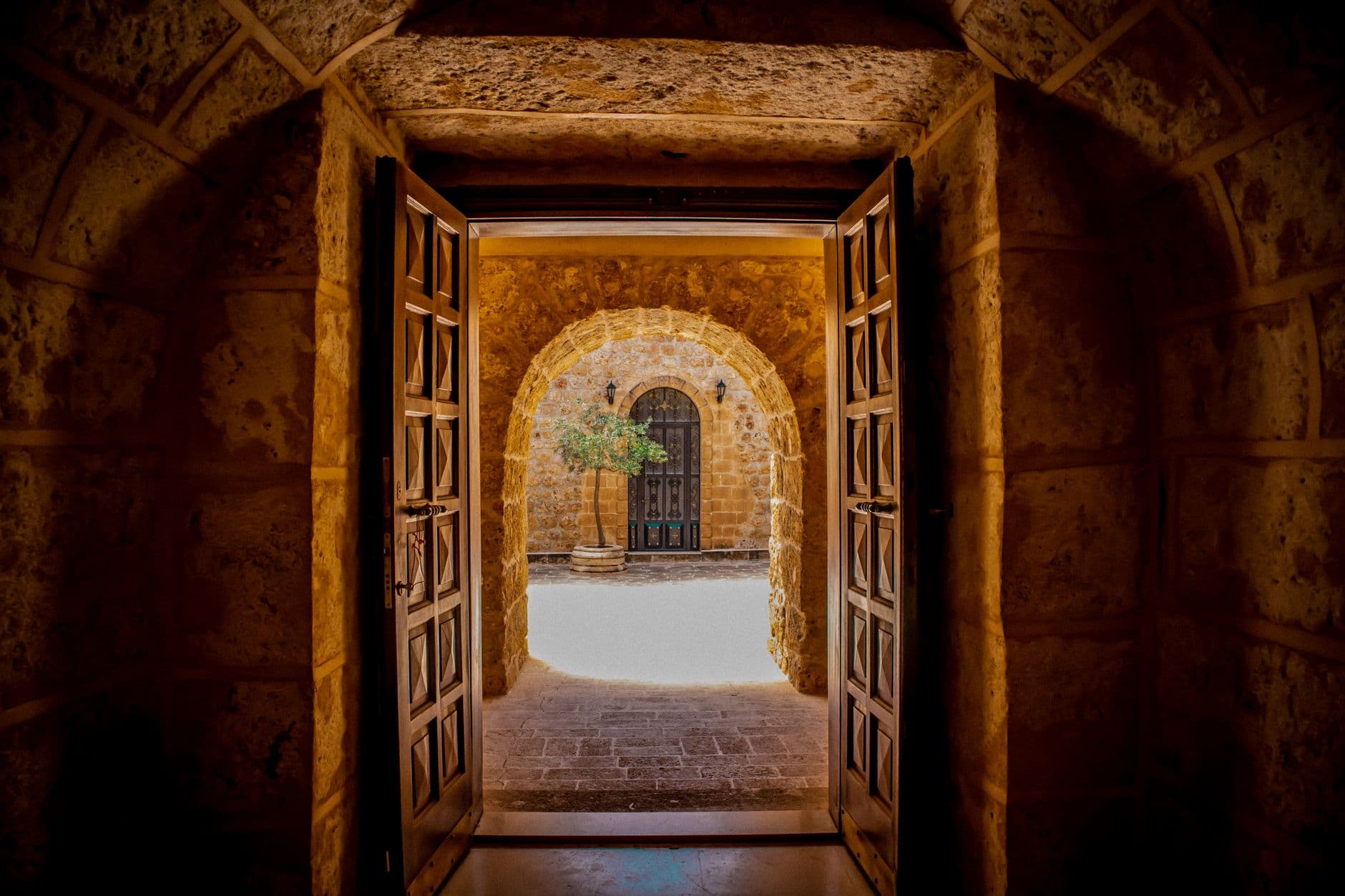
Travel in Türkiye often rewards the traveler who looks down, up and sideways rather than straight ahead. The grand monuments — the domes, the aqueducts, the caravanserais — announce themselves. But the country's most intimate architecture is quieter: a walnut door studded with iron, a brass ring worn smooth by a century of hands, a stone lintel carved with a six-pointed star and a pair of scales.
This guide is an invitation to slow down at the threshold. Across Anatolia, the entrance to an old house was never just a hole in a wall. It was a statement of faith, status, craftsmanship and hospitality, compressed into a few square meters of wood, brass and stone. In the Ottoman-era neighborhoods of Mardin, Safranbolu and Kula, these thresholds survive in remarkable concentrations — which makes them perfect for a gentle, self-guided walking trail.
A word of respect first, and we will repeat it: almost all of these doors belong to private homes. You are a guest in a living neighborhood, not a visitor to an open-air museum. Look from the street, photograph respectfully and never push a door that is closed. The pleasure here is in the looking, not the entering.
Why the Door Was the Most Talked-About Wall in the House
Traditional Anatolian houses turned their backs on the street. The street facade was plain, often whitewashed or left as bare stone, with small high windows and a single heavy door. Inside, the house opened into courtyards, gardens and light. This inward-facing logic was shaped by climate, by modesty and by a strong notion of household privacy — the world of the family was not for public view.
The door therefore carried a double burden. It had to be a genuine barrier, thick and lockable, keeping the family's world apart from the street. And precisely because it was the only part of the house the public ever saw, it became the family's public face: the place where craftsmanship, taste and means were displayed. A modest household might have a solid plank door with simple iron studs; a merchant's house could boast deep relief carving, inlaid panels and a knocker cast by a specialist.
Entry itself was a ritual. Visitors did not simply arrive; they announced themselves, waited, and were admitted. In many towns the knocker was the first exchange of the visit — a small, coded greeting in metal before a word was spoken. Understanding that code turns a pleasant stroll into a lesson in how a society organized courtesy.
The Language of the Knockers: Two Rings, Two Voices
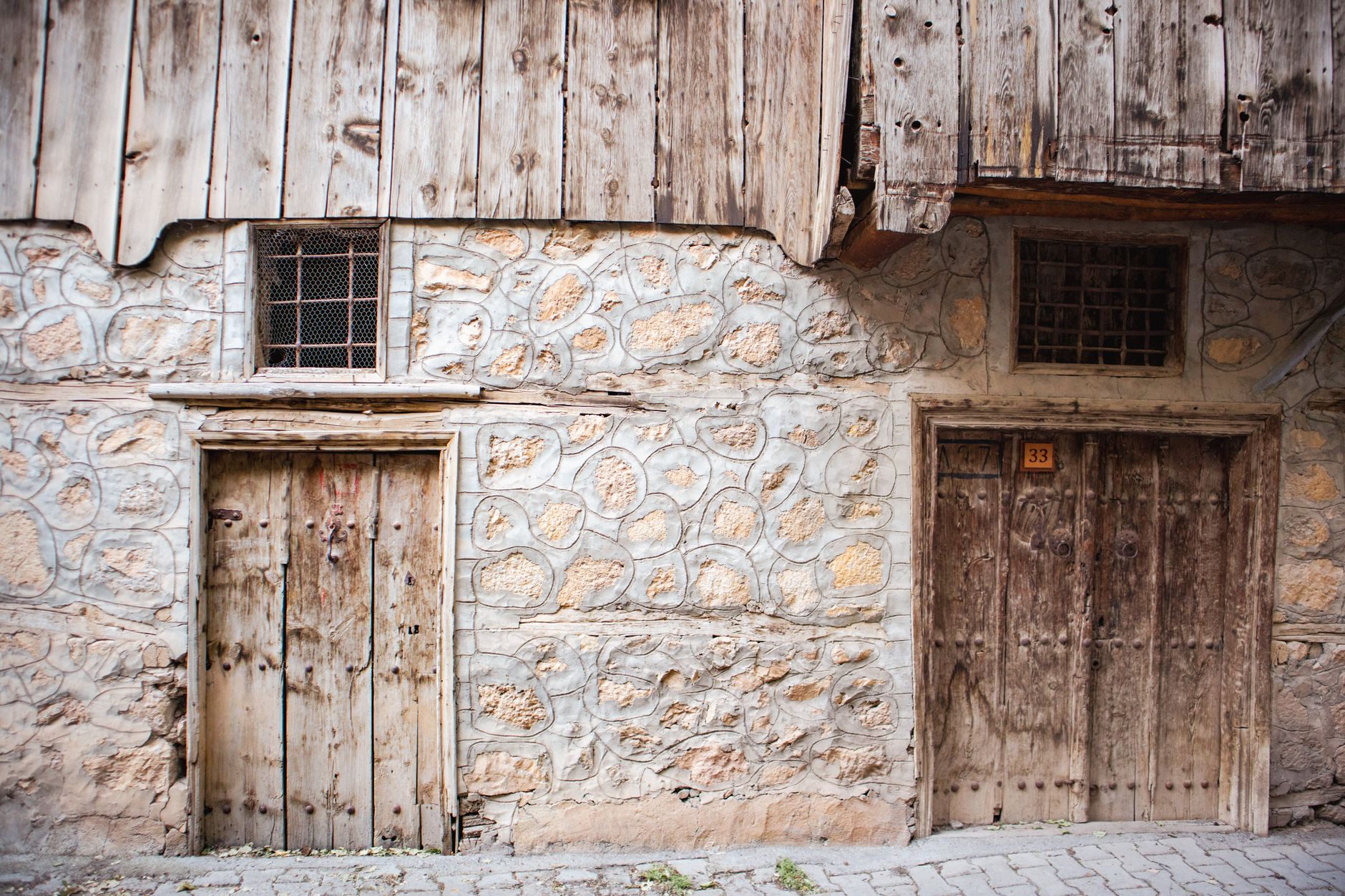
The most famous feature of these doorways is the paired knocker: a fixed ring or plate, and a movable striker that swings against it. In the widely repeated local explanation, the two parts were designed to produce distinctly different sounds, and the household — especially the women inside — could tell from the sound whether the caller was a man or a woman.
The conventional version runs like this: the smaller, higher-pitched knocker produced a sharper, lighter tone associated with a female visitor, while the larger, lower, heavier knocker gave a deeper sound associated with a male visitor. A household receiving guests could prepare accordingly before the door was opened. This reading is often told in Safranbolu and in the older quarters of Anatolian towns, and guides will happily demonstrate it.
Treat the two-voices story as living local tradition rather than settled fact. It is repeated with conviction by residents and documented in many popular accounts, but the practice varied enormously from town to town — and some historians are cautious about how uniformly it was ever applied.
What is certain is that the knockers are extraordinary objects in their own right. Many are cast in brass or bronze, some in iron; the striking surfaces are often worn into a soft shine by generations of hands. Shapes range from simple rings to elaborate rosettes, crescents, stylized hands and geometric medallions. On wealthier houses, the knocker plate might be a masterwork of the metalsmith's art in miniature.
Reading the Carvings: Symbols, Protection and Prestige
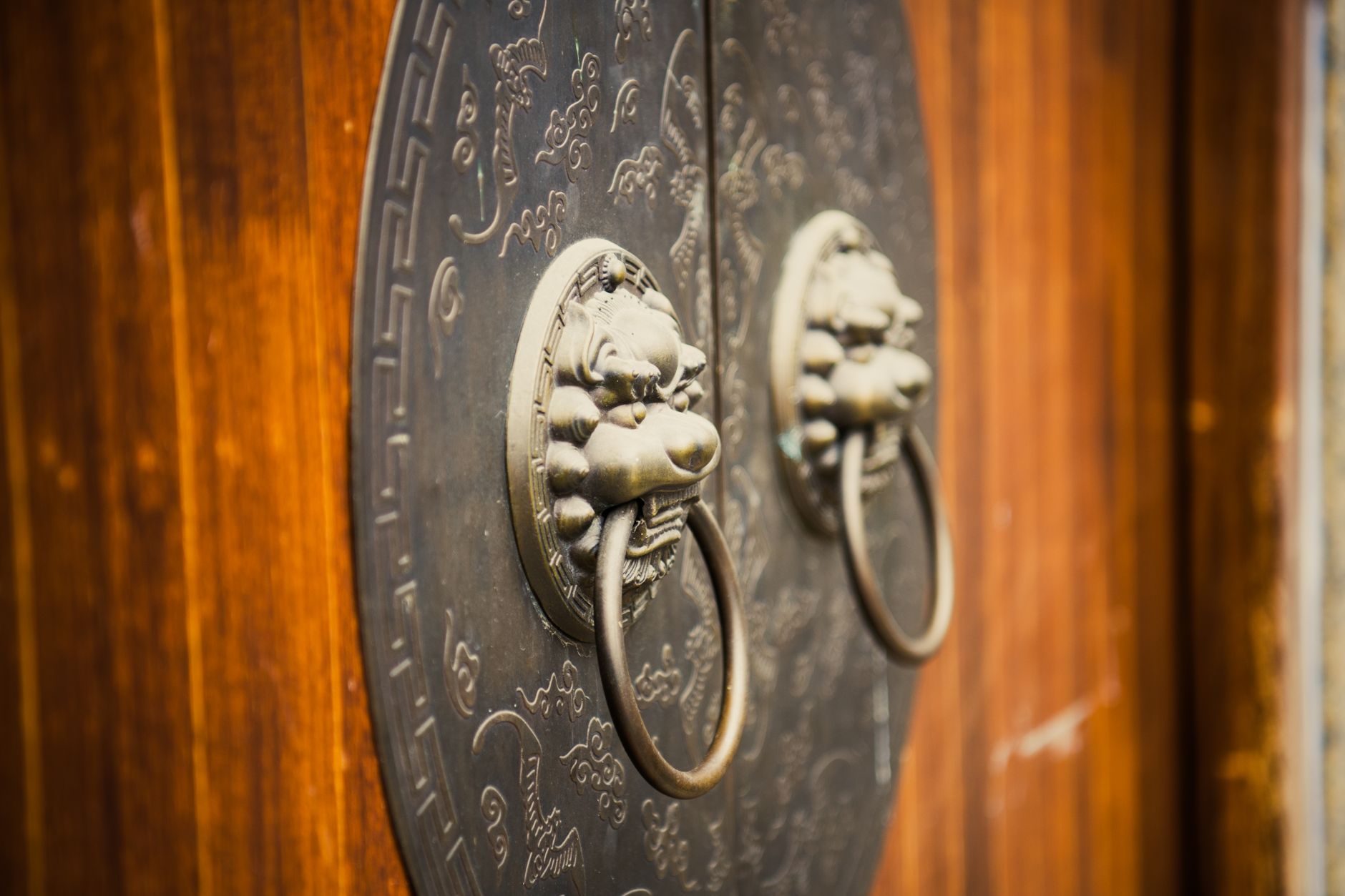
The knocker is only the loudest element of the doorway. Look closely and the door itself is a small library of symbols. Geometric interlace — stars, polygons, endless knots — reflects a long Anatolian decorative tradition shared across Muslim, Christian and Jewish communities. On Mardin's doorways you will also find floral and palmette motifs, chain and rosette borders, and occasionally inscriptions or dates.
Some motifs were understood as protective. The hand — related to the widespread hamsa or "Hand of Fatima" — appears as a knocker shape and as a decorative element in many cultures of the region, understood to turn away the evil eye. Star-and-polygon patterns and concentric circles carry similar apotropaic weight in folk belief, though scholars rightly warn against assigning one fixed meaning to every carving; decoration could be simply beautiful, or simply fashionable.
Then there is prestige. The height, width and studding of a door spoke to the household's standing; deep carving took time and money. Iron studs and straps were practical reinforcement against splitting and forced entry, but they also read as strength. When you compare a plain door and an ornate one on the same street, you are looking at a social hierarchy rendered in wood.
Mardin: Honey-Colored Stone and Dark Timber
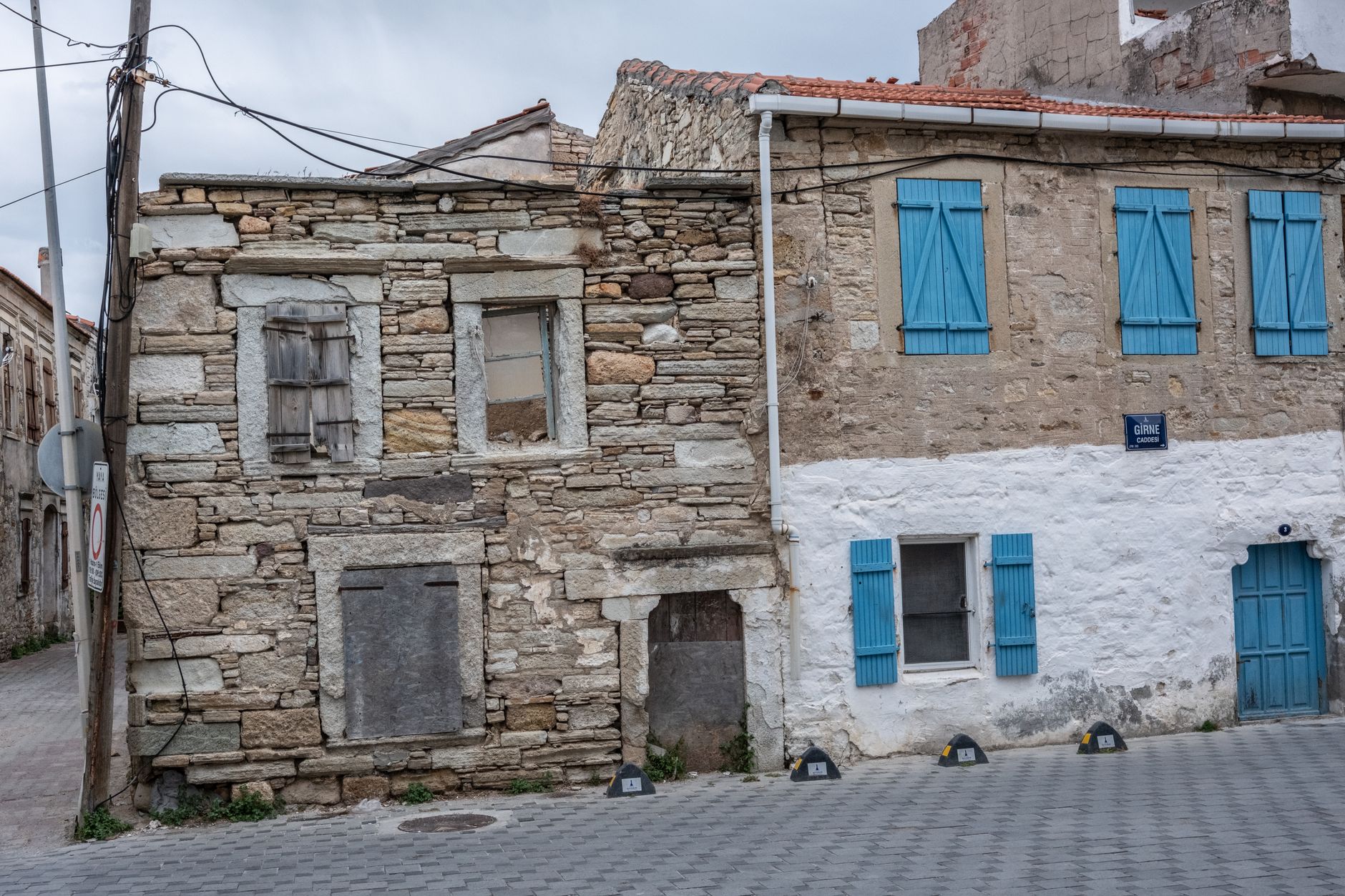
Mardin is the most theatrical of the three. The old town climbs the hillside above the Mesopotamian plain in tiers of golden limestone, and its doorways are cut deep into arched recesses, framed by carved stone surrounds that lead the eye from bright street to shadowed threshold. The doors themselves are usually heavy timber, dark against the pale stone, often studded and sometimes richly carved.
Walk the length of Cumhuriyet Caddesi and then dive into the lanes below it, toward the Abdülkadir Paşa and Şehidiye quarters. Pause at the entrances of the great courtyard houses — the Mardin Museum area and the streets around the Ulu Cami are rewarding — and notice how the stone arch, the timber door and the small knocker form a single composition. On some doors, the ironwork is a lattice of rosettes; on others, a single heavy ring hangs against a star-shaped plate.
Mardin's layers make it special: Syriac Christian, Armenian, Kurdish, Arab and Turkish households have all left their mark on the same streets. The doorway vocabulary is shared and local at once. Because the town is compact and steep, plan a slow morning, wear shoes with grip and let the heat dictate your pace. For more on planning a route through the region, see our routes section.
Safranbolu: The Museum Town of the Wooden Door
If Mardin is stone, Safranbolu is timber. Its UNESCO-listed old town is a near-intact ensemble of Ottoman-era konaks — tall, whitewashed houses with projecting upper floors, broad eaves and steep roofs. Here the doorway is often the most decorated element of the facade: carved wooden surrounds, panelled doors, and knockers that have become the town's unofficial emblem.
Begin in Çarşı, the market quarter, and wander the lanes of Kıranköy and Bağlar. The Kaymakamlar Evi and Kileciler Evi are restored house-museums where you can study door construction and ironwork closely, legally and without intruding. On the residential streets, keep your distance and your voice low; curtains twitch, and that is fair enough.
Safranbolu is also the best place to hear the knocker tradition explained by locals, and the town's craft shops sell modern reproductions — a good way to take the detail home without touching a historic door. Pair a day here with the wider region using our destinations pages, and consider timing your visit with our best-time guide to avoid the busiest summer weekends.
Kula: The Quiet Performer
Between them, Kula in Manisa province is the connoisseur's choice. This small town of winding streets is packed with traditional houses — some 700-odd structures of heritage value — and because it sees a fraction of Safranbolu's visitors, you can study a doorway for ten minutes without anyone hurrying past.
Kula's houses share the projecting upper-floor logic of the Aegean and inner-west Anatolia, and its doors are often painted — faded blues, greens and ochres — with iron knockers and studs standing out against the color. The Kula Evleri district rewards unhurried walking; several houses function as cafés or guesthouses, which gives you a legitimate reason to admire a door from the inside as well.
The town also sits in a landscape of volcanic cones and old Greek and Turkish quarters, making it a fine stop on a driving loop. Photographers should come in early morning, when low light rakes across the carved surfaces and reveals the texture of the wood.
How to Look: A Practical Field Guide
You do not need specialist knowledge to enjoy these details, but a little method helps.
- Start at eye level, then go low and high. Knocker plates sit at hand height; carved lintels and finials are above; worn thresholds are at your feet. The doorstep itself is often the most worn object in the building.
- Compare materials. Iron, brass, bronze and wood each age differently. Green patina means copper alloy; orange-brown rust means iron. The mix tells you about local supply and repair history.
- Count the layers. Original door, later reinforcement, modern lock, electric bell. Every doorway is a stratigraphy of changing technology and taste.
- Use a zoom lens, not your feet. Detail photography from the public street is respectful; stepping onto a private stoop is not.
- Never knock to test the sound. It is someone's front door, not a musical instrument.
Carry a small notebook. The pleasure of this trail is comparative: after three towns you will start to recognize a Mardin arch from a Safranbolu panel at a glance. Our guides section has more themed walking ideas, and our travel tools can help you organize a multi-town itinerary.
Etiquette at the Threshold
Turkish hospitality is famous, and if you linger admiring a door, you may well be invited in for tea. Accept graciously if you wish — but let the invitation come to you. Do not photograph people, interiors or doorways with open doors without asking. In residential lanes, keep conversations quiet, especially in the early morning and evening.
Remember that many of these houses are fragile and under-restored. A carved door that looks picturesque may be the only intact original element of a family's home. Your restraint is part of what keeps it there. And if you are lucky enough to be shown a knocker up close, treat the demonstration as the gift it is.
Building Your Own Small-Detail Trail
The three towns make a natural, if spread-out, sequence: Safranbolu in the forested north-west, Kula in the Aegean hinterland, Mardin far to the south-east. Each rewards a full day of slow walking, and each can anchor a wider regional trip. If you would like help stitching them together with transport, timing and rest days, our planner and local experts can shape a route around your interests.
Above all, go slowly. The knockers, carvings and worn thresholds of Türkiye's old houses are tiny architectural wonders, but their real subject is people — the families who built the doors, the visitors who announced themselves in metal, and the neighbors who still live behind them. Look closely, listen politely, and leave the door exactly as you found it.
Thinking about a trip to Turkey?
Share your contact details and a vetted local expert will follow up with a plan built around you — free, no obligation.