
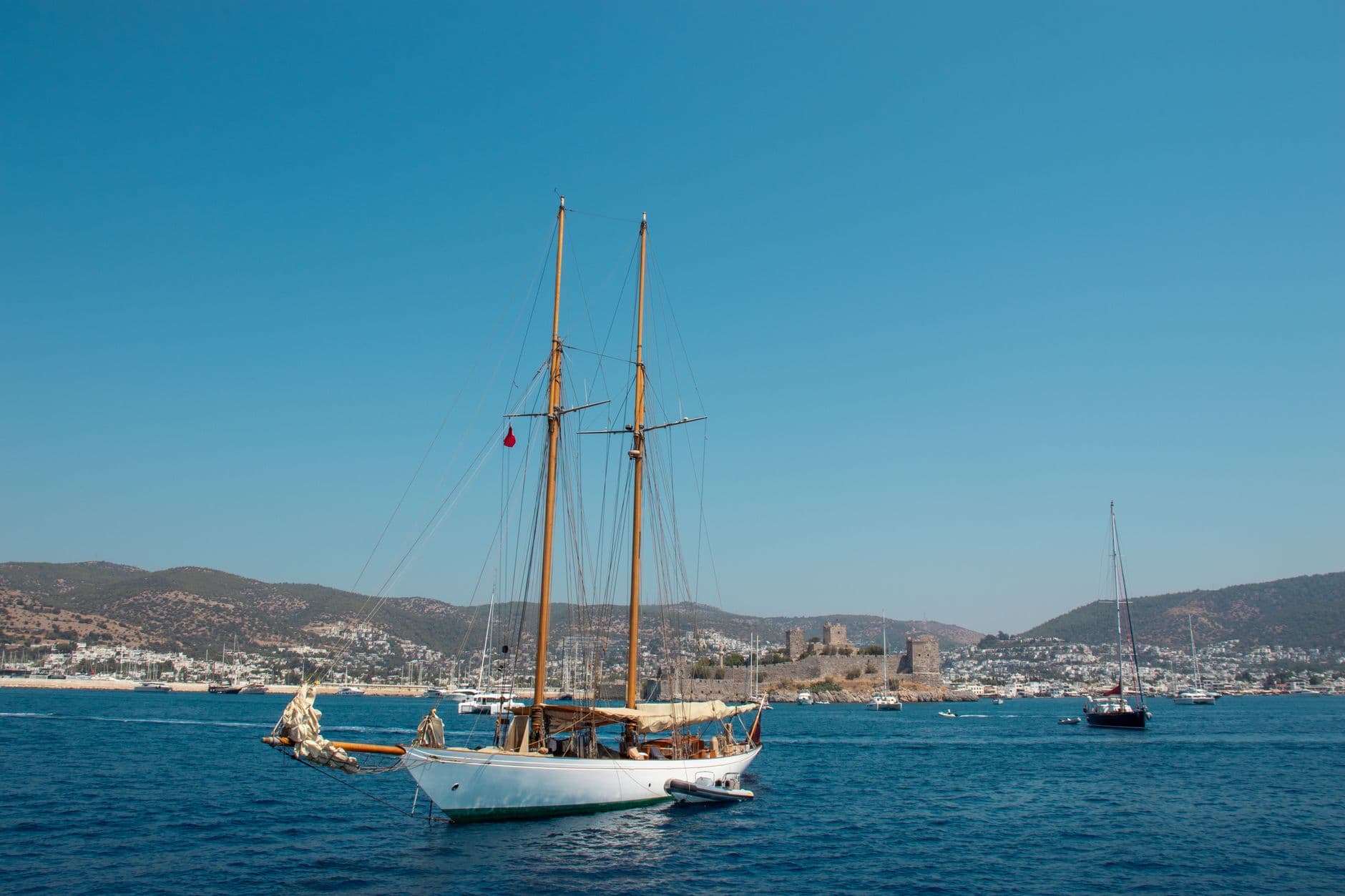
The Living Heritage of Turkish Boatyards
Along Türkiye's Aegean and Mediterranean coast, the screech of planers and the rhythmic tap of caulking mallets are not museum sounds — they are the everyday soundtrack of working boatyards. In towns like Bodrum, Bozburun and Fethiye, generations of shipwrights still shape pine and oak into gulets, tirhandils and yachts, blending ancient joinery with modern epoxy and stainless steel.
These yards are living heritage: skills passed from father to son, from master to apprentice, in an unbroken chain that stretches back to the Ottoman caiques and beyond. For travellers, they offer something increasingly rare — the chance to watch skilled manual work up close, ask questions, and support the craftspeople who keep these traditions alive.
This guide explains what you'll see in a traditional Turkish boatyard, where to go, how to time your visit around morning work hours, and how to be a respectful guest in these working spaces.
What Happens in a Traditional Boatyard
Turkish wooden boatbuilding is a sequence of specialised crafts, each with its own tools and vocabulary. In the early morning, you'll often find the yard already humming: carpenters selecting timber, caulkers preparing oakum, and riggers checking wire and rope.
Caulking: The Art of Keeping Water Out
Caulking (kalafat) is one of the most impressive skills to witness. Workers drive strands of oakum or cotton into the seams between hull planks using a caulking iron and a wooden mallet. The sound is distinctive — a steady, hollow thud — and the technique requires years of practice to avoid splitting the plank while ensuring a watertight seal. Many yards still use traditional methods for wooden hulls, while others combine them with modern sealants.
Joinery and Timber Selection
Master joiners (marangoz) shape frames, keels and planking from carefully selected timber. Look for stacks of kestane (chestnut), meşe (oak) and çam (pine), often left to season for months or years. The joinery is often visible in the elegant curves of a gulet's stem or the precise fit of deck beams — details that reveal a deep understanding of wood movement and sea conditions.
Rigging and Fittings
Riggers (armador) work on masts, booms, standing rigging and running rigging. In traditional yards, you may see hand-spliced ropes, wooden blocks, and bronze or galvanised fittings. Modern yachts may use stainless steel wire and hydraulic systems, but the principles — and the careful, methodical approach — remain the same.
Beyond these core crafts, you'll see painters, varnishers, electricians and mechanics, all contributing to a complex refit or new build.
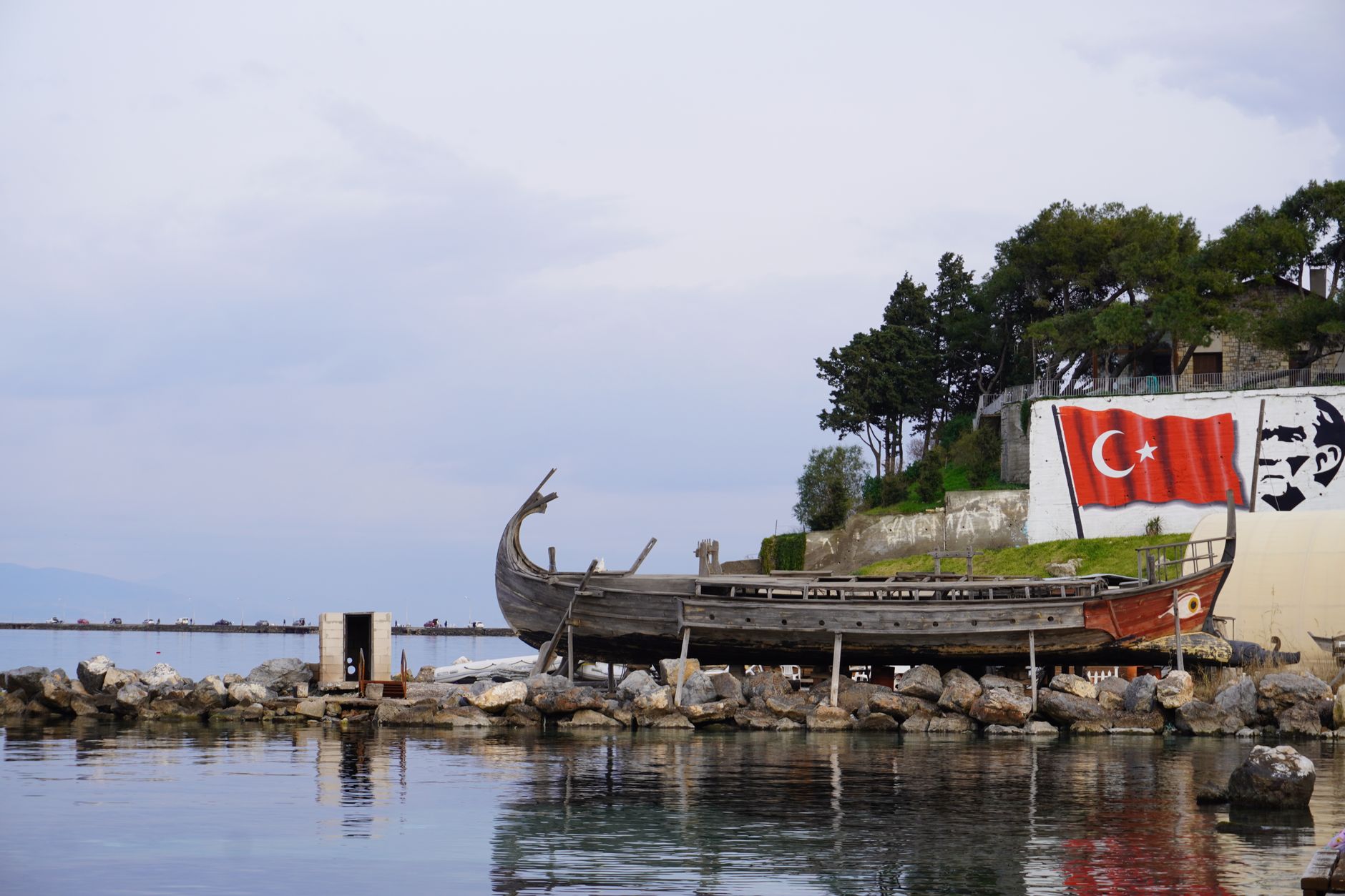
Where to Go: Three Boatyard Towns
While boatbuilding happens all along the coast, three towns stand out for accessible, authentic yards where visitors are generally welcome with respect.
Bodrum: The Classic Gulets and Beyond
Bodrum is synonymous with the gulet, the traditional wooden sailing yacht that has become a symbol of Blue Cruise holidays. The town's boatyards, particularly around the Turgutreis and İçmeler areas, are busy with new builds and refits. You'll find everything from small family workshops to larger yards producing luxury gulets. The Bodrum Maritime Museum provides context, but the real action is in the yards themselves.
Bozburun: A Quiet Haven of Craftsmanship
Bozburun, on the Datça Peninsula, is a smaller, quieter boatbuilding centre known for high-quality wooden yachts. The yards here are more intimate, and you're more likely to see a single boat being worked on by a small team. The town's focus on traditional methods and its beautiful setting make it a rewarding stop for anyone interested in craft.
Fethiye: A Hub of Marine Repair
Fethiye has a large concentration of boatyards and marine repair facilities, especially around the Karacaören and Göcek areas. It's a place where you can see everything from routine maintenance to major refits. The scale is larger, but the craftsmanship is still evident in the specialised workshops for joinery, rigging and metalwork.
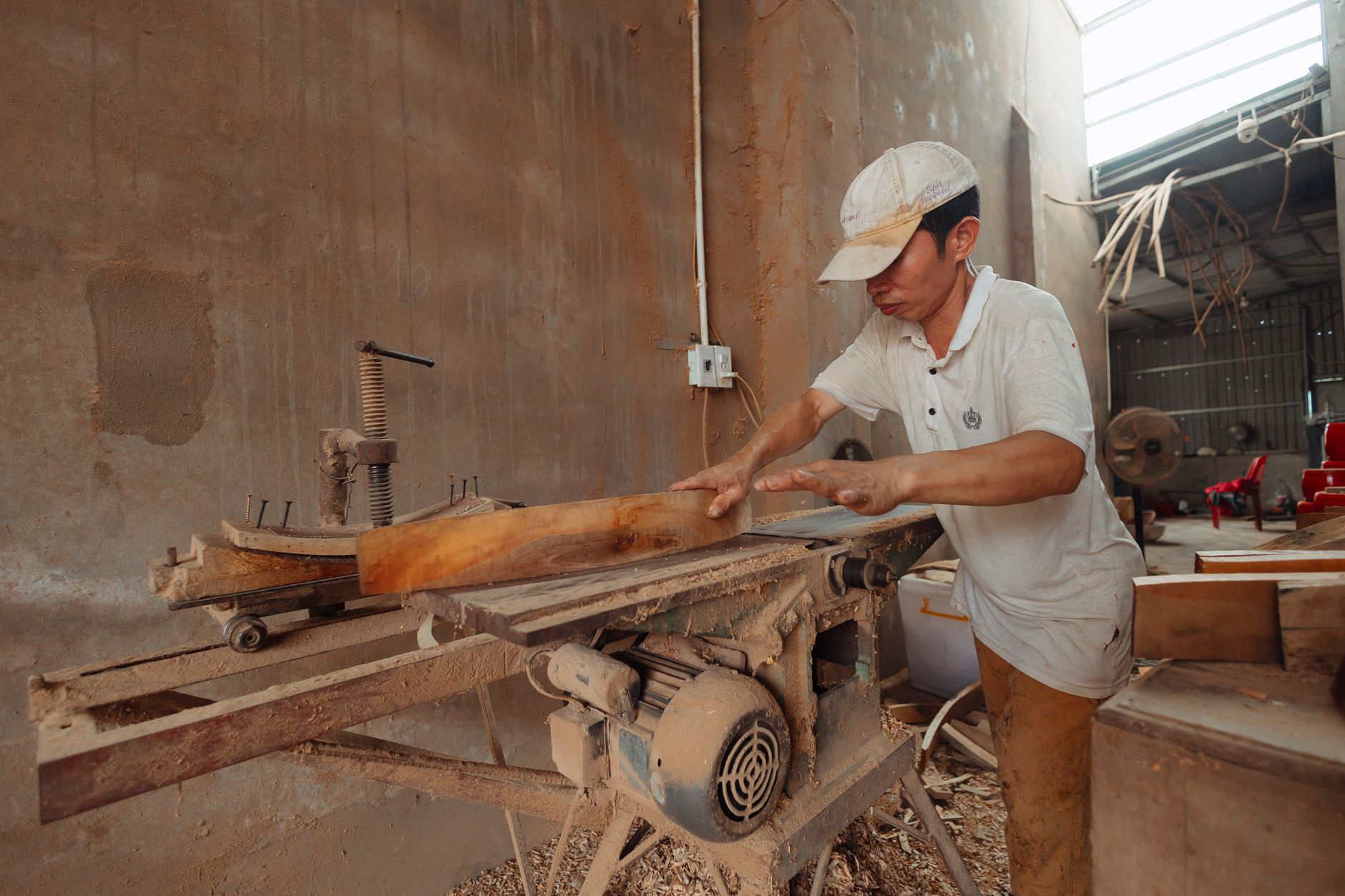
Timing Your Visit Around Morning Work Hours
Boatyard work follows the rhythm of the day, and mornings are the best time to visit. Work typically starts early, often by 7 or 8 am, especially in summer when the afternoon heat becomes intense. By early afternoon, many yards slow down or pause for lunch and a siesta, and some finish by late afternoon.
Aim to arrive between 8 and 10 am to see the most activity: caulkers at work, joiners at the bench, and the yard supervisor planning the day. Avoid Fridays after noon, when some workers leave early for prayers, and Sundays, when most yards are closed.
Weather also matters. In winter, yards may be less active due to rain, though some major refits continue under cover. Spring and autumn are ideal: comfortable temperatures and high activity as boats are prepared for the season.
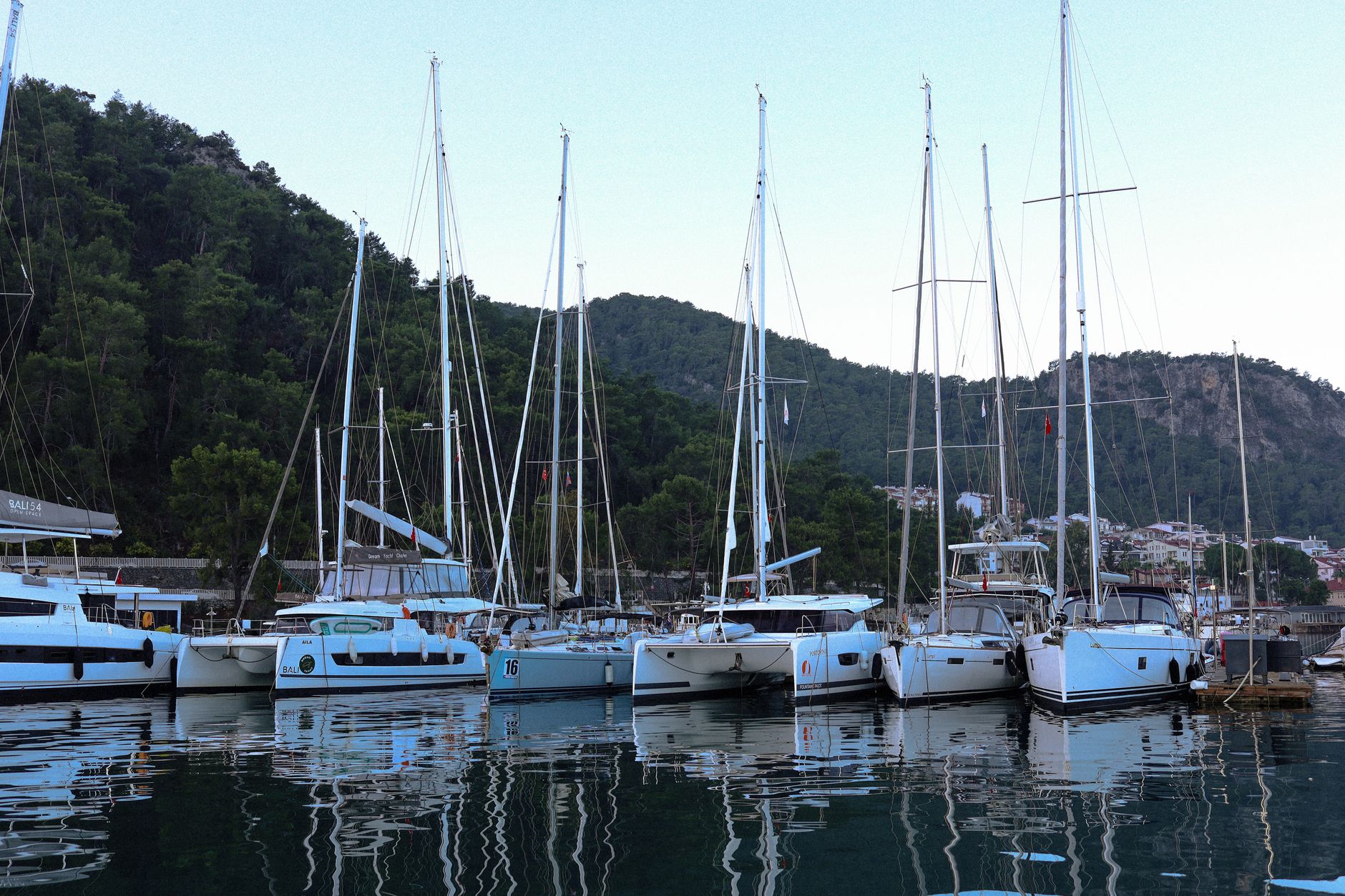
Respectful Visitor Tips
These are working spaces, not tourist attractions. Always ask permission before entering a yard — a simple “Merhaba, gezebilir miyim?” (Hello, may I look around?) goes a long way. If there's an office, start there.
Keep a safe distance from machinery and sharp tools, and never walk under a suspended boat or climb on scaffolding. Wear sturdy shoes and avoid loose clothing. Photography is often welcome, but always ask before photographing people or specific work areas. Some craftspeople may be shy or prefer not to be photographed, so respect a “no”.
Support the craftspeople by buying locally made products, hiring a local guide, or simply expressing genuine interest. Learning a few Turkish words for tools and materials — çekiç (hammer), testere (saw), ahşap (wood) — can break the ice.
Meeting the Masters
The heart of any boatyard is its people. Many master craftspeople are happy to share stories if approached respectfully and at the right moment — not when they're focused on a critical cut. Look for a pause in their work, make eye contact, and ask a simple question.
Some yards offer informal tours or have a family member who speaks English. In Bodrum, you might meet a caulker whose grandfather worked on the same slipway. In Bozburun, a joiner might show you the difference between a hand-cut dovetail and a machine-made joint. These encounters are the real souvenir of a boatyard visit.
Consider joining a guided tour or workshop if available; these provide context and ensure you don't disrupt work. The local experts listed on our site can help arrange respectful visits.
Supporting Living Heritage
Traditional boatbuilding in Türkiye faces challenges: competition from fibreglass and steel, rising timber costs, and the difficulty of attracting young people to the trade. By visiting, showing interest, and supporting the craftspeople, you help keep these skills alive.
You can also support by commissioning work, buying from local marine suppliers, or donating to organisations that promote traditional boatbuilding. Simply sharing your experience and valuing the craft helps shift perceptions.
Remember that this is a living culture, not a performance. The best visits are those where you observe, ask, and appreciate without interrupting. For more on Türkiye's cultural heritage, see our guides.
Practicalities: Getting There and What to Bring
Bodrum, Bozburun and Fethiye are all accessible by road and, in some cases, by boat. Bodrum and Fethiye have airports; Bozburun is reached by car from Marmaris or Datça. Local buses (dolmuş) serve the yards, but taxis are easier if you're carrying camera gear.
Bring water, sun protection (hat, sunscreen), and a notebook. A small gift, such as a pack of good Turkish tea or a sweet, is a nice gesture if you've arranged a visit in advance. Avoid bringing large groups without prior arrangement.
For information on the best time to visit the coast, see our best time guide.
Thinking about a trip to Turkey?
Share your contact details and a vetted local expert will follow up with a plan built around you — free, no obligation.