

Why Sleep in a Wooden House?
Some travelers collect museums. In Türkiye, you can collect nights. Across the country, thousands of Ottoman-era timber houses — konaks (grand mansions), evler (family homes) and yalılar (waterside residences) — have been rescued from ruin and reopened as guesthouses. Instead of walking through a roped-off room, you eat breakfast in it. Instead of photographing a carved ceiling, you fall asleep beneath it.
These are not five-star resorts with spa menus and pillow chocolates. They are small, family-run, often lovingly imperfect places where the floorboards creak, the walls are timber and plaster, and the morning call to prayer drifts through hand-painted windows. That is precisely the charm.
Best of all, they are surprisingly affordable. In many towns, a night in a restored konak costs less than a mid-range chain hotel in Istanbul — and the money goes directly into the pockets of families who are keeping centuries-old building techniques alive.
What Exactly Is a Konak?
The word konak originally meant a large, imposing residence — often the home of a wealthy Ottoman family, a provincial governor, or a notable merchant. Unlike the stone and concrete apartment blocks of the modern republic, konaks were built with a timber frame, infilled with adobe or brick, and finished with wood siding. Their upper floors frequently jut out over the street — a feature called cumba — creating shaded overhangs and giving residents a discreet view of the street below.
Inside, the layout revolves around a central hall called the sofa or hayat, off which open small rooms used for sleeping, eating and receiving guests. Ceilings are often decorated with painted or carved wood, cupboards are built into the walls, and there is usually a hearth. The overall effect is warm, intimate and remarkably well adapted to both hot summers and cold winters.
These houses represent a genuinely Turkish architectural tradition that blends Central Asian nomadic timber skills with Anatolian, Byzantine and later European influences. When you stay in one, you are sleeping inside a living museum of craftsmanship.
Safranbolu: The Capital of the Konak Stay
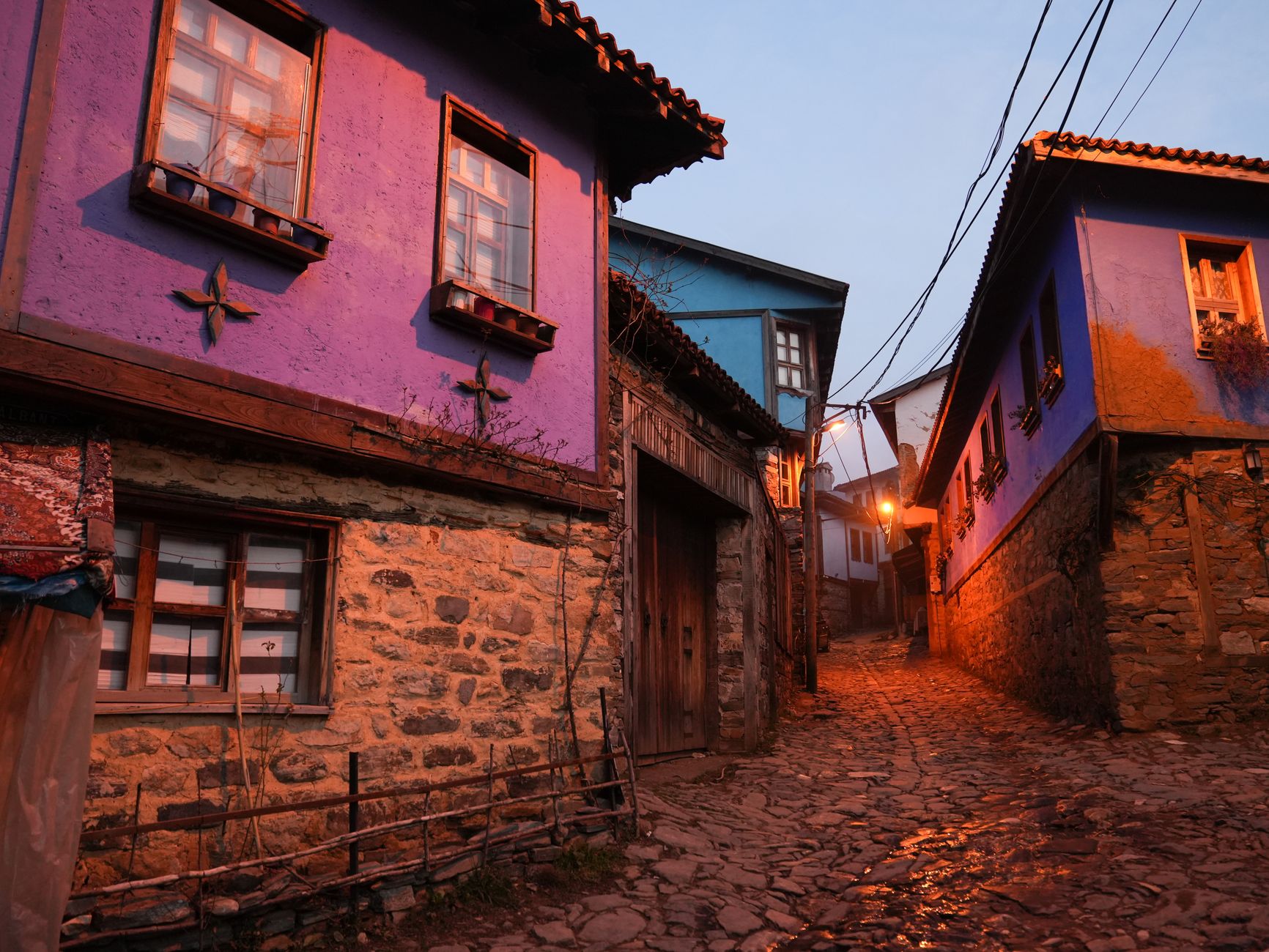
If there is a capital of Turkey's wooden-house revival, it is Safranbolu, a UNESCO World Heritage town in the Black Sea region about 100 km inland from the coast. Its old quarter, Çarşı, contains hundreds of restored konaks, many of which operate as boutique guesthouses and hotels.
Walking through Safranbolu's cobbled lanes, you pass the famous Cinci Han (a 17th-century caravanserai), the Kaymakamlar Evi (a house museum showing how a prosperous family lived), and the Izzet Mehmet Pasha Mosque. But the real pleasure is simply wandering, then retreating to your own timber room for tea.
Accommodation ranges from simple family-run guesthouses to more polished boutique hotels with central heating, en-suite bathrooms and Wi-Fi. Some properties offer cooking classes, weaving demonstrations or garden breakfasts featuring local saffron, jams and cheese. It is a perfect base for exploring the surrounding canyons and the ancient Roman ruins at nearby Eskipazar.
Cumalıkızık: Village Life at the Edge of Bursa
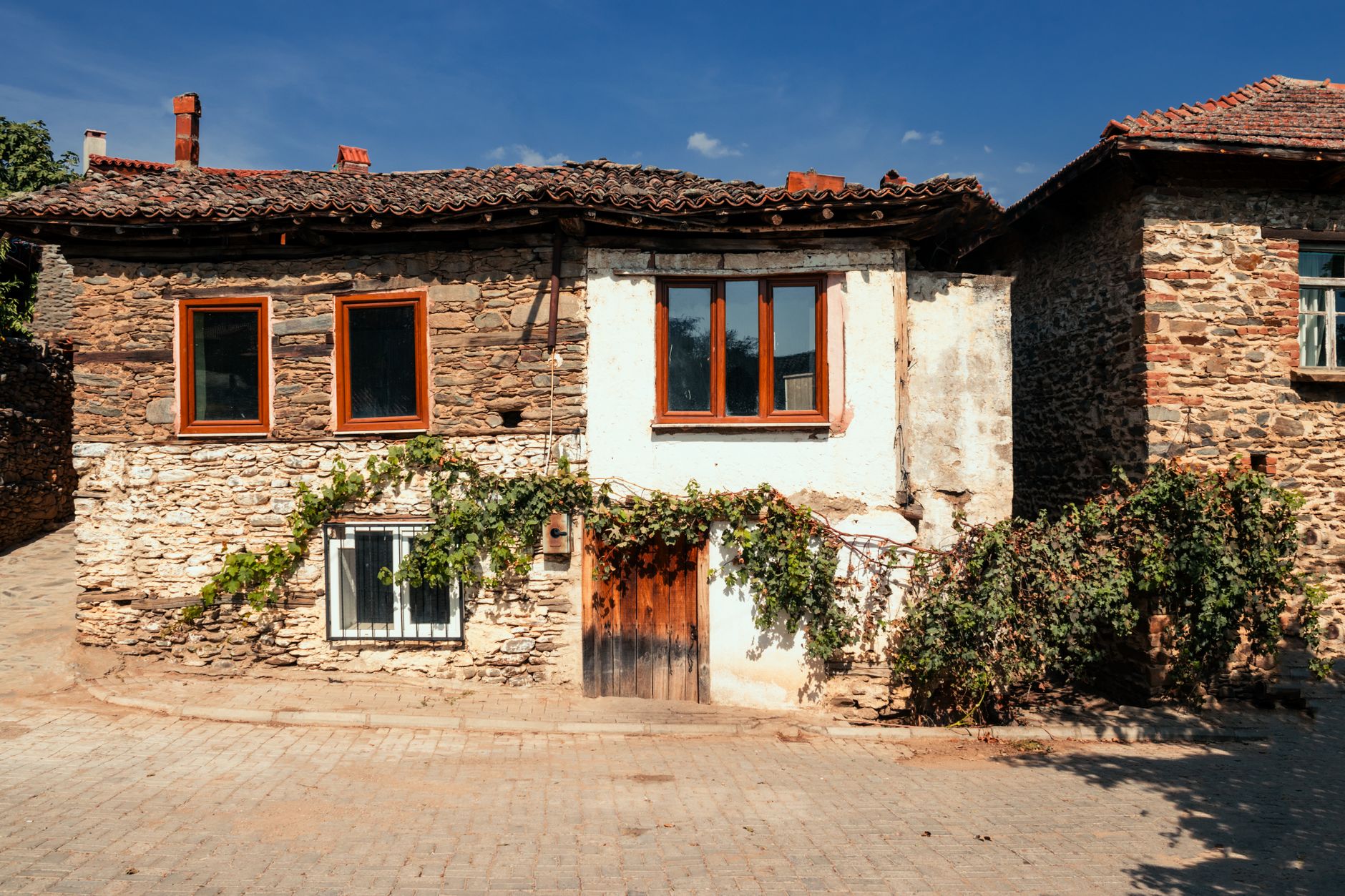
Just east of Bursa, at the foot of Mount Uludağ, sits Cumalıkızık, one of the rare villages where Ottoman rural architecture survives almost intact. Its narrow streets are lined with colorful timber houses — some painted purple, yellow or blue — many of which still belong to the same families who built them centuries ago.
Several houses have been restored and opened as guesthouses, offering a village experience rather than a town one. You will wake to the sound of roosters, eat breakfast in a courtyard under a grapevine, and be able to buy homemade jams, walnut liqueur and hand-knitted socks from your hosts.
Cumalıkızık is a UNESCO site as part of the Birth of the Ottoman Empire group, and staying here puts you minutes from the larger, more visited Cumalıkızık mosque and the forested trails of Uludağ. Because it is so close to Bursa, it also makes an easy, affordable alternative to city hotels.
Birgi: A Hidden Gem of the Aegean
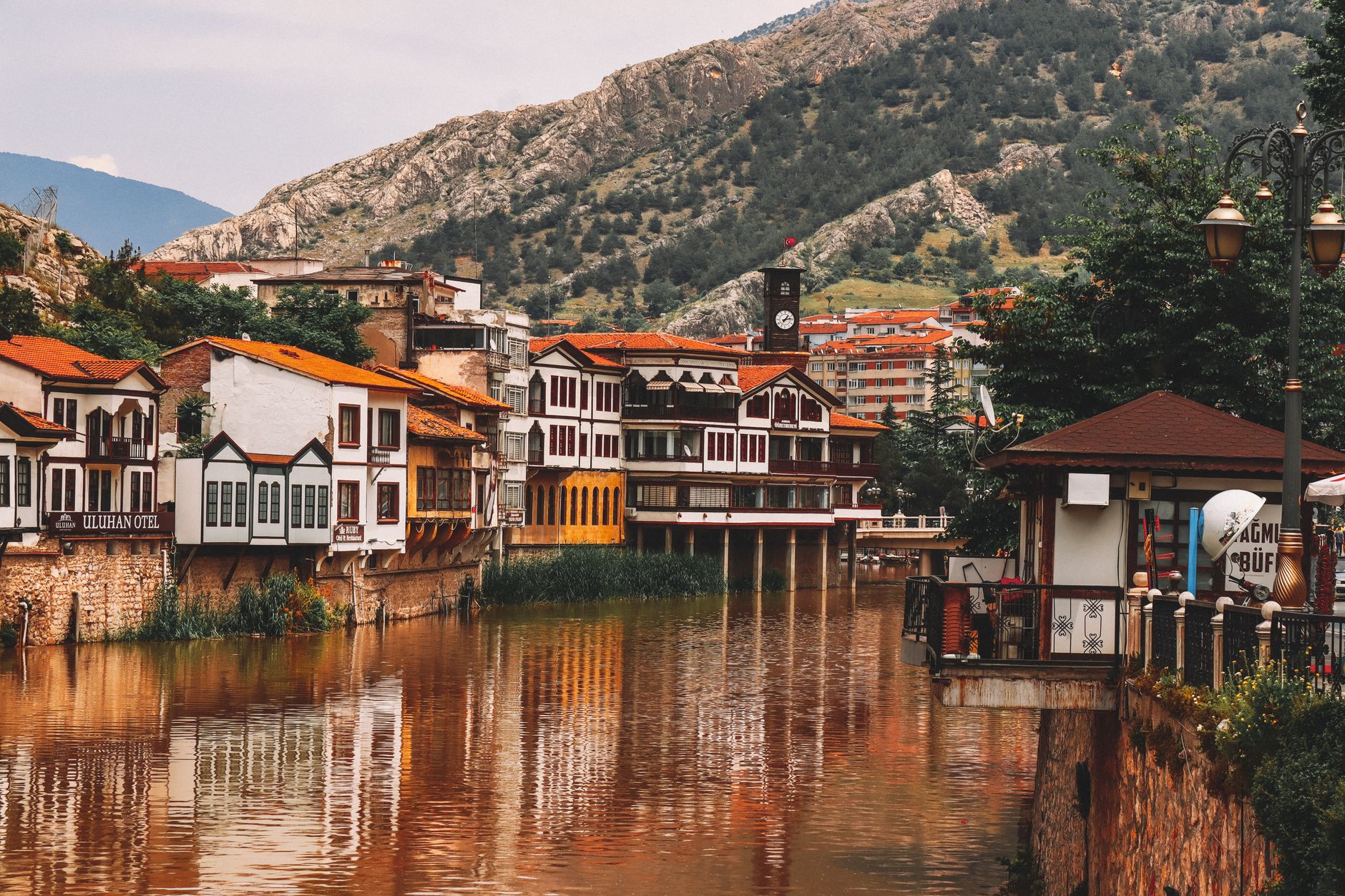
Birgi, in the province of İzmir, is one of Turkey's best-kept secrets. This small Aegean town was once a center of learning and trade, and its skyline is still punctuated by the striking Aydınoğlu Mehmet Bey Mosque and the Birgi Çakırağa Konağı, a magnificent 18th-century mansion now a museum.
Unlike Safranbolu, Birgi sees relatively few international tourists, which means prices are lower and the atmosphere is quieter. A growing number of restored konaks and stone houses operate as guesthouses, often run by families who moved back from big cities to revive their ancestral homes.
Staying in Birgi feels like stepping into a slower rhythm. Days are spent visiting the mosque, the tomb of the poet Mehmet Bey, and a handful of local workshops producing olive oil, wine and textiles. Evenings are for long dinners in courtyards, surrounded by the scent of jasmine and the sound of the call to prayer echoing across the valley.
Amasya: Riverfront Mansions on the Yeşilırmak
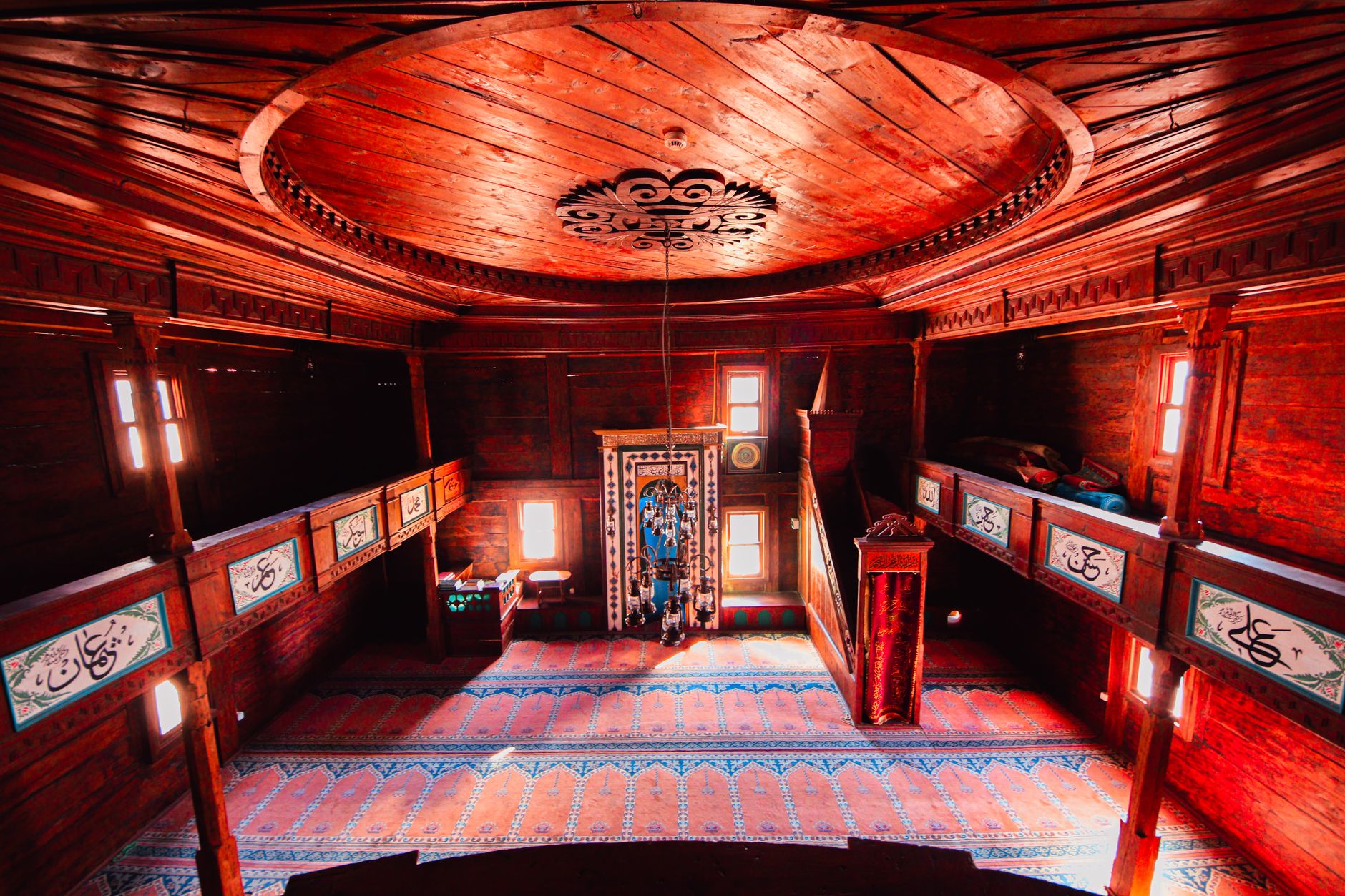
Amasya, in north-central Anatolia, is famous for its rock-cut tombs of Pontic kings and its Ottoman bridges, but its most photogenic asset may be the row of Yalıboyu evleri — timber mansions lining the Yeşilırmak River. Several of these have been restored as hotels, restaurants and guesthouses.
A stay here means waking up to the reflection of your own house in the river. Many konaks have been carefully adapted, with modern bathrooms tucked into historic walls and terraces overlooking the water. The town itself is small enough to explore on foot, and the surrounding region is rich in apple orchards and vineyards.
Amasya is also a great base for visiting the ancient citadel, the Ottoman Bayezid II Mosque complex, and the nearby village of Yassıçal, known for its traditional crafts. Because Amasya is less on the international radar than Safranbolu, you can often book a riverfront room for a fraction of what you would pay elsewhere.
What to Expect: Amenities, Comfort and Quirks
Heritage stays are not standardized, and that is part of their appeal. Still, it helps to know the basics before you book.
- Bathrooms: Most restored konaks now have private, modern en-suite bathrooms with hot water. A few budget guesthouses still use shared facilities, so check the listing.
- Heating and cooling: Expect central heating, wood stoves, or air conditioning in renovated rooms. Older houses can be drafty in winter and warm in summer — layers help.
- Wi-Fi and electricity: Wi-Fi is common but can be slow in thick-walled timber buildings. Power outages happen occasionally in rural areas.
- Noise: Wooden floors creak, and sound travels. Light sleepers should bring earplugs, especially in older buildings.
- Breakfast: Usually included and often excellent — village cheese, olives, jams, eggs, fresh bread and endless tea.
- Accessibility: Steep stairs, narrow doorways and uneven floors are common. If you have mobility issues, ask about ground-floor rooms.
Service is typically warm and personal. Your host may not speak fluent English, but a translation app and a smile go a long way.
How to Book a Heritage Stay
Booking a restored konak is easier than ever, but a little research pays off.
- Use major booking platforms (Booking.com, Airbnb, Agoda) and filter for "guesthouse" or "boutique hotel" in the old town. Read recent reviews carefully, especially about cleanliness and noise.
- Check local tourism websites for Safranbolu, Birgi, Cumalıkızık and Amasya. Some family-run places only list by phone or email.
- Ask about restoration history. Many hosts are proud of the work they have done and will happily tell you about the original features they preserved.
- Book direct when possible. Emailing or calling the property directly often gets you a better rate and more flexible check-in.
- Travel shoulder season. Spring and autumn offer mild weather, fewer crowds and lower prices. Winter can be magical in Safranbolu and Amasya, but some small guesthouses close.
Prices vary widely: a simple room might cost 600–1,200 TL per night, while a more polished boutique konak could be 2,000–4,000 TL. Even at the higher end, you are usually getting a unique, locally owned experience rather than a corporate one.
Why Your Stay Matters
Every night you spend in a restored wooden house helps keep a dying craft alive. Traditional timber construction — with its adobe infill, hand-carved woodwork and lime plaster — is labor-intensive and expensive to maintain. Without guests, many of these buildings would collapse or be replaced by concrete.
By choosing a heritage stay, you support local carpenters, plasterers, weavers, cooks and guides. You create demand for restoration, which in turn encourages municipalities and NGOs to protect more buildings. You also help families stay in their ancestral towns instead of migrating to big cities.
It is travel that gives back — and it is a beautiful, affordable way to sleep inside Turkish history. Whether you choose a grand konak in Safranbolu, a colorful village house in Cumalıkızık, a quiet Aegean retreat in Birgi, or a riverfront mansion in Amasya, you will come away with more than photographs. You will have lived, for a few nights, in the timber heart of Türkiye.
Thinking about a trip to Turkey?
Share your contact details and a vetted local expert will follow up with a plan built around you — free, no obligation.