

Introduction: Türkiye, a UNESCO Powerhouse
Türkiye is one of the world's richest countries in UNESCO World Heritage Sites, with 21 cultural and mixed properties inscribed on the list as of 2026. This remarkable density reflects the land's extraordinary role as a crossroads of civilizations—from the world's oldest known temple at Göbekli Tepe to the grand theatres of Ephesus and the perfectly preserved Ottoman town of Safranbolu. Each site is a testament to Türkiye's outstanding heritage stewardship, preserving millennia of human achievement for future generations.
For travelers, these 21 wonders offer an unparalleled journey through time. Whether you are a history enthusiast, an architecture lover, or simply curious about the roots of civilization, this guide will help you plan a route that captures the essence of Türkiye's UNESCO treasures. We'll suggest a logical touring order, provide practical information on tickets and museum passes, advise on the best seasons, and show you how to combine several sites in one region efficiently.
Before diving into the sites, it's worth noting that Türkiye's UNESCO list includes both cultural and mixed sites, with many more on the tentative list. The country's commitment to preservation is evident in the meticulous restoration work and visitor management at each location. As you travel, you'll witness firsthand how heritage and modern life coexist harmoniously.
The Complete List of Türkiye's 21 UNESCO World Heritage Sites
Here is the full list of Türkiye's inscribed sites, organized by region for easier planning. Each entry includes a brief description and its year of inscription.
- Göbekli Tepe (2018) – Neolithic temple complex in Şanlıurfa, dating back 11,000 years.
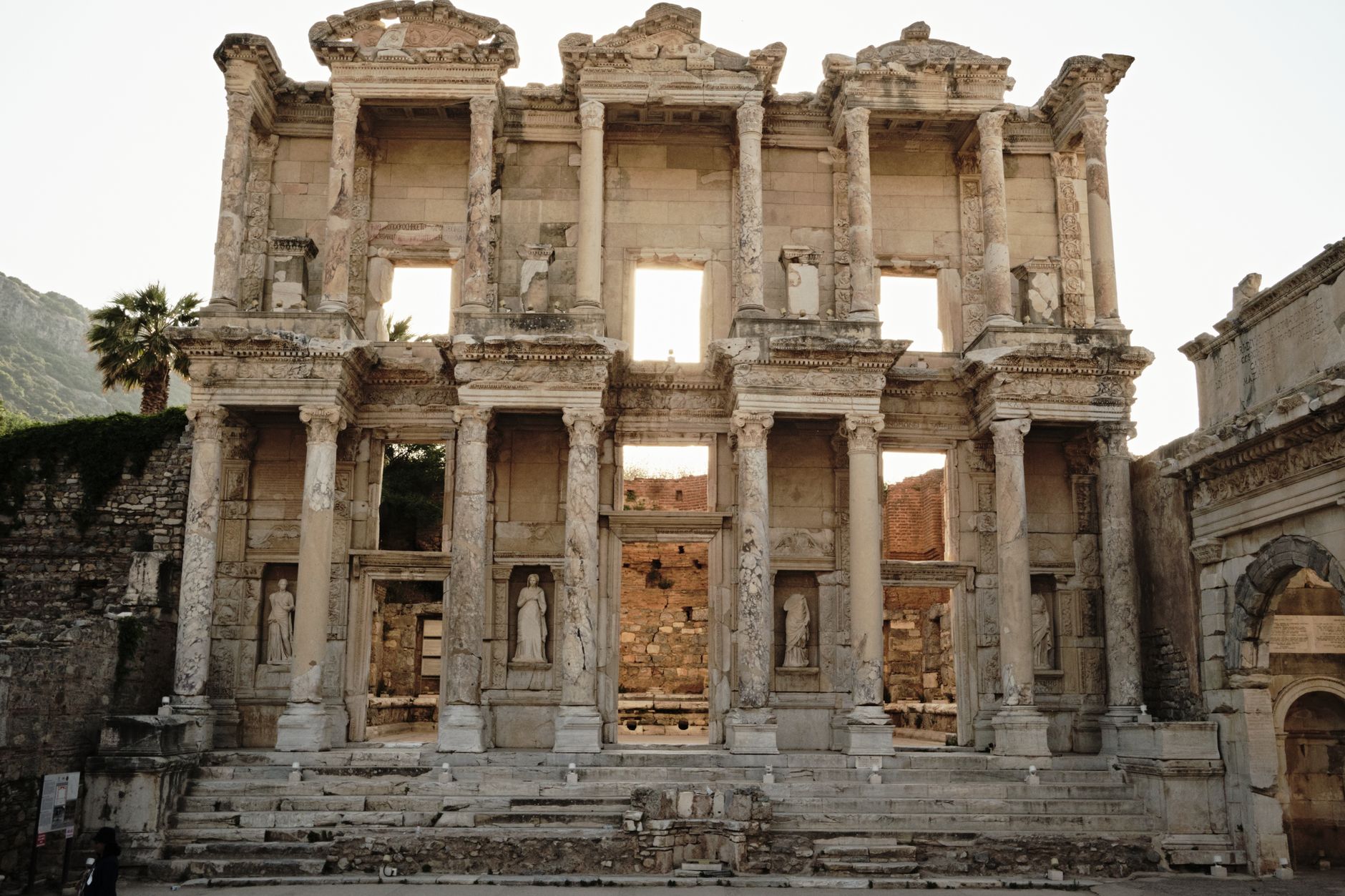
- Ephesus (2015) – Ancient Greek and Roman city near Selçuk, with the Library of Celsus and Great Theatre.
- Historic Areas of Istanbul (1985) – Including Hagia Sophia, Topkapı Palace, and the Blue Mosque.
- Göreme National Park and the Rock Sites of Cappadocia (1985) – Fairy chimneys, cave churches, and underground cities.
- Divriği Great Mosque and Hospital (1985) – Masterpiece of Islamic architecture in Sivas province.
- Hattusha: the Hittite Capital (1986) – Ancient Hittite capital near Boğazkale.
- Nemrut Dağı (1987) – Mount Nemrut with colossal statues of King Antiochus I.
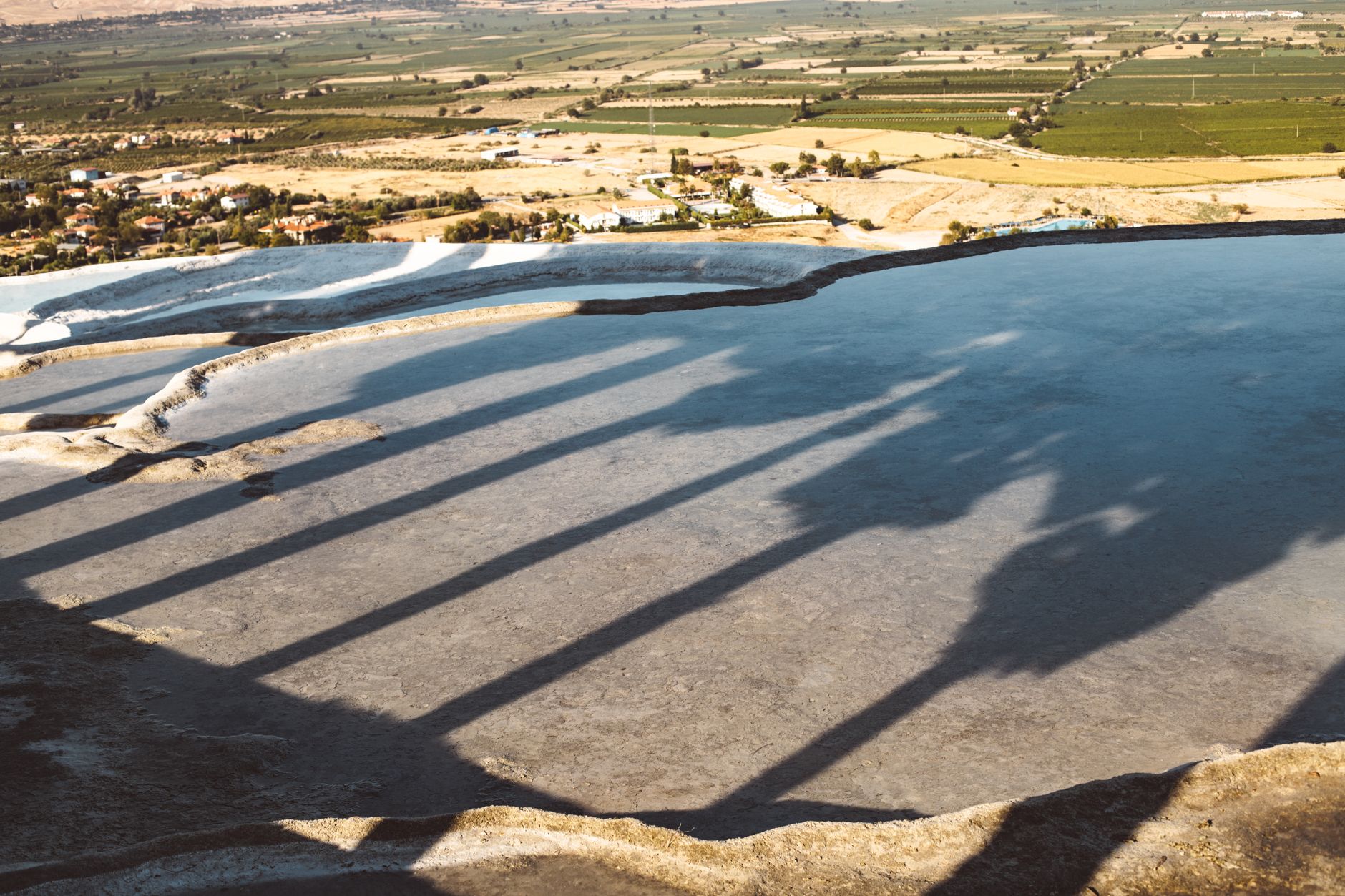
- Hierapolis-Pamukkale (1988) – Ancient spa city and white travertine terraces.
- Xanthos-Letoon (1988) – Lycian capital and sanctuary in Antalya province.
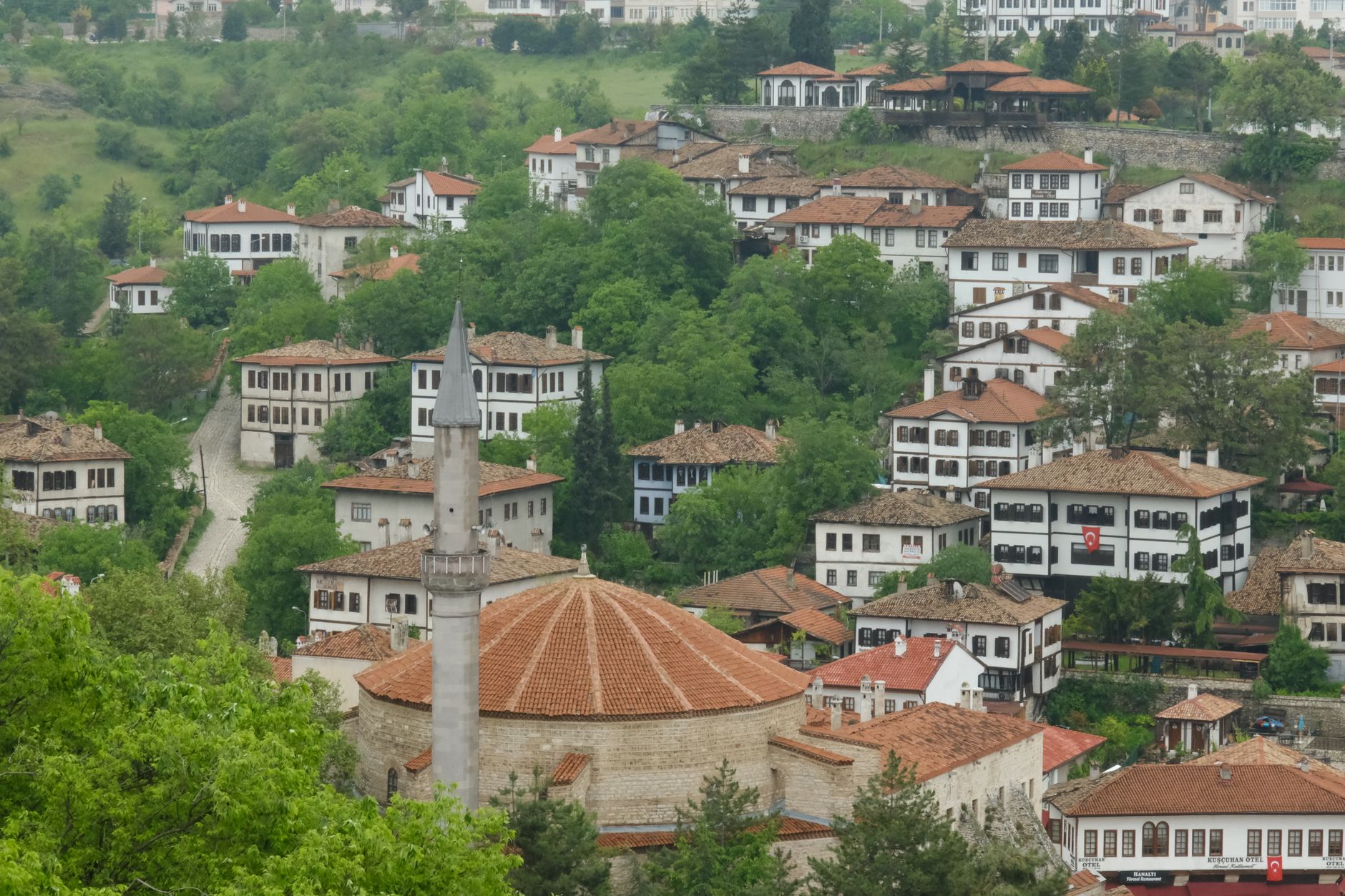
- City of Safranbolu (1994) – Well-preserved Ottoman town with traditional houses.
- Archaeological Site of Troy (1998) – Legendary city of the Trojan War.
- Selimiye Mosque and its Social Complex (2011) – Edirne's Ottoman masterpiece by Mimar Sinan.
- Neolithic Site of Çatalhöyük (2012) – One of the world's oldest proto-urban settlements.
- Pergamon and its Multi-Layered Cultural Landscape (2014) – Hellenistic acropolis and Roman healing center.
- Diyarbakır Fortress and Hevsel Gardens Cultural Landscape (2015) – Ancient walls and fertile gardens.
- Archaeological Site of Ani (2016) – Medieval Armenian city on the Silk Road.
- Aphrodisias (2017) – Ancient city dedicated to Aphrodite, with well-preserved stadium.
- Arslantepe Mound (2021) – Archaeological mound in Malatya with early palace and metal artifacts.
- Gordion (2023) – Capital of ancient Phrygia, with royal tumuli.
- Wooden Hypostyle Mosques of Medieval Anatolia (2023) – Five mosques in Afyonkarahisar, Ankara, Eskişehir, Konya, and Sivas.
- Gordion (2023) – Already listed; ensure not to duplicate.
Note: The list includes 21 sites as of 2026. Some sites like Göbekli Tepe and Arslantepe are relatively recent additions, reflecting Türkiye's ongoing efforts to document and protect its deep past.
Suggested Touring Order: A Logical Route Through Time and Geography
To cover all 21 sites efficiently, it's best to organize your trip into regional loops, starting from Istanbul and moving eastward or southward. Here's a suggested order that minimizes backtracking and maximizes your experience.
- Istanbul and Marmara Region: Start with the Historic Areas of Istanbul, then take a day trip to Edirne for the Selimiye Mosque. From Istanbul, you can also visit Bursa (not UNESCO but close) and then head to Safranbolu.
- Central Anatolia: From Safranbolu, travel to Ankara (for the Wooden Hypostyle Mosques), then to Çatalhöyük and Konya (for another wooden mosque). Continue to Cappadocia (Göreme) and then to Kayseri for the Divriği Great Mosque (though Divriği is in Sivas, it's accessible via a long day trip).
- Eastern Anatolia: From Kayseri, go to Sivas, then to Divriği. Continue east to Malatya (Arslantepe), then to Şanlıurfa (Göbekli Tepe), and finally to Diyarbakır. From Diyarbakır, you can visit Nemrut Dağı (though it's a bit far) or head to Ani near Kars.
- Southern and Aegean: Fly or drive to Antalya for Xanthos-Letoon, then to Pamukkale (Hierapolis), Aphrodisias, Ephesus, Pergamon, Troy, and finally Gordion near Ankara.
This order can be adjusted based on your starting point and time. A minimum of three weeks is ideal to cover all sites comfortably, but you can prioritize if time is limited.
Ticket Prices and Museum Pass Coverage
Most UNESCO sites in Türkiye are managed by the Ministry of Culture and Tourism and have entrance fees. As of 2026, ticket prices vary widely: major sites like Ephesus and Göbekli Tepe cost around 400-600 TL, while smaller sites like Arslantepe may be 200-300 TL. The Museum Pass Türkiye is a great value for frequent visitors. It costs approximately 2,500 TL and grants access to over 300 museums and sites for 15 days, including many UNESCO locations. However, note that some sites like Göbekli Tepe and Ephesus are included, while others like the Historic Areas of Istanbul are partially covered (Hagia Sophia is free, but Topkapı Palace requires a separate ticket).
For a full list of covered sites, check the official Museum Pass website. It's advisable to purchase the pass online in advance to skip queues. Also, consider the Istanbul Museum Pass if you're spending several days in the city.
Best Seasons to Visit
Spring (April to May) and autumn (September to October) are the best seasons for touring Türkiye's UNESCO sites. The weather is mild, crowds are manageable, and the landscapes are lush or golden. Summer (June to August) can be very hot, especially in the south and east, making sites like Göbekli Tepe and Nemrut Dağı challenging. Winter (November to March) brings cold and snow to eastern sites like Ani, but Istanbul and the Aegean coast remain relatively mild, though some sites may have shorter opening hours.
If you plan to visit all 21 sites, aim for a spring or autumn trip of at least three weeks. Coastal sites like Ephesus and Pamukkale are pleasant in early summer, while eastern sites are best in late spring or early autumn.
Combining Sites in One Region
Türkiye's geography allows you to cluster several UNESCO sites in one region. Here are some suggested combinations:
- Istanbul & Marmara: Historic Areas of Istanbul, Selimiye Mosque (Edirne), and Safranbolu (a few hours away).
- Central Anatolia: Göreme (Cappadocia), Çatalhöyük, Wooden Hypostyle Mosques (Ankara, Konya, etc.), and Divriği Great Mosque.
- Southeast Anatolia: Göbekli Tepe, Diyarbakır Fortress, Arslantepe, and Nemrut Dağı.
- Aegean & Mediterranean: Ephesus, Hierapolis-Pamukkale, Aphrodisias, Pergamon, Troy, Xanthos-Letoon, and Gordion.
By grouping sites, you can reduce travel time and costs. For example, based in Selçuk, you can visit Ephesus, Aphrodisias, and Pamukkale within a few days.
Practical Tips for Your UNESCO Journey
When visiting these sites, respect the rules: stay on designated paths, do not touch artifacts, and follow photography restrictions. Many sites have limited facilities, so carry water, sunscreen, and comfortable shoes. Hiring a local guide can enrich your experience, especially at sites like Göbekli Tepe and Hattusha where context is crucial.
Transportation between sites can be done by rental car, domestic flights, or long-distance buses. Türkiye has an extensive bus network, but for remote sites like Ani, a car is more convenient. Domestic flights connect major hubs like Istanbul, Ankara, Izmir, and Şanlıurfa, saving time.
Finally, embrace the local culture: enjoy Turkish cuisine, stay in boutique hotels in restored Ottoman houses, and engage with locals who are proud of their heritage. Türkiye's UNESCO sites are not just monuments; they are living testaments to a rich and layered history.
Conclusion: A Journey Through Millennia
Türkiye's 21 UNESCO World Heritage Sites offer an unforgettable journey through the annals of human history. From the Neolithic temples of Göbekli Tepe to the Ottoman elegance of Safranbolu, each site tells a story of innovation, faith, and artistry. With careful planning, you can traverse these wonders in a single grand tour or focus on regional clusters. The country's dedication to preserving its heritage ensures that these treasures will inspire travelers for generations to come. So pack your bags, respect the past, and set off on the adventure of a lifetime.
Thinking about a trip to Turkey?
Share your contact details and a vetted local expert will follow up with a plan built around you — free, no obligation.