
Why Türkiye's University Towns Deserve a Place on Your Itinerary
Most visitors to Türkiye follow the same arc: Istanbul, Cappadocia, the Aegean coast, maybe a stop in Antalya. Wonderful places, all of them — but they leave a whole layer of Turkish life untouched. The country has dozens of universities scattered across Anatolia, and around each one a city has grown livelier, more bookish and more affordable than its size would suggest.
A university town break in Türkiye means cheap and excellent food, cafés that stay busy until late, second-hand bookshops, small galleries, student theatre and concerts that cost almost nothing, and a street life that is curious rather than polished. It also means you are a guest in a place where foreign tourists are still a novelty, and where that novelty usually works in your favour: people have time for you.
This guide looks at four very different examples — Eskişehir, Bolu, Denizli and Erzurum — each reachable by train or intercity bus, each with its own character, and each genuinely budget-friendly. We also cover how student transport works, where the evening energy concentrates, and what the weather actually does in each season, because these are inland cities with real winters and hot summers, not mild coastal resorts.
If you are building a longer trip, these towns slot neatly into multi-stop routes; see our route ideas and itineraries for how to string them together without wasting days in transit.
Eskişehir: Cafés, Canals and the Most Youthful City in Central Anatolia
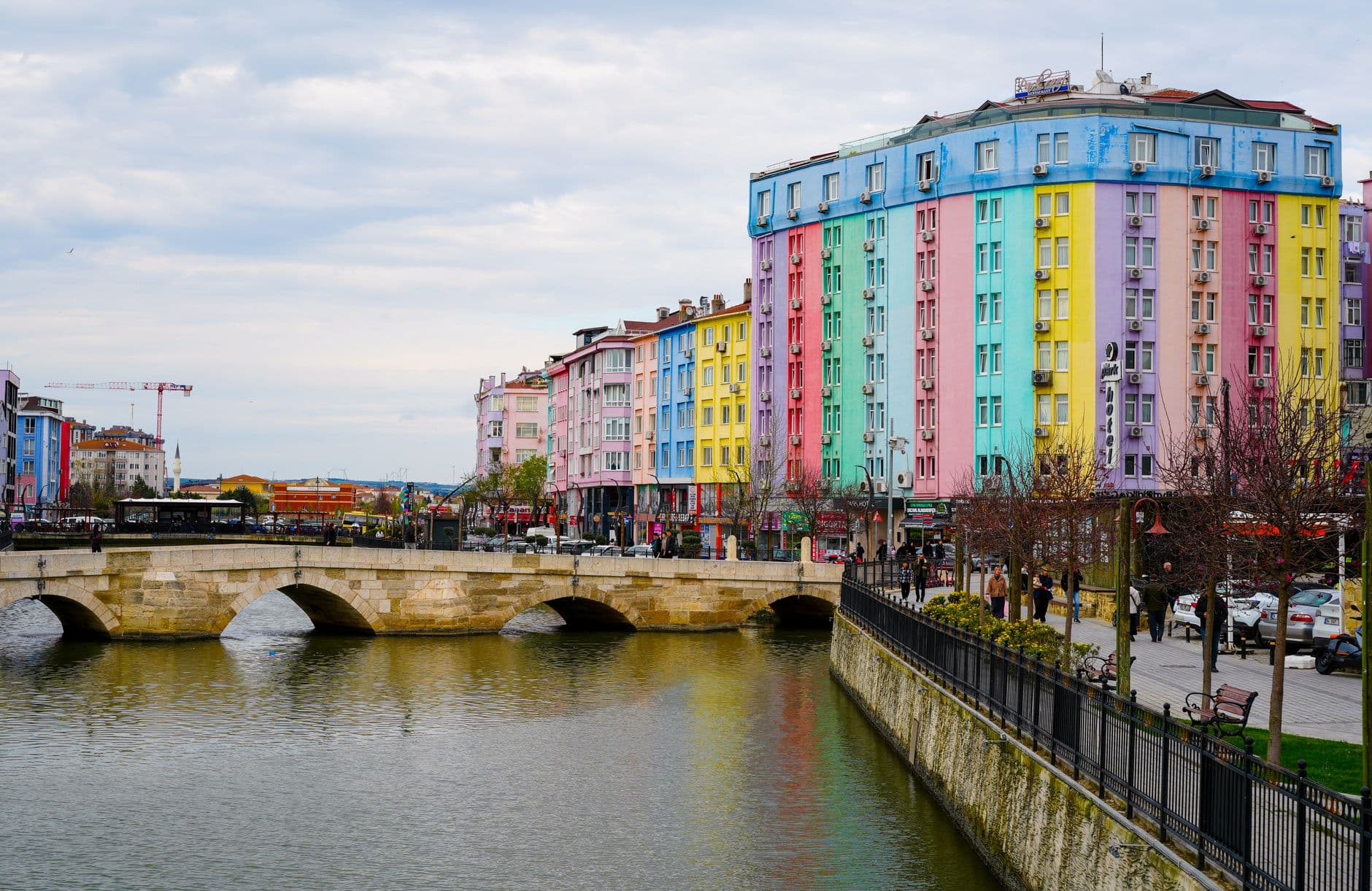
Eskişehir is the archetype of the Turkish university city, and the one most likely to steal your heart. Home to two large universities, Anadolu and Osmangazi, it has a student population in the hundreds of thousands and a city government that has leaned hard into making the centre pleasant: a restored Odunpazarı old quarter of timber houses and museums, a brook-side promenade lined with cafés, and a small fleet of graceful trams and boats on the Porsuk river.
The Porsuk embankment is the social spine of the city. Locals call the café strip along it "Adalar", and on a spring evening it feels like a festival that happens every day: students with laptops, families with ice cream, musicians busking, the boats sliding past. Coffee is cheap by Western European standards, and the range is huge — third-wave espresso bars, old-fashioned tea gardens, dessert shops selling dondurma and profiteroles.
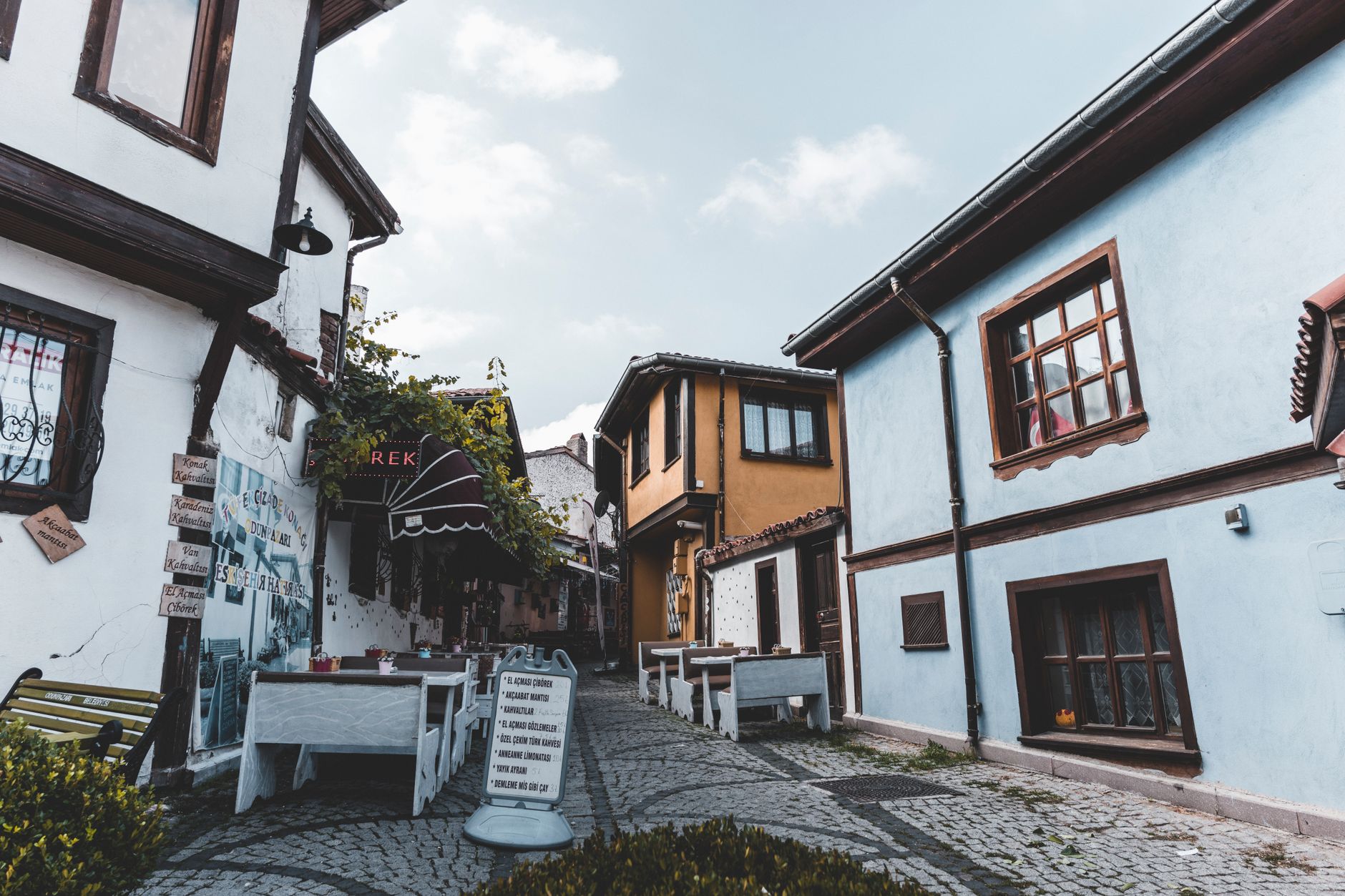
Odunpazarı, the old town, is where the bookish side shows itself: small museums of glass, wood and meerschaum (the local lüle taşı, carved into pipes and ornaments for centuries), independent shops, and craftspeople working in courtyards. Eskişehir is also unusual in Türkiye for its cultural density: a symphony orchestra, an opera house, film festivals and a genuinely active student theatre scene, much of it free or very cheap.
Seasonal reality check: Eskişehir sits on the Central Anatolian plateau at roughly 800 metres, so summers are hot and dry (well into the 30s Celsius in July and August) and winters are cold, with snow and frequent sub-zero nights from December to February. Spring and autumn are the sweet spots — April to June and September to October — when the embankment is at its best.
Bolu: Mountain Air, Student Energy and the Greenest Break in the North-West
Bolu is the quiet overachiever of this list. A small city on the old Anatolian highway between Istanbul and Ankara, it is surrounded by forested mountains, and its university — Bolu Abant İzzet Baysal — has given the centre a young, easy-going rhythm that surprises travellers who only know it as a petrol stop.
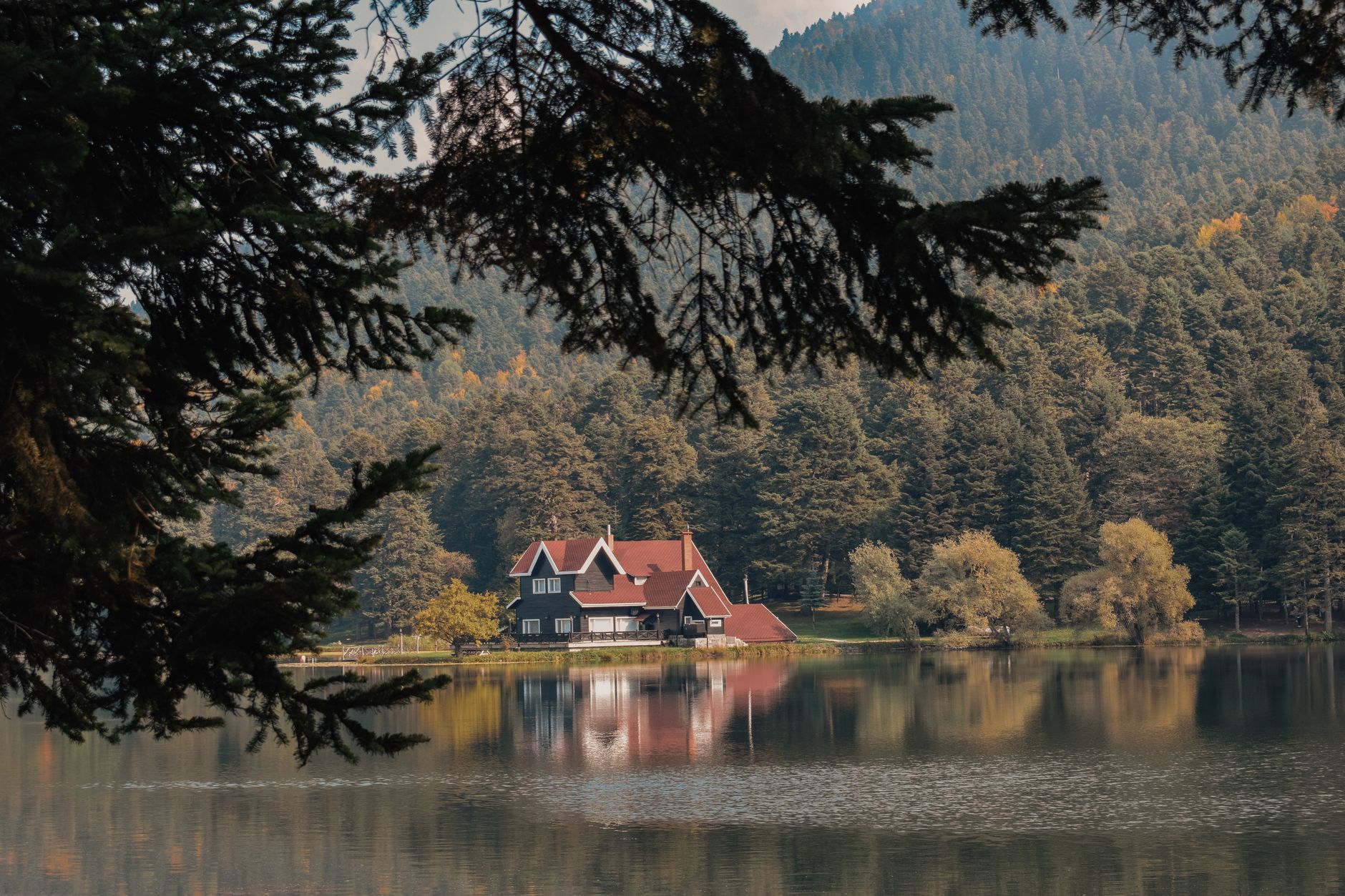
What makes Bolu distinctive is the combination: a compact, walkable downtown full of cheap esnaf lokantası (tradesmen's restaurants) serving home-style stews, a lively student quarter with tea houses and cafés, and, within an hour, some of the best mountain scenery in the region. Lake Abant and Lake Yedigöller (the "Seven Lakes") are the classic excursions, best in spring and early autumn; in winter the mountains turn white and the local ski area at Kartalkaya draws domestic visitors.
Bolu is also a food destination in disguise. The province is famous for its own style of mengen cooking, for roast chicken, for chestnut honey and for köy (village) breakfasts laid out with dozens of small plates. Eating well here costs very little, which is exactly why students stay.
Weather is a serious consideration: Bolu is high and forested, winters are cold and snowy, and even in summer evenings can be cool. Mid-summer is warm and green and wonderful; late autumn is misty and atmospheric; January and February are for people who like snow.
Denizli: Textiles, Travertines and a Student City with a Roman Past
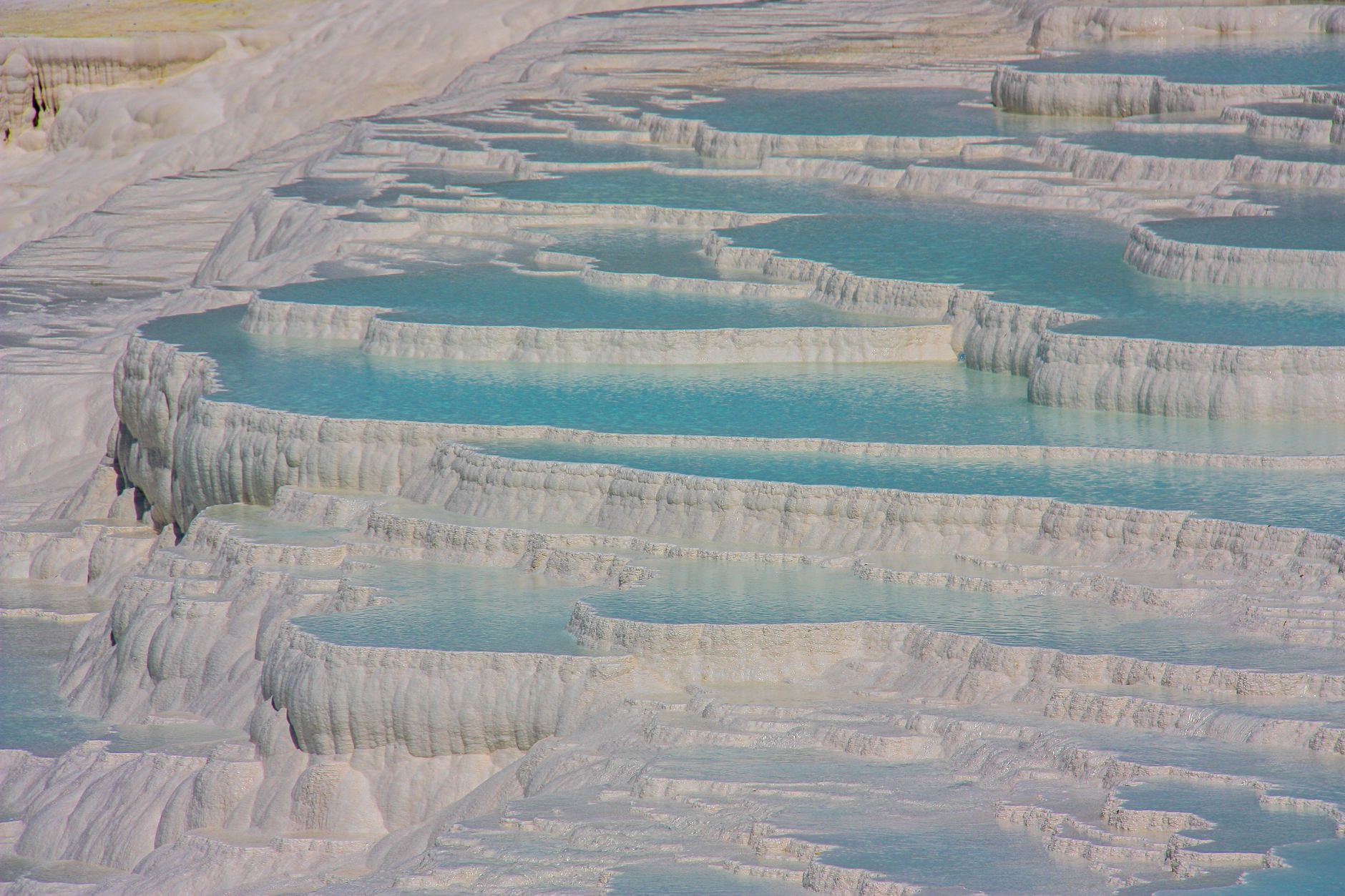
Denizli is best known as the gateway to Pamukkale and the white travertine terraces of Hierapolis, but the city itself — a textiles and industrial centre with a large university, Pamukkale Üniversitesi — has its own life and its own appeal for budget travellers. It is a working Anatolian city, unpretentious, cheap to eat in, and increasingly well supplied with cafés around the campus and the central Çınar area.
The student presence gives the centre a young texture: tea gardens under the plane trees, tost and kokoreç stands at night, bookshops, and a busy programme of university concerts and exhibitions. Denizli is also a good base for a surprisingly rich day of sightseeing: the ancient city of Laodikeia is practically on the edge of town, Hierapolis and Pamukkale are a short bus ride away, and the nearby village of Çal is known for its vineyards and wine production.
Because so much of the tourist traffic to Pamukkale is day-trippers, Denizli's hotels are cheaper than you would expect for a city of its size, and its restaurants serve real local food rather than resort menus. That makes it one of the best value overnight stops in western Türkiye.
Denizli has an inland, continental climate with a Mediterranean flavour: hot dry summers (often above 35°C in July and August), mild springs, and cold but usually short winters with occasional snow. Spring and autumn are ideal; in high summer, plan sightseeing for early morning and late afternoon.
Erzurum: Winter Cold, Winter Sports and a Deeply Bookish Student Culture
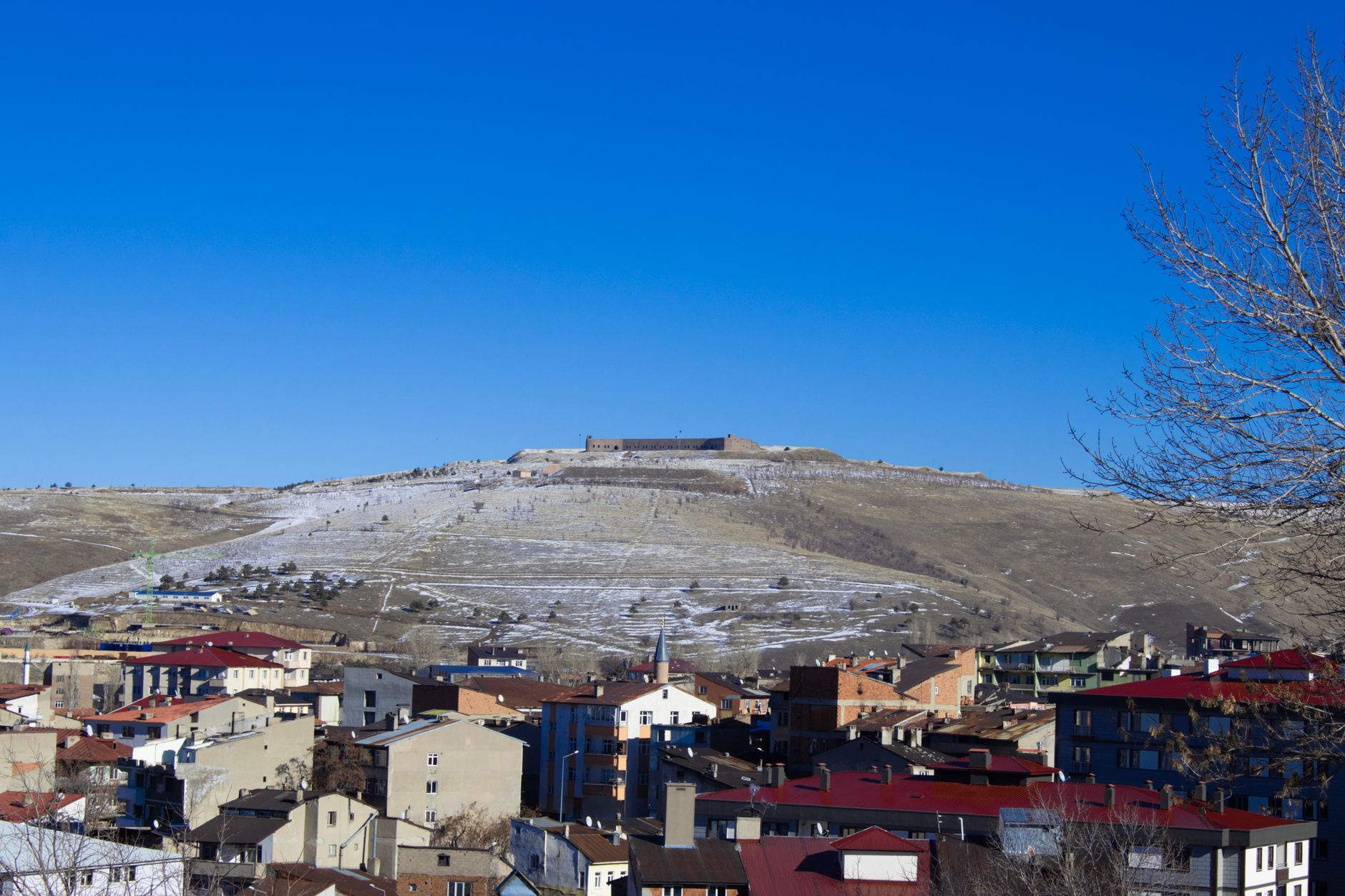
Erzurum is the boldest choice on this list, and the most rewarding for travellers who want something genuinely different. At around 1,900 metres in eastern Anatolia, it is one of the highest and coldest cities in Türkiye — winter temperatures routinely drop well below -10°C and snow lies for months — but it is also a major university city, home to Atatürk University, and it has a cultural confidence that comes from centuries as a regional capital.
What makes Erzurum distinctive is the contrast: Seljuk and Ottoman monuments in dark stone, including the Çifte Minareli Medrese and the Yakutiye Medrese, standing beside modern campuses; a serious winter sports tradition (the 2011 Winter Universiade left the city with world-class ski facilities at Palandöken, and the ski season runs roughly from December to March); and a student café culture that becomes intensely cosy when the cold sets in.
Culinary highlight: cağ kebabı, Erzurum's horizontally roasted lamb kebab, is a reason to visit on its own, along with local kadayıf and a very serious tea-drinking habit. Cafés and bookshops near the university and around Cumhuriyet Caddesi fill up with students even in the depths of winter.
Season advice matters here more than anywhere: visit in summer (June to September) for hiking, monuments and mild days; visit in February for skiing and a snow-covered, lantern-lit old town. Spring and late autumn are unpredictable — beautiful one day, bitter the next.
Getting Around Like a Student: Transport That Fits a Small Budget
Türkiye's intercity network is one of the country's quiet triumphs for budget travellers. Eskişehir and Denizli are both on the high-speed rail network — Eskişehir is a short, cheap YHT ride from both Istanbul and Ankara, and Denizli is served by rail and by frequent buses from İzmir. Bolu is reached by intercity bus on the Istanbul–Ankara corridor; Erzurum has an airport and long-distance buses. Booking through national bus operators or the state railway app is straightforward, and tickets bought a day or two ahead are rarely a problem outside major holidays.
Once you arrive, these cities reward walking. All four have compact centres, and the student districts are close enough to reach on foot. City buses and minibuses (dolmuş) are inexpensive, and most university cities now have reloadable transit cards that work across buses and trams — Eskişehir's tram system is especially useful. The travel tools section has planning aids for comparing transport options.
Two practical tips: carry some cash for small dolmuş fares and market stalls, and be aware that student-friendly places often give a discount with a student card — as a visitor you will rarely qualify, but prices are already low. For broader guidance on when to go and what the weather does across the country, see our best-time guide.
Evening Districts, Cafés and Bookshops: Where the Youthful Life Happens
In each of these towns, the evening energy concentrates in a fairly small area, and finding it is half the fun. In Eskişehir, head for the Porsuk embankment and the lanes around Odunpazarı; in Bolu, the streets around the university and the central square; in Denizli, the tea gardens near Çınar and the busy student streets off the main boulevards; in Erzurum, the cafés around Cumhuriyet Caddesi and the campus approaches.
What you will find there is not nightlife in the clubbing sense (though each city has its bars) but something more appealing: long conversations over tea, board-game cafés, small live-music venues, student theatre performances, and bookshops that double as coffee houses. This is where Türkiye's warm, curious social culture is at its most accessible — expect to be asked where you are from, offered tea, and occasionally pulled into a conversation that lasts two hours.
In a Turkish university town, the cheapest night out is almost always the best one: tea, a book, a walk along the water, and three new friends.
For more on the cultural texture of the country, our blog and guides cover everything from local etiquette to regional food. If you would rather have a route assembled for you, our planner can help.
Practicalities: Costs, Etiquette and What to Expect
None of these cities will strain your budget. Expect accommodation to be significantly cheaper than Istanbul or the Aegean resorts, meals at local restaurants to be modest, and cultural events — concerts, student plays, university exhibitions — to be free or close to it. A comfortable mid-range day here typically costs a fraction of a day in a tourist centre.
Etiquette is straightforward and generous: greet shopkeepers, accept tea when offered, take your shoes off when entering a home, dress a little more conservatively in Erzurum than on the Aegean coast, and learn a few Turkish phrases — they will be rewarded. In Erzurum and Bolu in winter, pack properly: insulated boots, a real coat, layers.
Finally, if you are combining these towns with the better-known sights, our destinations pages and FAQ cover the logistics, and our local experts can help with the details. The point of these places is not to tick them off — it is to slow down, drink tea, and let a city of students show you a side of Türkiye that most visitors never meet.
Thinking about a trip to Turkey?
Share your contact details and a vetted local expert will follow up with a plan built around you — free, no obligation.