

An Invitation into the Heart of Turkish Hospitality
In Türkiye, hospitality is not a job; it is a sacred duty and a source of deep pride. The Turkish phrase misafirperverlik—hospitality—governs how strangers are treated, especially in rural villages where the arrival of a visitor is a cause for celebration. Nowhere is this warmth more palpable than at a village wedding or a seasonal festival. If you happen to be traveling through the countryside and a local invites you to join their cousin's wedding, they mean it. This is not polite formality; it is an open-hearted invitation to share in one of the most important days of their lives.
For respectful travelers, accepting such an invitation can become the highlight of an entire trip. You do not need to know the bride or groom. You do not need to speak fluent Turkish. What matters is your willingness to participate with an open mind and a grateful heart. In return, you will witness traditions passed down through generations, taste homemade feasts, and dance under the stars with people who will treat you like family.
This guide will walk you through the most common celebrations you might encounter—village weddings, henna nights, and harvest festivals—and offer practical advice on etiquette, gifts, and dress so you can join the joy without causing offense. Remember: the key is respect, curiosity, and a genuine smile.
Village Weddings: A Multi-Day Celebration of Community
Unlike the formal, hour-long ceremonies common in cities, a traditional Turkish village wedding can last three days or more. It usually begins with the kına gecesi (henna night) for the bride, followed by the main wedding day, and often concludes with a post-wedding breakfast or gathering. The entire village participates, and everyone is welcome—including curious outsiders.
The wedding day itself is a whirlwind of music, food, and dance. A local band with drums (davul) and shawm (zurna) leads processions through the village streets. The bride, dressed in a red or white gown adorned with gold coins and ribbons, is often accompanied by women singing laments and blessings. The groom arrives with his family and friends, sometimes riding a horse or in a decorated car. The atmosphere is electric, mixing solemnity with raucous joy.
As a visitor, you will likely be pulled onto the dance floor. Do not resist! The halay, a line dance performed by holding hands or fingers, is easy to learn by watching others. Even a clumsy attempt will be met with cheers and laughter. If you are unsure, stand near the edge and clap along—someone will inevitably grab your hand and guide you into the line. The important thing is to participate with good humor.
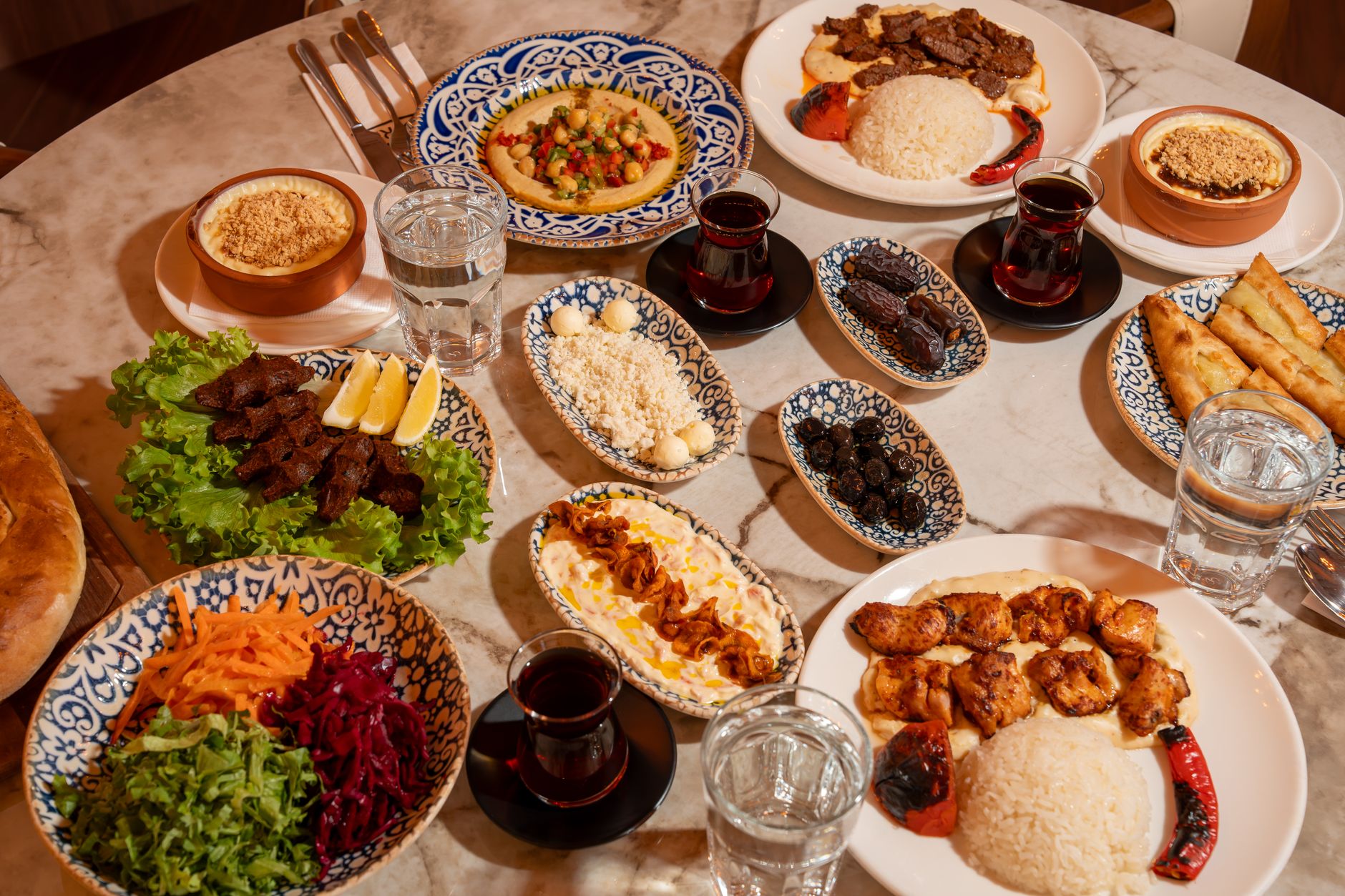
Food is central to the celebration. Expect long tables laden with kebabs, rice pilaf, stuffed grape leaves, fresh salads, and mountains of baklava. In some regions, a communal dish like keşkek (a hearty wheat and meat porridge) is prepared in giant cauldrons and served to all. Do not refuse food or drink; accepting what is offered is a sign of respect. If you have dietary restrictions, politely explain—but try to eat at least a little of what is placed before you.
Henna Night: An Intimate Ritual of Sorrow and Joy
The kına gecesi, or henna night, is typically held the evening before the wedding. It is a women-only event in many villages, though in some regions men may join later. The bride, dressed in a richly embroidered velvet gown, is brought to the center of the room. A tray with a lit candle, henna paste, and coins is presented. As the henna is applied to the bride's palms, women sing traditional laments—ağıtlar—that express the sorrow of leaving one's family, mixed with hopes for happiness in the new home.
If you are a female traveler and are invited to a henna night, consider it a great honor. You will be welcomed with tea, sweets, and warm embraces. The bride's mother or an elder may offer to put a small dot of henna on your palm as a gesture of inclusion. Accept it. The henna symbolizes blessing and protection, and receiving it means you are considered a guest of honor.
Do not take photos unless you see others doing so. Some families are conservative and prefer privacy, especially during emotional moments. If you wish to take pictures, ask the bride or a family elder first. A simple “Fotoğraf çekebilir miyim?” (May I take a photo?) will show your respect. Often, they will happily pose with you.
The henna night can be deeply emotional. You may see tears, not just of sadness but of joy and pride. It is a liminal moment—a daughter leaving one family to join another. Your role as a visitor is to bear witness with quiet respect, to smile, and to clap when others clap. You are not an outsider but a temporary member of the community.
Harvest Festivals and Seasonal Celebrations
Beyond weddings, rural Türkiye celebrates the rhythms of the land with harvest festivals, known variously as hasat şenliği or panayır. These events honor crops like grapes, olives, wheat, and hazelnuts, and they are often tied to ancient traditions. In the Aegean region, grape harvest festivals feature wine tasting, folk dances, and the crowning of a harvest queen. In the Black Sea region, hazelnut festivals bring together entire towns for parades, concerts, and feasts.
One of the most famous is the Kırkpınar Yağlı Güreş festival in Edirne, a historic oil-wrestling tournament that dates back to the 14th century. While not strictly a harvest festival, it is a celebration of strength and community that draws visitors from across Türkiye. Similarly, the Mesir Macunu festival in Manisa, held each spring, commemorates a healing paste made of 41 spices. Crowds gather as the paste is thrown from the minaret of the Sultan Mosque—catching a piece is said to bring health and good luck.
At any harvest festival, you will find open-air markets, traditional crafts, and endless food stalls. This is an excellent opportunity to try regional specialties like gözleme (stuffed flatbread), kokoreç (grilled lamb intestines), or kestane kebap (roasted chestnuts). Vendors are generous with samples, and a few words of appreciation in Turkish—“Çok lezzetli!” (Very delicious!)—will earn you a beaming smile.
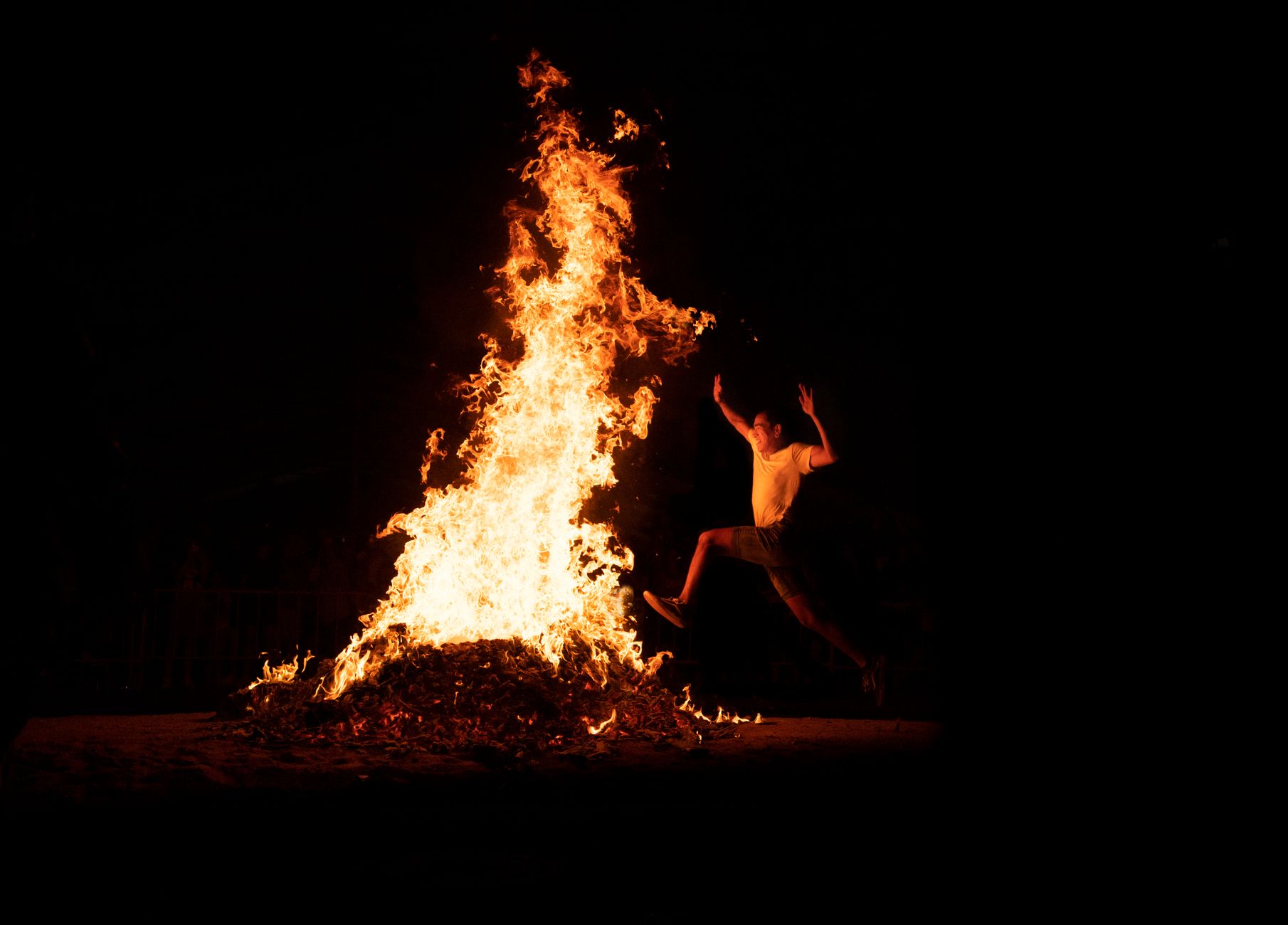
If you happen to be in a village during the Hıdırellez spring festival (May 5-6), you will witness fires being jumped for good luck, wishes tied to trees, and picnics that last all day. This celebration of the arrival of spring is pre-Islamic in origin but widely practiced across Anatolia. Visitors are welcome to join the jumping, the eating, and the general merriment.
Gift-Giving and Etiquette: How to Show Respect
If you are invited to a wedding or festival, it is customary to bring a small gift. In villages, the most appreciated gifts are practical and thoughtful rather than expensive. A box of high-quality Turkish delight (lokum), a tin of loose-leaf tea, or a bouquet of flowers for the bride are all appropriate. If you are attending a henna night, a small bottle of perfume or a decorative scarf for the bride is a lovely gesture. Cash gifts, known as takı, are common at weddings—guests pin money or gold coins onto the bride and groom's clothing during a special ceremony. If you wish to participate, ask a family member to help you pin a small bill or a coin. The amount does not matter; the gesture does.
Dress modestly, especially in conservative rural areas. Women should avoid low-cut tops, short skirts, or tight clothing. A long skirt or loose trousers with a modest blouse is ideal. Bring a shawl or scarf to cover your head when entering a mosque or during religious rituals. Men should wear collared shirts and long trousers; shorts are generally not appropriate at formal celebrations. Comfortable shoes are a must, as you may be standing, dancing, or walking on uneven ground for hours.
When you arrive, greet the elders first. A handshake is fine for men; for women, a slight nod and a smile is respectful. In more traditional settings, men and women may not shake hands across genders. Follow the lead of those around you. If you are offered food or tea, accept it with your right hand and say “Teşekkür ederim” (Thank you). Do not start eating before the elders or the hosts have begun. When leaving, thank your hosts personally and say goodbye to as many people as you can. A simple “Allah razı olsun” (May God be pleased with you) is a beautiful way to express gratitude.
Photography requires sensitivity. Always ask before taking pictures of people, especially women and children. Some families are happy to pose; others prefer not to be photographed. Respect their wishes without hesitation. If you are unsure, put your camera away and simply enjoy the moment. The memories you make will be richer than any photo.
Language Basics and Cultural Nuances
You do not need to speak Turkish to join a village celebration, but a few words will go a long way. Learn to say “Merhaba” (Hello), “Nasılsınız?” (How are you?), “Çok güzel” (Very beautiful), and “Afiyet olsun” (Enjoy your meal). When someone offers you something, “Evet, lütfen” (Yes, please) or “Hayır, teşekkür ederim” (No, thank you) will suffice. Do not worry about perfect grammar; the effort itself is what matters.
Be aware of cultural sensitivities. Public displays of affection between unmarried couples are frowned upon in rural areas. Avoid political or religious debates. If someone asks you personal questions about your marital status, children, or income, understand that this is not rudeness but a genuine attempt to get to know you. You can answer vaguely if you prefer. Also, be mindful of gender dynamics: in some villages, men and women celebrate in separate spaces, especially during dancing. If you are a woman, you may be invited to dance with the women; if you are a man, stick with the men unless invited otherwise.
Alcohol may or may not be present. In conservative villages, it is often absent. Do not bring alcohol as a gift unless you are certain it is welcome. Instead, opt for sweets, tea, or a small houseplant. If you are offered rakı or wine in a more liberal setting, you may accept or decline politely. Never pressure others to drink.
Finally, remember that you are a guest in someone's home and community. Your presence is a privilege, not a right. Be humble, be grateful, and be ready to laugh at yourself. If you make a mistake—and you will—apologize sincerely and move on. Rural Turks are incredibly forgiving and will often turn your faux pas into a joke to make you feel at ease.
Why These Experiences Matter
In an age of packaged tours and curated experiences, joining a real village wedding or harvest festival is a rare chance to connect with authentic Turkish culture. You are not a spectator; you are a participant in a living tradition. You will eat food cooked with love, dance until your feet ache, and perhaps shed a tear during a henna night lament. You will be invited into homes, offered tea, and asked to share your story. In return, you will carry away memories that no museum or monument can provide.
More importantly, you will experience the profound generosity of rural communities. In a world often divided by language, religion, and politics, a village wedding reminds us of our shared humanity. The joy of a bride, the pride of a father, the laughter of children—these are universal. When you accept an invitation, you are saying yes to that universality. You are saying, “I am here. I want to understand. I want to celebrate with you.”
So if you find yourself in Türkiye's countryside and someone waves you over to join the dancing, do not hesitate. Step into the circle. Hold hands with strangers who will become friends. Let the music carry you. And when you leave, carry a piece of that warmth in your heart. That is the true gift of Turkish hospitality—and it will stay with you long after your journey ends.
Thinking about a trip to Turkey?
Share your contact details and a vetted local expert will follow up with a plan built around you — free, no obligation.