

Why Türkiye's Wine Country Is Made for Slow, Romantic Weekends
Türkiye is one of the oldest wine-growing lands on earth — archaeologists trace vine cultivation here back some six thousand years — and yet for decades most visitors drank their way through the country without ever meeting a grower. That is changing fast. Across the Aegean coast and the rolling hinterland of Thrace, a new generation of family wineries has opened small guesthouses, converted stone farmhouses and hillside cottages right beside their vineyards, turning the harvest into an intimate, unhurried weekend escape.
The appeal is simple and deeply romantic. You wake to the sound of pickers moving through the rows, share breakfast of village cheese, olives and tomatoes with the family who owns the land, spend the morning walking vine terraces with the winemaker, and sit down to a long table dinner as the light turns gold. No crowds, no coach parties, no tasting-room queues — just cellar doors opened by people who would rather talk about soil than sell you a bottle.
Harvest in Türkiye generally runs from late August in the warmest Aegean pockets through to early October in cooler, higher sites in Thrace. Because the country's wine scene is still small-scale and boutique, harvest weekends are usually announced late, hosted by individual estates, and capped at a few dozen guests. That intimacy is exactly what makes them special — and exactly why planning ahead matters.
Whether you are a curious beginner or a collector chasing indigenous grapes you cannot find anywhere else, this guide maps the two great wine regions within easy reach of Istanbul and Izmir, explains tasting etiquette, and shows you how to book the small guesthouses that make a harvest weekend feel like a stay with friends.
The Aegean: Bozcaada, Urla and the Vineyards Above the Sea
The Aegean is Türkiye's most established fine-wine belt, cooled by steady island breezes that keep grapes fresh even in a hot summer. Its star is Bozcaada, a small island off the coast near Çanakkale where vineyards, windmills and cobbled Greek-Turkish villages sit shoulder to shoulder. Local growers here are rightly proud of their indigenous grapes — the red Karasakız and the white Vasilaki — and several family estates open small guesthouses among the vines for the harvest.
On the mainland, the Urla peninsula south of Izmir has become the country's most exciting boutique wine district. Old stone olive-and-grape farmhouses have been reimagined as design-led vineyard hotels, and the surrounding villages host lively harvest festivals with market stalls, folk music and open cellar doors. Nearby, the ancient ruins of Erythrae and the beaches of Çeşme give non-drinking companions plenty to do.
Further inland, the rolling hills around Manisa and the slopes of the Gediz valley are home to some of the country's largest and most historic producers, several of which now run elegant guesthouses and offer harvest tours, blending demonstrations and long vineyard lunches. The Aegean's dry, sunny climate makes this a wonderfully reliable region for a late-summer escape — and the sea is never more than an hour away.
Thrace: The Quiet, Historic Heart of Turkish Winemaking
Thrace, the European corner of Türkiye stretching west and north of Istanbul, is the country's oldest continuously wine-producing region and its best-kept secret. Rolling sunflower plains give way to vine-covered hills around Tekirdağ, Şarköy and the Gelibolu peninsula, where family estates combine modern cellars with centuries of tradition. The local red grape Papazkarası and the white Yapıncak are the region's signature varieties, and growers here love to pour them alongside stories of Ottoman-era vineyards.
What makes Thrace so appealing for a romantic weekend is proximity: you can leave Istanbul in the morning and be walking between vine rows by lunchtime. The region's estates are intimate and often family-run, with guesthouses of a handful of rooms, terraces overlooking the vines and dinners of grilled fish, lamb and local cheeses paired with the estate's own bottles. Coastal villages around Şarköy add sea views and long pebble beaches to the mix.
Thrace's harvest tends to come a little later than the Aegean's, often peaking in September and spilling into October, which makes it a superb option for a long weekend when the summer crowds have thinned. Several estates here host open harvest days with grape-picking for guests, traditional pekmez (grape molasses) making demonstrations and music into the evening — a warm, communal celebration of the year's work.
What a Harvest Weekend Actually Looks Like
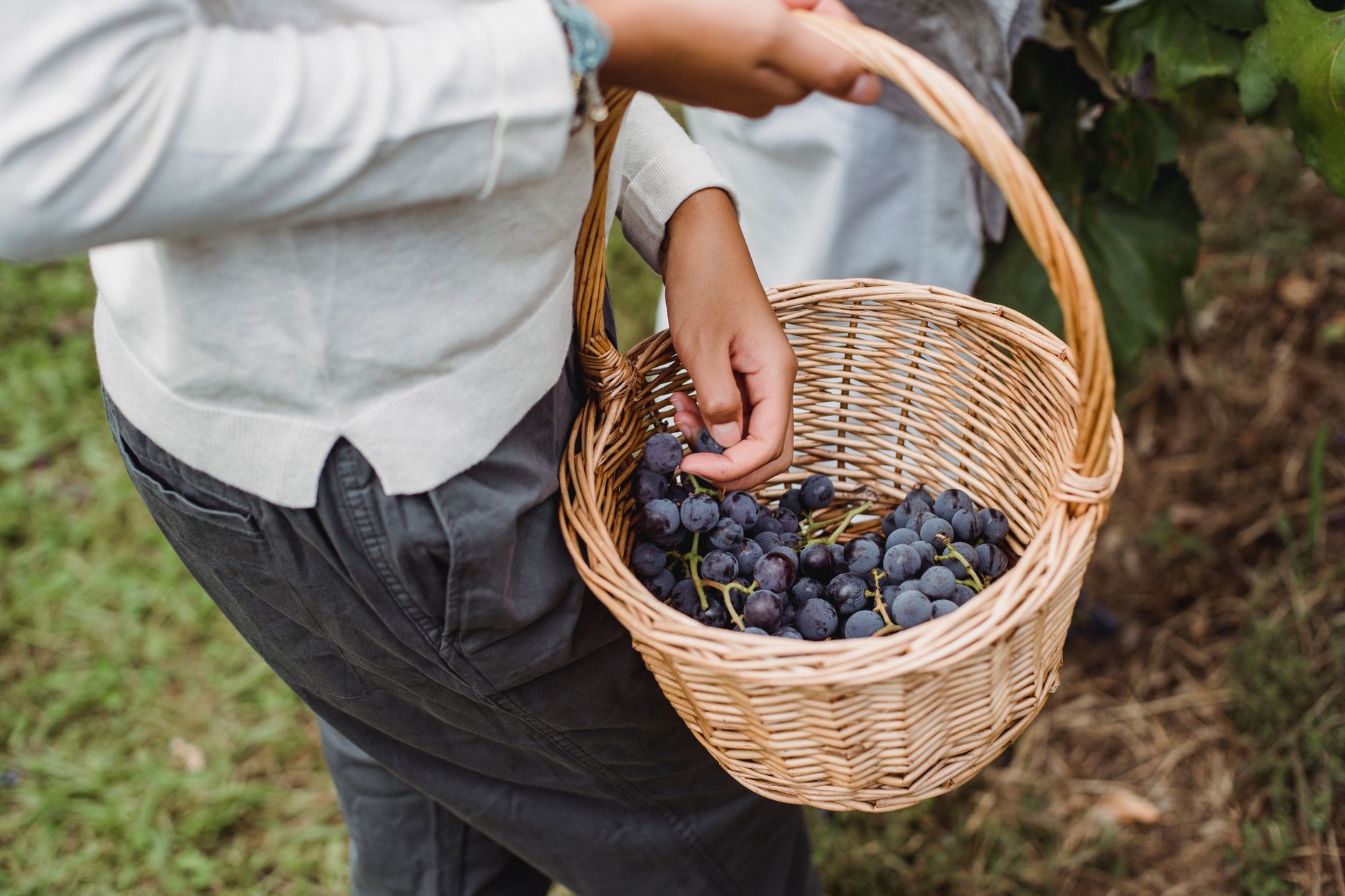
A typical boutique harvest weekend unfolds gently. You arrive on a Friday afternoon, settle into a stone cottage or vine-facing room, and are welcomed with a glass of something cold and a walk through the estate. Saturday begins early if you join the picking — an optional but unforgettable experience — with baskets, secateurs and the cheerful chatter of the harvest crew. Many guests simply watch from the terrace with coffee, which is equally welcome.
Mid-morning usually brings a cellar tour: the winemaker explains fermentation, shows you the stainless-steel tanks or clay amphorae, and lets you taste juice at different stages. Lunch is long and communal, often under a fig tree or a vine pergola, with dishes cooked by the family — stuffed vine leaves, grilled vegetables, slow-baked lamb — matched to the estate's wines.
Afternoons are for wandering, swimming if you are near the coast, or napping. The main event is the harvest dinner: a generous, celebratory table where growers, neighbours, seasonal workers and guests eat together, toast the new vintage and, in many estates, finish with live music or a grape-stomping session that is far more fun than it sounds.
Sunday tends to be relaxed — a late breakfast, a final tasting, perhaps a short drive to a neighbouring village or an ancient site — before you head home with a bottle or two tucked in your bag and a new favourite grape on your mind. The pace is deliberately slow; the point is connection, not ticking off tastings.
Tasting Etiquette and Getting the Most from Cellar Doors
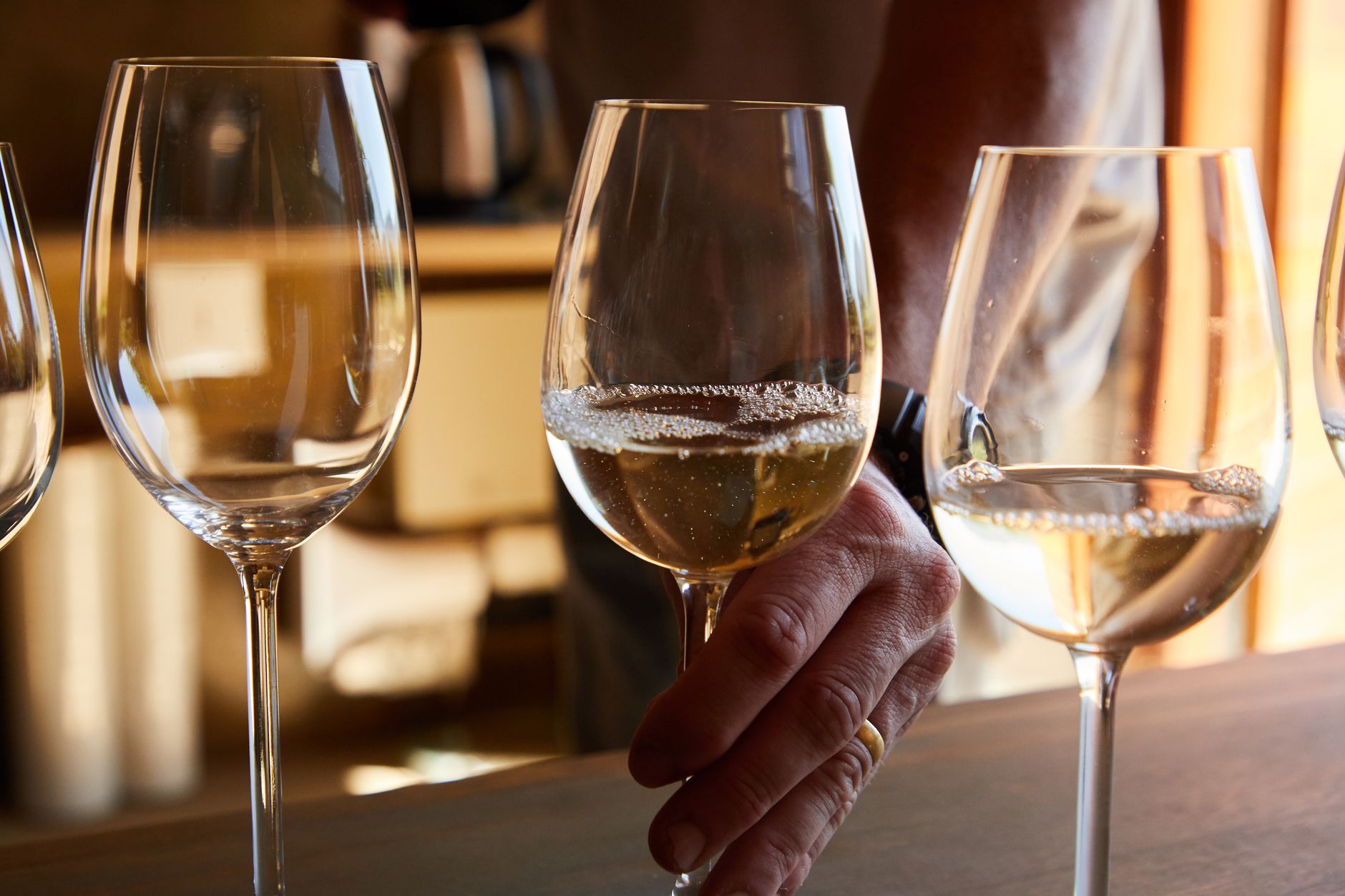
Turkish wine hospitality is generous and informal, but a little etiquette goes a long way. Always accept the first pour and taste it before commenting; a simple şerefe ("cheers") is warmly received. Spitting is perfectly acceptable at a tasting if you want to pace yourself, though many small estates will simply pour modest glasses and expect you to enjoy them. Never help yourself to a second bottle without asking, and ask before wandering into the cellar or between the vines during harvest.
Genuine curiosity is the currency of the cellar door. Ask about the grape variety, the soil, the vintage and the family's history — growers are typically delighted to explain indigenous grapes like Karasakız, Vasilaki, Papazkarası and Yapıncak to interested visitors, and many will pour something extra if the conversation is warm. Buying a bottle or two to take home is the polite way to say thank you, and it directly supports the people who made your weekend possible.
A few practical notes: pace yourself across the day and drink plenty of water; eat the bread and local cheese offered between tastings; and remember that driving after tasting is not an option — choose a guesthouse within walking distance of the cellar or arrange a local transfer. If you are visiting during harvest, expect the estate to be busy and a little dusty, and dress accordingly in comfortable shoes and layers that can handle warm days and cool evenings.
Tipping is not obligatory at a guesthouse, but a small gratuity for staff who look after you at a long dinner is appreciated. Finally, remember that many small estates have limited English — a few words of Turkish and a smile open more doors than any guidebook.
Booking Boutique Guesthouses: How to Plan Your Stay
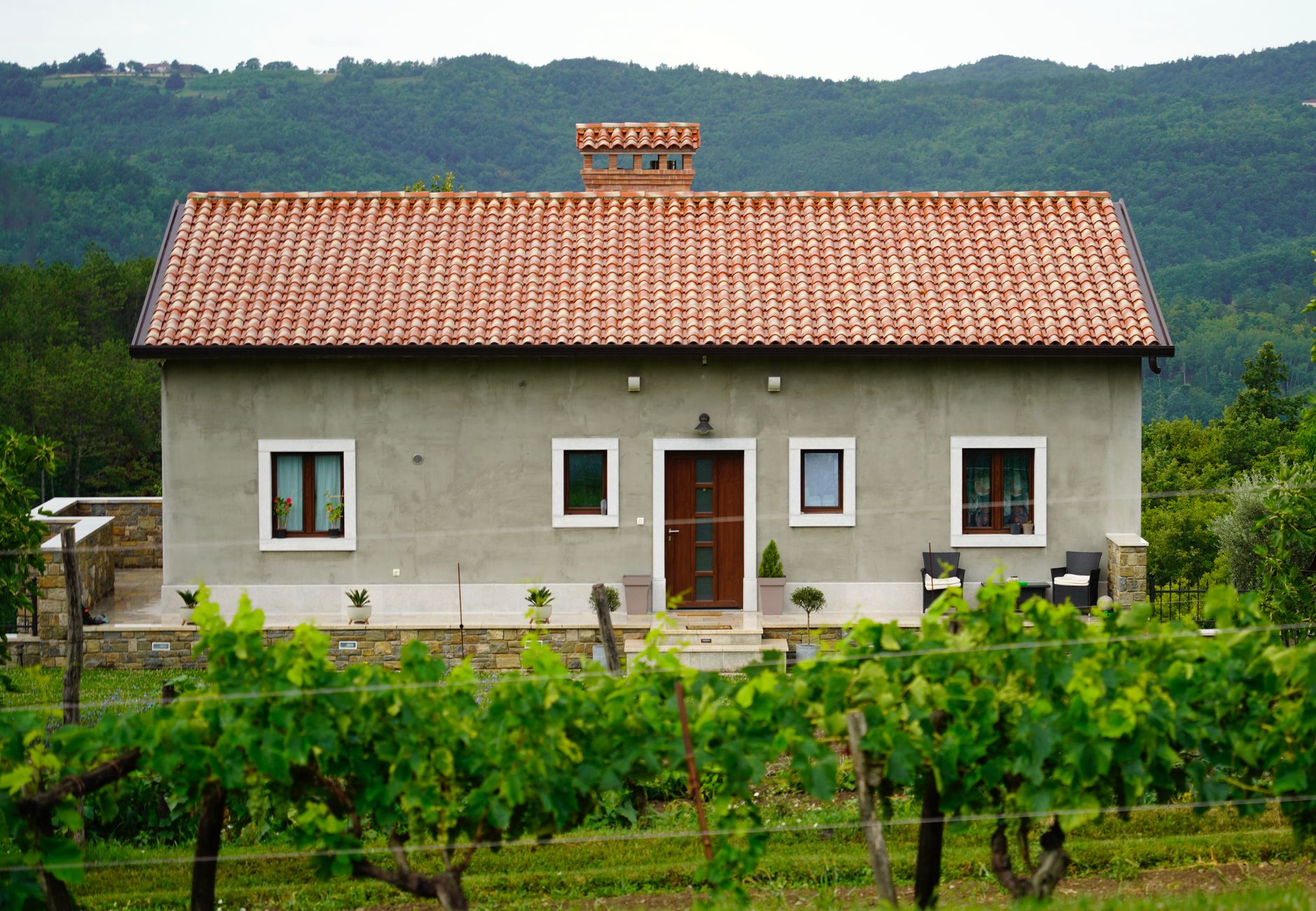
Vineyard guesthouses in Türkiye are small — often three to ten rooms — and harvest weekends sell out first, so book two to four months ahead for a September or October stay. The most reliable route is to contact the winery directly by email or through its own website or social channels; many boutique estates do not list on large booking platforms at all. Ask specifically whether a harvest programme is running during your dates, what it includes, and whether rooms are on the estate or a short walk away.
When you enquire, mention any dietary needs, whether you want to join the picking, and whether you are celebrating something — a birthday or anniversary often earns a warm welcome and a special table. Confirm the cancellation policy, as harvest dates can shift with the weather, and ask about transport from the nearest town or airport; some estates offer transfers from Izmir, Çanakkale or Tekirdağ, while others expect you to drive.
For help fitting a wine-country stay into a wider trip, browse our itineraries and routes for ideas on linking Istanbul, the Aegean coast and the vineyards in one relaxed journey. Our best-time guide explains seasonal weather across the regions, and the local experts listed on the site can help arrange small-estate stays and harvest visits. If you are still deciding where to base yourself, the destinations section covers both the Aegean and Thrace in more depth.
Pack light, bring a warm layer for cool evenings, and leave space in your luggage for a bottle or two. The best souvenir from a Turkish vineyard weekend is not just the wine, but the memory of a family who welcomed you into their harvest.
A Celebration of Local Growers and Warm Hospitality
What sets Türkiye's vineyard hotels apart is not luxury for its own sake — though many are beautifully restored — but the people. Small growers here are custodians of ancient grape varieties and old family traditions, and they take real joy in sharing them. A harvest weekend is a chance to stand in the vines, taste the year's work from the tank, and understand how much care goes into every bottle.
The hospitality is the heart of it. Expect to be fed generously, poured freely, and drawn into conversations that stretch long after the plates are cleared. Children and non-drinking partners are warmly welcomed at most family estates, and the atmosphere is relaxed rather than formal.
By choosing a small guesthouse and buying directly from the growers, you help keep these family vineyards alive — and you come home with far more than a bottle. For a romantic, unhurried and genuinely local escape, few experiences in Türkiye are as rewarding as a harvest weekend at the cellar door.
Thinking about a trip to Turkey?
Share your contact details and a vetted local expert will follow up with a plan built around you — free, no obligation.