

Introduction: The Living Threads of Türkiye
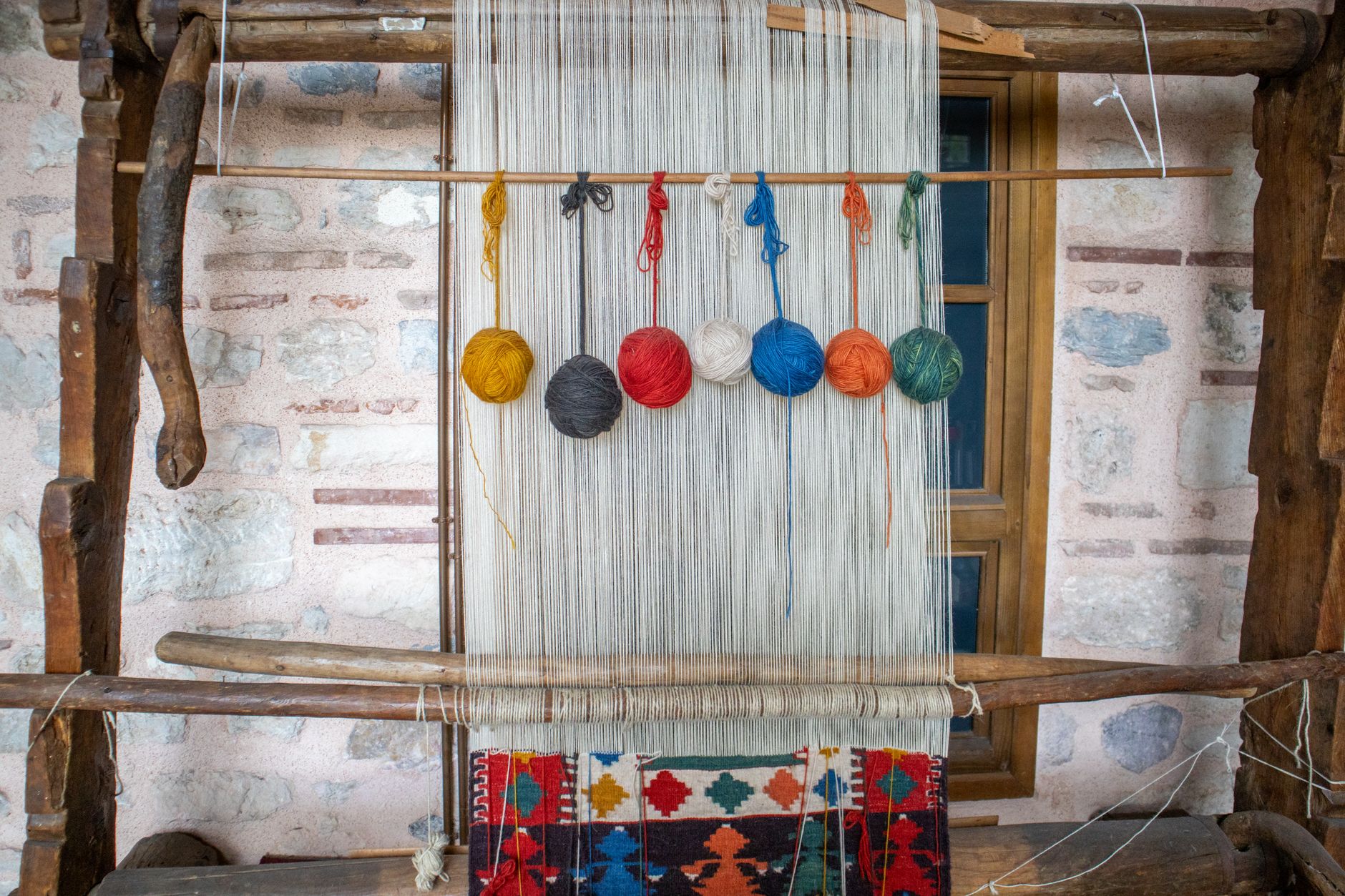
In the quiet villages of Anatolia, the rhythmic clack of wooden looms still echoes through stone courtyards. Here, in family workshops passed down through generations, weavers transform humble threads into carpets, kilims, and fabrics that are not just products but living stories. Unlike museum exhibits, Türkiye's weaving heritage is alive—and its custodians warmly welcome curious travelers.
This guide invites you to step beyond the tourist markets and into the heart of Türkiye's weaving villages. You'll learn where to find active handloom workshops, how to buy ethically, and how to combine a weaving visit with a regional road trip. Most importantly, you'll discover the beauty of slow craft and the joy of forming genuine connections with artisans who are eager to share their skills.
Whether you're a textile enthusiast or simply seeking authentic cultural experiences, watching a weaver at work is mesmerizing. The patience, precision, and pride in each knot and thread will leave you with a deeper appreciation for handmade art—and perhaps a treasured souvenir that carries the soul of its maker.
Why Türkiye's Handloom Tradition Still Thrives
Türkiye has been a crossroads of textile production for millennia. From the silk roads of Bursa to the wool-rich pastures of Central Anatolia, weaving has been woven into the nation's identity. While industrialization changed many industries, village weavers have kept traditional techniques alive, often adapting them to contemporary tastes without sacrificing authenticity.
Today, government initiatives, cooperatives, and a growing interest from travelers have helped sustain these crafts. Many young people are returning to their ancestral villages to revive family looms, blending old patterns with new designs. This renaissance means that visitors can witness not just a relic of the past, but a dynamic, evolving art form.
The survival of handloom weaving also depends on fair compensation for artisans. When you buy directly from a weaver or a reputable cooperative, you're not just purchasing a rug—you're supporting a family, preserving a skill, and encouraging the next generation to carry on the tradition.

Where to Find Active Handloom Workshops
Türkiye's weaving villages are scattered across the country, each with its own distinctive patterns and materials. Here are some of the most welcoming destinations where you can watch weavers at work, often for free.
Central Anatolia: Cappadocia and Beyond
While Cappadocia is famous for its fairy chimneys, the surrounding villages like Avanos and Ürgüp are home to pottery and weaving workshops. In Avanos, you can visit family-run establishments where women weave kilims using natural dyes. The weavers are accustomed to visitors and will happily demonstrate their technique, explaining the symbolism of motifs.
Further east, the village of Kula in Manisa Province is renowned for its carpets. Less touristed than other areas, Kula offers an intimate glimpse into daily life. Local cooperatives welcome guests to observe and even try their hand at knotting.
The Aegean Coast: Ödemiş and Tire
The Aegean region has a rich weaving history, particularly in the towns of Ödemiş and Tire. Known for their vibrant kilims and silk fabrics, these towns host weekly markets where weavers sell directly. In Tire, you can visit the Tire Belediyesi Kent Müzesi (City Museum) to see antique looms, then head to nearby villages where active workshops operate.
Another gem is Birgi, a picturesque village near Ödemiş, where traditional silk weaving is being revived. The Birgi Silk Workshop offers free demonstrations and sells scarves and fabrics made on-site.
Eastern Anatolia: Van and Kars
Eastern Türkiye is a treasure trove for textile lovers. Van is famous for its colorful kilims, often featuring geometric patterns. In the city's old bazaar, you can find small workshops where Kurdish weavers work on horizontal looms. A visit to the Van Museum provides context before you meet the artisans.
In Kars, near the Armenian border, the tradition of weaving suzani (embroidered textiles) and carpets is kept alive by local women's cooperatives. These groups often welcome visitors and are grateful for the support.
The Black Sea Region: Şavşat and Ayder
The Black Sea's damp climate is ideal for growing flax and hemp, and villages like Şavşat in Artvin Province are known for their sturdy woven fabrics. In the highlands around Ayder, you can find weavers producing woolen shawls and blankets. The setting—lush green mountains and mist—adds to the magic.

How to Plan Your Weaving Village Visit
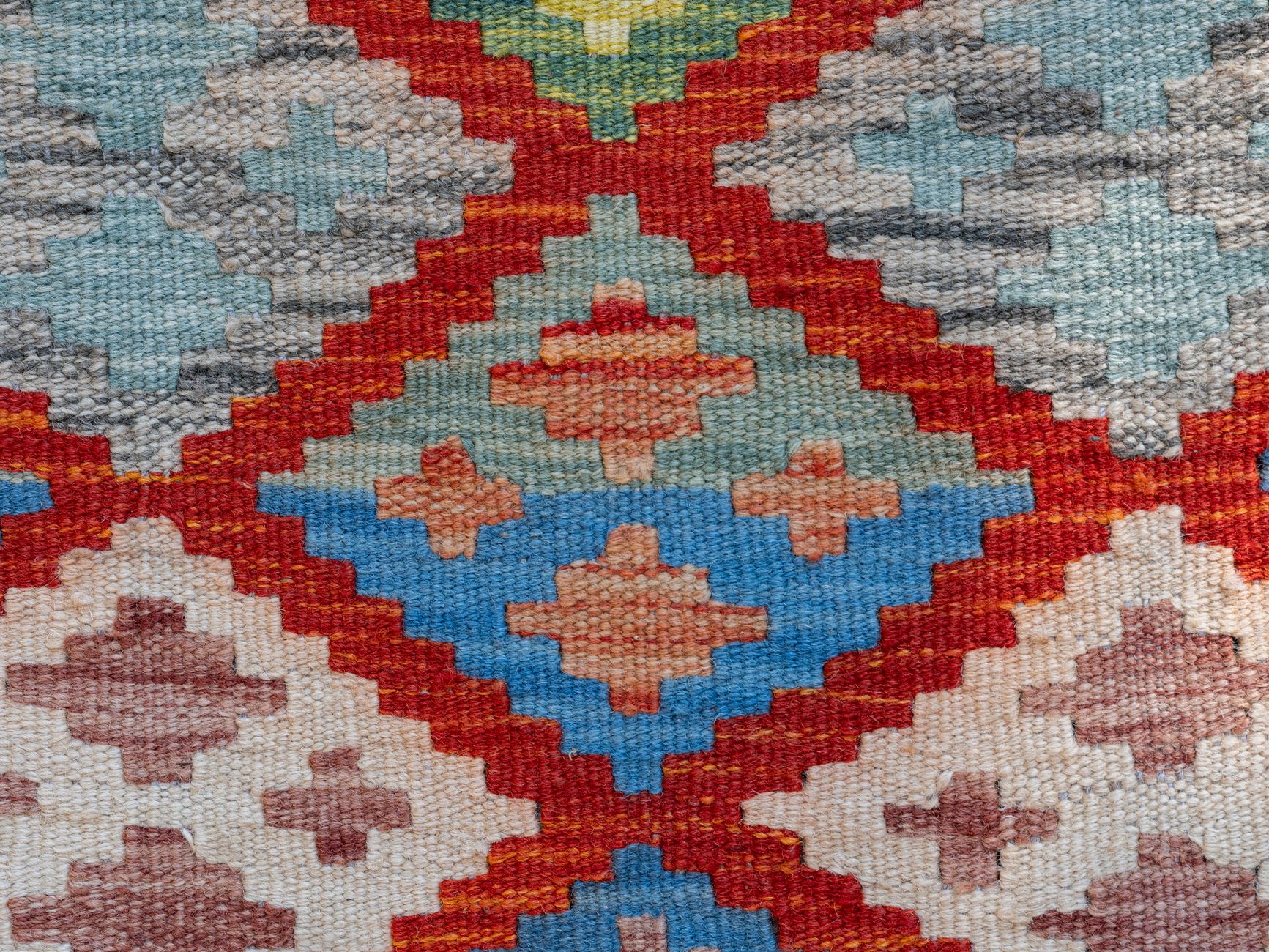
Visiting weaving villages requires a bit of planning, but the rewards are immense. Start by researching regions that align with your travel route. If you're already planning a trip to Cappadocia or the Aegean coast, you're in luck—many weaving villages are within easy reach.
Consider hiring a local guide who can introduce you to weavers and bridge language gaps. Alternatively, join a small-group textile tour, which often includes hands-on workshops and visits to家庭-run ateliers. These tours ensure that your visit is respectful and beneficial to the community.
Timing matters: weekdays are better than weekends, as many workshops close on Sundays. Also, avoid the hottest hours of the day; weavers often work in the morning or late afternoon. Always ask permission before taking photos, and be mindful that some techniques are sacred or personal.
Finally, come with an open mind and a willingness to learn. The best experiences happen when you show genuine interest. A simple teşekkür ederim (thank you) goes a long way.
The Art of Ethical Buying: Fair Prices and Meaningful Souvenirs
Buying a handmade textile is an opportunity to own a piece of cultural heritage. But it's also a chance to support artisans fairly. Here's how to navigate the purchase with integrity.
Buy directly from the weaver or a cooperative. This ensures the money goes to the maker, not middlemen. In many villages, you'll find small shops attached to workshops. Don't be shy to ask about the origins of the materials and the time invested.
Understand the value. A hand-knotted rug can take months to complete. Prices reflect the skill, hours, and quality of materials. If a price seems too low, it's likely machine-made or produced under exploitative conditions. Fair prices are a sign of respect for the craft.
Look for natural dyes and local fibers. These are hallmarks of authentic, sustainable production. Ask if the dyes are plant-based and if the wool or silk is locally sourced. Many weavers are proud to explain their process.
Consider smaller items. If a large rug is beyond your budget, opt for kilim cushions, scarves, table runners, or small bags. These make beautiful, functional souvenirs that are easier to transport.
Request a certificate of authenticity. Reputable sellers often provide documentation, which can also help with customs. And remember, bargaining is acceptable in some contexts, but do so respectfully—never devalue the artisan's work.

Combining Weaving Visits with Regional Road Trips
One of the best ways to explore Türkiye's weaving heritage is to weave it into a larger road trip. The country's compact size and good highways make it easy to combine cultural visits with stunning landscapes.
Route 1: Istanbul to Cappadocia via Konya
Start in Istanbul, where you can visit the Grand Bazaar and the Turkish and Islamic Arts Museum for context. Then drive to Konya, a city with a strong Sufi tradition and several weaving workshops. From there, continue to Cappadocia, stopping in Avanos and Ürgüp for hands-on experiences.
Route 2: Aegean Delights: Izmir, Tire, Ödemiş, Birgi
Fly into Izmir, then rent a car to explore the Aegean hinterland. Spend a day in Tire's market, then head to Ödemiş and Birgi for silk and kilim workshops. The drive through vineyards and olive groves is scenic, and you can end your trip at the ancient city of Ephesus.
Route 3: Eastern Anatolia Adventure: Van, Kars, Ani
For the more adventurous, fly to Van and explore its bazaars and weaving cooperatives. Then drive to Kars, visiting the ancient Armenian ruins of Ani along the way. This route offers dramatic landscapes and a chance to see textiles in a less-touristed context.
Whichever route you choose, allow extra time for spontaneous stops. Village tea houses are perfect for resting and chatting with locals, who may offer tips on hidden workshops.
Slow Craft, Lasting Connections: The Soul of Turkish Weaving
In a world of fast fashion and mass production, Türkiye's weaving villages offer a counterpoint. Here, time moves to the rhythm of the loom. Each thread is placed with intention, each pattern carries meaning, and each finished piece is imbued with the weaver's spirit.
When you visit, you're not just a spectator—you're a participant in a centuries-old conversation. The weavers who welcome you into their workshops are proud of their craft and eager to share it. Many will demonstrate for free, not because they expect a sale, but because they want to keep the tradition alive.
So take your time. Sit with the weavers, ask questions, and maybe try your hand at the loom. You'll come away with more than a souvenir—you'll carry a piece of Türkiye's heart. And when you look at that rug or scarf back home, you'll remember the hands that made it and the smiles that welcomed you.
As you plan your journey, remember that the most meaningful travel experiences are often the slowest. By choosing to explore Türkiye's weaving villages, you're not only enriching your own life but also supporting a heritage that deserves to thrive. Happy weaving, and iyi yolculuklar (good travels)!
Thinking about a trip to Turkey?
Share your contact details and a vetted local expert will follow up with a plan built around you — free, no obligation.