
Why Forage in Türkiye? A Culinary Tradition Rooted in the Landscape
In Türkiye, foraging is not a trendy pastime but a living tradition. For centuries, village women have combed hillsides, olive groves, and forest edges to gather wild greens—known collectively as ot—that form the backbone of Anatolian home cooking. From the Aegean's sun-drenched slopes to the Black Sea's lush, rain-fed valleys, the diversity of edible plants is astonishing: over 10,000 species of flora thrive here, and many have found their way into local kitchens as soups, salads, stuffed leaves, and herbal teas.
What makes foraging in Türkiye truly special is the guided experience offered by local women-led groups. These hosts, often carrying knowledge passed down through generations, lead small walks where you learn to identify plants by sight, touch, and smell. It's a chance to slow down, connect with the land, and discover the deep bond between landscape and village kitchen. Whether you're a curious food lover or an aspiring botanist, these walks offer a delicious entry point into rural Turkish life.
In spring, the hills come alive with tender shoots and aromatic herbs, making it the prime season for foraging. With a local guide, you'll not only fill your basket but also your understanding of how these wild ingredients are transformed into the vibrant mezes and comforting dishes that define Türkiye's culinary heritage.
Where to Go: Aegean and Black Sea Regions
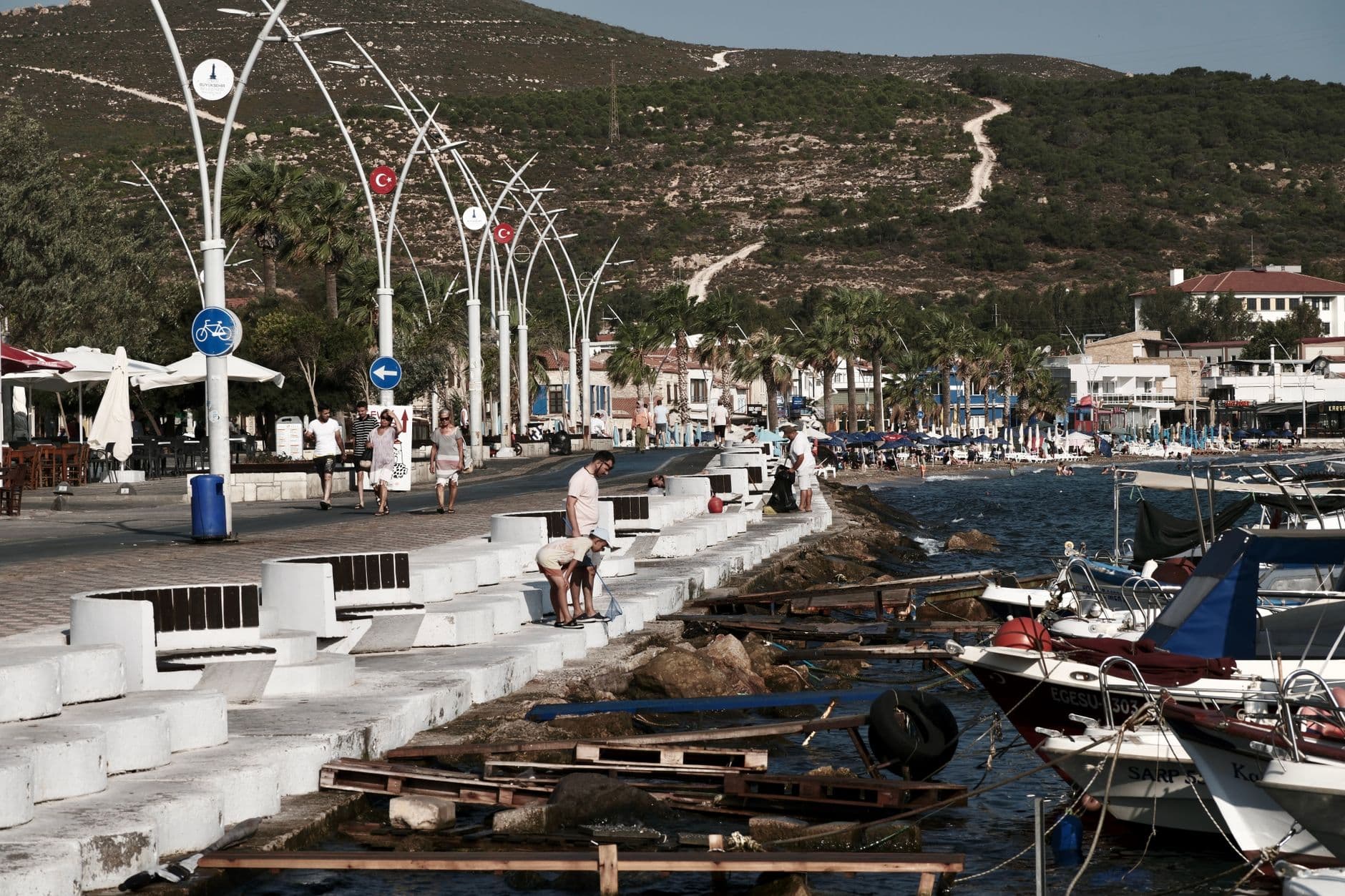
The Aegean and Black Sea regions are the heartlands of Turkish foraging, each with its own distinct ecology and culinary culture. In the Aegean, the climate is Mediterranean—hot, dry summers and mild, wet winters—favoring drought-resistant herbs like thyme, oregano, and sage, along with wild greens that sprout in olive groves and rocky hillsides. The Black Sea, by contrast, is lush and humid, with dense forests and high plateaus where a completely different set of edibles flourishes.
In the Aegean, consider basing yourself in villages around İzmir, Ayvalık, or the Bodrum peninsula. Here, local women's cooperatives often organize foraging walks that combine plant identification with cooking sessions. You might find yourself learning to spot kaya koruğu (rock samphire) clinging to coastal cliffs or deniz börülcesi (sea beans) in salt marshes. The region's olive oil is the perfect partner for these greens, and many walks end with a tasting of dishes like zeytinyağlı ot yemeği—greens braised in olive oil.
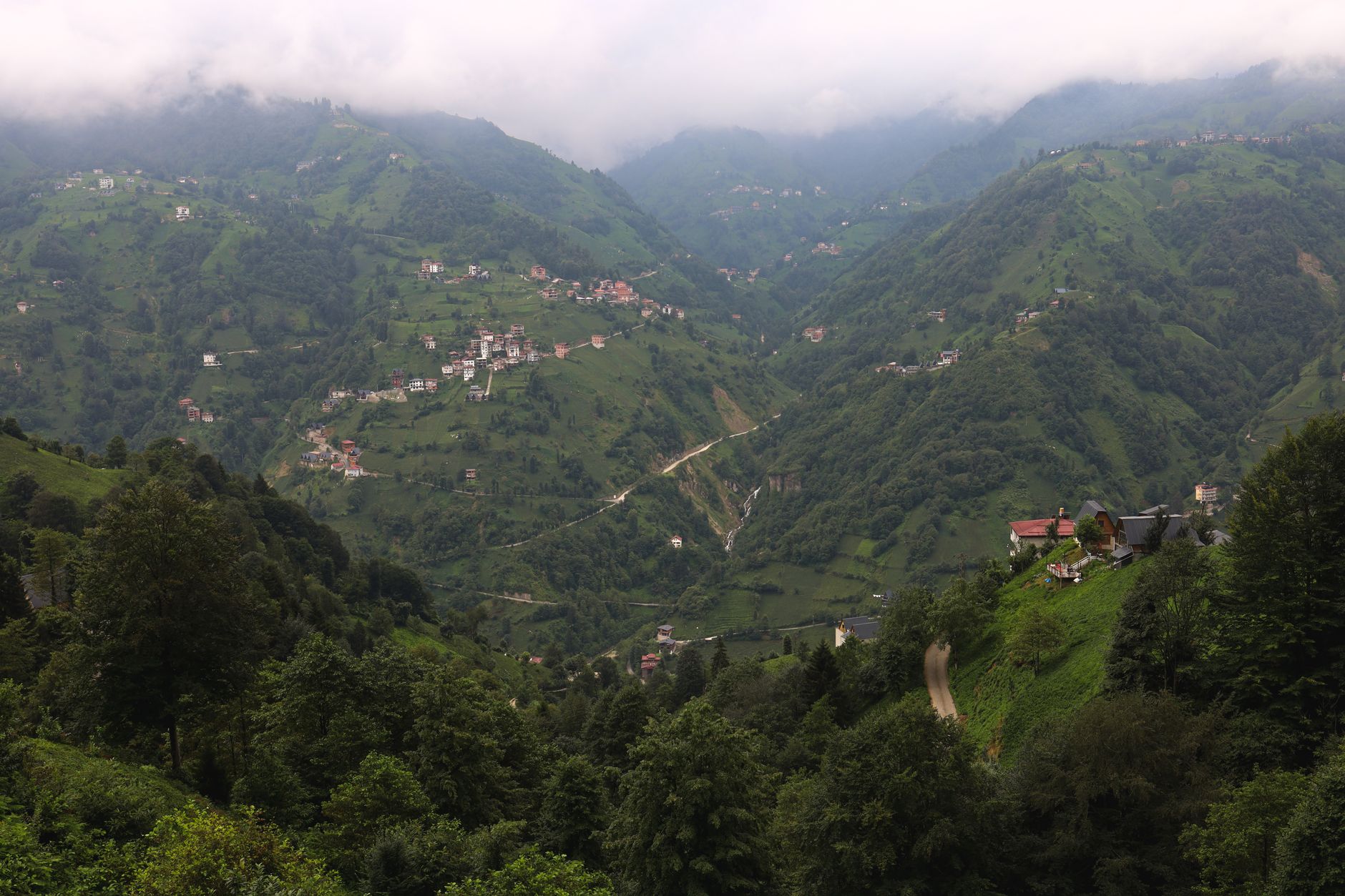
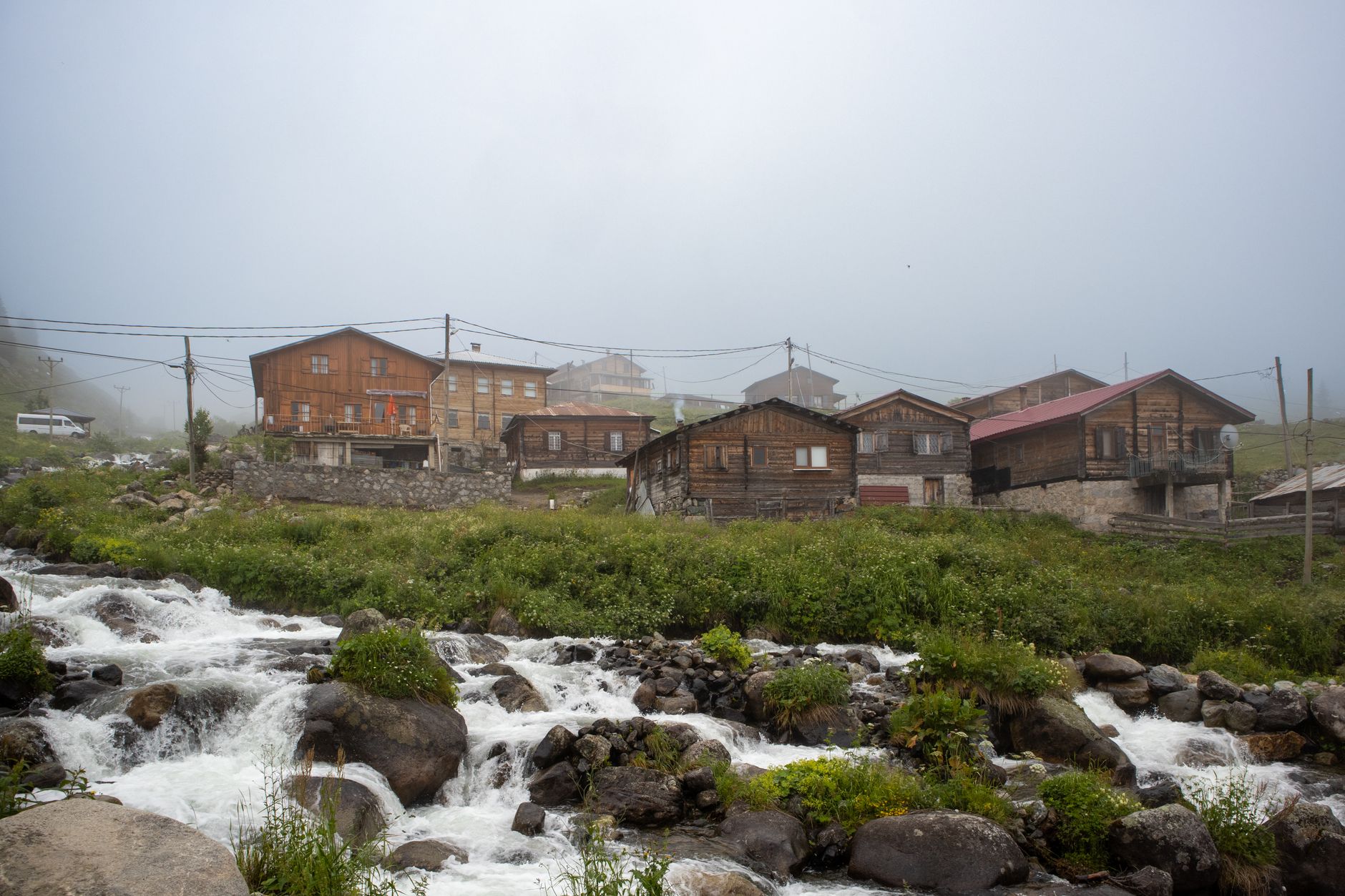
The Black Sea region, particularly the highlands behind Trabzon and Rize, offers a dramatically different experience. The area is famous for its endemic plants, thanks to its isolation and heavy rainfall. Foraging here might involve trekking through misty forests to find muzmula (wild medlar) or karayemiş (cherry laurel), and learning about the medicinal herbs that locals use for teas and poultices. The cuisine is equally distinctive, featuring corn, beans, and a variety of wild greens like ısırgan (stinging nettle) that are turned into hearty soups and pies.
Both regions offer a network of local hosts—many of them women who run small guesthouses or cooking schools—who are eager to share their knowledge. These experiences are not just about picking plants; they're about understanding the seasonal rhythms and the cultural significance of each ingredient.
What You'll Learn: Identifying Edible Greens and Herbs
A foraging walk with a local host is a hands-on lesson in botany and culinary arts. You'll start by learning the basic principles: how to distinguish edible plants from toxic look-alikes, which parts to harvest and when, and how to do so without harming the plant or its ecosystem. Your guide will introduce you to a lexicon of wild edibles, from the ubiquitous turp otu (wild radish) and hardal otu (wild mustard) to more obscure treasures like kuzu kulağı (sorrel) and sarmaşık (wild ivy).
In the Aegean, you might focus on aromatic herbs: rubbing wild oregano between your fingers, comparing the scent of different thymes, and learning how to harvest them without depleting the patch. The region is also rich in wild greens that are used in börek (pastries) or simply sautéed with garlic and olive oil. Your host might show you how to identify şevketibostan (blessed thistle), a spiky plant whose tender stems are a delicacy, or labada (dock), which is often stuffed with rice.
The Black Sea offers its own set of challenges and rewards. Here, you'll learn to navigate the dense undergrowth and spot edible ferns, wild berries, and medicinal herbs like mürver (elderflower). The region is also home to pelemir (a type of wild beet) and yabani nane (wild mint), which grows along stream banks. Your guide will emphasize responsible harvesting—taking only what you need, leaving roots intact, and avoiding protected species.
Throughout, you'll gain confidence in your ability to identify plants, but more importantly, you'll learn the stories behind them. Many hosts share anecdotes about how their grandmothers used certain plants for remedies or how a particular green saved families during tough winters. This oral history is as much a part of the foraging experience as the plants themselves.
The Women-Led Groups: Preserving Knowledge, Empowering Communities
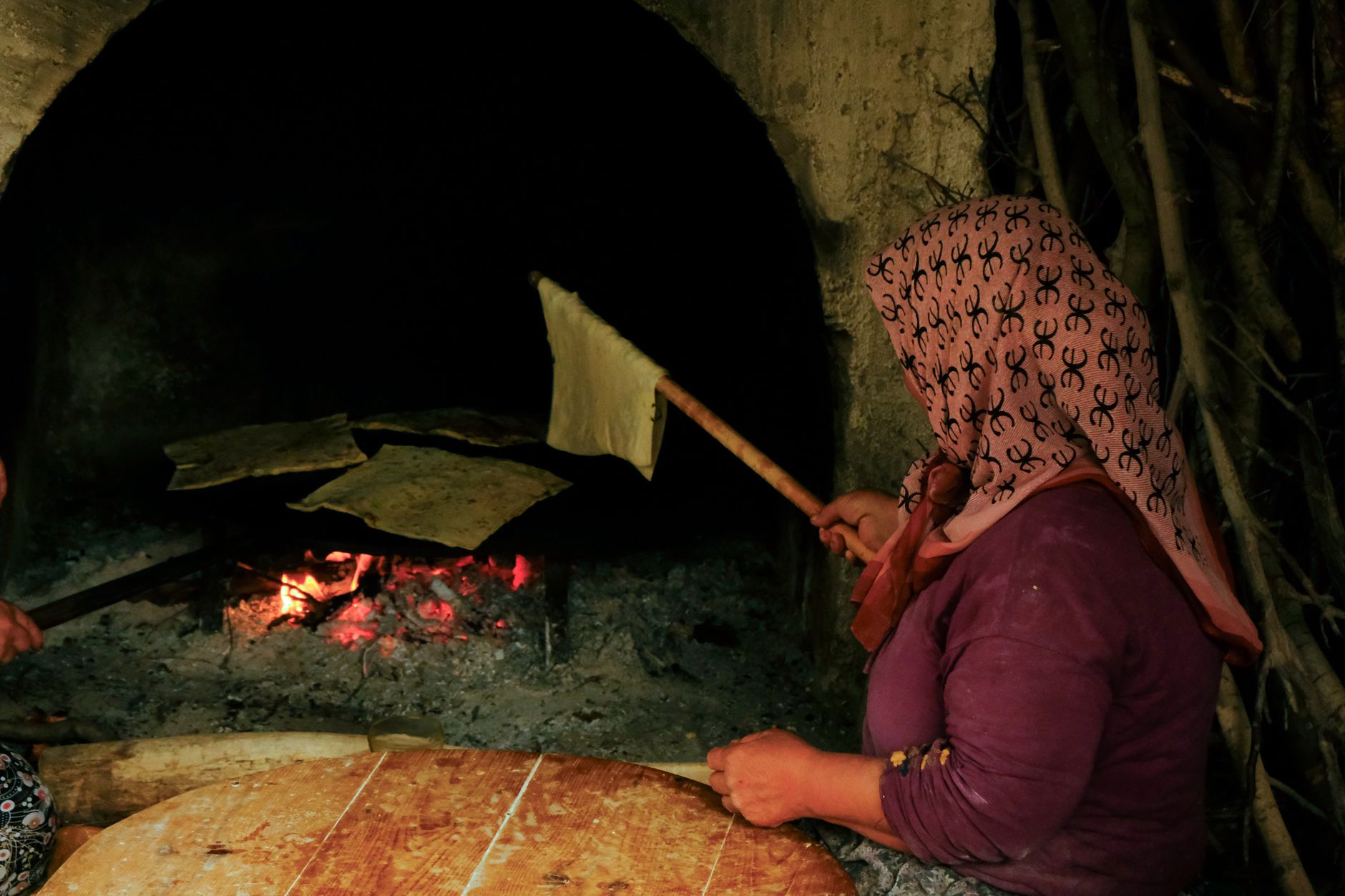
Across Türkiye, women's cooperatives and grassroots initiatives are at the forefront of sustainable tourism. By joining a foraging walk led by these groups, you're directly supporting local economies and helping to preserve traditional ecological knowledge. Many of these women have inherited their skills from their mothers and grandmothers, and they're passionate about passing them on to visitors.
In the Aegean, organizations like the Ayvalık Women's Cooperative offer foraging and cooking workshops that highlight the region's culinary heritage. The guides are often local farmers or home cooks who know every inch of the surrounding hills. Similarly, in the Black Sea, groups in villages around Şavşat and Yusufeli are developing community-based tourism projects that include foraging walks and home-stay experiences. These initiatives not only provide income but also empower women to take leadership roles in their communities.
By participating, you're part of a movement that values traditional knowledge and promotes environmental stewardship. The women-led model ensures that the benefits of tourism are distributed more equitably and that the knowledge is passed on with care and authenticity. You'll leave with a deeper appreciation for the role of women in Türkiye's rural food culture and a connection to the people who make these landscapes meaningful.
Responsible Harvesting and Safety: What to Know Before You Go
Responsible foraging is paramount. Your guide will teach you the ethical guidelines: never take more than you need, harvest from abundant patches, and avoid damaging the plants or their habitat. In Türkiye, some species are protected, and your host will ensure you steer clear of them. It's also important to respect private property and obtain permission when foraging on agricultural land.
Safety is another key consideration. While your guide is an expert, you should never eat anything you haven't confirmed with them. Many edible plants have toxic look-alikes, and some can cause allergic reactions even when correctly identified. Your host will teach you the key distinguishing features and will always double-check your finds before any tasting. Additionally, be prepared for the terrain: wear sturdy shoes, bring sun protection, and carry water. Spring weather can be changeable, so layered clothing is advisable.
Finally, remember that foraging is a slow, mindful activity. It's about observation, patience, and respect for nature. By following your guide's instructions, you'll ensure a safe and sustainable experience that benefits both you and the environment.
Seasonal Windows: Spring Foraging at Its Peak
Spring is the prime foraging season in Türkiye, as the winter rains give way to a explosion of new growth. From March to May, the hillsides are carpeted with fresh greens and herbs, and the weather is generally mild and pleasant for walking. Each month brings different treasures: early spring offers tender nettles and wild mustard, while late spring sees the emergence of aromatic herbs like thyme and oregano in full leaf.
In the Aegean, the season starts earlier, often in late February, with the appearance of kaya koruğu and other coastal edibles. By April, the olive groves are alive with wild greens, and the first wild asparagus spears can be found. The Black Sea, being cooler and wetter, has a slightly later season, with peak foraging from April to June. This is when the high plateaus are accessible and the forests are teeming with edible shoots and berries.
It's essential to book your foraging walk in advance, as spring is a popular time and groups are small to ensure a quality experience. Your host will know exactly what's in season and where to find it, so you can make the most of your time in the hills.
From Hillside to Kitchen: Tastings and Culinary Connections
The culmination of every foraging walk is a shared meal, where the ingredients you've gathered are transformed into simple, delicious dishes. This is where the connection between landscape and village kitchen becomes tangible. In the Aegean, you might sit down to a table laden with zeytinyağlı dishes: wild greens braised with onions and olive oil, served with crusty bread and local cheese. The flavors are bright and fresh, highlighting the natural taste of the plants.
In the Black Sea, the cooking is heartier. Your host might prepare a göğce (nettle soup) or a mıhlama (cornmeal and cheese fondue) folded with wild greens. The meal is often accompanied by çay (tea) brewed from herbs you've picked, like wild mint or lemon balm. These tastings are not just about eating; they're about understanding how the landscape shapes the cuisine and how traditional cooking methods bring out the best in wild ingredients.
Many women-led groups also offer cooking classes where you can learn to prepare these dishes yourself, using the greens you've foraged. This hands-on experience deepens your connection to the food and leaves you with skills to recreate a taste of Türkiye at home. The recipes are often simple, relying on olive oil, garlic, and yogurt to enhance the natural flavors—a philosophy that mirrors the Turkish approach to cooking: let the ingredients shine.
Beyond the plate, these shared meals foster a sense of community. You'll sit with your hosts and fellow foragers, sharing stories and laughter, and perhaps learning a few words of Turkish. It's a reminder that foraging is not just about sustenance but about connection—to the land, to tradition, and to each other.
Planning Your Foraging Adventure
To make the most of your foraging experience, plan ahead. Decide which region appeals to you—the Aegean for its Mediterranean herbs and coastal walks, or the Black Sea for its lush forests and highland adventure. Both offer unique rewards. Consider combining your foraging walk with other cultural activities: visiting local markets, exploring ancient sites, or simply relaxing in a village guesthouse.
When booking, look for responsible operators who emphasize sustainable practices and community benefits. Ask about group size, the experience level of the guide, and what's included (e.g., equipment, meals). Many hosts offer walks in English, but it's worth checking. Also, be mindful of the season—spring is ideal, but each region has its own timing.
For more inspiration on when to visit and what to expect, explore our best time to visit Türkiye guide. If you're interested in other culinary adventures, see our guides section. And don't forget to check our itineraries for sample trips that include foraging experiences. With a bit of planning, you'll be ready to discover the wild side of Türkiye's cuisine, one handful of greens at a time.
Thinking about a trip to Turkey?
Share your contact details and a vetted local expert will follow up with a plan built around you — free, no obligation.