

Why Winter is a Secret Season for Road Trips in Türkiye
Winter transforms Türkiye into a landscape of stark beauty: the Mediterranean coast basks in mild sunshine while the interior mountains don a thick blanket of snow. Far from being a deterrent, winter offers empty roads, crisp air, and a sense of solitude you won't find in summer. With well-maintained highways and a rental fleet prepared for cold weather, driving in Türkiye during winter is not only manageable—it's a rewarding adventure.
Turkish road quality is generally excellent, especially on major routes like the O-31 and O-32 motorways that connect the Aegean coast to the Mediterranean. Even secondary roads in popular tourist regions are plowed and salted regularly. The key is to be prepared: equip your car with winter tires, check mountain pass conditions before setting out, and allow extra time for scenic detours.
Embrace the contrasts: one day you're cruising along the turquoise coast near Antalya, the next you're winding through snow-dusted pine forests in the Taurus Mountains. This guide will give you the confidence to tackle both with ease.
Coastal Cruising: The Mediterranean and Aegean in Winter
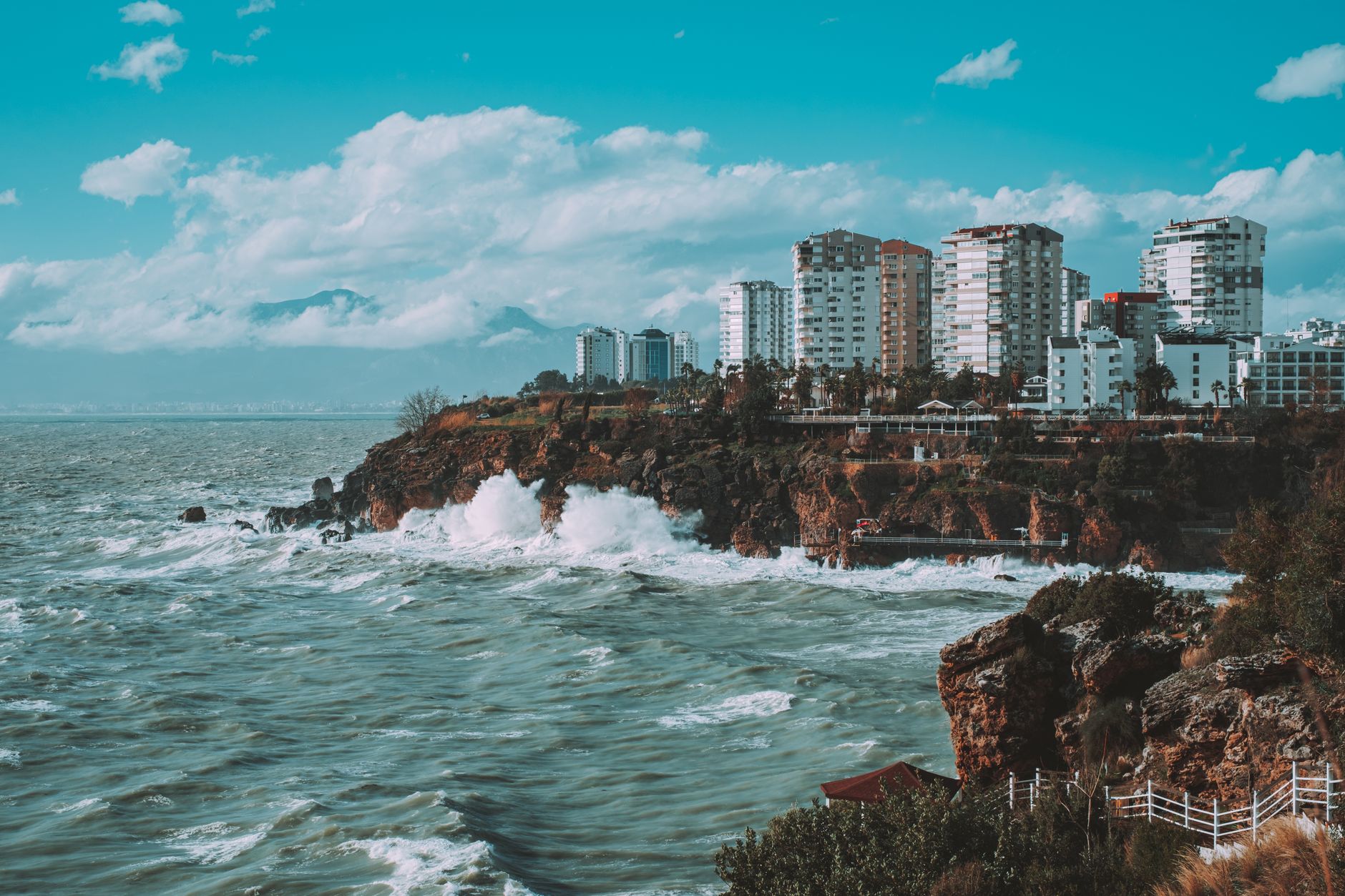
The Mediterranean coast is a winter driver's dream. Temperatures hover between 10°C and 16°C (50–60°F), and rainfall is infrequent. The D400 highway from Antalya to Fethiye hugs the coastline, offering spectacular views of the sea and mountains. Traffic is light, and you can stop at ancient ruins like Phaselis or Olympos without the summer crowds.
Further west, the Aegean coast around Izmir and Çeşme is equally inviting. The O-32 motorway is well-maintained and rarely affected by snow. Take a detour to Ephesus or the charming town of Şirince, where you can warm up with mulled wine in a mountain village.
Even in winter, coastal roads are kept clear and safe. Do watch for occasional heavy rain, which can make roads slick, but the mild climate means you'll rarely encounter ice at low elevations. For a full itinerary along this route, see our routes page.
Mountain Passes: Navigating Türkiye's Snowy Highways Safely
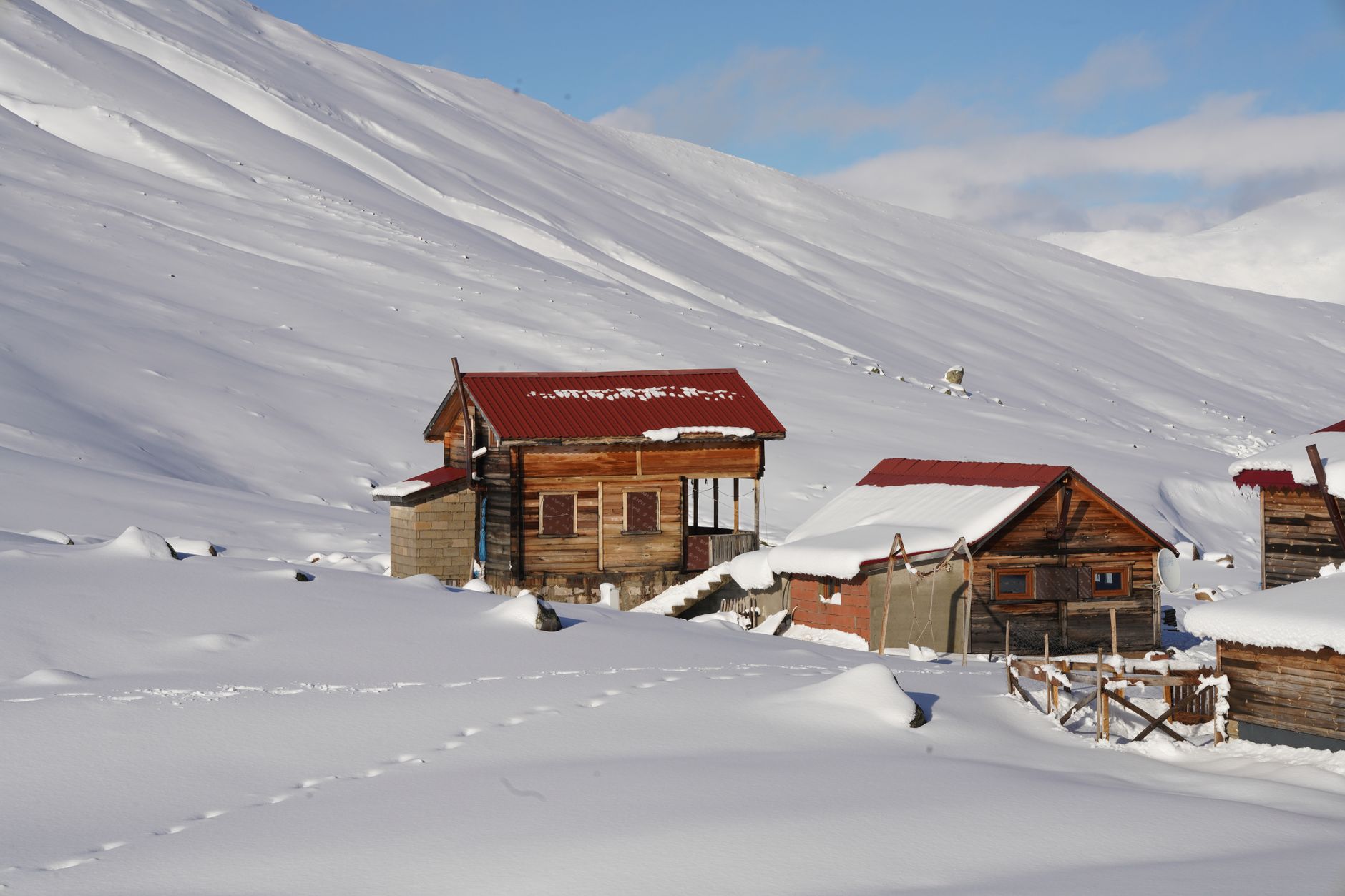
Turkey's interior and eastern regions offer some of the most spectacular winter driving in the world, but they demand respect. Mountain passes like Bolkar Mountains (connecting Mersin to Konya) and the Ilgaz Pass (between Kastamonu and Çankırı) can be snow-covered from December to March. However, they are regularly plowed and signed, and with the right preparation, they are perfectly navigable.
Before any mountain drive, check the General Directorate of Highways (KGM) website or call the hotline 159 for current road conditions. Many passes require chains or winter tires by law during winter months. Ensure your rental car is equipped with M+S (Mud and Snow) tires or better; most reputable rental agencies in Turkey provide them automatically between November and April.
Drive slowly, use low gears on descents, and avoid sudden braking. If you're not accustomed to snow driving, consider sticking to lower elevations or hiring a local driver for challenging segments. The reward is breathtaking: frozen waterfalls, snow-laden pine trees, and cozy mountain lodges await.
Essential Winter Driving Tips for Türkiye
Winter tires are a must. Turkish law requires winter tires on all vehicles from December 1 to April 1, especially on routes marked with the snowflake symbol. Rental companies usually comply, but always confirm before booking. If you're driving your own car, invest in high-quality winter tires—they're worth every kuruş.
Pack an emergency kit. Include blankets, a flashlight, extra food and water, a fully charged phone, and a power bank. A small shovel and ice scraper are also handy. In remote areas, cell coverage can be spotty, so download offline maps.
Drive defensively. Keep a safe distance, avoid overtaking on snowy curves, and use your headlights. Turkish drivers can be assertive, so stay alert. If conditions deteriorate, pull over at a rest area or hotel—don't push on.
Plan for shorter days. Sunset comes early in winter (around 5 PM), so start your journey at dawn to maximize daylight. This also gives you buffer time for unexpected delays.
For more practical advice, check our travel tools section, where we list useful apps and websites for road conditions.
Cozy Overnight Stops: Where to Warm Up and Rest
After a day on the road, nothing beats a warm Turkish welcome. Along the Mediterranean, boutique hotels in Kaş and Antalya's Kaleiçi offer off-season rates and crackling fireplaces. In the mountains, traditional dağ evi (mountain houses) and yayla lodges provide rustic charm and home-cooked meals.
Consider staying at a thermal spa hotel in Pamukkale or Bursa—the hot springs are especially soothing after a chilly drive. In Cappadocia, cave hotels are cozy in winter, with underfloor heating and panoramic views of snow-dusted fairy chimneys.
For a truly unique experience, book a night in a wooden chalet in the Kaçkar Mountains or the Yedigöller National Park, where you can snowshoe by day and sip tea by the fire at night. These stops are not just places to sleep—they're part of the adventure.
Scenic Detours: Alpine Charm Without the Alps
Who needs Switzerland when you have the Kaçkar Mountains? In winter, this range in northeastern Türkiye becomes a snow-covered paradise, with winding roads leading to villages like Ayder, famous for its hot springs and alpine scenery. The drive from Trabzon to Ayder is stunning, passing through gorges and past frozen waterfalls.
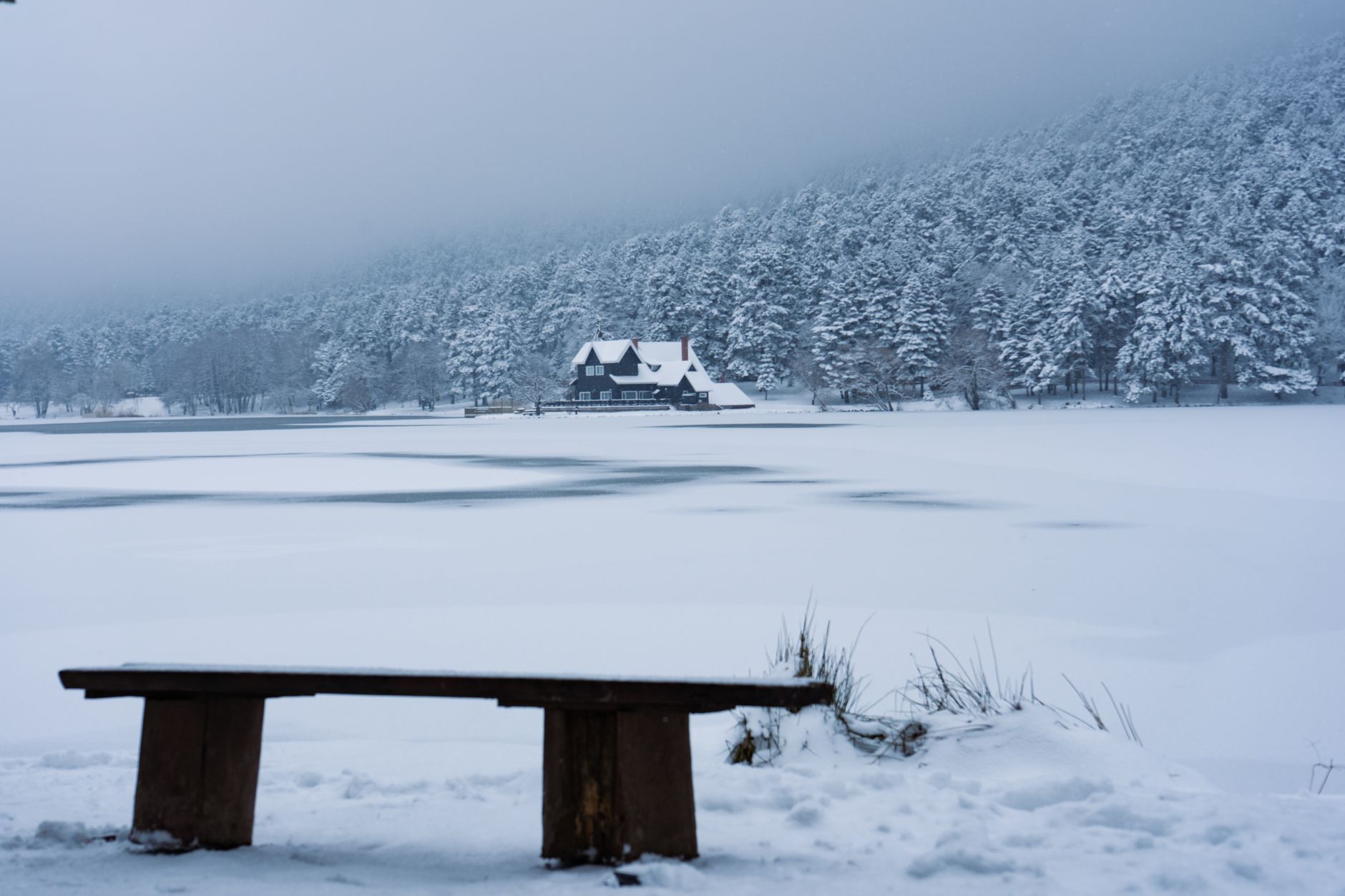
Another gem is Lake Abant, near Bolu, just a two-hour drive from Istanbul. In winter, the lake freezes over, and the surrounding pine forests are perfect for walking or horse-drawn sleigh rides. The Abant Palas hotel offers a cozy retreat with a fireplace.
For a taste of Alpine-style skiing, head to Uludağ, near Bursa. The roads are well-maintained, and the resort town has a lively après-ski scene. Even if you don't ski, the cable car ride offers panoramic views of the snow-covered landscape.
These detours are easily accessible and add a touch of magic to your winter road trip. Just remember to check weather forecasts and road conditions before heading into higher elevations.
Conclusion: Drive with Confidence, Explore with Joy
Winter driving in Türkiye is a unique way to experience the country's diverse landscapes without the crowds. With proper preparation—winter tires, emergency supplies, and flexible plans—you can confidently navigate snowy passes and enjoy mild coastal cruises. Turkish hospitality ensures that even if you encounter a delay, you'll be welcomed with a glass of çay and a warm smile.
So embrace the season, pack your bags, and hit the road. The snowy peaks and sunny shores of Türkiye are waiting. For more inspiration, explore our destinations and itineraries.
Thinking about a trip to Turkey?
Share your contact details and a vetted local expert will follow up with a plan built around you — free, no obligation.