

What Is a Yayla? Understanding Türkiye's Highland Culture
In Türkiye, a yayla is far more than a mountain meadow. It is a centuries-old seasonal migration pattern, a family tradition, and a living cultural landscape. Each summer, as the lowlands swelter, families from villages along the Black Sea coast and the Taurus Mountains pack their lives onto trucks and tractors and ascend to high plateaus where the air is cool, the grass is lush, and the pace of life slows to the rhythm of grazing animals and wood smoke.
The word yayla (sometimes spelled yaylak) refers both to the highland pasture itself and to the seasonal settlement that springs up there. These are not resorts. They are working landscapes where shepherds tend sheep and goats, women churn butter and roll out dough for bazlama flatbread, and children run wild through wildflower meadows. For travelers, visiting a yayla offers a rare glimpse into a pastoral way of life that has survived for generations.
The tradition stretches across Türkiye, but the most accessible and atmospheric yaylas lie in two great mountain belts: the lush, misty ranges of the Black Sea region (Karadeniz) and the rugged Taurus Mountains (Toroslar) that arc along the Mediterranean coast. Each has its own character, cuisine, and microclimate, but both promise the same essential escape: crisp air, green views, and genuine village hospitality.
Why Summer Is the Season for the Highlands
From June through early September, Türkiye's coastal cities and lowland plains become furnaces. Antalya can hit 40°C (104°F) in July, and the Black Sea coast, though greener and more humid, still swelters. The yaylas, sitting at elevations between 1,200 and 2,500 meters (roughly 4,000–8,200 feet), offer temperatures 8–12°C cooler. Daytime highs in July and August typically range from 18°C to 25°C (65–77°F), while nights can drop to 8–12°C (46–54°F). Pack a fleece and a windproof layer, even in midsummer.
This seasonal contrast is exactly why the yayla tradition endures. The highlands are not just a vacation destination; they are a vital part of the agricultural calendar. Livestock graze on mineral-rich alpine grasses, producing milk that becomes famous Turkish cheeses and yogurts. Beekeepers bring hives to catch the bloom of wildflowers, creating prized honey. And families use the summer months to reconnect with relatives and ancestral villages.
For travelers, the summer window is also when festivals, markets, and village life are at their most vibrant. The roads are clear of snow, the wildflowers are at their peak, and the days are long. If you can, aim for late June or early July when the grass is emerald green and the crowds are still light.
Black Sea Yaylas: Misty Forests and Wooden Villages
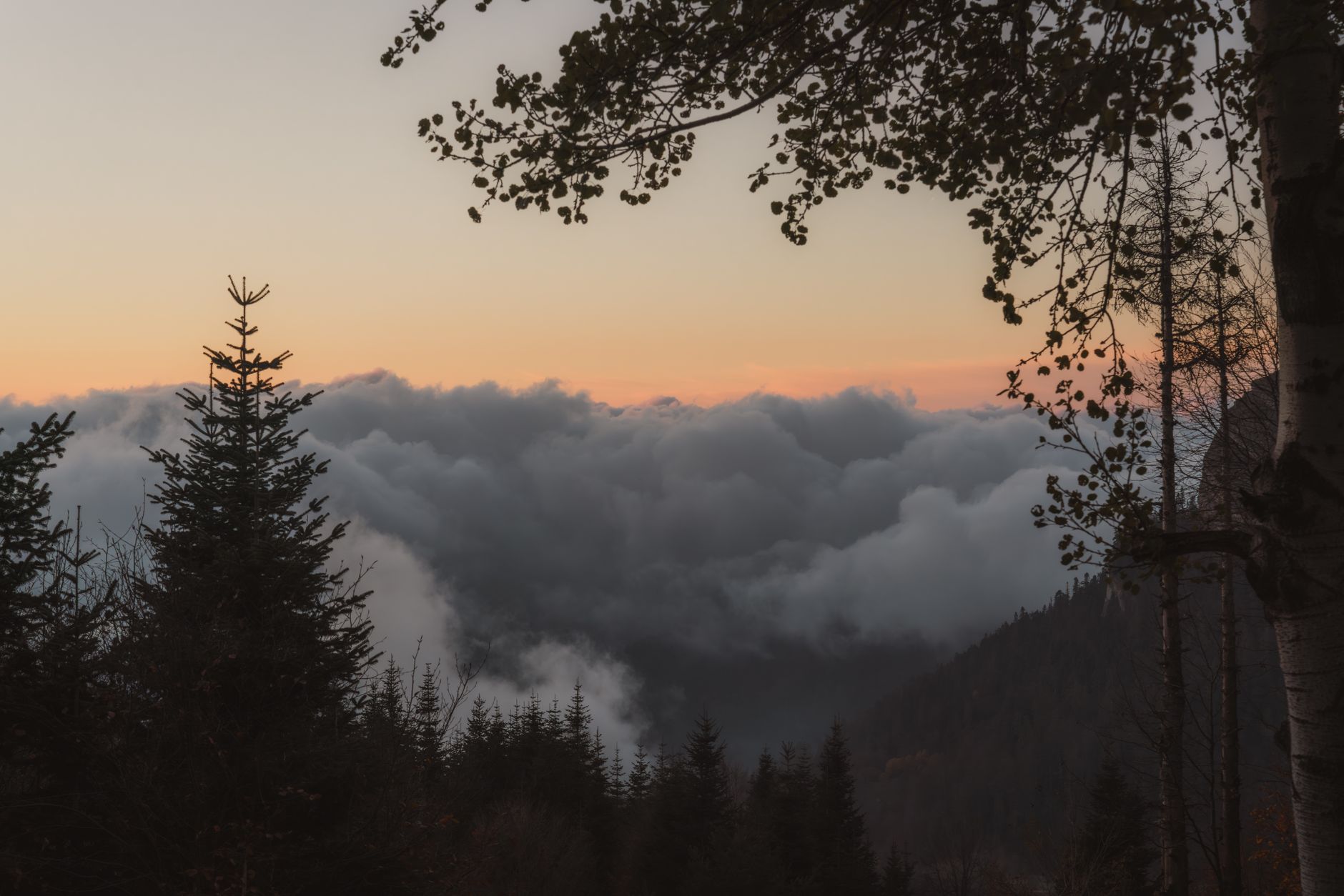
The Black Sea region is Türkiye's greenest corner, a narrow strip of humid forest pressed between the sea and a steep mountain wall. Behind the coastal towns of Trabzon, Rize, and Artvin, the mountains rise abruptly, and the yaylas here are legendary for their fog-draped spruce forests, wooden houses, and tea plantations that cling to impossible slopes.
The most famous cluster is the Ayder Yayla in the Kaçkar Mountains, near the town of Çamlıhemşin. At around 1,350 meters (4,400 feet), Ayder is one of the most developed yaylas, with guesthouses, restaurants, and hot springs. Further up, the road climbs to Pokut and Sal yaylas, perched at over 2,000 meters with panoramic views of the Kaçkar peaks. These higher yaylas are quieter, more traditional, and often wrapped in clouds by mid-afternoon.
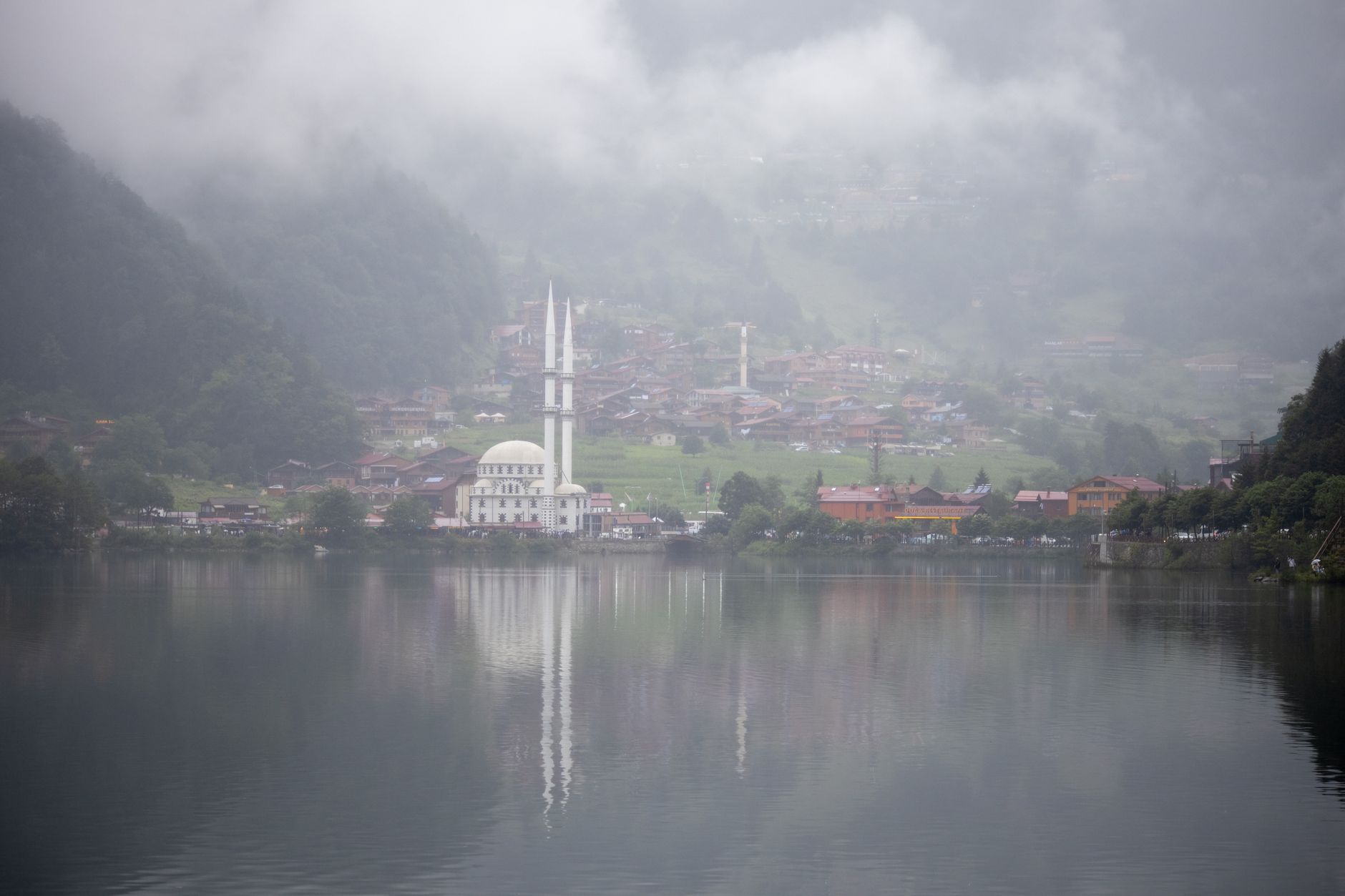
Other Black Sea highlights include the Uzungöl (Long Lake) yayla south of Trabzon, set around a serene alpine lake, and the Gito Yaylası above Çamlıhemşin, where a handful of wooden bungalows offer stunning sunrise views. The Kümbet Yayla near Giresun is known for its cool plateau and summer festivals, while the Perşembe Yaylası in Ordu hosts a famous annual yayla şenliği (highland festival) with folk music and dancing.
Road conditions vary. Main yayla roads are paved but narrow and winding, with steep drop-offs and occasional rockfall. In dry summer weather, a standard car can reach most lower yaylas, but higher tracks (like the final stretch to Pokut) may require a 4x4 or a local driver. Always check local advice, as rain can turn dirt roads to mud even in July.
Taurus Yaylas: Rugged Peaks and Nomad Traditions
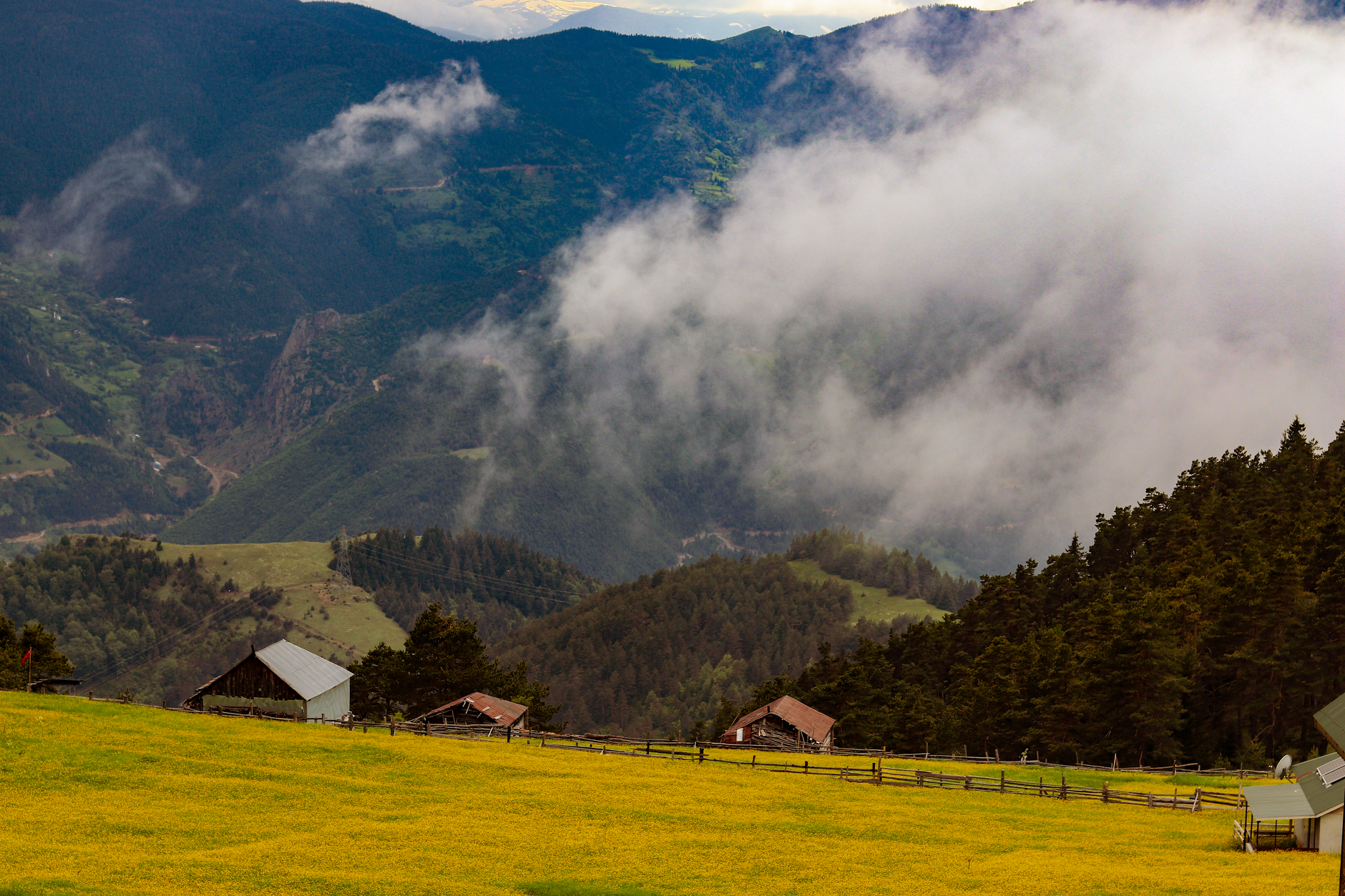
The Taurus Mountains (Toroslar) run parallel to the Mediterranean coast from Antalya to Mersin and beyond, a dramatic limestone range where yayla culture is closely tied to the semi-nomadic Yörük people. Here, the highlands are drier and more rugged than the Black Sea, with pine forests, rocky gorges, and wide plateaus grazed by goats and camels.
One of the most accessible Taurus yaylas is Feslikan Yaylası, just 30 kilometers from Antalya but a world away in atmosphere. At 1,500 meters, it offers pine-scented air, simple trout restaurants, and views over the Gulf of Antalya. Further west, the Gömbe Yaylası and Yeşilgöl Yaylası near Kaş are cooler alternatives to the coast, with crystal-clear springs and hiking trails.
In the central Taurus, the Aladağlar and Bolkar Mountains shelter high yaylas like Demirkazık and Darboğaz, where villagers still migrate with flocks. The Yılanlı Yayla near Mersin and the Sertavul Yaylası are also worth exploring. These areas are less touristed, so you may find yourself invited to share tea or a plate of gözleme with a shepherd family.
Roads in the Taurus are generally well-maintained but can be steep and serpentine. In summer, they are passable in a normal car, though some high passes may have gravel sections. Afternoon thunderstorms are common in July and August, so plan to drive in the morning and carry a rain jacket.
Village Breakfasts and Highland Flavors
One of the greatest joys of a yayla visit is the food. A traditional kahvaltı (breakfast) in a highland village is a feast of local, seasonal, and handmade ingredients. Expect a table covered with small plates: fresh white cheese, aged tulum cheese, black olives, honeycomb from local hives, homemade jams, clotted cream (kaymak), and warm bazlama flatbread straight from the sac griddle. Eggs are often fried with butter and served in a copper pan.
In the Black Sea yaylas, breakfast might include muhlama (a gooey cornmeal and cheese fondue) and kuymak, along with fresh tea from Rize. In the Taurus, look for gözleme stuffed with wild greens, cheese, or potato, and köy kahvaltısı (village breakfast) served in family-run garden restaurants.
Lunch and dinner feature hearty mountain cuisine: lamb or goat stewed with herbs, tarhana soup, and keşkek (a wheat and meat dish pounded together). Trout is common in both regions, grilled simply with lemon. Finish with fresh fruit—cherries, mulberries, or wild strawberries—depending on the season.
Vegetarians are well catered for, as many dishes are based on vegetables, legumes, and dairy. But if you are offered meat, accepting a small portion is a gracious way to honor your host's hospitality.
Festivals and Local Life
Summer is festival season in the yaylas. These yayla şenlikleri (highland festivals) are community gatherings with folk music, dancing, wrestling, and feasting. The Kadirga Yayla Festival near Trabzon, held in late June, is one of the largest, featuring the traditional horon dance performed in a line, plus competitions and concerts.
In the Taurus, the Feslikan Yayla Festival in Antalya province takes place in July and includes yağlı güreş (oil wrestling), horseback games, and stalls selling local crafts. Smaller villages host their own festivals, often tied to the arrival of families to the yayla or to religious holidays.
Even without a festival, daily life in the yayla is a spectacle. You can watch shepherds moving flocks, women making cheese, and men repairing wooden houses. Many families are delighted to have visitors and will offer tea or a place at their table. A few words of Turkish—merhaba (hello), teşekkürler (thank you)—go a long way.
Practical Tips for Reaching and Enjoying the Yaylas
Getting there: Most yaylas are reached by car or minibus from regional towns. From Trabzon, dolmuşes (shared minibuses) run to Ayder and Uzungöl in summer. From Antalya, you can drive to Feslikan in under an hour. Renting a car gives the most flexibility, but be prepared for narrow, winding roads. A 4x4 is recommended for higher, unpaved yaylas.
What to pack: Layers are essential. Bring a waterproof jacket, sturdy walking shoes, a hat, sunscreen, and insect repellent. A flashlight or headlamp is useful, as power can be intermittent. Cash is king—ATMs are rare in the highlands, so carry enough Turkish lira.
Where to stay: Options range from simple guesthouses (pansiyon) and bungalows to family-run homestays. In popular yaylas like Ayder, you'll find comfortable hotels. In remote ones, you may be offered a room in a village house. Book ahead in peak season (July–August), especially on weekends.
Respect and etiquette: Yaylas are living communities, not open-air museums. Ask before photographing people, dress modestly, and do not enter private property without permission. If you bring small gifts—tea, sweets, or fruit—they are warmly received. Above all, slow down. The yayla is a place to breathe, to walk, and to connect with a slower rhythm of life.
Whether you choose the misty forests of the Kaçkars or the sunbaked plateaus of the Taurus, a summer escape to Türkiye's yaylas will leave you refreshed, inspired, and already planning your return.
Thinking about a trip to Turkey?
Share your contact details and a vetted local expert will follow up with a plan built around you — free, no obligation.