

Introduction to Sufi Heritage in Türkiye
When travelers think of Sufism in Türkiye, Konya immediately springs to mind—the city of Rumi, the iconic Mevlana Museum, and the mesmerizing sema ceremonies of the Whirling Dervishes. Yet beyond Konya's well-trodden paths lies a network of lesser-known Sufi lodges, or tekkes, scattered across the country. These quiet sanctuaries, often tucked away in small towns or nestled within historic neighborhoods, offer a profound glimpse into Türkiye's living spiritual traditions. Here, the whirling dervishes—members of the Mevlevi Order—continue their centuries-old practices of prayer, music, and whirling as a path to divine closeness.
For the curious traveler, visiting these tekkes is not just a cultural excursion; it's an invitation to slow down, reflect, and experience the tranquility that Sufi communities cultivate. Unlike museums, many of these lodges remain active places of worship, where hospitality is sacred and guests are warmly received. Whether you're a spiritual seeker, a history enthusiast, or simply someone yearning for a peaceful interlude, these Sufi heritage stops promise moments of quiet contemplation and genuine human connection.
In this guide, we'll introduce you to some of Türkiye's most accessible and welcoming Sufi lodges beyond Konya, offering practical advice on etiquette, ceremony schedules, and respectful viewing. We'll also delve into the history and significance of these places, so you can appreciate their role in Türkiye's cultural tapestry. Remember, these are living communities—your visit should be marked by respect, curiosity, and an open heart.
Istanbul: The Galata Mevlevi Lodge and Beyond
Istanbul, a city that straddles continents and centuries, is home to several Mevlevi lodges that offer a more intimate experience than Konya's grand ceremonies. The Galata Mevlevi Lodge (Galata Mevlevihanesi), located on the bustling Istiklal Street, is one of the oldest and most visited. While it functions as a museum, it also hosts regular sema ceremonies in its historic hall, providing a accessible introduction to Mevlevi rituals. The lodge's tranquil garden and wooden interior offer a stark contrast to the surrounding urban energy, making it a perfect starting point for your Sufi heritage journey.
Just a short ferry ride away on the Asian side, the Üsküdar Mevlevi Lodge (Üsküdar Mevlevihanesi) is another hidden gem. Less frequented by tourists, it retains a serene atmosphere and often hosts smaller, more intimate ceremonies. The lodge is part of a larger complex that includes a mosque and a cemetery, reflecting the traditional integration of Sufi life with the broader community. Visitors are welcome to observe prayers and, on certain days, the whirling ceremonies, provided they maintain a respectful distance and dress modestly.
For those willing to venture further, the Bahariye Mevlevi Lodge in the Eyüp district offers a quieter, more local experience. The lodge is known for its beautiful gardens and its role in preserving Mevlevi music. It's advisable to check local listings or ask at your hotel for current schedules, as ceremonies are often held in the evenings and may not be widely publicized. When attending, remember that these are religious observances, not performances—so silence your phone, refrain from flash photography, and follow the lead of the community members.
"The whirling is not a dance but a prayer, a turning toward the divine. Observing it with respect is a form of participation." — A local dervish in Istanbul
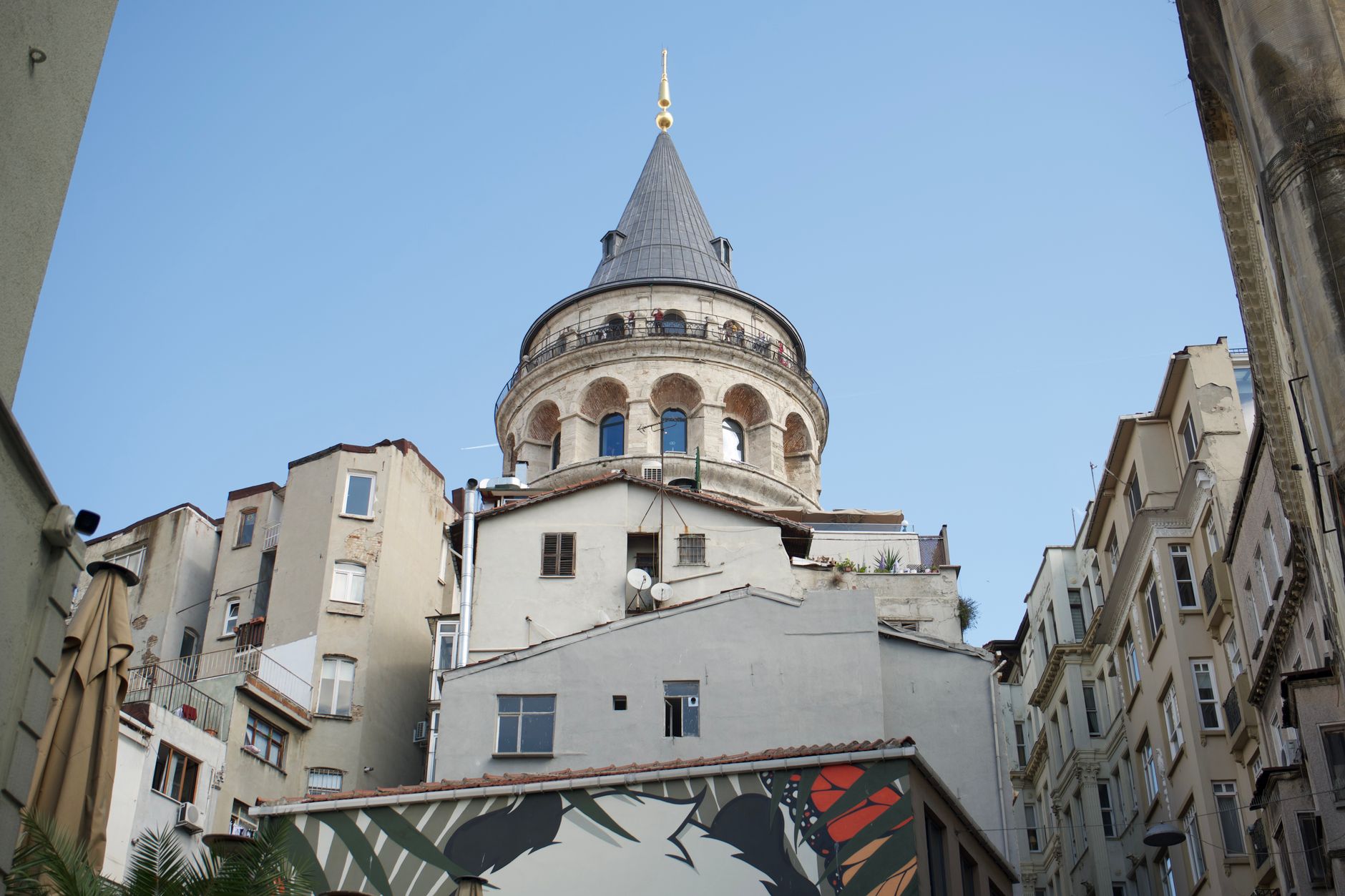
Bursa: The Mevlevi Lodge of the Green City
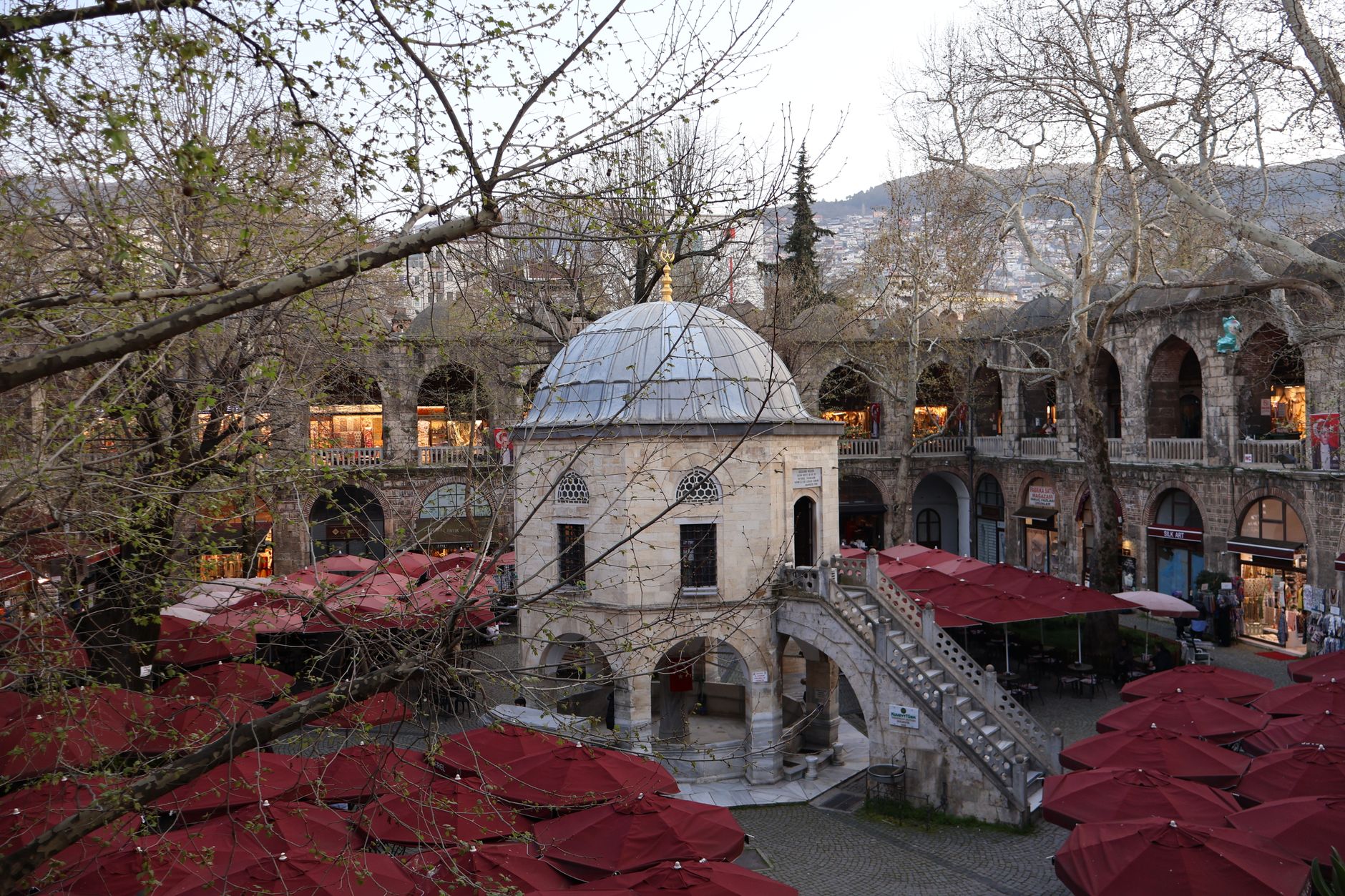
Bursa, the first capital of the Ottoman Empire, is steeped in history and spirituality. Its Mevlevi Lodge, known as the Bursa Mevlevihanesi, is a lesser-known treasure that dates back to the 17th century. Located near the famous Ulu Mosque, the lodge has been beautifully restored and now serves as a cultural center and museum. It offers a fascinating glimpse into the daily life of dervishes, with exhibits on their rituals, music, and calligraphy.
While regular sema ceremonies are not held here as frequently as in Istanbul or Konya, the lodge occasionally hosts special events, especially during religious holidays and the annual Bursa Festival. These events are often open to the public, but it's best to check with the Bursa Tourism Office for dates. Even without a ceremony, the lodge's peaceful courtyard and the adjacent Ottoman-era tombs provide a contemplative escape from the city's bustling bazaars.
For a deeper experience, consider visiting during the month of Ramadan, when the lodge often organizes iftar dinners and spiritual gatherings. These are wonderful opportunities to interact with locals and learn about Sufi traditions firsthand. As always, dress modestly, remove your shoes before entering prayer areas, and ask permission before taking photos of individuals.
Manisa and the Aegean: Sufi Traces in the West
Travelers exploring the Aegean coast often overlook the region's Sufi heritage, but Manisa, a city inland from Izmir, holds a significant Mevlevi lodge: the Manisa Mevlevihanesi. Built in the 14th century, it is one of the oldest in Anatolia and has recently undergone restoration. The lodge is part of a larger complex that includes a mosque, a library, and a cemetery, all set within a tranquil garden. It's a place where you can easily imagine the dervishes of old, spinning in the candlelit hall.
Ceremonies here are rare, but the lodge is open to visitors daily (except during prayer times). The on-site museum displays artifacts related to Mevlevi life, including musical instruments and manuscripts. The caretakers are often happy to share stories and explain the symbolism of the whirling ritual. If you're lucky, you might encounter a local group practicing music or reciting poetry—a reminder that Sufism is not a relic but a living tradition.
From Manisa, it's worth making a detour to the nearby town of Tire, which hosts an annual Sufi music festival in the spring. The festival attracts dervishes from across Türkiye and features sema ceremonies, concerts, and workshops. It's a vibrant celebration of Sufi culture and a perfect opportunity to see whirling dervishes outside of Konya. Check festival dates in advance and book accommodations early, as Tire is small and fills up quickly.
Central and Eastern Anatolia: Hidden Sufi Sanctuaries
Venturing east of Konya, you'll find Sufi lodges that are even more off the beaten path. In the town of Kırşehir, the Ahi Evran Lodge is dedicated to the 13th-century Sufi saint Ahi Evran, the patron of artisans. While not a Mevlevi lodge, it represents the broader Sufi tradition of Anatolia, where different orders coexisted. The lodge is now a museum and cultural center, hosting occasional sema ceremonies and whirling performances during local festivals.
Further east, in the city of Sivas, the Şems-i Sivasi Lodge is a hidden gem. This 16th-century lodge was a center for the Halveti order, another Sufi brotherhood. It has been restored and functions as a mosque and cultural center. The architecture is stunning, with intricate tile work and a serene courtyard. Visitors are welcome to explore, but do so quietly, as it remains an active place of worship. The lodge's imam is often available to answer questions about Sufi practices and history.
For the truly adventurous, the remote town of Hacıbektaş in Nevşehir province is home to the Hacı Bektaş Veli Complex, a major pilgrimage site for Alevi and Bektashi Muslims. While not Mevlevi, this Sufi center offers profound insights into Türkiye's diverse spiritual landscape. The annual Hacı Bektaş Veli Festival in August draws thousands of pilgrims and features music, dance, and ceremonies. The complex includes a museum, a mosque, and a sacred spring, all set in a peaceful garden. It's a place of deep reverence and a highlight for any spiritual traveler.
Etiquette and Respectful Viewing Tips
Visiting Sufi lodges requires a heightened sense of respect and awareness. These are not tourist attractions but places of worship and community. Before entering, always check if visitors are allowed and if there are any specific rules. Dress modestly: for women, this means covering shoulders and knees, and carrying a scarf to cover your head when entering prayer halls. Men should avoid shorts and sleeveless shirts. Remove your shoes before stepping onto prayer carpets, and place them neatly on the provided shelves.
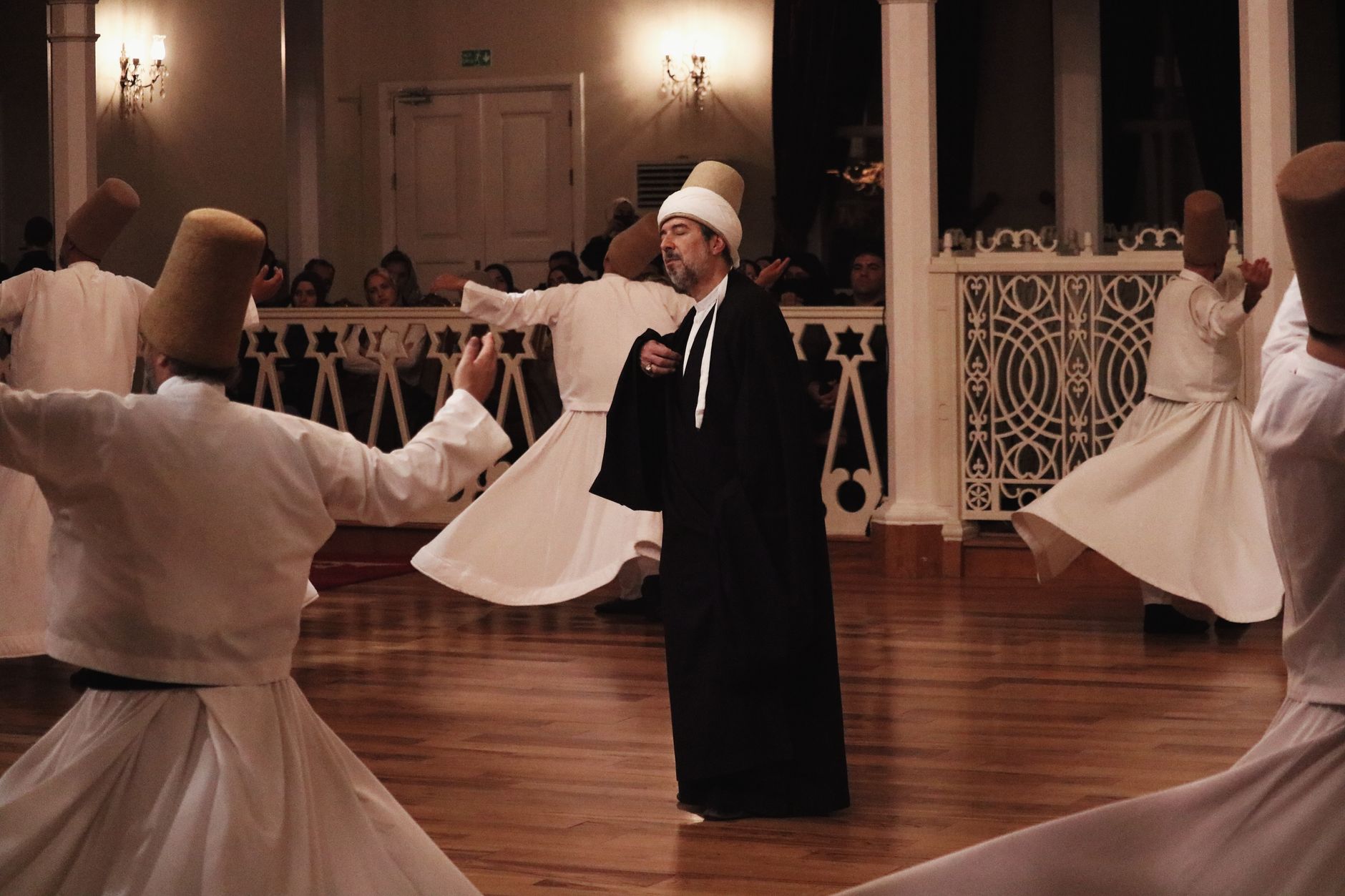
During sema ceremonies, maintain silence and avoid moving around. Photography is often permitted, but never use flash, as it distracts the dervishes and disrupts the meditative atmosphere. Some lodges prohibit photography entirely, so look for signs or ask a caretaker. It's also respectful to avoid pointing your feet toward the dervishes or the qibla (direction of Mecca). If you're unsure about any aspect, quietly observe others and follow their lead.
When interacting with dervishes or community members, be polite and patient. They may be busy with prayers or duties. If you have questions, wait for an appropriate moment and ask softly. Many dervishes appreciate genuine interest and are happy to share their knowledge, but they may also value their privacy. Never interrupt a ceremony or prayer to ask questions. If you're invited to share a meal or tea, accept graciously—it's a sign of hospitality—and reciprocate with a heartfelt thank you.
Lastly, consider making a small donation. Many lodges rely on contributions for maintenance and community activities. There may be a donation box near the entrance; giving what you can is a kind gesture that supports the preservation of this heritage.
Ceremony Schedules and Planning Your Visit
Sema ceremonies are held at various times depending on the lodge and the season. In Istanbul, the Galata Mevlevi Lodge hosts ceremonies on weekends, often in the late afternoon or evening. The Üsküdar lodge typically holds them on Friday evenings. In Bursa, ceremonies are less regular but may coincide with religious holidays or special events. Manisa's lodge rarely hosts public ceremonies, but you can inquire at the local tourism office. For a guaranteed experience, Konya remains the most reliable, with daily performances at the Mevlana Cultural Center—but that's beyond the scope of this guide.
To plan your visit, start by checking the official websites of the lodges or contacting local tourism offices. Social media pages can also provide up-to-date schedules. It's wise to arrive at least 30 minutes early to secure a seat and acclimatize to the environment. Some lodges require advance reservations for ceremonies, especially during peak tourist seasons. If you're traveling with a group, inquire about group visits and any special arrangements.
Remember that schedules can change due to religious observances, local events, or unforeseen circumstances. Be flexible and have a backup plan. Even if you miss a ceremony, the lodge itself and its surroundings offer plenty of opportunities for reflection. Combine your visit with exploring the local area—many lodges are located near historic sites, bazaars, and natural beauty. For more travel tips and itineraries, explore our guides and itineraries.
Conclusion: Embracing the Tranquility of Sufi Heritage
Türkiye's Sufi lodges beyond Konya are portals to a quieter, more introspective side of the country. They invite travelers to step away from the crowds and connect with a tradition that has nurtured hearts for centuries. Whether you're watching dervishes whirl in a candlelit hall, sipping tea in a tranquil garden, or simply sitting in silence, these places offer a rare serenity that lingers long after you leave.
As you plan your journey, approach these sites with humility and openness. The warmth you'll receive in return is a testament to the enduring spirit of Sufi hospitality. Let the whirling dervishes remind you of the beauty of turning inward, and may your travels be filled with peace and discovery. For more cultural insights and practical advice, visit our blog and destinations pages.
Thinking about a trip to Turkey?
Share your contact details and a vetted local expert will follow up with a plan built around you — free, no obligation.