

An Opening Invitation: Why the Sema Still Matters
Some travel experiences you photograph. Others photograph you — quietly rearranging something inside. A sema ceremony, the whirling meditation of the Mevlevi Sufi tradition, belongs firmly to the second category. You sit in a hushed hall. A single reed flute begins to breathe. Men in tall camel-colored hats and flowing white skirts walk slowly into the light, bow to one another, and then — gently, inexorably — begin to turn.
This is not a performance in the Western sense, and that is precisely its beauty. The sema is a ceremony of remembrance (zikr), a ritual of love, and a living spiritual practice that has continued in Türkiye for more than seven centuries, since the poet and mystic Mevlana Jalaluddin Rumi settled in Konya in the 13th century. When a semazen (whirler) spins, one hand is raised toward the heavens and the other turned toward the earth: receiving grace, offering it back. The turning body becomes a bridge.
For travelers, this is one of Türkiye's greatest cultural treasures — and one of its most accessible. You do not need to be religious, scholarly, or even particularly spiritual to be moved. You only need curiosity, a bit of context, and the willingness to sit still for an hour. This guide will help you find genuine ceremonies rather than dinner-show imitations, understand what you are watching, dress and behave respectfully, and weave the experience into a wider journey — with Konya, the city of Rumi, as the luminous heart of the trip.
Understanding the Sema: What You'll Actually See
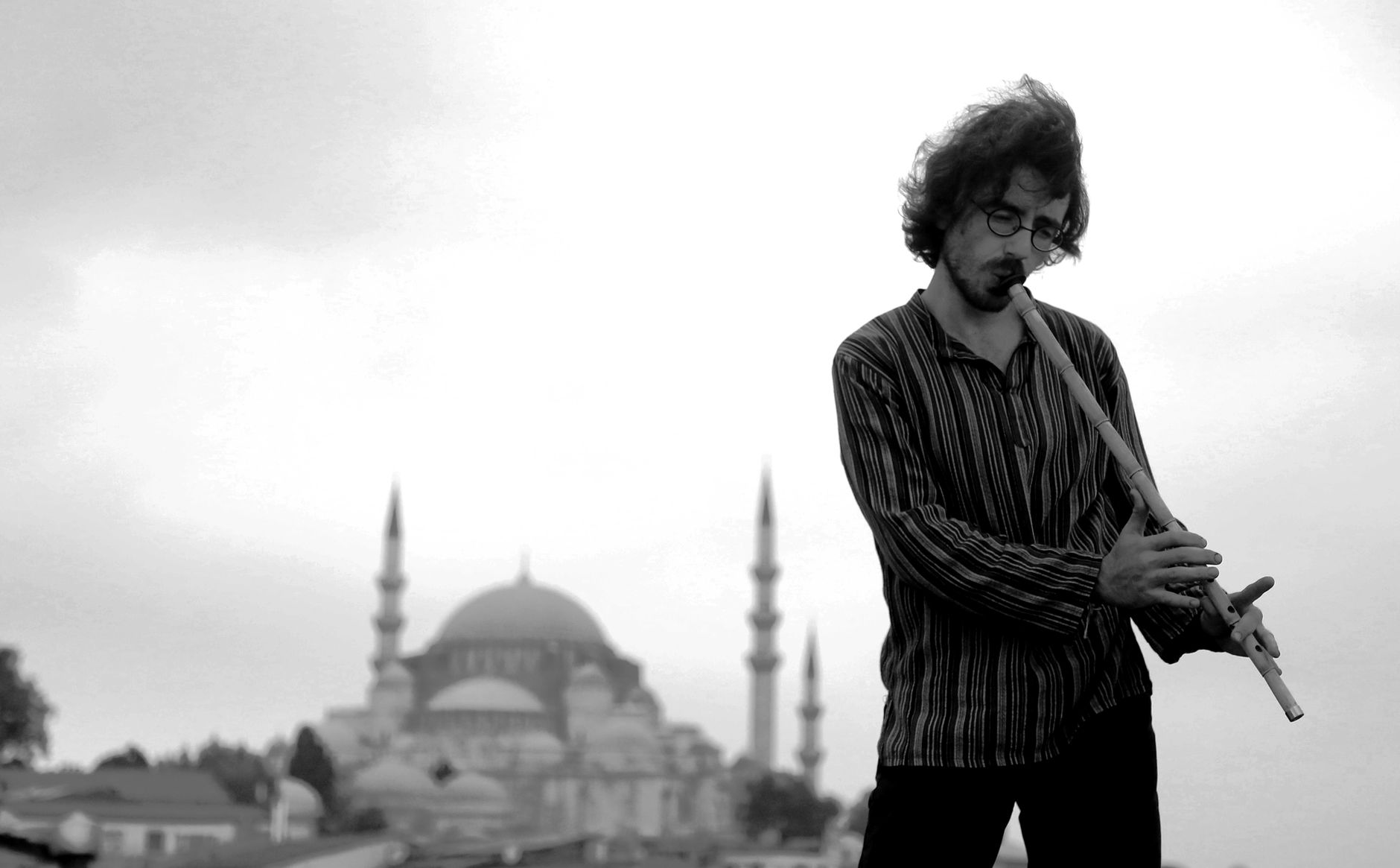
Think of the sema as a composition in four movements. It begins with music — the plaintive ney (reed flute), the kettledrums, the lute — and with praise. The semazens, led by a sheikh or postnişin who represents the spiritual guide, walk in procession, their black cloaks symbolizing the ego or the tomb of worldly identity. Each whirler bows to the one preceding him: a gesture of humility so simple it can bring tears.
At the central turning, the black cloaks are cast off. What remains is the white tennure, the long skirt that flares into a perfect cone as the semazen spins. The turning is counterclockwise, the right foot pivoting on the left, the body held utterly upright. The face is serene; the arms rise and fall like wings. There is no eye contact with the audience, because the audience in the fullest sense is God.
The four selams, or greetings, that structure the whirling each carry layers of meaning: the recognition of the divine, awe at creation, the surrender of the self into love, and finally the return to one's station as a servant of the world. You don't need to memorize any of this. Let the music and the motion do their work. But knowing the shape of the ceremony helps you relax into it — and appreciate that the whirl is not ecstatic chaos but the most disciplined form of devotion imaginable.
Come, come, whoever you are.
Wanderer, worshipper, lover of leaving — it doesn't matter.
Ours is not a caravan of despair.
Come, even if you have broken your vows a thousand times.
Come, yet again, come, come.
Those words attributed to Rumi hang in the air of every Mevlevi hall. When you understand that the ceremony is an enactment of that invitation, the whirling becomes legible — not as spectacle, but as hospitality offered to the stranger.
Konya: The Heart of the Mevlevi World
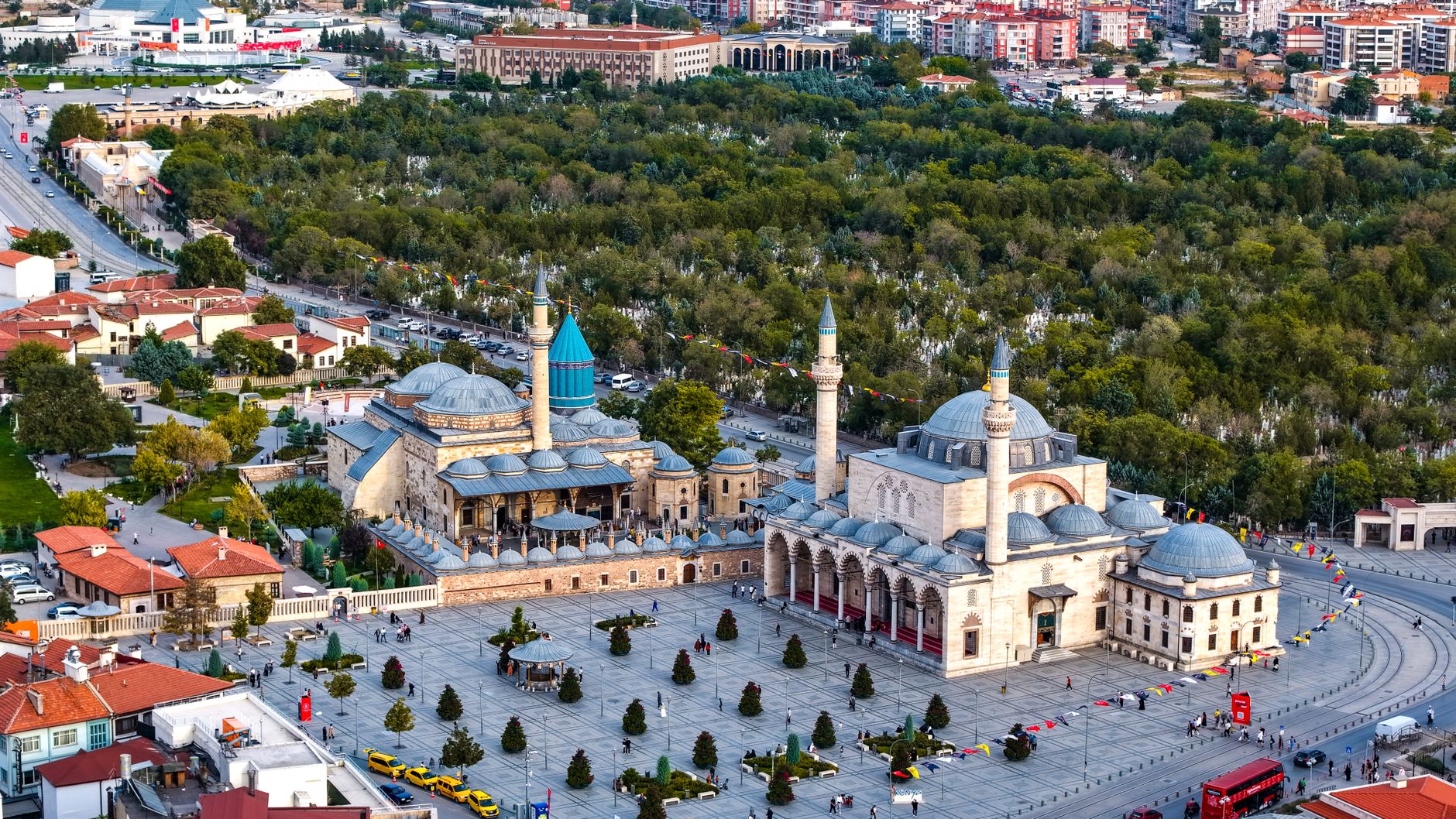
If you experience the sema only in Istanbul, you have seen the flower. Konya is the root. This Anatolian city, about four and a half hours by high-speed train from Istanbul and just over two from Ankara, is where Mevlana Jalaluddin Rumi lived, taught, and is buried. His mausoleum, the Mevlana Museum — recognizable by its emerald-green dome — is one of Türkiye's most visited spiritual sites, and it is genuinely awe-inspiring: seljuk tiles, ancient manuscripts, the enormous gilded tomb.
The city's relationship with the sema is not a tourist invention. It is a living, breathing and above all communal tradition. The Konya Metropolitan Municipality's Mevlana Cultural Center hosts a famous, free sema ceremony in a purpose-built hall — one of the world's largest — that seats thousands. It's moving and authentic in its intent, though it can be crowded, especially around December. For something more intimate, look to smaller tekkes and cultural centers, or attend during the Şeb-i Arus festival, held every December 7–17 to mark the anniversary of Rumi's death, which he called his "wedding night" — the night of union with the divine.
Beyond the ceremony, Konya rewards slow exploration. Wander the bazaar, visit the Selimiye Mosque next to the museum, and take time in the museum's tranquil rose garden. Many travelers find that the sema in Konya feels different — quieter, more prayerful, more rooted in community than performance. Save it for your most unhurried day.
Istanbul: Where Tradition Meets the Bosphorus
Istanbul offers sema ceremonies almost every night of the year, which makes it the easiest place to encounter the tradition — and also the easiest place to encounter a watered-down version of it. Here's the honest truth: many of the ceremonies marketed to tourists in Sultanahmet are essentially dinner theater. Some are pleasant; some are beautiful; a few are outright cynical. Your job is to sort the wheat from the chaff.
The gold standard in the city is the Galata Mevlevihanesi on Istiklal Avenue — a genuine historic Mevlevi lodge (the oldest in Istanbul, founded in 1491) that hosts authentic ceremonies in a beautiful wooden hall. Tickets sell out quickly, so book online in advance. The Hodjapasha Cultural Center, near Sirkeci, is more theatrical but professionally staged and consistently moving, with good English explanations. The Üsküdar Mevlevihanesi on the Asian side is less famous, less crowded, and often deeply sincere.
Wherever you go, apply the test of atmosphere: Is the setting a real hall or temple rather than a banquet room with fairy lights? Are the semazens trained members of a Mevlevi order, not just performers? Is the music live and central, rather than background? Is photography restricted during the ceremony? Does the event feel like a religious practice being shared with you, rather than a show catering to you? If the answer to these is yes, you are in the right room.
Beyond the Big Two: Sufi Music and Semas Around Türkiye
One of the joys of traveling in Türkiye is discovering that Sufi culture is not confined to Konya and Istanbul. Across Anatolia, you'll find lodges, festivals, and music nights that bring these traditions to life in their own regional flavors.
- Bursa, the first Ottoman capital, has a rich Mevlevi history and occasional sema evenings in historic settings.
- Manisa, near Izmir, hosts a well-regarded annual Mesir Festival that includes Sufi music and Mevlevi ceremonies.
- Ankara's Kocatepe area and several cultural centers host Sufi music concerts, especially in winter.
- Şanlıurfa, the "City of Prophets," has its own vibrant mystical music scene, plus the haunting sıra geceleri (traditional music nights) of the region.
- Gaziantep and Mardin offer evocative Sufi music in atmospheric old-city settings.
For listeners, the great companion tradition is Sufi music itself: the ney, the rebab, the tanbur, and the mesmerizing vocal improvisations (gazel) that often accompany or precede a sema. Keep an eye on venues like the İş Sanat and CRR concert halls in Istanbul, which program world-class Sufi musicians. These concerts are an excellent entry point if you're not ready for a full ceremony — pure listening, no ritual to navigate.
Practical Magic: Booking, Etiquette, and Getting It Right
How to book authentically. For Konya's Mevlana Cultural Center ceremonies, check the Konya municipality's website; many are free but require reservation. For Istanbul's Galata Mevlevihanesi, book directly through its official online ticket page, days or weeks ahead. For Hodjapasha and similar venues, reputable booking platforms or the venue itself work fine. Avoid anything sold as a "Whirling Dervish Dinner Show" in a hotel banquet room unless you genuinely want a performance rather than a ceremony. And be wary of touts on the street — go direct.
What to wear and how to behave. Dress modestly and comfortably: covered shoulders and knees are respectful, and you'll likely be sitting on the floor or on low benches. Remove your shoes if the space requires it. Arrive early; silence your phone completely, and don't film or photograph during the ceremony unless explicitly permitted. Do not applaud before the end of the ritual — the sema is not a concert, and for many participants it is prayer. If you would like to show appreciation afterward, a quiet nod or a word of thanks to your host is perfect. Above all, keep your voice low, your attention present, and your curiosity gentle.
Sitting with the experience. One more practical tip: the somber, quiet energy of a sema is not something to rush to or from. Try not to schedule it between a museum and a dinner reservation. Give it an evening. Let the music settle into you on the walk home. Many travelers say the sema was the most quietly transformative hour of their trip — but only when they made room for it.
When to Go: Seasons, Festivals, and the Şeb-i Arus
Türkiye is a year-round destination, but if the spiritual dimension of the trip matters most to you, consider the calendar carefully. Spring (April–May) and autumn (September–October) are the gentlest seasons for exploring Konya and Istanbul on foot, and cultural events pick up in both cities.
Winter brings the crown jewel: the Şeb-i Arus Festival in Konya, held annually around December 7–17 to commemorate Rumi's passing. Expect world-class semas, concerts, exhibitions, and a city unusually full of international visitors — book accommodation and transport months in advance. December in Konya is cold but clear, and the atmosphere is unlike any other time of year.
If you're drawn to Istanbul's scene, note that many cultural venues program Sufi music most heavily in the cooler months from October through March — while summer can feel more tourist-oriented. Ramadan evenings, with their candlelit iftar atmosphere and special programs, can be a beautiful time to encounter Sufi music too, though schedules vary by year.
Weaving It Together: A Suggested Journey
The classic, and arguably perfect, itinerary is simple: begin in Istanbul, spend three or four days soaking up the city — the mosques, the Bosphorus, the bazaars — and attend an authentic sema at Galata Mevlevihanesi or Üsküdar. Let that be your introduction.
Then take the high-speed train to Konya for two or three nights. Visit the Mevlana Museum early in the morning before the crowds, wander the old bazaar, and attend a sema at the Mevlana Cultural Center or a smaller lodge. Eat etli ekmek, Konya's beloved flatbread dish. Walk along the rose garden in the evening and simply let the city's calm do its work on you.
If time allows, add Bursa for its Ottoman and Mevlevi heritage, or fly onward to Şanlıurfa or Mardin for a different, equally profound taste of Anatolian mysticism. However you shape it, the key is not to treat the sema as one more line on a checklist. Treat it as an encounter. Türkiye's Sufi traditions are among the world's great living cultural treasures — and they are offered to the traveler with a generosity that is, in the truest sense, Rumi's own.
"You are not a drop in the ocean. You are the entire ocean in a drop."
— Attributed to Rumi
Sit. Listen. Turn inward. The whirling will do the rest.
Thinking about a trip to Turkey?
Share your contact details and a vetted local expert will follow up with a plan built around you — free, no obligation.